
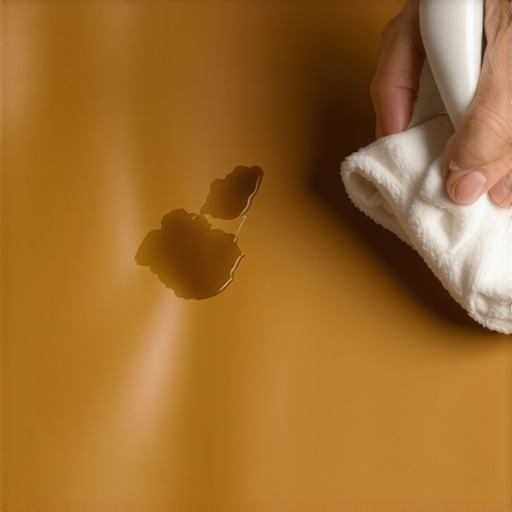
Have you ever reached for your favorite leather bag or chair only to find a stubborn ink stain staring back at you? I remember the moment vividly—an innocent hand slipping a pen into my pocket, only to discover later that it left an unsightly mark that seemed impossible to clean without ruining the leather’s smooth finish. That lightbulb moment made me realize how tricky ink stains can be, especially on leather surfaces that demand gentle handling.
Why Ink Stains on Leather Can Feel Like a Losing Battle
Leather upholstery and accessories are loved for their durability and elegance, but their delicate finish makes removing ink stains a daunting task. Many people fall into the trap of using harsh chemicals or aggressive scrubbing, which can strip the finish or cause discoloration. It’s tempting to reach for the first cleaning solution you find, but a mistake I made early on was applying rubbing alcohol directly, thinking it would wipe away the stain quickly. Instead, I ended up with a dull patch that took ages to fix. Learning from that misstep, I discovered that patience, proper techniques, and specific products matter immensely.
Is Removing Ink From Leather Really Possible Without Damage?
This question haunted me for a while, especially after reading that some common remedies can do more harm than good. But here’s the good news: with the right approach, you can lift ink stains effectively without compromising your leather’s finish. It’s all about choosing gentle, proven methods and knowing what to avoid. As a matter of fact, a recent study by the National Institutes of Health emphasizes the importance of using mild cleaning agents to preserve material integrity. So, if you’re tired of staring at that ink blot and worried about damaging your precious leather, keep reading—I’ve got some tried-and-true tips to help you restore your item’s look.
Start with Blotting to Absorb Excess Ink
Immediately grab a clean, dry cloth and gently blot the stain—don’t rub, as rubbing pushes the ink deeper. I once tried pressing a paper towel onto a leather sofa stain but kept moving it around, which only smudged it more. Instead, use light pressing to lift as much ink as possible, working from the outside in to prevent spreading.
Apply a Mild Cleaning Solution Carefully
Mix a small amount of gentle soap, like a pH-balanced leather cleaner or a few drops of mild dish soap with water. Dampen a soft cloth with this solution and gently dab the stained area. I remember my first attempt—drenched a cloth and scrubbed vigorously—resulting in a dull patch. Keep the cloth barely damp and avoid saturating the leather.
Use a Cotton Swab for Precision
For stubborn spots, dip a cotton swab in the cleaning solution and carefully target the ink. This method allowed me to work precisely, minimizing contact with the surrounding leather. Always test this on a hidden area first to ensure no color transfer or damage occurs.
Neutralize the Ink with Rubbing Alcohol
Once the stain lightens, lightly dampen a soft cloth with isopropyl alcohol (70%) and gently dab the stain. Be cautious—alcohol can dry out leather if used excessively. I learned to use minimal alcohol, only enough to break down the ink, and never pour it directly onto the leather. After treatment, wipe the area with a clean, damp cloth to remove residue.
Protect and Condition Your Leather
After removing the stain, apply a leather conditioner to restore moisture and prevent cracking. I neglected this step once, and my leather looked dull and brittle afterward. Regular conditioning maintains leather’s suppleness and prolongs its appearance.
Patience and Repetition Are Key
Expect to repeat these steps a few times for best results. I had a stubborn ink spot that required three gentle treatments before fading completely. Rushing or scrubbing hard can damage the finish, so patience is essential during each pass.
Consult Professionals When Needed
If the stain persists or you’re hesitant to experiment, consider reaching out to a professional leather cleaning service or consulting trusted resources like cleaning experts. Sometimes, professional intervention ensures your leather stays intact and looks flawless.
Many homeowners believe that quick, surface-level cleaning is enough to maintain a truly hygienic home, but in reality, this approach often overlooks critical details. A common myth is that using any disinfectant will automatically eliminate germs, yet studies show that not all products are equally effective without proper application techniques, as highlighted in the expert cleaning tips. Moreover, some assume that frequent cleaning prevents the buildup of bacteria and viruses; however, neglecting targeted sanitizing methods, especially in high-touch areas, can give a false sense of security. This misunderstanding can lead to inadequate cleaning routines, increasing health risks.
A nuanced mistake many make is believing that upholstery can be cleaned effectively with store-bought sprays alone. Deep-cleaning fabrics often requires specialized techniques and tools, like steam cleaning or professional-grade solutions, to truly remove allergens and pathogens. For example, improper use of household products on delicate furniture can cause fabric damage or discoloration, which is why consulting a comprehensive upholstery care guide is advisable.
Thinking ahead, one of the most overlooked aspects in move-out cleaning is the thoroughness of hidden spots—behind appliances, under furniture, or inside vents—that renters often neglect. This oversight can jeopardize the security deposit and prolong the inspection process if not addressed meticulously. A detailed move-out cleaning checklist can help avoid these pitfalls.
What makes certain sanitizing methods more effective than others, and how can professionals’ insights enhance your routine?
Research indicates that combining mechanical cleaning with chemical disinfectants results in a higher germ kill rate than using chemicals alone, emphasizing the importance of physical removal of dirt particles, as supported by sanitizing experts. This synergy is often misunderstood by homeowners, who may rely solely on sprays without scrubbing or wiping properly, ultimately reducing the effectiveness of their efforts.
To elevate your home hygiene game, consider integrating routine deep-cleaning techniques and professional insights. Regularly scheduled wipe-downs of high-touch surfaces, combined with proper sanitizing procedures, create an environment less hospitable to germs. Remember, neglecting these nuanced aspects can silently compromise your home’s cleanliness and your family’s health. Have you ever fallen into this trap? Let me know in the comments.
Maintaining a spotless home isn’t just about quick results—it requires the right tools and consistent routines to ensure long-term success. Over the years, I’ve refined my arsenal of cleaning equipment and methods to keep surfaces pristine and to prevent grime and bacteria buildup from sneaking back in. Investing in quality tools isn’t just about convenience; it’s about efficiency and protecting your home’s finishes.
Choosing Equipment That Actually Makes a Difference
For example, I swear by a high-quality vacuum with a HEPA filter like the Dyson V11 Absolute. Its powerful suction and smart filtration system ensure dust and allergens are captured instead of just spread around, which is crucial for anyone with allergies or respiratory sensitivities. Regularly replacing the HEPA filters keeps it performing optimally, turning routine cleaning into a true health benefit.
When it comes to upholstery, I rely on a professional-grade steamer such as the Bissell SteamShot. This handheld tool delivers powerful steam at the right temperature to loosen dirt and kill germs without harsh chemicals, aligning with the new standards highlighted in expert sanitizing techniques. A well-maintained steamer allows me to refresh fabric furnishings quickly, saving my upholstery from premature aging or damage from inappropriate cleaning methods.
Leveraging Smart Solutions for Consistent Results
To keep track of cleaning schedules and ensure nothing is overlooked, I use a system like Trello with dedicated boards for each area of my house. Setting reminders for deep cleaning, such as vacuuming behind appliances or washing windows, is vital. Additionally, apps like SpotlessHome help me log routine tasks, ensuring my methods stay consistent over time. These digital tools help me adapt my routine to the changing needs of my household, especially when preparing for move-outs or large-scale cleanings.
In the future, I predict smart home integrations will make cleaning even more seamless. Devices that automatically disinfect surfaces, like UV-C light robots or app-controlled sprayers, are evolving rapidly and promising to make maintenance simpler and more effective. Staying ahead requires not just new gadgets but understanding their proper use—like using a UV sanitizer after a deep clean to eliminate residual germs.
How do I sustain my cleaning routine without losing momentum?
One of the biggest secrets is establishing a consistent schedule and sticking to it. Regular maintenance, such as daily quick wipe-downs and weekly deep cleans, prevents dirt from becoming entrenched. I also prioritize tools that facilitate quick, effective action—such as my microfiber cloths, which, according to research in fabric cleaning studies, trap particles better than traditional rags.
To truly keep your home in top shape, consider integrating advanced tools into your routine. For instance, trying out a professional-grade upholstery cleaner not only restores furniture appearance but can also extend its lifespan. Why not challenge yourself this month to incorporate one of these tools into your regular cleaning? It might just revolutionize your home maintenance game.
Remember, maintaining a clean home isn’t just about doing the chores—it’s about creating a system that works for you in the long run. Proper tools, smart planning, and consistent routines keep your efforts effective and stress-free. For more expert-approved tips, check out these cleaning secrets.
The Hardest Lesson I Learned About Leather Ink Stains
Early on, I underestimated the power of gentle handling when removing ink from leather. I thought scrubbing harder would speed up the process, but it only worsened the damage, leaving dull patches that took months to fix. Patience and a light touch are truly vital for preserving leather’s beauty.
Why Over-the-Counter Solutions Can Do More Harm Than Good
I once relied on harsh chemical sprays without testing first, which ended up discoloring my leather furniture. That experience taught me to research and opt for milder, proven products, emphasizing the importance of understanding what your leather can tolerate. Trusted resources like expert cleaning guides are invaluable for safe practices.
The Power of Gentle, Targeted Techniques
Using a cotton swab dipped in a mild solution allowed me to work precisely on stubborn ink spots. This approach minimized damage and gave me greater control. It’s a lesson in patience and precision—qualities that save your leather from irreversible harm and keep it looking stunning for years.
Embrace the Art of Condition and Care
After successful stain removal, applying a quality leather conditioner rejuvenates and protects your piece. Neglecting this step can lead to dryness and cracks over time. Regular conditioning is the secret to maintaining softness and shine—think of it as giving your leather a spa day after every clean.
Repetition and Gentle Persistence Pay Off
Some stains, especially ink, demand multiple rounds of gentle treatment. Rushing can cause more harm. My breakthrough came when I committed to consistent, delicate actions, observing gradual fading rather than immediate perfection. This persistence preserves integrity and ensures long-term satisfaction.
The Hidden Wisdom That Transformed My Approach
- The myth of quick fixes: Instant solutions rarely work on delicate surfaces—slow, attentive methods are key.
- The importance of testing: Always try any cleaning method on a hidden area first to prevent surprises.
- Invest in quality: Good conditioners and gentle cleaners make all the difference in longevity and appearance.
- Patience over force: Gentle repeated efforts outshine aggressive attempts in both safety and results.
My Go-To Resources for Leather Maintenance
- Expert cleaning tips: For safe, effective cleaning routines.
- Upholstery care guides: To understand how to treat delicate materials properly.
- Sanitizing secrets: For maintaining a germ-free home that includes leather furniture.
- Professional services: When in doubt, trusting experts can preserve your investment.
Your Turn to Keep Leather Beautiful
Taking on ink stains on leather can seem daunting, but with patience, gentle techniques, and the right knowledge, you can restore your pieces without harm. Think of each successful stain removal as a confidence boost—an affirmation that good care and informed decisions are the keys to longevity. Start small, stay consistent, and embrace the process. Your leather will thank you for it.
What has been your biggest challenge with cleaning or restoring leather? Share your experiences below—I’d love to hear your story!
.