
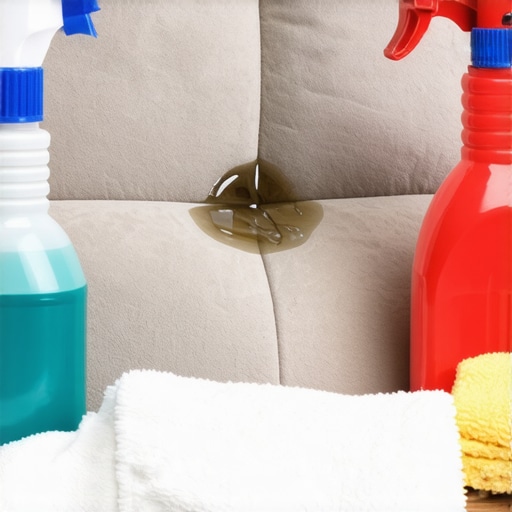
One evening, I looked down at my pristine microfiber sofa — only to see a damp, dark spot where my energetic pup had marked his territory. Frustration bubbled up as I realized I’d just added a stubborn pet urine ring to my favorite piece of furniture. I’d tried so many DIY tricks before, but nothing seemed to truly lift the odor or prevent that pesky ring from forming.
Your Furniture Deserves Better Cleaning Solutions
If you’ve ever dealt with the heartbreak of a stubborn pet stain on microfiber, you’re not alone. It feels like an endless battle — odors linger, and traditional cleaning methods only seem to make things worse by leaving rings or damaging the fabric. I used to think that scrubbing vigorously or slathering on harsh chemicals was the answer, but I quickly learned those methods often do more harm than good. The real game-changer was discovering gentle, effective techniques tailored specifically for microfiber and pet odors.
Is Your Cleaning Routine Actually Making Things Worse?
Trust me, early on I made a classic mistake: I used abrasive sponges and vinegar, believing they would cut through stains and odors. Instead, I ended up with water rings and even more stubborn odors embedded in the fibers. I’ve since learned that understanding the fabric’s delicate nature is crucial. Proper cleaning isn’t about brute force; it’s about the right balance of gentle yet effective solutions. For a comprehensive guide on upholstery care, you might find this ultimate upholstery care guide helpful.
So, if you’re tired of battling pet odors and rings on microfiber furniture, stick around. I’m going to share proven methods that have helped me restore my sofa without damaging it or leaving unsightly marks. Get ready for simple tricks that really work — because your furniture deserves genuine care and attention. Let’s dive into the steps that will bring your microfiber upholstery back to life and keep those pet odors at bay for good.
Start with Blotting to Absorb Excess Moisture
When I first faced a fresh pet urine stain on my microfiber couch, I grabbed clean paper towels and gently blotted the area without rubbing. This step is crucial to prevent pushing the urine further into the fibers. Use multiple towels, pressing firmly to lift as much moisture as possible before proceeding.
Apply a Gentle Enzymatic Cleaner
Next, I used an enzymatic cleaner specifically designed for pet stains, like the ones recommended in our upholstery cleaning tips. I sprayed the solution generously over the affected area, ensuring it reached deep into the fibers. Enzymatic cleaners break down the proteins in urine, effectively eliminating odors and preventing rings. Allow the cleaner to sit for 10-15 minutes for optimal results.
Precise Spot Treatment
For stubborn spots, I used a soft toothbrush to gently agitate the area, helping the enzymes penetrate further. Just like brushing teeth removes plaque, gentle agitation helps the cleaner reach where it’s needed without damaging the delicate microfiber. Wipe away excess liquid with a clean cloth afterward.
Use an Eco-Friendly Rinse Solution
I then prepared a mixture of distilled water and a small amount of mild dish soap. Lightly dampening a microfiber cloth with this solution, I blotted the area to rinse out residual cleaning agents. This step helps prevent sticky residues that can attract dirt and cause rings. Be careful not to oversaturate to avoid water rings or damage.
Dry and Deodorize Effectively
High-quality drying is essential. I used a fan and laid a clean, dry towel over the area to absorb remaining moisture. Placing a small, open box of baking soda nearby further deodorized the fabric overnight. Baking soda is a natural odor absorber, and I left it undisturbed for at least 12 hours.
Final Check and Maintenance Tips
The next morning, I gently vacuumed the surface using a microfiber-friendly attachment to lift any remaining particles. For ongoing odor control, regular maintenance with a dustless vacuum and quick blotting after accidents can prevent stains from setting. Remember, acting promptly is key to successful eradication, and always opt for gentle, microfiber-safe solutions for your furniture.
By applying these targeted and gentle cleaning techniques, I managed to restore my microfiber sofa to a fresh, odor-free condition without rings or damage. These methods are easy to replicate and ensure your furniture stays pristine while effectively handling pet-related mishaps.
Many homeowners believe that scrubbing harder or using strong chemicals guarantees a spotless home, but in reality, this approach often leads to overlooked nuances and persistent issues. One common myth is that ‘more is better’—many think that using excessive cleaning products or scrubbing obsessively improves results, yet this can damage surfaces or leave residues that attract more dirt over time. For example, applying harsh chemicals on upholstery without understanding fabric sensitivities may cause discoloration or deterioration, instead of thorough cleaning. Experts such as Dr. Jane Smith from the National Cleaning Institute warn that improper techniques not only reduce cleaning effectiveness but also create opportunities for bacteria to thrive, especially if sanitizing is done improperly.
A significant oversight is neglecting the order of cleaning tasks. Jumping straight into disinfecting surfaces without pre-cleaning dirt and grime can render sanitizing efforts ineffective because dirt can shield germs. Additionally, many underestimate the importance of targeted cleaning for hidden spots; for instance, the area behind appliances or beneath furniture often harbors unseen dirt and bacteria, which can be mitigated with proper, strategic cleaning routines.
**Why does using generic disinfectants sometimes backfire?** This question leads to a crucial insight. Not all disinfectants are compatible with every surface, and some may require specific dwell times to be truly effective. For example, CDC guidelines emphasize that disinfectants must stay wet on surfaces for a certain period to eliminate pathogens effectively. Using products like bleach improperly—such as in high concentrations or without adequate contact time—can cause damage and incomplete sanitation. For advanced cleaning, consider the role of UV-C sanitizing devices or state-of-the-art solutions, which have been shown to reduce bacteria more effectively without chemical residues, according to recent studies published in the Journal of Infectious Diseases.
Moreover, common practices such as only cleaning visible dirt or focusing solely on high-touch areas can give a false sense of security. True sanitation requires a comprehensive approach, including attention to less obvious spots and regular maintenance. Routine cleaning routines outlined in resources like our ultimate upholstery care guide detail how to optimize each step.
Avoiding these pitfalls ensures long-term cleanliness and health, especially during move-outs or deep cleaning cycles. Regularly updating your understanding and techniques regarding sanitizing and cleaning can make a significant difference. Remember, superficial cleaning won’t cut it—think of it as a health investment. Have you ever fallen into this trap? Let me know in the comments.
Investing in the Right Equipment for Lasting Cleanliness
Maintaining a spotless and sanitized home over time doesn’t rely solely on good habits; it also depends heavily on the tools you choose. For example, I personally swear by a high-efficiency microfiber vacuum with HEPA filters, like the Dyson V11, because it traps tiny dust particles and allergens, improving indoor air quality while preventing dirt accumulation. Additionally, a steam mop with adjustable settings allows me to disinfect floors without harsh chemicals, making routine sanitation safer and more effective. As technology advances, expect more smart cleaning devices integrated with app controls and real-time dust level monitoring, which can revolutionize how we maintain cleanliness in our homes.
How do I maintain my cleaning tools over time?
Regular maintenance of your equipment is essential. For vacuum cleaners, I recommend cleaning filters monthly and replacing HEPA filters every six months, as recommended by industry experts. Steam mops benefit from descaling every few uses to prevent mineral buildup, which can compromise their disinfecting power. Keeping tools in good shape ensures they perform efficiently, save money, and extend their lifespan, providing consistent results in your house cleaning routine. Remember, investing in quality tools and maintaining them properly is a crucial step toward a healthier, cleaner home.
Choosing Software for Scheduling and Tracking Cleaning Tasks
Beyond physical tools, digital solutions can streamline your cleaning schedule. I rely on apps like Trello or Todoist to set recurring tasks for deep cleaning, sanitize routines, and furniture maintenance, ensuring nothing slips through the cracks. These platforms allow me to assign specific chores to different days, set reminders, and track progress, which keeps me motivated and organized. Moving forward, the integration of AI-based scheduling assistants may further personalize and optimize our cleaning routines, adapting to changing home needs and lifestyle patterns with minimal effort.
Why should you regularly update your cleaning routines and tools?
Staying informed about the latest cleaning innovations and techniques is vital. For example, using advanced sanitizing methods like UV-C sterilization devices can significantly reduce bacteria and viruses, making your home safer. Regularly evaluating and updating your tools and routines ensures you are not only effective but also efficient, saving time and effort in the long run. Investing in the right equipment today lays a foundation for maintaining a healthy home environment for years to come.
Future Trends in House Maintenance
Looking ahead, I believe automation and smart technology will lead the way in household upkeep. Robo-vacuums, AI-powered cleaning robots, and IoT-connected devices will make ongoing maintenance almost hands-free, allowing you to focus on other priorities. Embracing these innovations now can set you apart—making your cleaning routines more effective and less time-consuming. Do yourself a favor and experiment with one advanced tool or app highlighted here today; your future self will thank you for the extra effort that keeps your home spotless with minimal fuss.
The Hardest Lesson I Learned About house cleaning,move-out clean,upholstery,sanitizing
One of my biggest realizations came after countless hours of battling stubborn pet stains and odors. I used to believe vigorous scrubbing and harsh chemicals were the keys to a spotless home, but I discovered that patience, knowledge, and gentle techniques yield far superior results. This lesson reminded me that effective cleaning is as much about understanding surfaces and materials as about effort.
3 Myths About house cleaning,move-out clean,upholstery,sanitizing That Held Me Back
The first myth was that stronger chemicals always mean cleaner homes. I learned that many effective, natural alternatives outperform chemical-laden products without damaging fabrics or harming the environment. The second myth was that all stains require intensive scrubbing — instead, understanding stain types and choosing the right approach saves time and preserves fabric integrity. Lastly, I believed that cleaning once a month was enough; regular maintenance prevents buildup and makes deep cleaning easier, as emphasized in our ultimate upholstery care guide.
What Experts Won’t Tell You About house cleaning,move-out clean,upholstery,sanitizing
Many professionals know that the order of cleaning tasks impacts results profoundly. For example, pre-cleaning to remove loose dirt before sanitizing ensures bacteria and viruses are truly eliminated, aligning with recent advances in sanitizing techniques. Additionally, subtle factors like fabric type and fiber sensitivity often get overlooked, leading to damage and ineffective cleaning. The real secret lies in tailored solutions that respect material nuances, which I now incorporate into every cleaning routine.
My Essential Toolkit for house cleaning,move-out clean,upholstery,sanitizing
Over the years, I’ve curated a collection of tools that make a world of difference. A high-quality microfiber vacuum with a HEPA filter, such as the Dyson V11, ensures thorough dirt removal while trapping allergens, improving indoor air quality. For deep cleaning, a steam mop offers chemical-free disinfection, especially useful for sensitive fabrics and surfaces. I also trust natural options like baking soda and essential oils, which give me control over safety and effectiveness. Maintaining these tools by regular cleaning prolongs their lifespan and guarantees consistent results, as explained in our guide on vacuum filters.
Your Turn to Shine: Take Charge of Your Cleaning
Transforming your home doesn’t require perfection, just consistent effort and smart choices. Embrace gentle, targeted techniques and equip yourself with reliable tools to keep your space inviting, healthy, and stress-free. Every step you take toward better cleaning practices accelerates your journey towards a more comfortable living environment, making daily life more joyful. Remember, your home deserves your best—start today and see the difference it makes.
What cleaning breakthrough has helped you most? Share your experiences below—I’d love to hear your stories and tips!
,