
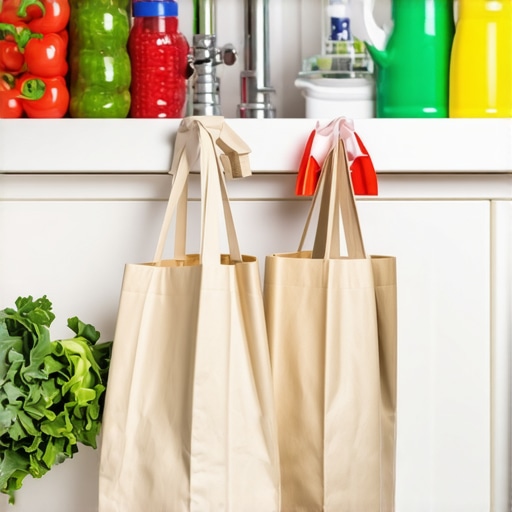
Ever since I started using reusable grocery bags, I felt good about reducing plastic waste and doing my part for the environment. But one day, during a routine tidy-up, I opened my bag and was hit with a whiff of something unexpected—mildew mixed with a hint of forgotten leftovers. It was a lightbulb moment that made me realize I’d been neglecting the hidden little germ factories right in my kitchen.
Why I Started Cleaning My Reusable Bags Weekly and How It Changed Everything
That lingering smell led me down a rabbit hole of research and personal trial. I discovered that reusable grocery bags, if not properly cleaned, can harbor bacteria like E. coli and salmonella, which can cause serious illnesses. This realization was unsettling, especially since I’d assumed these bags were just as clean as my regular grocery stuff. Now, I make it a point to sanitize them every week, and the difference is night and day.
Is Sanitizing Reusable Grocery Bags Overkill or Essential?
Initially, I was skeptical. I thought a quick rinse or toss in the washing machine would suffice. Early on, I made the mistake of neglecting certain types of bags—cloth ones specifically—and I ended up unintentionally crossing contamination between raw meats and produce. Trust me, I’ve learned the hard way that proper, regular sanitizing is not just about cleanliness; it’s about safeguarding your health.
If you’re wondering whether all this effort is worth it, consider this: a study published by the CDC found that contaminated shopping bags can be a significant source of foodborne illness. But don’t worry—once you get into a routine, it’s quick, easy, and makes a noticeable difference in your home hygiene.
So, let’s dive into why your weekly cleaning routine for reusable grocery bags should become a priority and how you can do it effectively. Ready to get started? You might be surprised at the simple steps that can keep those bags—and your family—safe from hidden germs.
Effective Sanitizing Techniques for Your Bags
Start by emptying your bags completely, inspecting any hidden corners for debris or stains, and brushing away loose dirt with a sturdy brush or cloth. For sturdy plastic or rubber bags, rinse thoroughly with hot water, then apply a disinfectant spray or a diluted bleach solution—one tablespoon of bleach per gallon of water—to kill bacteria. Let the bags air dry in the sun, which aids in natural disinfection due to UV rays. During my last cleaning session, I sprayed my plastic bags with a 10% bleach solution and hung them outside; the fresh air and sunlight made a noticeable difference in odor and cleanliness.
Deep Cleaning Cloth and Fabric Bags
Cloth bags require a more thorough approach. Machine wash them on the hottest suitable cycle with laundry detergent. To ensure maximum germ elimination, add a cup of white vinegar to the rinse cycle—vinegar acts as a natural sanitizer. After washing, tumble dry on high heat or hang in direct sunlight. Once I followed this routine, I noticed the mildew smell vanished, and the bags felt fresh and odor-free, preventing cross-contamination during future shopping trips.
Sanitizing Non-Washable Bags
For bags that can’t be washed, such as insulated or specialty bags, use disinfectant wipes or spray with a CDC-recommended sanitizer. Focus on handles and seams where dirt accumulates. Use a microfiber cloth to wipe down all surfaces thoroughly. After disinfecting, allow the bags to air dry completely before storing or reuse. I once had a set of insulated bags that I couldn’t machine wash; a combination of alcohol-based sanitizer spray and sun-drying kept them bacteria-free and ready for next use.
Maintaining Hygiene Between Washes
Even with regular cleaning, it’s important to handle your bags properly. Store your cleaned bags in a clean, dry place to prevent mold growth. Avoid leaving them in hot cars or damp environments. When packing, keep raw meats separate from produce, and consider using separate bags for different purposes to minimize bacterial spread. During a recent grocery run, I kept clean bags stacked in my car, labeled for meats and produce, which simplifies the sanitizing routine and reduces contamination risk.
My Personal Routine and Practical Tips
Every Sunday, I dedicate 10 minutes to sanitizing my reusable bags following these steps. Using a spray bottle filled with a homemade disinfectant—mixing water, a few drops of tea tree oil, and vinegar—I wipe down all surfaces, focusing on handles and infrequently touched areas. I then hang the bags outside in the sun for natural sterilization. This simple routine prevents the buildup of bacteria, reduces odors, and promotes health safety. Remember, consistency is key; a little effort each week keeps your bags hygienic and safe for your family.
Summary of Best Practices
Regular inspection, thorough cleaning, and proper storage form the foundation of a hygienic routine. Use hot water, natural disinfectants, and sun exposure whenever possible. For intricate or delicate bags, focus on surface disinfection with CDC-approved products. Avoid cross-using bags between raw meats and produce unless properly sanitized. Staying diligent with these steps ensures your eco-friendly shopping habits don’t compromise your health or that of your loved ones.
Many believe that a quick surface wipe suffices for move-out cleaning, but this is a costly misconception. In reality, professionals know that thorough cleaning involves targeting hidden grime and bacteria, especially in hard-to-reach spots like behind appliances or under furniture. Skimping on detailed cleaning can jeopardize your security deposit and leave your landlord with lingering stains or odors. For a comprehensive checklist and expert tips, check out our move-out cleaning checklist. Moreover, some assume that only heavily soiled areas need attention; however, microscopic bacteria can lurk unnoticed, leading to potential health risks. Proper sanitizing, including high-touch surfaces and concealed corners, is essential for a truly clean space, as highlighted in our house cleaning secrets from experts. People often underestimate the importance of these nuanced care steps, which can make a significant difference in the final outcome. Advanced cleaning mistakes frequently involve over-reliance on chemical disinfectants without understanding their correct application or dwell time, reducing effectiveness. A specialist upholstery guide emphasizes that improper use of cleaning products can damage fabrics or lead to incomplete sanitization. Additionally, many focus solely on superficial appearances, neglecting microbial hotspots such as light switches, door handles, and vent covers. Deep cleaning these areas prevents cross-contamination and health issues. When it comes to move-out cleaning, understanding these nuances ensures you don’t just pass an inspection but leave a healthier environment behind. Do you think you’re doing enough, or are you falling into common traps? Share your experiences or questions in the comments. For more insights on maintaining a spotless home, browse our effective house cleaning secrets.Maintaining a pristine home requires more than just periodic deep cleaning; it demands reliable tools and a strategic approach to upkeep. One of my favorite investments is a **quality steam cleaner**. I personally rely on the *Bissell PowerFresh Steam Mop*, which excels at sanitizing floors, removing stubborn stains from upholstery, and disinfecting high-touch surfaces without the use of harsh chemicals. Its versatility allows me to switch seamlessly between cleaning my hardwood, tile, and even fabric surfaces, making it an indispensable part of my maintenance routine.How do I sustain my cleaning standards without getting overwhelmed?
To keep everything working smoothly over time, I adhere to scheduled maintenance of my equipment. For example, I regularly descale my steam cleaner according to the manufacturer’s instructions, ensuring optimal performance and longevity. Additionally, I invest in multi-purpose disinfectant sprays like EPA-registered products, which I use to refresh high-traffic areas and sanitize upholstery after deep cleans. This proactive approach prevents the buildup of grime and bacteria, extending the intervals between major cleaning sessions, and saving me time and effort.
Looking ahead, I predict that cleaning technology will continue to evolve with smart devices integrated into household maintenance. Imagine robotic vacuums equipped with UV sterilization or app-controlled steam cleaners that monitor usage and alert you when maintenance is due. These innovations could revolutionize how we sustain cleanliness, making home upkeep more intuitive and less labor-intensive.
What about long-term results—how can I ensure cleanliness lasts?
Consistency is key. I set weekly reminders to disinfect frequently touched surfaces and swap out filters in my cleaning appliances. Additionally, I keep a dedicated set of microfiber cloths for specific tasks—designated for kitchen use, upholstery, and bathroom cleaning—to prevent cross-contamination. This attention to detail has helped me avoid recurrent issues like odors or bacterial buildup, keeping my home fresh and safe. Lastly, I find that simple tools like a handheld upholstery cleaner help maintain fabric furniture, preventing stains from becoming permanent.
For those interested in elevating their cleaning game, I highly recommend trying out a **professional-grade upholstery cleaning wand**—it can penetrate deep into fabric fibers and eliminate hidden bacteria that surface cleaners may miss. Combined with routine maintenance and the right equipment, these methods create a sustainable cycle of cleanliness. Curious how to implement this in your routine? Visit our expert house cleaning tips for more insights. Remember, investing a little in proper tools today can save you countless hours and money down the line, and results that last.
What I Wish I Knew About Moving Out and Deep Cleaning
- Sometimes, the smallest overlooked detail—like behind the refrigerator—can make or break your move-out inspection. My lightbulb moment came when I realized consistency in cleaning every nook was key to secure my deposit, a lesson I wish I had embraced sooner.
- High-touch areas like light switches and door handles are hotspots for bacteria. Neglecting them cost me extra time in the long run; now, I prioritize sanitizing these surfaces regularly for peace of mind and health safety.
- Investing in proper tools, like a quality steam cleaner, transformed my cleaning routine from a chore into a manageable task. This upgrade wasn’t just about efficiency; it was about trusting my home’s hygiene genuinely improved by reliable equipment.
- Natural disinfectants such as vinegar and tea tree oil might seem simple, but incorporating them into my routine gave me potent, chemical-free sanitation power, reinforcing that effective cleaning doesn’t have to rely on harsh chemicals.
- Deep cleaning my upholstery and hidden spots revealed unseen grime and bacteria, which motivated me to maintain a regular, disciplined cleaning schedule, ultimately preserving my home’s freshness and my family’s health.
Tools and Resources That Changed My Approach
- Bissell PowerFresh Steam Mop: This versatile device allows me to sanitize floors and upholstery naturally, ensuring thorough cleanliness without chemicals I worry about around kids and pets.
- EPA-Registered Disinfectant Sprays: Trusted for their efficacy, these help me target high-touch surfaces easily and effectively, especially during flu season or after messy projects.
- Practical Cleaning Guides from Experts: Resources like the [effective house cleaning secrets from cleaning experts](https://spotlesscarpetz.com/effective-house-cleaning-secrets-from-cleaning-experts) have provided me insight into optimizing my routine, making deep cleaning less daunting.
- Dedicated Microfiber Cloths: Using specific cloths for kitchen, bathroom, and upholstery prevents cross-contamination and maintains hygiene standards effortlessly.
Your Next Cleaning Leap Starts Today
Don’t wait for a mildew smell or bacteria buildup to push you into action. Embrace consistent cleaning and sanitizing routines as an empowering step towards a healthier home. Small daily efforts accumulate, transforming your space from ordinary to pristine. Ready to elevate your cleaning game? Share your biggest challenge or tip below—let’s learn from each other and create homes that shine with confidence.