
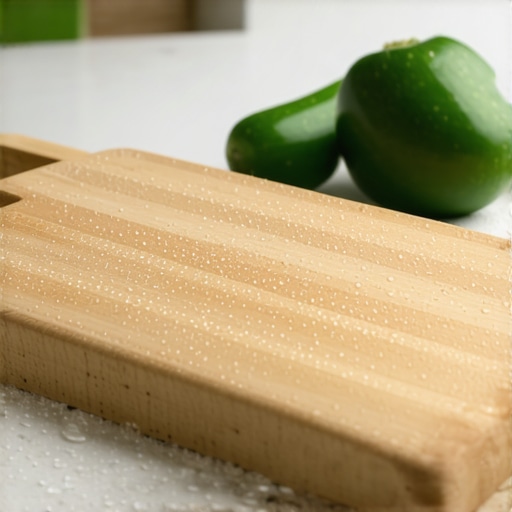
Ever had that sinking feeling when you realize your cutting board still smells like yesterday’s chicken after what seemed like a thorough scrub? I used to think a quick rinse and splash of soap was enough. But one uneasy moment—cutting into a fresh veggie only to catch a faint, off-putting odor—prompted a lightbulb moment. That little smell signaled more than just cleanliness; it pointed to hidden bacteria lurking deep within the surface. Turns out, a sanitized cutting board isn’t just about appearance. It’s a crucial step in safeguarding my family’s health, and honestly, I was neglecting the real dirt.
The Truth About Cutting Board Cleanliness
We all want our kitchens to be safe sanctuaries. But many of us overlook the unseen germs that persistent odors can hide, risking cross-contamination every time we prepare meals. What baffled me early on was how easily bacteria like Salmonella and E. coli can survive on surfaces we assume are clean. According to the Effective Sanitizing Methods article, bacteria can hide in tiny crevices, making it seem clean but actually harboring pathogens.
So, if you’re like me—thinking that a quick wipe suffices—you might be underestimating the real challenge. I’ve made mistakes early on, like using the same sponge for the sink and chopping board, spreading bacteria instead of eliminating it. That habit actually compounded the issue, leading to more contamination and a false sense of security. Now, I’ve mastered a simple, effective routine that takes only five minutes but offers peace of mind every time I prepare food.
And, trust me, once you get the hang of this trick, you’ll wonder how you ever went without it. Ready to transform your kitchen safety habits? Let’s get started with the foolproof method I swear by—because nothing beats a truly sanitized surface in your home.
Start With Hot Water and Soap
Begin by rinsing your cutting board with hot water to loosen any remaining food particles. Then, apply a generous amount of dish soap and scrub thoroughly with a sponge or brush, focusing on all surfaces and any crevices. I recall once tackling a stubborn chicken marinade that had seeped into a bamboo board; a vigorous scrub with hot water and soap finally lifted the odor. This initial step is crucial because it removes surface grime, setting the stage for effective sanitizing.
Use a Sanitizing Solution
Next, disinfect the board with a homemade or commercial sanitizer. A common natural solution is a mixture of one part white vinegar to three parts water. Alternatively, use a diluted bleach solution—one tablespoon of bleach in a gallon of water—for heavier contamination. For example, I once sanitized my plastic cutting board after handling raw poultry, soaking it in a bleach solution for five minutes, which eradicated lingering bacteria. This step kills bacteria hiding in tiny cracks and pores that regular washing might miss.
Apply a Rinse and Dry Thoroughly
After sanitizing, rinse the board thoroughly with hot water to remove any residual sanitizer, especially if you used bleach. Then, dry it immediately with a clean towel or air dry. I prefer air drying because it prevents moisture from being trapped, which can promote bacteria growth. Ensure the board is completely dry before storing it in a well-ventilated area—moist environments foster microbial growth and odors. Remember, a moisture-rich spot is the perfect breeding ground for bacteria that can cause cross-contamination in your kitchen.
Maintain Regular Deep Cleanings
To keep your cutting board in prime condition, incorporate deep cleaning into your routine once a week. Emphasize scrubbing, disinfecting, and drying as part of this routine. Upgrading your cleaning habits can be as simple as following a thorough sanitizing hack that ensures every surface is germ-free. I once neglected this step and noticed an off smell that persisted despite regular washing, forcing me to re-evaluate my cleaning schedule. Consistency prevents bacteria buildup and keeps odors at bay.
Use Proper Tools for the Job
Avoid reusing sponges or scrub brushes without sanitizing them first—they can harbor bacteria worse than the board itself. Instead, opt for a separate brush dedicated solely for cleaning and sanitizing. Be sure to replace cleaning tools regularly. When I switched to a stiff-bristled brush dedicated for disinfecting, I saw a significant decline in residual odors and bacteria, making my kitchen safer.
Sterilize After Handling Raw Meat or Poultry
Whenever you’ve been working with raw protein, especially chicken or beef, perform an extra step. Disinfect your cutting board immediately afterward, as these meats carry more bacteria. An effective method is pouring a mixture of vinegar and water or using a commercial disinfectant, then rinsing thoroughly. This prevents cross-contamination, which is vital during meal prep. Remember, bacteria like Salmonella can lurk undetected, so extra caution is worth the effort.
Mind Your Cutting Boards’ Material
Different surfaces require different care. Wooden boards, for example, are naturally antimicrobial but can develop deep cracks if not maintained properly. Plastic boards are easier to sanitize but may develop grooves that trap bacteria. Regularly inspect your boards for deep cuts or cracks and replace them as needed. I learned this the hard way when I ignored a heavily scratched plastic board and ended up dealing with persistent odors despite rigorous cleaning—it’s often better to replace than keep compromised surfaces.Many homeowners fall into the trap of believing that a quick spray or superficial wipe is enough to truly sanitize their homes. In reality, this misconception can leave behind hidden bacteria and germs, especially on upholstery and in hard-to-reach corners. For example, a popular myth is that bleach solutions alone can fully disinfect all surfaces; however, recent studies, like those discussed in sanitizing research, show that proper contact time and thorough cleaning are crucial for effective sterilization.
Another common mistake is neglecting the importance of regular deep cleans, especially in areas like upholstery, where dirt and allergens can embed deeply over time. Many think that carpeting and furniture fabrics only need spot treatments, but without a scheduled comprehensive cleaning, particles can accumulate and impact air quality. An often-overlooked aspect is the misconception that move-out cleaning requires only surface wiping; in fact, detailed strategies outlined in move-out cleaning checklists emphasize the significance of addressing hidden spots behind appliances and under furniture.
So, why do these myths persist? Part of the issue lies in underestimating the resilience of bacteria and the complexity of effective sanitation processes. For instance, many people assume that using a damp cloth with soap is sufficient, but as outlined in expert insights, combining mechanical scrubbing with chemical disinfectants and proper drying is essential to eliminate pathogens.
Beware of the ‘quick fix’ mentality, especially when cleaning upholstery or performing move-out cleans. Overlooking the nuances—like selecting the right cleaning agents or understanding the material sensitivities—can unintentionally damage fabrics or leave harmful residues. For example, applying harsh chemicals to delicate upholstery may cause discoloration or deterioration, as detailed in upholstery care tips.
Now, an advanced question for seasoned cleaners: How does dwell time of disinfectants influence their efficacy on porous materials? According to clinical studies summarized in disinfection efficacy reports, allowing disinfectants to sit for the recommended period significantly enhances their ability to penetrate porous surfaces like fabric fibers, ensuring a deeper, more lasting sterilization. This nuance is often missed in routine cleaning but is critical to prevent cross-contamination.
In summary, debunking these myths underscores the importance of understanding the complex science behind proper sanitization and deep cleaning. Rushing through superficial tasks or relying on common shortcuts can compromise your home’s hygiene and safety. Instead, adopting scientifically-backed methods and paying attention to material-specific guidelines will give you peace of mind and a truly clean, healthy environment.
Have you ever fallen into this trap? Let me know in the comments.When it comes to keeping your home spotless and sanitized, having the right tools and a solid maintenance routine makes all the difference. Personally, I rely on high-quality equipment that I can count on for consistent results and longevity. For example, I swear by a professional-grade steam cleaner like the Vapor Elite Pro. Its ability to sanitize surfaces without chemicals is invaluable, especially for upholstery and bathroom tiles. Unlike cheaper models that leave moisture behind or fail to reach high corners, the Vapor Elite Pro uses pressurized steam to eliminate 99.9% of germs, making routine cleaning more effective and less time-consuming.
Another essential is a cordless, HEPA-filter vacuum such as the Dyson V12 Detect. I use this to tackle dust and allergens daily without the hassle of cords or bags. Its intelligent detection system identifies microscopic particles, ensuring I don’t miss hidden dirt, which is particularly crucial for move-out cleans or maintaining allergen-free bedrooms. The durability and ease of use allow me to reach tight spots like behind radiators and under furniture, ensuring thorough cleanliness that lasts.
For quicker maintaining of surfaces, I opt for a microfiber cloth like the Norwex EnviroCloth. Its fibers are electrostatically charged to trap dust and bacteria effectively, reducing reliance on chemical disinfectants. I incorporate this into my daily routine, especially on kitchen counters and bathroom fixtures, for an immediate visual and tactile cue of a cleaner space.
Implementing a regular schedule with these tools dramatically improves long-term results. I find that investing in quality equipment not only saves money over time by preventing the need for costly replacements but also boosts confidence in your home’s hygiene standards. As we move towards smarter cleaning, the trend is leaning increasingly toward eco-friendly, chemical-free options—tools that leverage technology and natural cleaning principles.
How do I maintain my cleaning arsenal over time?
Routine maintenance of your tools is just as important as their quality. Regularly inspecting vacuum filters and replacing them every 6-12 months ensures optimal airflow and suction power. Deep-clean steam cleaner attachments after each use to prevent bacteria build-up. Keep microfiber cloths clean and dry; washing them with hot water and natural detergents prolongs their effectiveness. Investing in a dedicated tool storage system, like a wheeled cart, keeps everything organized and ready for quick cleaning spurts or deep cleans without hunting through clutter.
Looking ahead, I believe home cleaning tools will become even smarter—integrating IoT features for real-time monitoring of air quality and surface hygiene. Imagine a vacuum that automatically alerts you when its filter needs replacing or when your upholstery needs a deep clean based on usage patterns. This evolution will make long-term maintenance less burdensome and more proactive.
For those committed to elevating their cleaning game, I recommend trying out an advanced steam cleaner like the Vapor Elite Pro for your upholstery and deep sanitation needs. Its efficiency and health benefits are a game changer, especially for households with children or allergies. Want a tip on prolonging your tools’ lifespan? Regularly sterilize microfiber cloths using a vinegar rinse—it’s a simple, natural way to keep them fresh and bacteria-free. Curious about more professional techniques? Check out detailed strategies at this resource.
Lessons Learned from My Surprising Cleaning Revelations
One of the biggest lightbulb moments I had was realizing that germs can hide deep within crevices and porous materials, making superficial cleaning ineffective. I used to believe that quick wipes and sprays kept my home safe, but after persistent odors and recurring stains, I discovered the importance of thorough disinfecting routines. Another lesson was understanding that not all cleaning tools are created equal; investing in quality equipment like a steam cleaner or HEPA vacuum transformed my approach, ensuring deeper sanitation. Finally, I learned that patience and attention to detail—such as allowing disinfectants to dwell—are crucial in truly eliminating bacteria and mold, especially in upholstery and hard-to-reach spots.