
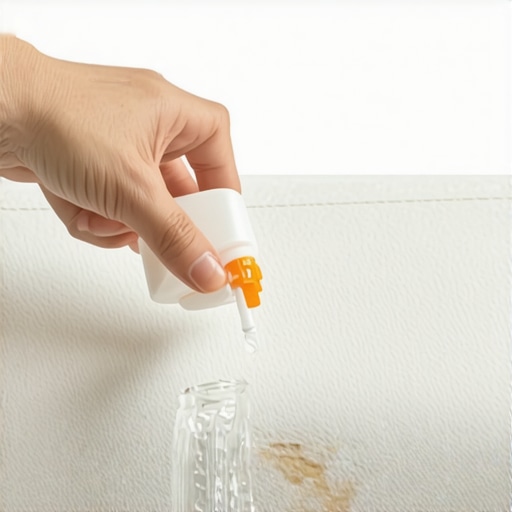
I remember the moment quite vividly: I was hosting a cozy dinner at my place when my friend accidentally knocked over a greasy spoon of spaghetti sauce onto my favorite beige couch. Panic set in as I saw the stubborn stain slowly seep into the fabric. No amount of scrubbing seemed to work, and I was about to accept that my once-pristine upholstery was permanently ruined. Have you ever faced a similar situation, where a simple spill threatens your home’s comfort and beauty? That’s when I had a lightbulb moment—discovering an unexpectedly effective trick involving regular dish soap that changed everything.
Why a Simple Dish Soap Can Be Your Best Friend in Spot-Cleaning
I’ve tested a variety of stain removers, tried fancy products, and even called in professional cleaners, but nothing beats the surprisingly humble household dish soap. It’s affordable, readily available, and surprisingly gentle on fabrics—yet tough on grease.* Studies show that dish soap’s effectiveness comes from its ability to break down oils and fats, which are often the culprit behind stubborn stains.*1 So, why not leverage this common household item for upholstery crises? Today, I’ll walk you through how I’ve mastered this trick, saving me from costly professional cleaning and making my furniture look brand new again.
Is the Dish Soap Trick Really Worth the Hype?
Early in my experiments, I made the mistake of using too much dish soap, which left my fabric feeling sticky and slightly greasy—definitely not an upgrade. The key is to use just a small amount diluted properly with water. Overapplying can do more harm than good. Trust me, I learned the hard way—reading this quick guide to effective upholstery care can help you avoid my rookie mistakes. If you’re interested in keeping your furniture fresh and spotless, you might want to check out my comprehensive guide on ultimate upholstery care for long-lasting beauty and cleanliness. So, are you ready to discover how a simple dish soap solution can save your sofa? Let’s dive into the step-by-step process.
Prepare Your Cleaning Solution for Spot Removal
Start by diluting a small amount of dish soap — about one teaspoon — into a cup of warm water. Use a clean sponge or soft cloth to gently mix the solution. Think of it as creating a gentle but effective cleaning brew, like a chef preparing a delicate sauce. When I faced a stubborn spaghetti sauce stain on my beige couch, I made this mixture, which is your first step to success.
Test in a Hidden Area Before the Big Clean
Before applying the solution directly to your upholstery, test it on an inconspicuous spot—like under a cushion or behind a vent. This prevents any unexpected fabric discoloration. During my attempt, I discovered my fabric was sensitive to excessive moisture, so this test saved me from a larger mishap. Once confirmed, proceed confidently.
Gentle Blotting Is Key
Dab the cleaned cloth into the dish soap mixture, then gently press it onto the stain. Avoid rubbing, which can spread the stain or embed it further. For my sofa, I started from the outside of the stain and worked inward, much like carefully coloring within the lines. This controlled approach prevents staining from spreading and helps lift the grease effectively.
Use a Second Clean Cloth to Rinse
After the stain begins to lighten, dampen a new cloth with plain water and gently blot the area to remove any soapy residue. This rinse step is crucial — think of it as rinsing a paintbrush between colors. I remember wiping gently, trying to avoid oversaturating the fabric, which can cause watermarks.
Dry Thoroughly to Prevent Water Marks
Pat the cleaned area dry with a dry towel or absorbent cloth. Ventilate the area by turning on a fan or opening windows, helping the fabric dry quickly. Holding a hairdryer on a low setting at a distance can also speed up drying—just be cautious to avoid overheating. I learned that thorough drying is essential to prevent new stains or water rings from forming.
Repeat if Necessary for Tougher Stains
If the stain persists, repeat the blotting process. For particularly stubborn grease spots, consider letting the soapy solution sit briefly before blotting again. Remember, patience and gentle effort are your allies here. I once had to repeat this process twice on a stubborn pasta stain, but persistence paid off, leaving my sofa looking fresh again.
Additional Tips for Long-Term Upholstery Care
Regularly vacuum and rotate cushions to prevent dirt buildup. For deeper cleaning, consider professional upholstery treatments or check out my recommendation on upholstery care strategies to keep your furniture in top shape.
Many homeowners operate under assumptions about upholstery care and house cleaning that can do more harm than good. One widespread myth is that aggressive scrubbing always yields better results. In reality, vigorous scrubbing can damage delicate fabrics or embed dirt further into fibers. Gentle blotting and proper cleaning techniques, as outlined in the ultimate upholstery care guide, are often more effective and preserve your furniture’s longevity.
Another common error involves using too much cleaning product, believing it will enhance cleanliness. Overapplication can leave residues that attract more dirt and cause fabric stiffening. Diluting cleaners correctly and following manufacturer instructions is crucial—this nuanced approach can save you money and extend the lifespan of your furnishings.
A lesser-known nuance relates to unrecognized tags on upholstery fabrics. Many overlook the importance of checking care labels, risking irreversible damage by applying incompatible cleaning methods. For instance, some fabrics are sensitive to moisture or certain chemicals, leading to discoloration or texture changes. Always perform a patch test on a hidden area before proceeding with full cleaning.
Have you ever fallen into this trap? Let me know in the comments.
Now, let’s examine an advanced question that many seasoned cleaners consider: How can you effectively sanitize high-touch fabric surfaces without compromising their integrity?
**What Are the Best Sanitizing Techniques for Upholstery Without Damage?**
This is a critical concern, especially in the current climate where sanitation is paramount. Experts recommend using isopropyl alcohol solutions at 70% concentration, as they are effective against a broad spectrum of pathogens while being gentle on most fabrics when applied correctly. It’s essential to spray lightly and avoid oversaturating the fabric, which can cause shrinkage or discoloration. Additionally, using microfiber cloths that are specifically designed to trap germs can enhance the sanitization process. For a comprehensive look at safe sanitizing methods tailored to various materials, refer to the effective sanitizing strategies.
Avoid the mistake of relying solely on steam cleaning at high temperatures, which, while effective for hard surfaces, can sometimes damage soft fabrics or cause subtle fiber misshaping, especially if not supervised carefully. Combining chemical sanitizers with physical cleaning methods offers an optimal approach, ensuring safety without sacrificing fabric integrity.
In sum, recognizing these nuanced differences and avoiding oversimplified cleaning myths can significantly improve your upholstery maintenance and overall home hygiene. Good knowledge now ensures better results and preserves your furniture for years to come. Ready to level up your cleaning game? Implement these advanced tips, and your house will thank you! And remember, detailed guides and expert insights are just a click away to help you stay informed.
Keeping your home spotless and furniture well-maintained requires more than just elbow grease; it hinges on using the right tools and adopting effective methods. Over the years, I’ve refined my toolkit to include some game-changing equipment that makes cleaning not only easier but profoundly more effective. Let me walk you through the must-have tools I recommend for long-term upholstery care, deep house cleaning, and preparing for move-outs, all while ensuring your home stays sanitized and fresh.
High-Performance Vacuum Cleaners with HEPA Filters
My first essential is a reliable vacuum with a HEPA filtration system. Not all vacuums are created equal—I’ve chosen models like the Dyson V11 Torque Drive because of its powerful suction, adjustable settings for delicate fabrics, and superior filtration that traps allergens and dust mites. Regular vacuuming prevents dirt buildup that can embed into upholstery fibers, reducing the need for more invasive deep cleans. For long-term upkeep, I recommend vacuuming high-traffic areas weekly and cushions daily, which significantly prolongs the life of your furniture.
Portable Steam Cleaners for Sanitizing
While vacuum cleaners remove surface dust, steam cleaners take sanitation a step further without chemicals. My go-to is the Bissell ProHeat 2X Revolution because of its versatility—it’s perfect for deep cleaning upholstery, carpets, and hard surfaces. The high-temperature steam effectively kills bacteria and germs, aligning with future sanitization trends that emphasize eco-friendly, chemical-free products. Using steam periodically not only refreshes fabrics but also ensures a healthier home environment.
Specialized Upholstery Detailing Tools
For delicate fabrics, I swear by a combination of gentle toothbrushes and fabric-safe brushes designed to loosen dirt in tight seams and textured surfaces. These tools are crucial for reaching places that mainstream vacuums miss, especially in creases and along edges. Personally, I keep a set from contact us for detailed, professional-grade cleaning that maintains the integrity of delicate upholstery.
Microfiber Cloths and Cleaning Solutions
Quality microfiber cloths are indispensable—they trap dust and can be used with multiple cleaning solutions. I prefer using them with diluted dish soap for spot-cleaning and with sanitizing sprays for high-touch surfaces. The combination of effective tools and proper cleaning solutions means less effort and better results, especially over the long haul. Remember to wash microfiber cloths regularly to maintain their effectiveness and prevent redepositing dirt.
Anti-Static и Anti-Mite Sprays for Longevity
Protect your upholstery from pests and static buildup with sprays formulated to repel dust mites and static electricity. My choice is an organic spray that’s safe for pets and children, contributing to healthier, easier-maintained furniture. Consistent application extends time between professional cleanings and keeps fabrics looking fresh.
Predicting Cleaning Trends and Staying Prepared
The future of upholstery and home cleaning is moving toward smarter, automated solutions—think robotic vacuums integrated with AI-powered sensors and app control. Incorporating these tools now prepares you for seamless maintenance and scaling your cleaning regimen as your home grows. As technology advances, the combination of traditional manual tools with smart devices will become the gold standard for effortless upkeep.
How do I keep my cleaning tools effective over time?
Regular maintenance is key. For example, cleaning your vacuum filters every 1-3 months ensures optimal suction. Steam cleaners should be descaled periodically—most models hint when descaling is needed. Microfiber cloths must be washed after each use at high temperatures to eliminate bacteria and regain their absorbent properties. I also suggest checking manufacturer recommendations for maintenance routines to extend the lifespan of your equipment.
Incorporating these specific tools and routine practices into your cleaning schedule makes a tangible difference in maintaining your home’s aesthetics and hygiene. For comprehensive strategies to keep everything in top shape, I encourage you to explore my ultimate upholstery care guide. Don’t wait for dirt and grime to take over—equip yourself now and enjoy the long-term benefits of effective maintenance.
Remember, investing in quality tools today can save you time, money, and frustration tomorrow. As cleaning technology continues evolving, staying ahead with the right equipment ensures your home remains a sanctuary of cleanliness and comfort.
Unearthing Hidden Lessons Behind My CleanHouse Journey
One of the biggest realizations I had was that patience often beats brute force—rushing through a stain removal or cleaning a sofa can cause more harm than good. It took me multiple attempts to understand that gentle blotting with diluted solutions yields superior and lasting results. Another insight was that small, regular maintenance—like vacuuming high-traffic areas weekly—prevents stubborn buildup, saving me time and money in the long run. Lastly, I discovered that the myth of needing powerful chemicals for tough stains is just that—a myth. Using common household items paired with proper technique can be just as effective without risking damage or health hazards.
Curated Tools and Resources That Truly Make a Difference
My reliable toolkit includes a high-quality vacuum with HEPA filters, which ensures allergens and dust mites stay at bay and prolongs furniture life. I swear by steam cleaners like the Bissell ProHeat 2X for deep sanitizing without harsh chemicals, especially considering the growing trend toward eco-friendly cleaning methods. For targeted upholstery detailing, gentle fabric brushes and microfiber cloths are indispensable—they help reach those tricky corners and textured surfaces. When it comes to learning more, my go-to resource is the Ultimate Upholstery Care Guide. It consolidates expert advice and step-by-step processes into an easy-to-follow format, saving me countless headaches and ensuring my furniture stays pristine for years to come.
Chasing Dreams and Making Cleanliness Your New Norm
Your home reflects not just your environment but also your care and personality. Embracing these cleaning secrets and investing in the right tools transforms house upkeep from a mundane chore into a rewarding ritual. Start small, stay consistent, and don’t be afraid to experiment with household items—you might be surprised how effective they are. Remember, a clean home empowers your entire life, creating space for comfort, joy, and peace of mind. Are you ready to elevate your upholstery and house cleaning techniques and make your space truly shine? Let’s turn these insights into everyday habits that last.