

It was late at night, and I was frantically scrubbing the stubborn grime off the bathroom tiles, realizing with a sinking feeling that I might still lose my security deposit despite all my efforts. Ever been there? That moment when you’ve cleaned, sanitized, and scrubbed every inch of your apartment, yet you still worry if it’ll be enough? I know I have, and let me tell you—after many failed attempts and a few costly mistakes, I discovered a reliable method that changed my move-out game.
Why Your Move-Out Cleaning Can Make or Break Your Deposit
Moving is stressful enough without the added pressure of ensuring you get your full security deposit back. Landlords and property managers are often more meticulous than we think, looking for even the tiniest sign of neglect or dirt. A thorough, strategic cleaning not only boosts your chances but also saves you from unpleasant surprises—like deductions for damages you didn’t cause or overlooked messes. The key is knowing exactly what to focus on, and that’s where a detailed move-out clean checklist becomes your best friend.
But here’s the truth—many people, myself included, make simple mistakes during this critical phase. I used to think that just wiping down surfaces and sweeping was enough. Turns out, I was leaving behind hidden dirt and germs, which could easily lead to a less-than-stellar inspection. Studies show that thorough sanitizing can significantly reduce bacteria levels and potential conflicts at move-out—something you can read more about in the [effective sanitizing methods](https://spotlesscarpetz.com/effective-sanitizing-methods-for-a-germ-free-home).
If you’ve ever wondered, “Will my cleaning really matter?” or felt overwhelmed at the thought of tackling every corner, you’re not alone. The good news is, with a clear plan and the right techniques, you can confidently ensure your space is spotless, safe, and ready for an inspection.
In the next sections, I’ll walk you through practical cleaning strategies, tips from experts, and how to avoid common pitfalls—so you won’t leave your deposit to chance. Ready to turn that daunting task into a manageable routine? Let’s get started.
Start with a Clear Plan and Declutter
Before you grab the mop, walk through your apartment and identify areas that need special attention. Think of it like a treasure map—highlight spots with stains, buildup, or clutter. Remove all personal belongings, and declutter surfaces to simplify your cleaning process. I once tackled a cluttered living room where clothes and dishes were everywhere—I found that decluttering first made the actual cleaning much faster and more effective.
Prioritize Sanitizing High-Touch Surfaces
Focus on door handles, light switches, and remote controls. These are like the germ hubs of your home—touch points for everyone. For an even safer result, follow the effective sanitizing methods that guarantee a germ-free environment. Use disinfectant wipes or sprays, ensuring you don’t just move dirt around but actually kill bacteria.
Deep Clean the Kitchen and Bathroom
The kitchen and bathroom are notorious hotspots. In the kitchen, clean appliances, countertops, and cabinets thoroughly. When cleaning your oven, use the 4-step oven cleaning method to remove grease without toxic fumes. For bathroom fixtures, scrub grout lines with a mixture of baking soda and vinegar—think of it as giving your tiles a fresh new face. I once spent hours scrubbing a stubborn grout line, but knowing the right technique saved me from replacing tiles entirely.
Freshen Up Upholstery and Soft Surfaces
Upholstery can hold dust, pet hair, and stains. Treat it like grooming your pet—gentle but effective. Use upholstery cleaning tips that involve vacuuming first, then spot-cleaning stains with the right solutions. For fabrics prone to staining, like velvet or suede, test a small area first. When I cleaned my velvet cushions, I used a delicate brush and mild cleaner, avoiding water damage and preserving the luxurious feel.
Clean Baseboards and Hidden Corners
Baseboards are like the home’s sneakers—often overlooked but accumulate dust and grime. Use a damp microfiber cloth or a specialized tool to reach behind radiators or furniture. I use a baseboard cleaning trick that involves a long-handled duster, which saves my back and cleans efficiently.
Inspect and Polish Fixtures for Final Touches
Last step, check all fixtures—fixtures like faucets, cabinet handles, and light fixtures. Polish metal surfaces with a microfiber cloth to remove fingerprints and water spots. This not only adds shine but also prevents tarnishing. An extra step I take is polishing chrome with a bit of mineral oil—gives it a nice lustrous glow and repels dust.
Seal the Deal: Final Walk-Through
After cleaning, do a final walk-through, pretending you’re the landlord. Look for missed spots, lingering odors, or streaks. Use your nose—smells are often indicative of overlooked grime. If needed, lightly spray a freshening mist or an odor-neutralizer. This is my secret weapon—making the space smell inviting, which impresses even the pickiest inspectors.
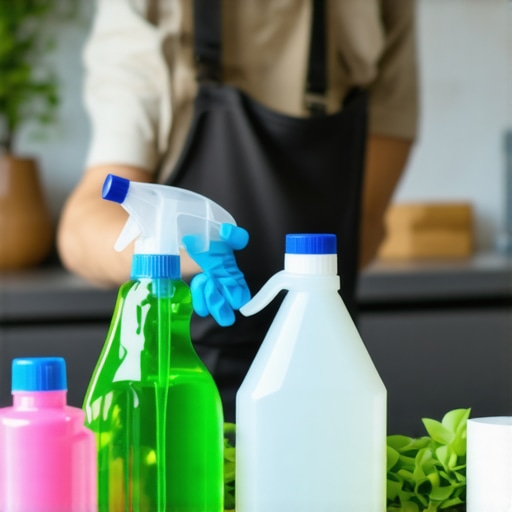 When it comes to cleaning, sanitizing, or preparing for a move-out inspection, many homeowners operate under myths that can severely undermine their efforts. Let’s dig deeper into some of these hidden nuances and advanced mistakes that even experienced cleaners often overlook.
One widespread misconception is that a quick wipe-down suffices for sanitization. The truth is, surface cleaning alone isn’t enough to eradicate bacteria and viruses lurking in hard-to-reach spots. For thorough sanitizing, following expert-recommended methods, such as detailed strategies discussed in effective sanitizing techniques, is crucial. Relying solely on surface wiping can create a false sense of security, especially when bacteria settle into grout lines, vents, or soft fabrics.
Another common error centers around upholstery cleaning. Many believe that vacuuming alone is sufficient, but neglect deeper treatments that remove embedded dust, pet dander, and pollen, which can exacerbate allergies. Using appropriate methods—such as gentle spot cleaning and avoiding water damage—can preserve fabric integrity. For insights, explore upholstery cleaning tips designed for lasting freshness.
Advanced cleaners also often make the mistake of neglecting hidden corners or overlooked spots like behind appliances or internal vent covers. These areas harbor grime and bacteria that can ruin your move-out inspection. Regularly inspecting and cleaning these areas is vital, and a simple deep clean can prevent unpleasant surprises. To streamline this process, consider using specialized tools like long-handled dusters, as shown in baseboard cleaning techniques.
A crucial nuance in move-out cleaning is the importance of correct sequencing. Many focus on superficial tasks first but forget to clean high-traffic, high-touch areas—or they do it after cleaning the floors, which can recontaminate surfaces. Prioritizing sanitization of key contact points—door handles, switches, and appliances—before detailed cleaning ensures maximum effectiveness and a higher chance of securing your deposit.
What about misconceptions related to cleaning chemicals? Some believe that harsher, stronger chemicals yield better results. In reality, overusing potent cleaners can damage surfaces—like using abrasive sponges on delicate fixtures—and may leave residues that are hard to rinse. Understanding the proper use of cleaning agents, such as using vinegar and baking soda in specific applications, can achieve optimal results without damage. To delve into safe and effective methods, check out house cleaning secrets.
Finally, many underestimate the value of a final walkthrough, considering it optional. This step is critical—it’s the opportunity to catch missed spots or lingering odors. A thorough inspection, preferably with a fresh nose or some odor-neutralizing spray, often makes the difference between receiving your full deposit or facing deductions. Remember, paying attention to nuance can turn a good cleaning into a great one.
Have you ever fallen into this trap? Let me know in the comments. Addressing these misconceptions and mastering advanced techniques can transform your cleaning routine from basic to expert, ensuring your efforts pay off when it counts the most.
Invest in Reliable Equipment for Consistent Results
Using quality tools is fundamental to maintaining a clean and sanitized home over the long term. I personally swear by my commercial-grade steam cleaner, which not only deep cleans carpets and upholstery but also kills bacteria without harsh chemicals. This device saves me from repeated washing and extends the lifespan of my fabrics. For floors, I prefer an adjustable microfiber mop that ensures even coverage and minimal streaks, making weekly maintenance faster and more effective.
Choose the Right Products for Durable Cleanliness
Over the years, I’ve found that investing in eco-friendly disinfectants with proven germicidal properties, like those discussed in effective sanitizing methods, pays off. Chemical level matters; select products certified by health authorities to guarantee safety and efficacy. Combining such cleaners with microfiber cloths or soft-bristled brushes allows for thorough, long-lasting sanitation, especially on high-touch surfaces and soft furnishings.
Implement Maintenance Routines to Sustain Freshness
I schedule weekly deep cleans for upholstery and kitchen appliances, which keeps mold and grime at bay. Regularly maintaining appliances with manufacturer-recommended tools, like a vacuum hose attachment for vents or specialized grout brushes, prevents buildup and extends appliance life. For example, I use a steam wand attachment to sanitize grout lines—this method is highly effective and aligns with expert advice on ultimate upholstery maintenance.
How do I keep my cleaning tools in top shape?
Proper care of your equipment is crucial. Rinse and dry microfiber cloths after use to prevent bacteria growth. Replace scrub brushes once bristles show signs of wear, and descale steam cleaners regularly based on manufacturer instructions. Consistently maintaining your tools ensures they work optimally, reducing cleaning time and avoiding recontamination—saving you effort and money over time.
Predicting the Future of Cleaning Tools
Advances in smart cleaning technology are pointing toward robotic vacuums with self-maintenance features and app-controlled steam cleaners that monitor water levels and filter status. These innovations promise to make home upkeep even more effortless. In the meantime, choosing durable, high-quality tools now can empower you to keep your home impeccably clean and healthy for years to come.
What’s the best way to preserve your cleaning equipment’s effectiveness?
Try deeply rinsing microfiber cloths with hot water and a small amount of eco-friendly detergent, then air-drying in sunlight occasionally—this routine eliminates bacteria and maintains their absorbency. For a comprehensive approach, explore detailed methods at effective sanitizing methods. Making this a habit will ensure your tools serve you well in your ongoing cleaning journeys. Ready to give your tools a boost? Start by deep cleaning your microfiber cloths today and notice the difference in performance!
Lessons That Changed My Approach to House Cleaning and Sanitizing
- One of the biggest realizations I had was that quick surface wipes are never enough; true sanitization demands attention to cracks, grout, and hidden corners. I once thought my bathroom was spotless until I realized the grout lines still harbored bacteria, leading me to adopt a more thorough cleaning routine.
- I used to overlook furniture upholstery, believing vacuuming was sufficient. However, deep cleaning with appropriate solutions not only improves air quality but also prevents allergens from lingering, especially in soft furnishings like velvet cushions, which require gentle treatment.
- Hidden areas like behind appliances and vents are often neglected but can be prime spots for grime and mold. Incorporating regular inspections of these spots has dramatically improved my move-out success rate and reduced deposit deductions.
- I underestimated the importance of a meticulous final walk-through. A fresh nose and keen eye catch missed spots or odors, ensuring every inch is move-in ready and impresses inspectors the first time.
Tools and Resources That Elevate My Cleaning Game
- Commercial-grade steam cleaner: Its ability to deep clean and sanitize without chemicals makes it my go-to for upholstery and carpets. I trust its durability and safety. Discover more effective sanitizing methods at this resource.
- Microfiber cloths: Their superior absorbency and reusability, with proper care, keep cleaning efficient and eco-friendly. Regularly rinsing and sun-drying them prevents bacteria buildup.
- Long-handled dusters: Reaching behind radiators or under furniture becomes effortless, saving my back and ensuring no corner gets ignored.
- Cleaning guides and checklists: Combining these ensures I don’t miss any critical step. I highly recommend reviewing move-out cleaning tips to stay on track.
Empower Your Cleaning Routine and Embrace Change
Transforming your move-out cleaning from a daunting chore into a confident routine is within your reach. Embrace these insider insights, invest in quality tools, and develop a disciplined routine. Before you know it, your apartment will shine brighter than ever, and you’ll secure your deposit with peace of mind. Why wait? Start today — your future, spotless self will thank you. Need some guidance on where to begin? Visit our contact page and let’s discuss your cleaning goals.