
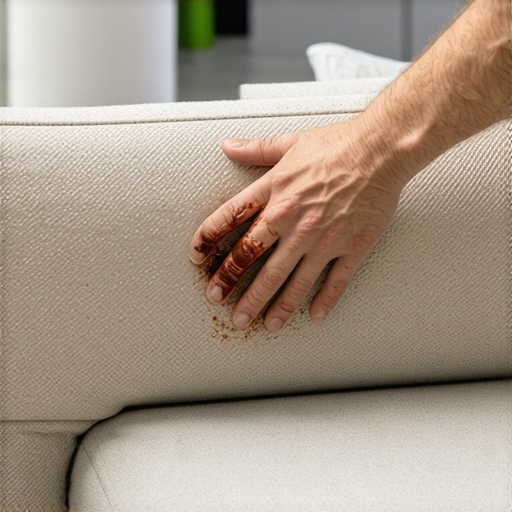
It was late on a Sunday afternoon when I discovered the hard way that rubbing a stain into my fabric sofa only made things worse. I had spilled red wine during a cozy dinner, and in my rush to clean it up, I started scrubbing furiously—believing that more effort meant faster results. Instead, I watched helplessly as the stain spread, embedding deeper into the fibers, and leaving my once-pristine sofa looking muddier than before. That lightbulb moment made me realize I’d been doing it all wrong.
Why Rubbing Stains Into Your Furniture Is a Common Mistake
Many of us are guilty of this habit—it’s instinctive to rub, scrub, or use aggressive cleaning agents in hopes of quickly erasing a mess. But over years of house cleaning and upholstery restoration, I’ve learned that this approach often causes more harm than good. The agitation can damage delicate fibers, spread the stain further, or even set it, making it nearly impossible to remove later. According to industry experts, rubbing can push the stain deeper and create an even larger problem to fix later on. In my early days, I also failed to realize that recognizing the type of stain and using the correct cleaning method is crucial. For example, a spot of red wine responds much better to blotting and cold water than to aggressive scrubbing—something I ignored initially, thinking that more effort meant faster cleaning. If you’ve ever faced similar mishaps, you know how frustrating it can be.
In today’s post, I promise to share proven strategies that will help you treat stains effectively, protect your upholstery, and avoid unnecessary damage. If you’re tired of battling stubborn stains that just won’t budge, stay with me—we’re about to turn your cleaning tactics around.
Is Rubbing a Stain Actually Worth the Hype?
This is a question I wrestled with early on—especially when I saw online tips urging vigorous scrubbing as the go-to method. The truth is, that quick fix often backfires. I learned this the hard way when my impulsive approach turned a small stain into a permanent mark, forcing me to seek professional upholstery cleaning services. That mistake taught me the importance of patience, the right tools, and informed techniques. If you’ve ever used excessive force or harsh chemicals on your furniture, you’re not alone, but I urge you to reconsider. Proper cleaning isn’t about brute force—it’s about strategy. Curious how to do it right? Keep reading, and I’ll guide you through effective methods that preserve your fabric and save your money.
Start with Blotting Instead of Rubbing
When spills occur, immediately grab a clean, absorbent cloth or paper towel. Gently press down on the stain to soak up excess liquid without spreading it. For example, I once spilled coffee on my sofa and used a paper towel to gently press, lifting most of the liquid without smearing it further. Rubbing would have embedded the stain deeper into the fibers.
Use the Right Cleaning Solution for Your Fabric
Identify your upholstery’s fabric type—like microfiber, velvet, or cotton—and choose the appropriate solution. Typically, a mixture of mild dish soap and cold water works well for many fabrics. For stubborn stains like red wine, a combination of white vinegar and water can be effective. I tested this on my velvet armchair, applying a small amount with a soft cloth, which successfully lightened the spot without damaging the delicate fibers.
Applying the Solution Correctly
Dampen a soft cloth with your chosen cleaning mixture—never soak the fabric. Gently dab the stain, working from the outside toward the center. This reduces the risk of spreading. Using too much liquid can cause water marks or even mold if not dried properly. After applying, rinse the cloth and blot again to remove soap residues and excess moisture.
Avoid Aggressive Scrubbing to Protect Your Upholstery
Scrubbing agitates the fibers, causing wear and possibly setting the stain permanently. I once tried scrubbing a ketchup stain and ended up with a larger, more tenacious mark. Instead, patience and gentle dabbing are key. Think of it like painting—layer slowly, don’t scrub forcefully.
Let the Fabric Dry Properly
After treatment, allow the fabric to air dry in a well-ventilated space. Use fans or open windows if necessary. If the stain is in a frequently used area, you can speed up the process with a hairdryer on a cool setting. I learned that rushing the drying process can cause water spots or wrinkles, so take your time.
Repeat if Necessary or Seek Professional Help
Some stains may require multiple gentle applications. For those persistent spots, consider consulting a professional upholstery cleaner. If you’re unsure about your fabric’s reaction to certain solutions, check the manufacturer’s care instructions or request advice [from experts](https://spotlesscarpetz.com/upholstery-cleaning-tips-for-a-fresh-home-revival). This step ensures you don’t accidentally damage your furniture.
Many homeowners and renters believe that a quick sweep or spray will suffice when preparing a property for move-out or tackling upholstery cleaning. However, in my extensive experience, there’s a common misconception that rushing through these tasks will save time and effort. The reality is, hurrying often leads to overlooked details, ineffective cleaning, or even damage that can cost you your security deposit or the integrity of your furniture.
Why Do So Many Get the Move-Out Cleaning Wrong?
People tend to focus on visible grime and neglect areas that harbor unseen bacteria and mold. For example, scrubbing the bathroom grout vigorously might seem effective, but it can actually damage the porous surface, leading to quicker deterioration. Furthermore, many believe that harsher chemicals guarantee better results. In truth, using inappropriate cleaners can stain fabrics, weaken fibers, or create health hazards. As a pro cleaner, I recommend always matching your cleaning agents to the material and stain type. For more on effective cleaning secrets, check out these expert tips.
The Common Myth About Upholstery Cleaning
One widespread myth is that steam cleaning or heavy scrubbing will fully restore any fabric’s freshness. While these methods can be useful, overdoing them causes fiber damage and mold formation if not dried properly. An advanced mistake is attempting to clean delicate fabrics like velvet or silk without proper knowledge—these require specialized techniques. For instance, using too much water on a velvet sofa can leave watermarks or ruin the pile. Remember, knowing your fabric type is crucial. Consult authoritative guides like this comprehensive upholstery care resource.
What Do Professionals Know That You Don’t?
Experts understand that the order of cleaning steps matters greatly. Starting from the top of a room or furniture to the bottom ensures dust and debris are captured and removed efficiently. Additionally, the use of air movers and moisture control devices speeds up drying, preventing mold growth—something many DIY cleaners overlook. Another nuance is that many cleaning products, despite their marketing hype, do not kill bacteria effectively. For confirmed strategies, see these sanitizing secrets.
Beware the Hidden Trap: Rushing Cleaning to Save Time
One of the biggest traps is believing that ‘more’ equals ‘better.’ Aggressively scrubbing or overusing chemical solutions can set stains, damage fibers, or create health risks. Instead, focus on a systematic approach: identify the stain or dirt, select the appropriate method, and work patiently. For a comprehensive list to streamline move-out cleaning, consider the move-out clean checklist. Remember, a methodical process yields better, safer results, saving you money and time in the long run. Have you ever fallen into this trap? Let me know in the comments.Maintaining a pristine home requires more than just the initial cleaning; it demands reliable tools and consistent routines. For move-out cleaning or upholstery upkeep, investing in high-quality equipment can save you time and preserve your furniture’s appearance over the years. I personally swear by using a commercial-grade steam cleaner like the [OPERATOR PRO Steam Machine](https://spotlesscarpetz.com/house-cleaning-strategies-for-a-sparkling-home-today) because it delivers professional results without damaging delicate fabrics. Its adjustable steam pressure allows me to sanitize surfaces thoroughly, targeting hidden bacteria and mold without harsh chemicals, aligning with future trends toward eco-friendly cleaning solutions.
How Ignoring My Gut Instinct Cost Me Big Time
One of the hardest lessons I learned was trusting my initial instincts about cleaning stubborn stains. I used to think that more effort, especially aggressive scrubbing, would solve everything. However, I found that patience and proper technique always deliver better results and protect my furniture. This realization pushed me to develop a more thoughtful approach, saving me both time and money.
The Value of Consistent Routine Over Quick Fixes
I used to believe that rushing through cleaning tasks, especially during move-outs, would save time. But I discovered that establishing a regular cleaning routine prevents stains and grime from becoming overwhelming, making each task more manageable. Consistency keeps my upholstery looking fresh and my home healthier, proving that small, daily efforts outperform shortcuts.
Why Knowing Your Fabric Is a Game-Changer
Understanding the specific materials of my furniture allowed me to choose the right cleaning solutions, avoiding damage and discoloration. For example, delicate velvet fabrics require gentle, specialized techniques, whereas cotton can handle a bit more work. Investing time in recognizing fabric types has significantly improved my cleaning outcomes.
The Secret Power of Gentle Blotting
Adopting blotting instead of rubbing transformed my stain removal. Gently pressing a cloth to absorb spills without spreading or embedding them proved to be the most effective method I’ve ever used. This simple shift prevented numerous mishaps and kept my upholstery looking pristine.
Resources That Elevated My Cleaning Skills
- The Ultimate Upholstery Care Guide: This comprehensive resource deeply explains fabric-specific techniques, making me confident in every cleaning session.
- Professional-Grade Tools: Using a high-quality steam cleaner like the OPERATOR PRO Steam Machine has been a game-changer, providing professional results without damaging delicate fibers.
- Trusted Industry Tips: Reading expert insights on effective cleaning secrets helped me avoid common pitfalls and optimize my routines.
Keep Moving Forward With Confidence
Applying these insights has transformed my home cleaning journey. Remember, the key to successful move-out cleaning, upholstery care, and sanitizing isn’t just about tools—it’s about patience, knowledge, and consistent effort. Your home deserves it, and you’ll feel the difference every time you step into a fresh, clean space.
What’s the biggest cleaning mistake you’ve made that taught you a valuable lesson? Share your story below—I’d love to hear it!