
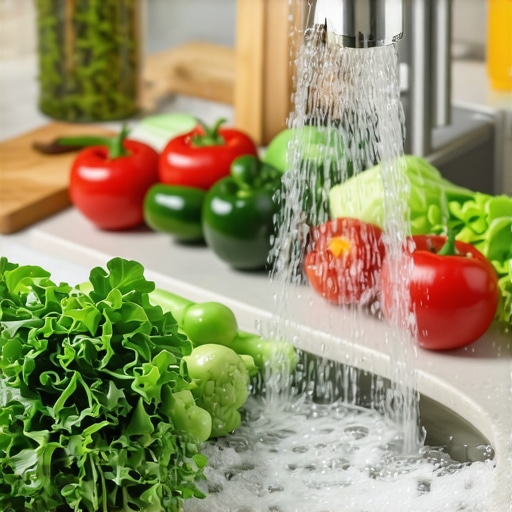
It happened again. I hurried through my grocery haul, grabbing bags from the car, and barely took a moment to breathe before unpacking everything onto my kitchen counter. Later that evening, I realized I practically tossed unwashed produce and packaged goods directly onto surfaces that might still harbor germs. That lightbulb moment hit hard: After a hectic week, my groceries might be one of the dirtiest culprits hiding invisible threats in plain sight.
Why Sanitizing Groceries Should Be Non-Negotiable
In today’s world, we’re more aware than ever of unseen dangers lurking on everyday items. Our groceries—especially the fresh produce, packaged snacks, and even reusable bags—can carry bacteria, viruses, and other contaminants if not properly sanitized. According to the CDC, surfaces and objects frequently touched or handled can transfer germs, contributing to illness transmission. While it might seem tedious, taking the time to sanitize your groceries can significantly reduce your family’s exposure to harmful pathogens.
Before I discovered effective methods, I made the rookie mistake of simply wiping down packaging with a damp cloth. Little did I know, many store-bought wipes lack the disinfecting power needed to kill germs completely. Trust me, I learned the hard way that this approach isn’t enough. Once, I overlooked the importance of proper sanitizer use, and my family ended up with mild stomach upset—a reminder that cutting corners isn’t worth it.
So, if you’re tired of feeling unsure every time you unpack groceries, I promise we’ll turn this chore into a straightforward routine. I’ll share practical tips that move beyond just washing with soap, ensuring your groceries are genuinely germ-free. After all, a clean house starts with what we bring into it.
Ready to take control and make grocery sanitizing simple again? Let’s dive into proven strategies that will keep your home safer and more confident in your everyday routines.
Set Up Your Sanitizing Station
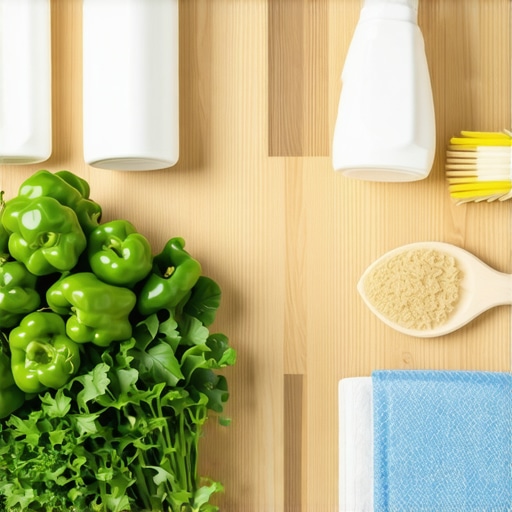
Start by gathering all your grocery items in one accessible spot. Use a clean surface, ideally your kitchen counter, and lay out your cleaning supplies: either a commercial disinfectant or a homemade solution like diluted bleach or vinegar. This setup is crucial, like preparing a workstation before a complicated repair, ensuring every step is efficient and contained.
Disinfect Non-porous Packaging and Items
For cardboard boxes, plastic containers, and sealed packages, spray or wipe them down thoroughly with your chosen disinfectant. Pay special attention to handles and edges where germs tend to gather. I once sprayed everything with an all-purpose cleaner, but I learned that using a disinfectant with proven efficacy, like EPA-registered solutions, makes a real difference. It’s like giving your groceries a protective armor.
Wash Fresh Produce Correctly
For fruits and vegetables, avoid soap or bleach—use cold water and a vegetable brush for firmer produce. Submerge leafy greens in a bowl of water, gently swish to loosen dirt and microbes, then rinse under running water. I remember one time skipping this step for convenience, only to find residue still clinging to my lettuce. Proper scrubbing is like detoxifying your body for good health.
Use a Vinegar Solution for Extra Assurance
If you want to boost your produce cleaning routine, soak fruits in a vinegar-water solution (1 part vinegar to 3 parts water) for 5 minutes. Rinse well afterward. This trick reduces bacterial presence significantly without toxic chemicals. Think of it as a deep cleansing shower for your food instead of just a quick rinse.
Sanitize Reusable Bags and Containers
Don’t forget your reusable shopping bags—wash fabric ones in hot water with detergent, or wipe down plastic bags with disinfectant. I learned this the hard way after grocery shopping, realizing my bags were potential germ carriers. For plastic containers, submerge in hot soapy water, scrub, rinse, and air dry. This process is like sterilizing your tools before a craft project: meticulous but necessary.
Hands-On Final Touches
After sanitizing your groceries, wash your hands thoroughly with soap and warm water for at least 20 seconds. This essential step ensures any residual germs on your skin are eliminated, preventing cross-contamination. Similar to how professional cleaning experts prevent re-soiling, good hand hygiene is your last line of defense.
Avoid Cross-Contamination with Proper Storage
Store sanitized groceries separately from other items, and keep raw produce away from pantry staples. Use sealing containers to prevent airborne or surface contamination. This organization is akin to moving furniture carefully to prevent re-soiling areas you’ve just cleaned. Keeping everything in its designated spot maintains your sanitized environment.
Maintain Routine Sanitation
Make grocery sanitizing a weekly habit, especially during flu season or amidst germ concerns. Regular routines are like consistent house cleaning—small, repeated efforts save you from bigger messes and health issues down the line. Incorporating these steps into your shopping ritual ensures ongoing safety and peace of mind.
Remember, effective sanitization isn’t just about superficial wiping. It’s about methodically reducing germs on every item that enters your home, turning a potentially risky task into a manageable, even satisfying, part of your routine. For more detailed strategies, check out effective methods for a germ-free home and become a sanitation pro.
 Many homeowners believe that simple wiping or vacuuming is enough to keep their homes truly clean, but in my experience, this is a significant misconception that can undermine your efforts. One prevalent myth is that disinfectants are unnecessary unless someone is sick; however, experts like Dr. Charles P. Gerba, a microbiologist, emphasize that routine disinfection helps reduce microbial loads and prevent illness, regardless of visible dirt.
Another trap many fall into involves over-relying on chemical cleaners. While they have their place, excessive use can leave residues and foster resistant bacteria if not used appropriately. Natural solutions like vinegar or baking soda, when applied correctly, can be equally effective for many tasks, especially when combined with proper cleaning techniques.
For those undertaking move-out cleanings, a common mistake is neglecting detailed areas behind appliances or inside vents. These spots tend to harbor hidden grime and dust, which can cause issues during inspections or lead to health problems later. Investing in detailed cleaning strategies, such as cleaning behind refrigerators or HVAC vents, ensures you meet cleaning standards without leaving behind overlooked messes.
When it comes to upholstery, many assume that vacuuming alone suffices. However, upholstery requires targeted cleaning techniques to remove embedded dirt and bacteria, which can be invisible to the naked eye. Regular professional deep cleaning not only extends the lifespan of fabric but also significantly improves indoor air quality.
A sophisticated question homeowners often ask is: How often should I really clean high-touch surfaces to prevent germ buildup without overdoing it? Recent studies, including those highlighted in the CDC guidelines, suggest that disinfecting high-touch areas like doorknobs, light switches, and remote controls weekly is optimal, especially during flu or cold seasons. Over-sanitizing can sometimes lead to skin irritation or microbial resistance.
The key is understanding the balance between effective cleaning and overuse of chemicals. External expert sources, such as the EPA, recommend using EPA-registered disinfectants and following manufacturer instructions to avoid potential pitfalls. Remember, thorough cleaning combined with proper sanitizing protocols will yield the best long-term results.
Are you guilty of any of these common mistakes? If so, now’s the perfect time to rethink your approach. For a comprehensive guide on effective sanitizing methods, check out effective methods for a germ-free home and ensure your routines are both safe and effective.Maintaining cleanliness and hygiene in your home goes beyond daily chores and quick fixes. Investing in the right tools and establishing reliable routines ensures your space remains inviting, hygienic, and stress-free over time. One of my personal favorites is a high-quality steam cleaner. Unlike traditional mops or vacuums, a steam cleaner uses high temperatures to disinfect surfaces, killing germs and bacteria without chemical residues. I personally use a model that offers adjustable pressure settings, making it versatile for cleaning upholstery, tile grout, and even kitchen appliances. Its effectiveness is backed by research from the University of California, which finds that steam cleaning can eliminate up to 99.9% of germs, making it an invaluable addition to your toolkit.
For organizing move-out cleanups, having a powerful yet portable vacuum with HEPA filtration makes a significant difference. My go-to is a model that not only traps tiny dust mites and allergens but also features a long extension hose for reaching tight corners. This saves me time and effort, especially when cleaning behind appliances or high shelves. Proper tools are crucial because they elevate mundane tasks into efficient, satisfying routines. As I anticipate future trends, I predict that robotic vacuums with smart mapping and AI cleaning paths will become more sophisticated, further reducing the effort required to maintain a spotless home.
How do I maintain my cleaning tools over time?
Proper maintenance of your equipment prolongs its lifespan and maintains optimal performance. For example, regularly replacing or cleaning filters and brushes ensures devices continue to operate efficiently. For upholstery cleaning devices, I recommend checking the manufacturer’s instructions for descaling and filter replacement schedules—this prevents buildup that can reduce suction power or spread dirt instead of removing it. Additionally, cleaning your steam cleaner’s water tank after each use prevents mineral deposits and mold growth, which can compromise hygiene.
Remember, to keep your tools in prime condition, schedule routine inspections and follow manufacturer guidelines. This commitment not only saves money in the long run but also guarantees that your home remains truly clean and safe. For a comprehensive look at the best strategies to sustain your household cleanliness, visit our detailed guide on cleaning secrets from experts. Don’t hesitate to try using a steam cleaner equipped with adjustable settings—it’s a game-changer for deep cleaning and maintaining hygiene effortlessly. Implementing these advanced tips will make your cleaning routine more effective and less labor-intensive, ensuring your home stays fresh day after day.
After finishing a hectic grocery run, the realization that my unwashed produce and packaging could harbor unseen germs was an eye-opener. This experience taught me that sanitizing groceries isn’t just a chore—it’s a vital step in safeguarding my family’s health and creating a truly clean home environment.
Lessons That Changed My Approach to Home Sanitization
- Germs Are Everywhere: I learned that even in the freshest produce, bacteria can hide. Proper washing and disinfecting routines can drastically reduce potential threats.
- Not All Wipes Are Created Equal: Relying solely on store-bought wipes without checking their EPA approval can give a false sense of security. Using proven disinfectants is essential.
- The Power of Simple Solutions: Homemade vinegar-water solutions are surprisingly effective for produce and reusable bags, making sanitizing accessible and free from harsh chemicals.
- Organization Saves Time: Setting up a dedicated sanitizing station transformed an overwhelming task into a quick, efficient routine, ensuring consistency without stress.
- Hand Hygiene Is the Final Barrier: Even after sanitizing groceries, washing hands thoroughly prevents cross-contamination and reinforces protective habits.
Tools and Resources That Elevated My Routine
- Effective sanitizing methods guide: This comprehensive resource helped me understand which disinfectants are truly effective and how to use them correctly.
- Upholstery care tips: Keeping my furniture germ-free became manageable with expert advice on cleaning and maintenance.
- House cleaning strategies: Incorporating holistic cleaning routines that complement grocery sanitizing made my home not just clean but healthier.
- Sanitizing hacks for safe transitions: Especially handy during move-ins or move-outs, ensuring every corner is free from contaminants.
Embracing the Journey Toward a Healthier Home
Empower yourself with the knowledge and tools to make grocery sanitizing an effortless part of your routine. Remember, every small step—like properly disinfecting produce or washing reusable bags—adds up to a safer living space for you and your loved ones. Keep experimenting, stay consistent, and celebrate each victory along the way. Your journey to a healthier, cleaner home begins with taking action today.
What’s your biggest challenge when it comes to grocery sanitizing? Share your thoughts below—I’d love to hear your experiences and tips!
**