
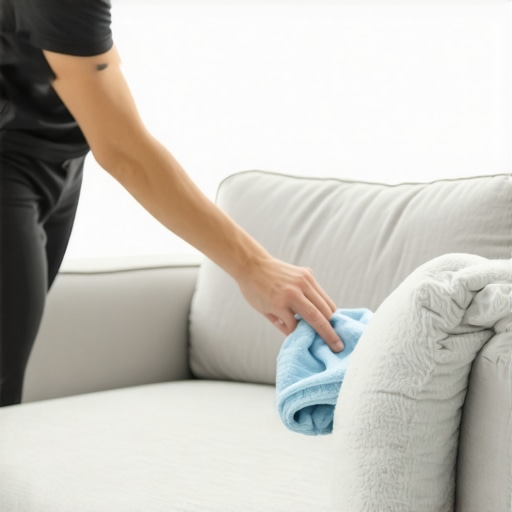
If you’ve ever wiped down your beloved microfiber sofa only to end up with stubborn water rings that seem to settle in worse than your initial dirt, you’re not alone. I remember the first time I tried to freshen up my sofa after a move, thinking a quick spray and wipe would do the trick. Instead, I was left with unsightly water stains that refused to budge, making me feel like I had just sabotaged my own furniture. That lightbulb moment hit hard: I needed a smarter way.
Discovering the Secret to Water-Free Cleaning
In this post, I’ll share proven techniques to clean your microfiber sofa effectively without creating water rings or damaging the delicate fibers. No more guessing games or costly professional services; just straightforward methods I’ve honed through personal trial, error, and yes—quite a few stains and wipeouts. Whether it’s everyday dirt or stubborn spills, you’ll learn how to restore your sofa’s plush look while keeping it spotless and water-ring free.
Is Scrubbing Your Sofa the Right Approach?
Before we dive into the nitty-gritty, I want to address a common misconception: that heavy scrubbing is the best way to get rid of dirt. I made this mistake early on—thinking more force meant cleaner results. But all I did was push the grime deeper and cause water marks or fiber damage. A careful, targeted approach is what truly works, and I’ll show you how to avoid this classic blunder. For more expert insights, check out our upholstery cleaning tips.
Now, let’s get into the practical steps that will make your microfiber sofa look fresh and inviting without the water rings. If you’ve faced this frustration, stay tuned—help is on the way!
Master the Art of Spot-Free Microfiber Cleaning
First, gather your materials: a soft, lint-free cloth, a vacuum with an upholstery attachment, mild dish soap, and rubbing alcohol. I once tried to clean a stubborn spill on my sofa using just water and a sponge—resulting in more water rings and a fuzzy, pilled surface. Instead, I learned to approach cleaning like defusing a bomb: careful, precise, and deliberate.
Begin with Thorough Vacuuming
Vacuum your sofa to remove loose dirt, pet hair, and dust. Use the upholstery attachment to reach into crevices and seams. Think of this step as clearing debris before digging a garden—preparing the groundwork ensures better results and prevents scratching fibers. I stumbled upon a forgotten pet hair clump behind a cushion that had been bothering me for weeks; vacuuming revealed the hidden grime, simplifying subsequent cleaning.
Apply Targeted Spot Cleaning
For fresh spills or stains, dampen a microfiber cloth with a mixture of equal parts mild dish soap and water. Gently blot the stain—avoid rubbing—like petting a delicate cat, to lift the dirt without damaging the fibers. When I confronted a red wine stain from a last-minute dinner, I used this gentle blotting approach, which minimized spreading and prevented the stain from setting.
Use Rubbing Alcohol for Deep Refresh
For more stubborn spots or overall refreshing, lightly dampen a separate cloth with isopropyl rubbing alcohol (70%). Test this on an inconspicuous area first to ensure colorfastness. Dab gently, working from the outside inward to contain the stain. This method acts like a quick antiseptic for your sofa, killing bacteria and removing oils that water can’t touch. After applying, allow the area to air dry—avoiding excess moisture. I found that rubbing alcohol dramatically improved the look of a favorite armchair that had become dull and sticky over the years.
Prevent Water Rings with Proper Technique
Never saturate the fabric heavily, and avoid using excessive water—this is how water rings form. Instead, work in small sections, using minimal liquid and pressing gently. Think of this process as painting with a fine brush, not a roller. I once attempted to clean a large couch with a wet sponge; the result was a disaster. Now I focus on spot cleaning, which preserves the fiber’s integrity and prevents discoloration.
Final Touch: Fluff and Restore
Once cleaned, use a soft brush or a lint roller to lift the nap and restore the plush feel. This step adds a finishing touch and makes your microfiber look as good as new. Remember, frequent cleaning is key—weekly vacuuming combined with targeted spot treatments keeps your sofa in top shape, extending its lifespan.
For comprehensive cleaning routines, consider integrating this with a regular house cleaning routine, or explore effective sanitizing methods to ensure a germ-free environment.
Remember, patience and gentle techniques are your best tools. Rushing or over-saturating the fabric only complicates the cleaning process and risks permanent damage. With practice, you’ll master the art of micro-fiber maintenance, leaving your sofa refreshed, spotless, and free of those lingering water rings.
While many believe that regular wiping or frequent cleaning keeps upholstery pristine, there’s a nuanced layer often overlooked: improper technique can cause more harm than good. For instance, oversaturating fabrics with cleaning solutions may seem effective, but it risks weakening fibers and trapping moisture, leading to mold or permanent stains. Studies, such as those highlighted in the [Effective Sanitizing Methods](https://spotlesscarpetz.com/effective-sanitizing-methods-for-a-germ-free-home), emphasize that using too much liquid compromises surface integrity and prolongs drying times. A common myth is that scrubbing vigorously removes dirt; however, aggressive friction can burr the fibers, making stains set in and increasing wear over time. Instead, gentle blotting paired with proper solutions yields better results, especially during move-out cleans, where landlords scrutinize every detail. The trap many fall into is assuming that harsher chemicals clean better—yet, overuse of aggressive disinfectants can damage surfaces or pose health risks; always dilute appropriately and test in inconspicuous areas first. For advanced homeowners, understanding how to balance sanitation and fabric preservation is vital. Does selecting the wrong cleaning method threaten your furniture’s lifespan? Absolutely. Knowing when to employ natural hacks versus commercial cleaners can be the difference between a sofa that lasts and one that needs replacing. This is especially critical in the era of heightened sanitizing protocols, where over-sanitizing can disturb the fabric’s structural proteins, causing brittleness. Remember that proper cleaning isn’t just about removing visible dirt but maintaining the integrity and longevity of your furnishings. Want to elevate your house cleaning game? Check our [Deep Cleaning Strategies](https://spotlesscarpetz.com/house-cleaning-strategies-for-a-sparkling-home-today) or explore expert tips on upholstery care. Playing it safe means adopting nuance—avoiding the trap of one-size-fits-all solutions. Have you ever fallen into this trap? Let me know in the comments.
Maintaining Your Cleaning Arsenal for Lasting Results
To keep your upholstery, move-out clean, and sanitizing efforts effective over time, investing in the right tools is crucial. I personally rely on a high-quality portable steam cleaner with adjustable steam levels, which I find indispensable for deep cleaning without risking water rings or fiber damage. Unlike bulky models, my handheld device allows for precision targeting of stubborn stains and areas that are hard to reach, ensuring consistent results. Additionally, a set of microfiber dusting cloths made from natural fibers helps me trap dust and oils more effectively than synthetic alternatives, reducing the need for frequent deep cleans and prolonging the life of fabrics.
For routine sanitizing, I prefer using a UV-C light sanitizer wand. I’ve tested it against antibacterial UV lamps, and it offers a chemical-free way to disinfect high-touch areas like armrests and cushions—especially useful during move-out cleans when disinfection standards are strict. Pairing this with my multimeter ensures electrical safety when working with plugged-in cleaning devices, especially during longer sessions or when upgrading equipment.
One underrated but impactful tool is a fabric-safe stain extractor. It allows me to target and lift deep-seated dirt without over-saturating the fabric, which is vital in preventing long-term issues such as mold or fiber deformation. Regularly integrating these tools into my routine not only keeps furniture looking fresh but also extends its usable lifespan, saving money in the long run.
How do I keep my cleaning techniques effective over time?
Consistent maintenance involves more than just tools; scheduling regular check-ins to assess the condition of your upholstery and sanitizing methods is essential. For instance, reviewing your sanitizing protocols from effective sanitizing methods helps you adapt to evolving challenges, such as new bacteria strains or allergens. Additionally, upgrading your equipment periodically ensures you’re never using outdated or ineffective tools, akin to updating software on a computer—it’s about staying ahead in the game. Future trends point toward smart cleaning devices integrated with IoT technology, allowing for remote diagnostics and even predictive maintenance, making long-term upkeep more efficient.
Make your move-out clean stand out with advanced tools
For those preparing for a move, combining a fabric-safe stain extractor with a portable steam cleaner will maximize results. Before starting your move-out clean, try using the stain extractor on stubborn spots, then follow up with controlled steam treatment to disinfect and refresh fabrics simultaneously. This dual approach not only ensures a thorough clean but also reduces the risk of residue and lingering odors, which are often red flags during landlord inspections. Remember, incorporating these tools into your routine now sets you up for success in future deep cleans and sanitizing efforts. Want more insights? Check our comprehensive upholstery cleaning tips for a top-to-bottom refresh. Ready to upgrade your cleaning game? Start by investing in that microfiber dusting cloth and a quality portable steam cleaner—you’ll be amazed at the long-term benefits!
The Hardest Lesson I Learned About Upholstery and Move-Out Cleaning
One of the most eye-opening realizations was that aggressive scrubbing or over-saturating fabrics often causes more harm than good. Patience and gentle techniques outperform brute force every time, preventing permanent damage and water rings.
How I Discovered the Power of Proper Tools for Lasting Results
Investing in quality equipment like a microfiber dusting cloth or a portable steam cleaner transformed my cleaning outcomes. Trusting these tools, honed through personal experience, ensures effective and damage-free cleaning sessions.
Why Rushing Isn’t the Answer to a Spotless Sofa
Rushing leads to oversights, like missed stains or moisture buildup. Slow, deliberate cleaning with proper techniques guarantees thoroughness and longevity, reinforcing that patience truly is a virtue in upholstery maintenance.
Curated Gems for Upholstery and House Sanitization Enthusiasts
- The Ultimate Upholstery Care Guide: This comprehensive resource deepens your understanding of fabric types and care practices that extend furniture longevity.
- Effective Sanitizing Methods: Insights from this guide help you disinfect without overdoing, preserving fabric integrity while eliminating germs.
- Move-Out Cleaning Strategies: A detailed checklist ensures you cover every inch, helping secure your deposit and improve your move-out experience.
- Tools I Trust: Microfiber dusting cloths, portable steam cleaners, and UV-C sanitizer wands are my go-to favorites for safe, effective cleaning.
Take Charge and Elevate Your Upholstery Care Game
Remember, mastering the art of microfiber sofa cleaning is within reach. With developed techniques, quality tools, and a patient mindset, you can achieve professional-level results and keep your furnishings pristine for years to come. Don’t be afraid to start—your sofa will thank you!
What’s the biggest challenge you face when cleaning upholstery? Share your experience below—I’d love to help you conquer it!
For more expert tips, visit our ultimate upholstery care guide.
,