
Have you ever eagerly loaded your child’s plastic toys into the dishwasher, only to find them warped, sticky, or worse—completely ruined? That lightbulb moment of realizing your usual cleaning tricks backfired can be pretty frustrating. I remember the first time I thought, “Surely, dishwasher sanitizing is enough”—only to open the door and see a pile of misshapen, squeaky-clean-looking-but-sticky toys. It was a wake-up call.
As parents and homeowners, we want our spaces and toys to be germ-free, especially now. But the common approach of tossing plastic toys into the dishwasher often comes with hidden pitfalls—most notably, melting or warping them. This issue isn’t just about ruining your child’s favorite toy; it’s about understanding *how* to clean effectively without damage. So, today, I promise to share practical, safe strategies that have worked for me and countless others, ensuring your toys are truly sanitized without turning them into plastic sculptures.
Why relying solely on the dishwasher can backfire
The key problem lies in the dishwasher’s heat cycles. Most dishwashers heat water to temperatures of 130°F to 150°F (54°C to 66°C), which might seem perfect for killing germs. However, that high temperature can cause plastic toys, especially those not designed for heat, to soften or melt entirely. I learned this lesson early on when a couple of my kid’s favorite rubbery figures turned into unrecognizable blobs. Not only was I disappointed, but I also realized I was inadvertently damaging their health by exposing them to potentially harmful melting residues.
It’s tempting to think that all plastics are equal, but some materials are far more sensitive to heat than others. An article from the Environmental Protection Agency highlights that certain plastics release toxic fumes when exposed to high temperatures—fumes that can be inhaled by children. That was a stern reminder that safety and effectiveness go hand in hand.
If you’re like me, you might also be making another common mistake: overusing detergents or cleaning solutions in your dishwasher, thinking it boosts cleanliness. This can leave chemical residues on toys, which isn’t ideal.
But don’t worry. There’s a better way. We can find effective methods to sanitize plastic toys while keeping them intact. And the good news is, it’s simpler than you think.
Are you tired of ruining toys with heat or unsure how to properly sanitize them? You’re not alone, and that’s exactly what I hope to help you with today. To get started, let’s explore some safe and proven techniques that preserve your toys’ shape and ensure they’re germ-free.
Choose Safe Cleaning Materials
Start by identifying the plastic type of your child’s toys. Materials labeled as BPA-free are generally more heat-sensitive. Use mild, child-safe disinfectants or soap diluted in water. I once tried a strong alcohol solution on a soft rubber toy, which caused discoloration—so always opt for gentle solutions.
Opt for Cold Water Soaking
Instead of risking heat damage, soak toys in a bucket of cold, soapy water for at least 10 minutes. This loosens dirt and kills bacteria without risking melting. I learned this after accidentally throwing rubber figures into a hot washer, which deformed them. Soaking kept their shape intact and was surprisingly effective.
Utilize Natural Disinfectants
White vinegar diluted with water (1:1 ratio) acts as a natural disinfectant. Spray it lightly on toys and wipe with a microfiber cloth. This method avoids chemical residues and is gentle. I used this trick when cleaning a prized rubber car and was amazed by how spotless and fresh it looked afterward. Find more effective sanitizing methods for a germ-free home here.
Manual Scrubbing for Stubborn Spots
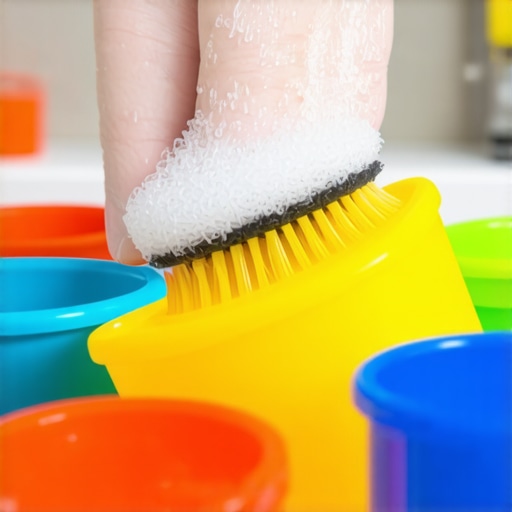
Use a soft-bristled toothbrush dipped in your cleaning solution to gently scrub crevices. Avoid abrasive scrubbers that can scratch or weaken plastic. On a recent cleaning, I manually scrubbed a set of small plastic animals, ensuring dirt was removed without damaging their paint or shape.
Sanitize with UV Light
Portable UV sanitizers are effective for disinfecting toys without liquids. Just expose toys to UV light for the recommended duration. I tried this on small plastic vehicles, and it sterilized them without contact. UV sanitizers are especially handy for delicate or electronic toys. Learn more about proper sanitizing best practices here.
Dry Properly to Prevent Mold
After cleaning, air-dry toys completely in a well-ventilated area. Mold can develop if moisture remains. I place toys on a clean towel under direct sunlight for an hour, which also helps eliminate residual germs. Remember, never store damp toys to avoid mold growth and preserve their integrity.
Many homeowners and cleaning enthusiasts operate under assumptions that seem intuitive but can actually hinder effective cleaning. Contrary to popular belief, using harsher chemical cleansers doesn’t always guarantee a more sanitized home. In fact, overusing chemical disinfectants can leave residues that attract dirt and diminish air quality, especially in spaces with sensitive occupants. An expert review from the Environmental Protection Agency highlights that improper use of disinfectants can compromise both their efficacy and safety, emphasizing the importance of understanding proper application methods.
How can mastering cleaning nuances prevent common sanitation pitfalls?
One overlooked detail is the timing and sequence of cleaning tasks. For example, starting with dusting ceilings and vents before wiping surfaces ensures dust doesn’t resettle, a step often skipped due to time constraints. Additionally, many assume that the fastest way to sanitize is heavy scrubbing, but over-scrubbing can damage delicate surfaces and strip protective coatings. Instead, a gentle, methodical approach often yields better results, especially on upholstery and fragile fixtures. Be cautious of the trap of believing that the harshest cleaning method is the most effective—that’s a misconception that can lead to property damage and health risks. Furthermore, common move-out cleaning mistakes include neglecting hidden areas like behind appliances or under cabinets, which harbor grime and mold, potentially jeopardizing security deposits or health standards. An insightful study from cleaning professionals reveals that these overlooked spots often contain the highest concentrations of bacteria and allergens. For advanced homeowners, understanding the science behind cleaning agents can transform routine chores into effective sanitation routines. For instance, natural disinfectants like diluted vinegar do more than just deodorize—they attack certain bacteria without leaving harmful residues, aligning with eco-friendly practices. For more expert insights on effective house cleaning strategies, visit our page on cleaning secrets from industry experts. Remember, rushing through cleaning tasks or misusing products can lead to long-term issues like mold growth or surface degradation. Avoid these traps by developing a systematic approach, understanding your surfaces, and choosing the right tools and solutions. Have you ever fallen into this trap? Let me know in the comments and share your experiences to help others avoid these common mistakes.Keeping your home impeccably clean isn’t a one-and-done task; it requires the right tools and a solid routine to ensure everything stays fresh and sanitized over time. I personally swear by certain equipment that has revolutionized my cleaning game, especially when it comes to upholstery and long-term maintenance. For example, using a high-quality cordless steam cleaner like the Dupray Hill Injection has made a significant difference. It effectively sanitizes fabrics and surfaces without harsh chemicals, which is perfect for homes with kids and pets. I love its versatility—it’s lightweight, heats up quickly, and reaches tight spots that traditional cleaners struggle with.
Invest in a Reliable Upholstery Cleaning Machine
Beyond just vacuuming, regularly deep cleaning upholstered furniture prolongs its life and keeps allergens at bay. I recommend a machine with adjustable steam pressure and a variety of attachments, such as the Bissell SteamShot or similar models. These tools allow for targeted deep cleaning that dissolves dirt, dust mites, and pet dander, contributing to a healthier environment. Implementing scheduled upholstery refreshes every few months is a game-changer and can be easily managed with these devices. Find additional upholstery cleaning tips at this comprehensive guide.
Harness the Power of Ultrasonic Cleaners
For small but essential items—like jewelry, keys, or remote controls—ultrasonic cleaning devices ensure these high-touch objects remain sanitized without any chemical exposure. I use an ultrasonic cleaner with a denture cleaning solution for delicate items, which guarantees thorough cleaning and eliminates bacteria hidden in crevices. This method is gaining popularity due to its effectiveness and safety, especially for households prioritizing eco-friendly practices. Over time, integrating ultrasonic cleaning into your routine helps prevent bacterial buildup on frequently touched household objects. Learn more about this method at this detailed article.
Long-term Results: Consistency Is Key
Consistent maintenance not only extends the lifespan of your furniture and fixtures but also maintains a healthier living space. Scheduling weekly touch-ups and deep cleans every month ensures dirt, grime, and germs don’t accumulate unnoticed. Automating some processes, like using UV sterilizers for toys or high-touch surfaces, ensures ongoing sanitation without extra effort. A future trend in home cleaning involves smart devices that monitor cleanliness levels and suggest cleaning routines—so staying on top of your home’s hygiene might soon be more automated than ever. For ongoing tips, check out this routine guide.
How do I maintain cleanliness without overwhelming myself? Regular, focused cleaning sessions combined with the right tools make it manageable and effective. Start with one piece of equipment mentioned today—perhaps a portable steam cleaner—and see how it transforms your routine. Before you go, consider trying out an ultrasonic cleaner for your most touched items; it’s an efficient, chemical-free way to keep items germ-free. Ready to elevate your home maintenance? Dive into these strategies and enjoy a fresher, healthier environment—your family will thank you!What I Wish I Knew Before Overheating Plastic Toys
One of the toughest lessons I learned was that not all plastics can withstand the dishwasher’s heat without warping or releasing toxins. I used to think that hot water and high temperatures were enough to sanitize, but I realized some materials degrade or become hazardous when exposed to high heat—especially soft rubber and certain plastics. This experience taught me to always check material labels and opt for alternative cleaning methods, such as cold soaking or UV sterilization, to protect my family’s health and my toys’ integrity.
The Breakthrough Tools That Make Everything Easier
Investing in a quality ultrasonic cleaner and a cordless steam device transformed my cleaning routine. These tools allow me to sterilize small items and delicate fabrics effectively without chemicals or heat damage. They’re reliable, eco-friendly, and save me time, giving me peace of mind that my home is genuinely sanitized. Trusted brands like Dupray and Bissell offer models that I personally rely on. For more insights on tools that elevate cleaning routines, check out our detailed upholstery care guide.
Why Routine and Mindfulness Can Save Your Sanity
One thing I wish I had prioritized earlier is consistency. Developing a habit of quick daily touch-ups combined with deep cleaning every month keeps dirt and germs at bay without feeling overwhelming. I’ve learned that a systematic approach—starting from the top, working in sections, and never rushing—makes cleaning less stressful and more effective. Remember, long-term cleanliness is about small, regular efforts, not occasional marathon sessions. Incorporate gentle solutions like vinegar-based sprays and targeted tools to keep your home safe and fresh in the long run. For ongoing routines that work, visit our daily house cleaning routine.