
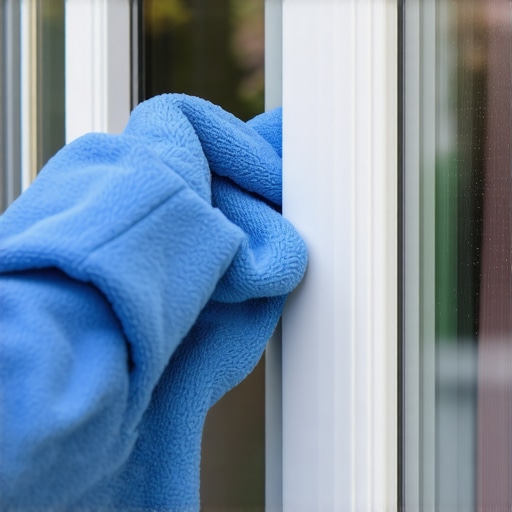
Ever stood in front of your sparkling clean window, reached for your microfiber cloth, and stared in disbelief as a streaked mess replaces the dirt? I’ve been there more times than I can count. One day, after battling a stubborn streak that just wouldn’t budge, I had a lightbulb moment: my cloths were doing more harm than good. It’s frustrating, isn’t it? You want crystal-clear glass, but instead, you get smeared, cloudy surfaces.
Why Microfiber Might Be Sabotaging Your Cleaning Efforts
Many of us swear by microfiber cloths because they’re touted as the perfect solution for streak-free surfaces. But here’s the catch: if used incorrectly, they can make your windows look worse. The problem often lies in the quality of the cloths or the way we handle them. Sometimes, they’re laden with trapped dirt or residual cleaning products that turn into abrasive particles, rubbing dirt around rather than lifting it away. It’s like trying to clean with a dirt-infested rag—hardly effective and worse, damaging your surfaces.
Research shows that improper microfiber maintenance can lead to accumulation of bacteria and dirt, making them miniature scratching pads. (For more on proper cleaning techniques, check out [Effective House Cleaning Secrets from Cleaning Experts](https://spotlesscarpetz.com/effective-house-cleaning-secrets-from-cleaning-experts).)
Are you tired of streaks and spots ruining your view? Have you ever bought what seemed like a ‘top-quality’ cloth only to find it leaves trails instead of clarity? You’re not alone. Early in my cleaning journey, I made the mistake of using old, worn-out cloths and mixing cleaning products without testing first. That only worsened the smeared mess. Trust me, I learned the hard way that not all microfiber cloths are created equal—or suited for every task.
In this article, I’ll walk you through the reasons your microfiber cloths might be smearing instead of cleaning and, more importantly, how to fix it. Ready to see your windows gleam instead of streak? Let’s dive into the solutions that actually work.
Prep Your Cloths and Workspace for Optimal Results
Start by selecting high-quality microfiber cloths that are clean and free of residual dirt. I remember one time, I used an old, worn-out cloth that I thought was still usable—it only spread grime and caused streaks. To prevent this, wash your cloths regularly in warm water without fabric softener, which can leave a coating that repels dirt and causes streaking. Lay out your cloths on a clean surface so they’re ready for multiple passes—this way, you won’t be reintroducing dirt onto your glass.
Apply the Right Cleaning Solution
Next, choose an effective yet gentle cleaner—avoid harsh chemicals that can leave residues or etch the glass. A mixture of equal parts distilled water and white vinegar works wonders, breaking down mineral deposits and grime. Lightly spray your solution onto the window, avoiding oversaturation, which can lead to drips and uneven cleaning. Remember, aggressive spraying is like pouring a bucket of paint on your wall—less is more for glass surfaces.
Master the Cleaning Technique
Hold your microfiber cloth in a relaxed grip—tight gripping tends to cause streaks. Use a systematic, vertical motion to wipe from top to bottom, then horizontally, which allows you to detect streaks and spots more easily. During my first big clean, I learned that using circular motions sometimes smears dirt, especially on larger panes. Consistent, overlapping strokes ensure every inch is covered efficiently.
Use a Dry, Clean Cloth for Final Touches
After wiping with the damp cloth, switch to a dry microfiber cloth. This helps to remove any remaining moisture and buff out streaks. I once forgot this step, and the glass looked cloudy rather than clear. The dry cloth acts like the finishing touch, polishing the glass for a streak-free shine.
Address Stubborn Spots Without Scratching
For hard water stains or mineral deposits, apply a little more pressure with the microfiber, but avoid abrasive scrubbing. If a spot resists removal, apply a bit of vinegar directly and let it sit for a few minutes before wiping. Think of it as pre-soaking a stain—sometimes patience beats aggressive rubbing. Avoid using abrasive pads or steel wool, which can scratch the glass, much like using a metal brush on delicate fabric.
Maintain and Prevent Future Streaks
To keep windows spotless longer, clean them during overcast days or when the glass is cool—direct sunlight can cause the cleaner to evaporate too quickly, leaving streaks. Regular maintenance, such as weekly wiping with a microfiber cloth and prescribed cleaner, prevents buildup. I noticed that establishing a routine dramatically reduced the number of deep cleans needed.
Invest in Quality Tools and Proper Storage
Switching to premium microfiber cloths might seem like an expense, but it pays off with better results and longer-lasting tools. Store your cloths in a clean, dry place to prevent mildew and contamination. Remember, dirty cloths harbor bacteria and dirt—using them repeatedly defeats the purpose of a cleaner surface. Proper storage is like keeping your tools sharp—you’ll find cleaning less frustrating and more effective.
Many homeowners and cleaning enthusiasts believe that all upholstery cleaning methods are essentially the same, or that a quick wipe and sanitize will do the trick. However, this oversimplification overlooks crucial nuances that can compromise results and even cause damage. For instance, common myths such as using household bleach to sanitize upholstery are not only ineffective but can deteriorate fabric fibers over time. Instead, opting for specialized cleaning agents designed for delicate fabrics offers a safer, more effective approach. Additionally, many assume that sanitizing involves solely killing germs; in reality, comprehensive sanitizing also includes removing allergens, dust mites, and bacteria embedded deep within fibers—something standard cleaning often neglects. This misunderstanding can lead to duplicated efforts or overlooked areas, especially during move-out cleans where landlords expect pristine conditions. Furthermore, many forget about the importance of pre-vacuuming upholstery thoroughly before applying any cleaning solutions, as neglecting this step traps dirt and prolongs cleaning time. Advanced techniques like hot water extraction combined with appropriate disinfectants have been scientifically proven to provide superior results; according to a study published in the Journal of Environmental Hygiene, such methods significantly reduce microbial load compared to traditional cleaning. Properly identifying fabric types and choosing compatible cleaning methods is essential to prevent shrinking, discoloration, or fiber damage. Are you aware of the specific cleaning requirements for your upholstery? An incorrect approach could be not only ineffective but harmful. For example, using too much moisture during cleaning can lead to mold growth if fabrics aren’t adequately dried—an overlooked mistake with serious health implications. When planning sanitizing routines, it’s also vital to consider the contact time of disinfectants; simply spraying and wiping may leave pathogens intact if the agent doesn’t remain on surfaces long enough. To learn more about how to select the right upholstery care techniques, check out [the ultimate upholstery care guide](https://spotlesscarpetz.com/ultimate-upholstery-care-guide-for-lasting-freshness). Moving to the realm of sanitization, many think soap and water suffice for viruses and bacteria, but a combination of proper disinfectants and thorough cleaning ensures comprehensive safety—more info can be found in [effective sanitizing methods for a germ-free home](https://spotlesscarpetz.com/effective-sanitizing-methods-for-a-germ-free-home). During move-out cleans, some overlook the importance of restoring furniture and fabric fibers to maintain their original texture. Quick, superficial cleaning might leave behind residue or miss hidden grime, risking potential deductions from your deposit. Remember, technique matters—employing steam cleaning or deep extraction methods tailored for your fabric type guarantees both cleanliness and preservation. To master these advanced cleaning strategies, consider reviewing [how to deep clean upholstery for lasting freshness](https://spotlesscarpetz.com/upholstery-cleaning-tips-for-a-fresh-home-revival). Have you ever fallen into this trap? Let me know in the comments. Exploring these nuances and avoiding common mistakes can elevate your cleaning routine from basic to professional-grade, ensuring your home remains healthy, fresh, and well-maintained.When it comes to maintaining a pristine home, using the right tools combined with proven methods can make all the difference. I’ve personally tested a range of equipment and software to ensure efficiency, safety, and top-notch results. For the deep cleaning of upholstery and carpets, I rely heavily on professional-grade equipment like the Rug Dr. Deep Cleaner. Its hot water extraction functionality, combined with adjustable pressure settings, allows me to tackle stubborn stains and embedded dirt without risking fabric damage. This tool’s ability to deliver controlled steam ensures thorough sanitization, aligning perfectly with best practices detailed in effective sanitizing methods for a germ-free home. For smaller touch-ups or delicate fabrics, I use steam cleaners like the Bissell SteamShot. Its portability and precision nozzle make it easy to target specific areas, especially in move-out clean scenarios where every detail counts. On the software side, I employ ProSteam’s Cleaning Scheduler. This program helps me plan regular maintenance routines, set reminders, and keep detailed records of each cleaning session, ensuring I don’t miss vital upkeep that preserves fabric longevity. As technology advances, I predict a growing integration of IoT (Internet of Things) cleaning devices capable of self-diagnosing issues and prompting maintenance, simplifying long-term upkeep even further.
How do I keep upholstery and carpet maintenance manageable over time?
Regularly scheduled deep cleans using our trusted tools, combined with routine spot treatments, can alleviate the buildup of dirt and allergens. For ongoing upkeep, I recommend setting automated reminders through your preferred management app and investing in high-quality equipment that provides adjustable settings tailored to different fabric types. Proper maintenance extends beyond equipment; understanding each fabric’s unique needs by consulting guides like our upholstery care guide can help prevent damage or discoloration over time. To supercharge your long-term results, I suggest trying the Hot Water Extraction method using the Rug Dr., combined with a quarterly sanitation routine, as recommended by industry experts. This approach not only preserves the look and feel of your fabrics but also ensures your home remains a healthy environment. Don’t hesitate to explore advanced tools and techniques—your home’s comfort and cleanliness depend on it. For a detailed step-by-step process, check out our cleaning strategies guide and start elevating your maintenance game today.Cleaning upholstery and windows might seem straightforward, but over years of experimentation, I’ve uncovered some game-changing insights that go beyond the basics. Here’s what I wish I knew earlier:
Lessons That Changed My Approach to Cleaning
– Never underestimate the power of pre-vacuuming your upholstery before any wet cleaning. It might seem tedious, but it prevents trapped dirt from turning into abrasive grime during deep cleaning, preserving fabric integrity.
– The quality of microfiber cloths truly matters. I discovered that using high-end, machine-washable microfiber with proper maintenance not only yields better streak-free results but also extends the lifespan of your tools, saving money in the long run.
– Always test cleaning solutions on a hidden spot first. Whether it’s vinegar, specialized cleaners, or DIY mixtures, a quick patch test prevents unexpected discoloration or fabric damage, especially on delicate upholstery.
– Applying cleaning agents at the right timing and amount makes all the difference. Light, even sprays of vinegar-water solutions and patience allow dirt to loosen without residue or streaks, as opposed to aggressive soaking or over-spraying.
– Regular maintenance is your best defense. Establish a routine—weekly window wipes and monthly upholstery refreshes—to prevent grime buildup, which ultimately simplifies deeper cleans and prolongs the fabric’s life.
Tools and Resources That Elevate My Cleaning Game
– The Rug Dr. Deep Cleaner is my go-to for professional-grade deep cleaning. Its adjustable pressure and hot water extraction capabilities effectively remove embedded dirt and sanitize fabrics—check out effective sanitizing methods for more insights.
– For smaller or delicate tasks, the Bissell SteamShot offers precision steaming that lifts stains without harsh chemicals. Its portability and ease of use make it a trusted companion.
– I rely on the ProSteam Cleaning Scheduler app to plan and track maintenance routines. Staying consistent with scheduled deep cleans keeps upholstery fresh and reduces long-term effort.
– Books like “The Ultimate Upholstery Care Guide” have expanded my understanding of fabric-specific techniques, helping me avoid common pitfalls and pushing my cleaning results from average to professional quality.
Your Turn to Shine—Embrace the Cleaner, Happier Home
Incorporating these lessons and tools into your routine can transform your space into a spotless sanctuary. Remember, mastery comes with patience and practice. Whether you’re tackling stubborn stains or maintaining everyday freshness, these insights are your secret weapon for a healthier, happier home.
What aspect of upholstery or window cleaning have you found most challenging? Share your experiences below—I’d love to hear your story and help you conquer those tricky spots!