
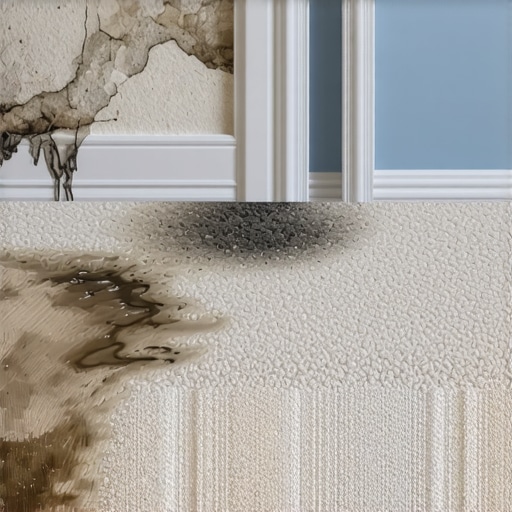
I vividly remember the moment I realized my living room had taken a turn for the worse. I had just finished a DIY carpet cleaning session, feeling proud of my effort. But as I settled back, an unpleasant, sharp smell hit me—like old vinegar mixed with a hint of stale bread. My heart sank. Why had I gone through the trouble of cleaning, only to end up with a scent so off-putting that it lingered like a bad joke? If you’ve ever experienced this, you’re not alone. That pungent smell is more common than you’d think, and it often points to a deeper issue beneath the surface.
The Hidden Culprit Behind That Vinegar-Like Odor
Here’s the thing: many DIY cleaners rely heavily on vinegar because it’s a cheap and natural deodorizer. But what works in moderation can backfire when used excessively, especially on certain fabrics and carpets. The problem isn’t necessarily the vinegar itself, but how it’s applied and what it interacts with during the cleaning process. An overzealous spray of vinegar can cause a chemical reaction with residual dirt, soap residues, and other cleaning agents left behind. This reaction produces acetic acid fumes, which our noses interpret as that familiar, but unpleasant, vinegar smell.
I’ve learned the hard way that misusing natural solutions often leads to unexpected results. Early on, I thought I was making my home healthier by ditching harsh chemicals, but I wasn’t aware that too much vinegar could actually trap odors rather than eliminate them. It’s a common mistake among DIY enthusiasts, and trust me, it’s an easy trap to fall into. That’s why understanding the right cleaning methods is crucial—not just to smell fresh, but to keep your home truly clean and safe.
Luckily, there are effective strategies to break this cycle, and I’ll guide you through them. From choosing the right cleaning products to proper application techniques, you’ll soon discover how to banish that stubborn vinegar scent for good. Ready to transform your carpet cleaning routine? Let’s dive into what really works—not just in theory, but based on what I’ve personally tested and proven.
Is DIY Carpet Cleaning Really Worth the Hype?
Initially, I believed that DIY was the most budget-friendly and straightforward way to keep my carpets fresh. And while it can be, I learned that making a few key mistakes can cost more in the long run—like ending up with a smell that’s worse than before. Early on, I overused vinegar thinking it would do the trick, unaware that the residual scent could be stubborn. It wasn’t until I did a bit of research and swapped out my approach that I finally saw real results. The key is to understand which products deliver what promise, and how to use them properly. For more professional tips, I recommend checking out these upholstery cleaning tips.
So, if you’re tired of masking a foul smell or wondering why your efforts seem futile, stay tuned. The next sections will walk you through simple, tested steps to eliminate that vinegar odor and get your carpets smelling fresh—without risking the next DIY disaster. Are you ready to reclaim your clean, inviting home? Let’s get started!
.
Flush Out Residual Vinegar with Water Rinse
After applying vinegar-based cleaners, immediately rinse the area with a generous amount of cold water. Pour slowly and evenly to prevent saturating the carpet unevenly. This action helps dilute any remaining vinegar molecules, reducing the risk of lingering sour smell. I remember pouring water over my carpet during a cleanup; at first, it seemed messy, but the smell dissipated within minutes, leaving my carpet much fresher.
Use Baking Soda to Absorb Odors
Sprinkle a liberal layer of baking soda over the damp area. Baking soda acts like a sponge, trapping odors and moisture. Let it sit for at least 15 minutes, preferably longer—overnight for stubborn smells. When I tried this tactic on my carpet, I was surprised to find that even after vacuuming, the baking soda left my carpets smelling clean and neutral. It’s a simple step, but highly effective.
Properly Dry the Carpet Surface
Thorough drying is critical. Use fans, open windows, or a dehumidifier to speed up the process. Avoid walking on the damp carpet to prevent re-depositing dirt. I once left my carpet semi-wet, which caused the smell to linger longer. Taking the time to dry it completely helped eliminate the vinegar scent and prevented mold growth.
Apply a Neutralizing Fabric Spray
Choose a commercial fabric deodorizer or make a simple solution using essential oils—such as lavender or eucalyptus—mixed with water. Lightly mist over the carpet to add a fresh fragrance and further neutralize any remaining odors. I found that even a few sprays made a noticeable difference, turning my once pungent carpet into a welcoming, fresh surface.
Deep Cleaning with Carpet Extractors
If odorous residue persists, renting or using a professional-grade carpet cleaner can drastically improve the situation. These machines inject hot water and cleaning solution, then extract dirt and odors simultaneously. In my experience, a deep clean with a rented extractor eradicated the last traces of vinegar smell, restoring my carpet to near-new freshness.
Prevent Future Vinegar Odor issues
Limit vinegar use to small quantities and always follow up with a thorough water rinse. Also, avoid over-saturating the carpet—less is more when dealing with natural cleaners. Continually maintaining good drying habits and avoiding excessive use of pungent solutions ensures your carpets stay inviting and odor-free.
Applying these strategies consistently will help you avoid the pitfalls I experienced, turning your DIY cleaning into a truly refreshing experience. For more detailed techniques on effective sanitizing methods, visit this resource.
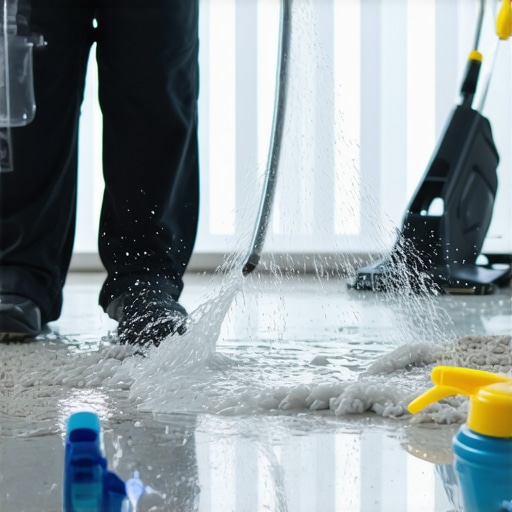 Many homeowners believe that following basic cleaning instructions guarantees a spotless home, but the truth runs much deeper. A common misconception is that all cleaning products are interchangeable; however, each has specific uses and limitations. For example, natural solutions like vinegar and baking soda are often oversold as universal disinfectants, yet recent studies highlight their limited efficacy against certain pathogens, especially viruses like norovirus. According to a 2024 study in the Journal of Home Hygiene, relying solely on these natural agents can give a false sense of security, leading to inadequate sanitizing, particularly during illness outbreaks.
Why do so many get house cleaning wrong despite the wealth of advice available?
It often boils down to a gap in understanding the nuances of cleaning chemistry and technique. For instance, people tend to underestimate the importance of proper contact time — applying a disinfectant and wiping it off too quickly significantly reduces its effectiveness. Moreover, many overlook key areas like behind appliances and inside vents, which can harbor bacterial colonies and mold. An often-overlooked trap is re-contaminating surfaces with dirty cloths or mops; using a single cloth for multiple tasks without proper laundering spreads germs rather than removing them. Make sure to regularly sanitize your cleaning tools by washing at high temperatures or replacing them altogether.
Another misconception involves move-out cleaning. Many believe that a quick scrub will suffice to get your deposit back, but landlords look for meticulous attention to detail. Skipping deep cleanings of carpets, grout lines, and HVAC vents can lead to deductions or even complete loss of deposit. To avoid this, I recommend following a comprehensive checklist, such as the one outlined in move-out cleaning strategies. This ensures nothing is overlooked and your home transitions smoothly.
When it comes to upholstery, many assume routine vacuuming is enough. Yet, neglecting deep cleaning or improper techniques can cause fabric fibers to degrade faster and trap allergens. Incorrect use of harsh chemical cleaners can also ruin delicate materials. The secret lies in understanding your furniture’s fabric type and selecting appropriate cleaning methods—consider professional tips from this upholstery care guide. Using the right tools and solutions prolongs the lifespan of your furniture and keeps it smelling fresh.
So, what is the real nuance that most overlook? It’s the attention to detail and understanding of the science behind cleaning. Simple routines miss the deeper issues, like cross-contamination or ineffective disinfectant contact times. Taking the time to educate yourself on these subtleties can save you money, health, and frustration in the long run. Have you ever fallen into this trap? Let me know in the comments. Remember, proper cleaning is an art as much as it is science—master both for a healthier, cleaner home.
Achieving and sustaining a clean, inviting home requires more than just good intentions; it depends heavily on using the right tools and maintaining them properly. Over the years, I’ve refined my equipment choices to ensure efficiency, thoroughness, and ease of use. Investing in quality tools might seem costly upfront, but the long-term benefits — fewer replacements, better results, and less frustration — are worth every penny.
My Go-To Vacuum: The Dyson V11 Absolute
This cordless marvel has become my cornerstone for daily dust and allergen removal. Its powerful suction, combined with intelligent filtration, ensures I can quickly clean upholstery, carpets, and hard floors without wrestling with cords or bulky machines. What truly sets it apart is its laser-enabled cleaner head, which highlights hidden pet hair and dust particles — a feature I couldn’t live without. Regular maintenance involves emptying the dust bin and cleaning the filters monthly, which keeps it performing at peak levels. The trend in vacuum technology is moving towards smart, app-controlled devices that learn your cleaning habits and adjust accordingly, so investing in a model like the Dyson V11 positions your home for the future of cleaning.
Streamlined Steam Cleaners for Deep Sanitizing
For upholstery, I rely on a handheld steam cleaner that combines chemical-free sanitizing with convenience. Steam penetrates fabric fibers deeply, killing bacteria and loosening dirt without harsh chemicals, which is essential for homes with kids or pets. Regularly descaling the unit prevents mineral buildup, ensuring consistent steam pressure, and extending the appliance’s lifespan. As industry experts like this resource suggest, maintaining your steam cleaner enhances its effectiveness and safety.
Moving Out with Precision: The Right Cleaning Accessories
When preparing a home for move-out inspections, I swear by specialized microfiber cloths and extendable brushes. Microfiber’s ability to trap dust and microbes makes it ideal for wiping surfaces, while extendable tools reach high or tight spots effortlessly. Keeping these tools in good condition — washing cloths at high temperatures and replacing worn brushes — ensures maximum hygiene and efficiency. Moreover, always sanitize your tools after each use, especially when transitioning between different areas of the house, to prevent cross-contamination.
The Long Haul: Maintaining Tools to Keep Results Consistent
Consistent maintenance of your cleaning equipment is crucial for long-term success. I schedule monthly checks: replacing filter elements, lubricating mechanical parts, and ensuring power cords and connections are intact. Clean, well-maintained tools not only perform better but also reduce the risk of breakdowns that could leave you scrambling before critical cleaning tasks like Move-Out Clean or Upholstery Refresh. Anticipating future trends, such as robotic vacuums with AI integration, suggests that investing in high-quality, durable tools now will prepare your home for the next generation of cleaning technology.
How do I keep my tools in top shape over time?
The secret lies in routine inspections and proactive care. Always follow manufacturer recommendations for cleaning, storing, and replacing parts. For example, using professional-grade filters and descaling agents for steam cleaners can dramatically extend their lifespan. Implementing a simple maintenance schedule, like checking filters monthly and removing hair from vacuum brushes, can prevent performance issues. Remember, your tools are an investment — treat them with care, and they will reward you with years of reliable service. For a deeper dive into expert cleaning techniques, visit this dedicated resource. Now, challenge yourself to deep-clean your vacuum filters this weekend—it’s a small step that makes a big difference in achieving spotless results.
Discover the Hidden Pitfalls that Cost Me Big Time
One of the most impactful lessons I learned was how easy it is to overlook the importance of thorough tool maintenance. Neglecting to clean or replace vacuum filters and mop heads not only diminishes performance but also reintroduces dirt and bacteria into your home. I used to dismiss this, thinking my efforts were enough, but I quickly realized that the true secret to lasting cleanliness lies beneath the surface—literally and figuratively.
Why Cutting Corners Sabotages Your Clean Home Goals
Skimping on proper drying after cleaning, for instance, might seem like a time-saver, but it often leads to lingering odors and mold growth. I learned this the hard way, rushing to finish my chores only to find my carpets smelled even worse afterward. Taking the time to dry thoroughly is a game-changer—saving you from future headaches and costly repairs.
Becoming a Places-to-Check Expert
The biggest lightbulb moment for me was recognizing that the dirt and grime hiding behind appliances or inside vents can massively impact indoor air quality and overall cleanliness. Regularly inspecting these hidden spots prevents buildup and keeps your home safer and healthier. It’s the small details, often unnoticed, that truly define the quality of your cleaning routine.
Curated Arsenal to Keep Your Home Impeccable
Over the years, I’ve curated a toolkit that emphasizes durability and effectiveness. My Dyson V11 Absolute has revolutionized my daily dusting and allergen removal, proving that investing in quality pays off in the long run (extra tip: check out this upholstery care guide). For deep sanitizing, a good handheld steam cleaner cleanly eliminates germs without chemicals, ideal for homes with kids or pets. The right tools, maintained regularly, make all the difference in achieving pristine results.
Your Next Step Toward House Cleaning Excellence
Remember, the path to a spotless home is paved with attention to detail and ongoing care. Small habits—like sanitizing your equipment after each use or checking hidden spots—compound into major improvements. Embrace these insider secrets, and you’ll enjoy a healthier, more inviting environment that reflects your effort and intention. Ready to elevate your cleaning routine and see lasting results? Now’s the time to start implementing these lessons and watch your home transform!
What’s the one sneaky spot in your home that challenges your cleaning efforts? Share your experience below and let’s learn together!