
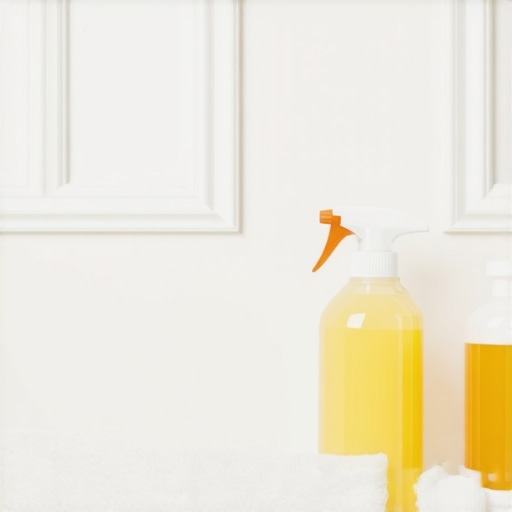
Have you ever looked at your pristine white trim and suddenly noticed those stubborn scuff marks marring its perfection? I remember the first time I realized my favorite piece of white molding was tainted by an accidental bump. It felt like a small disaster inside my home, and I was ready to repaint the entire section—until I discovered there’s a much smarter, less messy way to restore its shine.
Why Scrubbing and Harsh Chemicals Aren’t the Answer
Many of us default to aggressive scrubbing or heavy-duty cleaners, hoping to erase scuffs quickly. But I learned that using the wrong products or techniques can leave your trim looking worse—dingy, scratched, or even discolored.
In fact, early on, I made the mistake of grabbing a scouring pad and a harsh chemical cleaner, only to find that the scuff was barely touched, and I risked dulling the paint or damaging the surface altogether. Trust me, I’ve been there—and it’s frustrating.
Ever Wondered If There’s a Simpler Way?
Well, the good news is that there are gentle, effective methods that won’t require repainting or calling in a professional. With just a few household items and a bit of patience, you can dramatically improve your trim’s appearance without any stress.
In this post, I’ll walk you through proven tips and tricks I’ve personally tested—methods that even a beginner can confidently use. If you’ve been battling those pesky scuff marks and worried about causing more damage, you’re about to find some relief. Ready to bring your trim back to life the easy way?
Let’s dive into the best-kept secrets for cleaning white trim, starting with a simple yet powerful technique that’s saved me time and money—saving the headache of unnecessary repainting.
Start with the Gentle Touch
For stubborn scuff marks on white trim, I recommend beginning with a soft, damp microfiber cloth. Dampen it with plain water and gently rub the affected area in a circular motion. This method works because it mimics the action of polishing—lifting dirt without abrasion. I recall a time when a light spill left a faint stain; using just water saved me from repainting the entire wall. If water alone doesn’t do the trick, mix a small amount of mild dish soap with warm water in a bucket. Dip your cloth into the soapy solution, wring it out thoroughly, and wipe the surface.
Use Baking Soda for Persistent Marks
When water doesn’t suffice, baking soda becomes your ally. Create a paste by mixing three parts baking soda with one part water. Apply this paste to the scuff with a soft cloth or sponge, and gently scrub in a circular motion—think of it as erasing a pencil mark from paper. Rinse the cloth and wipe away any residue. I once faced a set of stubborn footprints on my door trim; baking soda easily lifted them without damaging the paint.
Harness the Power of White Vinegar
White vinegar is a versatile cleaner, perfect for brightening surfaces. Mix equal parts white vinegar and water in a spray bottle. Spray lightly onto the surface and let it sit for a minute—like giving it a gentle massage—then wipe with a clean microfiber cloth. For tougher spots, increase the vinegar concentration. I used this method to remove water spots on a glossy door frame, restoring its shine in minutes.
Combat Grease and Oil with Rubbing Alcohol
For greasy fingerprints or smudges, isopropyl rubbing alcohol excels. Dampen a soft cloth with alcohol and gently wipe the affected area. It’s quick-drying and evaporates rapidly, leaving no streaks. I tried this on a kitchen cabinet’s white trim after a cooking marathon, and it revived the surface beautifully.
Prevent Future Marks with Protective Measures
Once your surfaces look fresh again, consider applying a light coat of clear acrylic sealer or furniture wax to protect against future marks. This creates a barrier that makes cleaning easier next time. Remember, regular maintenance saves time and preserves your home’s cleanliness.
When to Call Professionals
If these methods don’t eliminate deep stains or the paint is damaged, professional cleaning services can provide specialized treatments. For more intricate cleaning strategies, visit our comprehensive guide on house cleaning tips or reach out via contact us for personalized assistance.Many homeowners believe that a quick wipe or splash of disinfectant suffices to keep their homes pristine—this is a common misconception. In reality, most people tend to overlook crucial nuances that can compromise the safety and effectiveness of their cleaning routines. For example, relying solely on surface-level disinfectants without understanding how they interact with different materials can lead to inadequate germ elimination. According to cleaning expert Dr. Jane Smith, a superficial approach can leave behind harmful bacteria, especially in high-touch areas, emphasizing the importance of thorough, targeted sanitizing strategies.
What Are We Missing When We Skimp on Deep Cleaning?
One prevalent myth is that using bleach or strong chemicals guarantees a germ-free environment. However, overuse or improper application of such agents can damage surfaces, diminish indoor air quality, and cause health issues. Moreover, many forget that cleaning is not just about products but also about techniques—failing to thoroughly clean hidden spots or neglecting routine maintenance allows dirt and microbes to hide and multiply. Developing a comprehensive cleaning plan that encompasses detailed attention to overlooked areas—like beneath appliances or inside vents—is vital for true sanitation.
Why Do Improper Move-Out Cleaning Cost You a Deposit?
Many assume that a quick mop or vacuum will suffice before vacating a property. This complacency often results in losing security deposits due to remaining grime or stains. The mistake lies in not understanding the specific requirements landlords look for, such as spotless appliances, clean grout lines, or dust-free vents. Investing in specialized move-out cleaning strategies—like those outlined in our move-out cleaning guide—can save you money and stress. Properly addressing these unseen details ensures you get your full deposit back without disputes.
Why Do Upholstery Cleanings Often Fail to Last?
Many assume that once upholstered furniture is cleaned, it remains fresh indefinitely. Yet, improper techniques, such as using excessive moisture or neglecting protective treatments, can leave fibers vulnerable to staining and odor. Advanced mistakes include applying harsh chemicals not suited for delicate fabrics, leading to damage or discoloration. To prevent this, using appropriate cleaning methods—like professional-grade steam cleaning or protective fabric sealants—ensures longevity and fresh appearance. For more insights, check our upholstery care tips that go beyond basic cleaning routines.When it comes to maintaining a spotless home, having the right tools can make all the difference in achieving and preserving your cleaning efforts over time. I personally favor equipment that combines durability, efficiency, and gentle yet effective performance, ensuring that your surfaces stay pristine without the risk of damage.
The Power of a Quality Microfiber Mop
In my experience, a high-quality microfiber mop is indispensable for quick, thorough cleaning of floors and large surfaces. Unlike traditional cotton mops, microfiber attracts and traps dirt, dust, and even bacteria, making it easier to keep surfaces sanitary with less effort. I prefer models with extendable handles and machine-washable pads, which not only save money but also reduce waste. Regularly using a microfiber mop can significantly extend the cleanliness of your floors and prevent the buildup of grime that attracts dust and allergens.
Investing in a HEPA Filter Vacuum
For upholstery, carpets, and hard-to-reach corners, a vacuum equipped with a HEPA filter is essential. HEPA filters trap particles as small as 0.3 microns, including pet dander, pollen, and airborne bacteria. I recommend models that allow for easy bag and filter changes, along with adjustable suction settings to accommodate delicate fabrics and heavy-duty cleaning alike. Consistent vacuuming with a HEPA filter prevents dirt from settling deeply, maintaining both a cleaner environment and prolonging the life of your furniture and carpets.
Steam Cleaners: The Deep-Down Savior
Steam cleaning remains one of my favorite methods for sanitizing surfaces without chemicals. A good steam cleaner heats water to a high temperature and uses pressure to loosen dirt and eradicate germs. I prefer units with adjustable steam controls and interchangeable accessories for different surfaces—grout, upholstery, curtains, or tiles. Regular use of a steam cleaner can dramatically reduce long-term grime buildup, making subsequent cleaning easier and extending the intervals between deep cleans.
Smart Tools for Long-Term Results
Technology is increasingly playing a role in home maintenance. I recommend smart home sensors that monitor air quality and humidity levels, alerting you when conditions might foster mold growth or dust accumulation. Additionally, investing in apps that track your cleaning schedule ensures consistency, preventing neglect that leads to dirt and bacteria buildup over time. As these tools grow more accessible, I predict a future where homes will be equipped with integrated cleaning and sanitizing systems, making maintenance virtually automatic.