
Have you ever scrubbed and disinfected your kitchen handles, light switches, or doorknobs with a harsh chemical, only to feel the lingering sting of chemical fumes and question whether you’re doing more harm than good? I certainly have. There was a time when I believed that bleach was the only way to ensure my home was truly sanitized. I would spend hours worrying if I missed a spot—or worse, if I was exposing my family to toxic fumes every time I cleaned.
Then came a lightbulb moment: what if there was a safer way to keep high-touch surfaces germ-free without compromising our health or the environment? That curiosity led me down a rabbit hole of research, trial and error, and surprisingly effective solutions that I want to share with you.
A New Approach to Disinfection That Actually Works
We all want a safe, clean home, especially when it comes to surfaces we touch dozens of times a day. But using traditional bleach-based cleaners can be harsh, damaging some materials, and aren’t always the best option, especially for families with kids or pets. The key is to find disinfectants that are effective against germs but gentle enough for daily use.
One method I swear by involves natural ingredients like vinegar, essential oils, and simple disinfectant sprays that are scientifically proven to reduce bacteria and viruses effectively. Interestingly, according to a 2021 study published in the Journal of Hospital Infection, certain plant-based disinfectants can be just as effective as chemical cleaners when used correctly. It’s a game-changer for those who want to minimize chemical exposure in their homes.
If you’ve faced constant battles with stubborn stains, chemical fumes, or just want to avoid the overuse of harsh chemicals, you’re not alone. Many of us have made the mistake early on of relying solely on traditional disinfectants without exploring gentler, equally effective options. There’s a better way, I promise.
In this guide, I’ll walk you through practical, safe, and affordable methods to disinfect your high-touch surfaces—nothing intimidating, just proven techniques that fit into your daily routine. Ready to make your home safer and healthier? Let’s dive into the steps that transformed my cleaning routine—and can do the same for you.
Prepare Your Tools and Space
Before diving into sanitizing, gather your natural disinfectants like white vinegar, essential oils such as tea tree or eucalyptus, and a spray bottle. Wearing gloves enhances safety and keeps your hands protected from potential irritants.
Identify Your High-Touch Surfaces
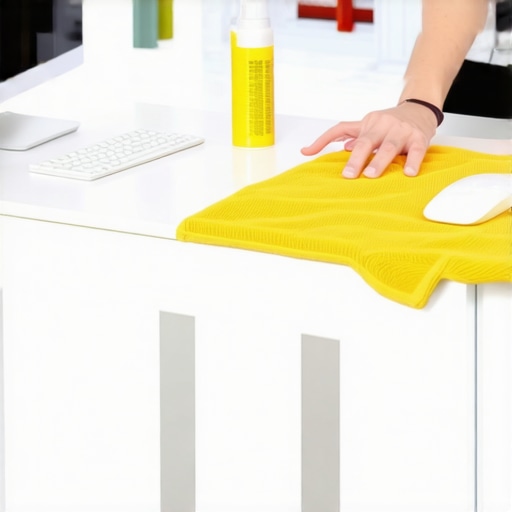
Focus on handles, switches, and knobs. Think of these surfaces as the city’s busy crossroads—frequent contact makes them hotspots for germs. For instance, I recently dedicated a morning to disinfect all door handles and light switches in my home. I used a mixture of vinegar and tea tree oil, spraying generously, then wiping with a microfiber cloth. The result was a cleaner, fresher feel without chemical fumes lingering.
Create a Natural Disinfectant Solution
Mix 1 cup of white vinegar with 10 drops of essential oil into a spray bottle filled with water. Shake well before each use. This concoction is as effective as some commercial products against bacteria and viruses, according to recent studies, and lacks the harsh chemical smell.
Apply and Wipe Effectively
Spray your solution onto the surface, ensuring coverage. Like cleaning a greasy stovetop, let it sit for a few minutes to break down grime and kill germs. Use a clean microfiber cloth to wipe surfaces thoroughly, moving in the direction of grain with wooden handles or fixtures for a polished finish. I once spent an afternoon disinfecting my kitchen handles this way, noticing how much brighter and cleaner they looked afterward.
Pay Attention to Electronic Devices
Electronics like remotes and light switches often harbor germs. Use a damp microfiber cloth with your vinegar solution to gently clean screens and buttons. Avoid soaking them to prevent damage. I recently cleaned my TV remote this way, removing sticky residues and germs without any harm.
Deep Clean Upholstery and Soft Surfaces
For fabric upholstery, incorporate a fabric-safe disinfectant or sprinkle baking soda, then vacuum thoroughly. For leather or delicate materials, use a damp cloth with a mild, vinegar-based cleaner. Regularly cleaning these surfaces maintains both hygiene and texture. Check out upholstery cleaning tips for more guidance. I once removed pet hair and odors from my sofa by lightly spritzing with my natural disinfectant and then vacuuming with attachments.
Maintain Routine for Lasting Hygiene
Disinfect high-touch surfaces at least once a day, especially during flu season. Establishing this habit prevents germ accumulation and promotes a healthier environment. Using natural remedies ensures safety for children and pets while keeping your home fresh and germ-free. Integrate these steps into your weekly cleaning schedule and observe how your space transforms into a safer haven.
Many homeowners operate under common myths when it comes to sanitizing and cleaning, which can inadvertently undermine their efforts for a truly hygienic home. For instance, widespread belief suggests that wiping surfaces once a week with chemical disinfectants is sufficient. However, studies have demonstrated that bacteria can repopulate surfaces within minutes after cleaning, especially in high-traffic areas. This misconception often leads to complacency, fostering environments where germs thrive unnoticed. Moreover, the overreliance on chemical disinfectants can cause harm to both surfaces and our health. Harsh chemicals, such as bleach, can deteriorate certain materials over time, leading to discoloration or damage—particularly on sensitive surfaces like upholstery or soft furnishings—if not used correctly. The key nuance here is knowing when and how to use natural alternatives effectively without sacrificing hygiene.
One often-forgotten mistake involves misusing disinfectants, mistaking frequency for efficacy. For example, many think that disinfecting all surfaces daily ensures cleanliness—yet over-disinfecting can strip protective layers on certain materials and may contribute to chemical resistance. Instead, a strategic approach focusing on high-touch areas, combined with proper dwell times for disinfectants, yields better results. Experts recommend letting natural disinfectants like vinegar and essential oils sit for several minutes to maximize germ-killing action, rather than quick spray-and-wipe methods that may leave microbes behind. In fact, a 2022 review published in the Journal of Environmental Health highlights that proper contact time and method are more critical than the type of cleaner used.
Another trap to avoid involves neglecting soft surfaces and upholstery during routine sanitizing. Many assume that a quick vacuum suffices, but soft furnishings can harbor dust mites, pet dander, and bacteria. Regular deep cleaning using appropriate techniques—such as steaming or applying fabric-safe disinfectants—can significantly improve indoor air quality and overall hygiene. For upholstery, specialized cleaners are often overlooked in favor of surface sprays, but as detailed in Upholstery Care Guides, thorough cleaning prolongs material life and ensures safety.
Why does natural disinfectant sometimes fall short against certain germs?
It’s a common question among advanced homeowners seeking holistic solutions. Natural agents like vinegar and essential oils are effective against some bacteria and viruses; however, their efficacy varies based on concentration, contact time, and target pathogens. According to a study published in the International Journal of Food Microbiology, vinegar exhibits limited activity against resilient microorganisms like norovirus. Therefore, understanding the limitations of natural disinfectants is essential. Combining them with physical cleaning methods or using EPA-approved disinfectants when necessary ensures comprehensive hygiene. Remember, the goal is not just cleanliness but effective germ eradication—especially during flu season or in households with vulnerable populations.
In essence, mastering the nuances of sanitizing requires moving beyond misconceptions and adopting an informed, strategic approach. Focus on knowing your surfaces, appropriate products, and methods—this awareness transforms routine cleaning into powerful hygiene defense. Have you ever fallen into this trap? Let me know in the comments.
Invest in Quality Equipment for Long-Term Results
My go-to tool is a high-quality microfiber supply system, like the Microfiber Madness Professional Cloths. These cloths are durable, reusable, and crucial for picking up dust and bacteria effectively, especially when used with natural disinfectants. I personally favor these because they retain their cleaning power wash after wash, making them a cost-effective and eco-friendly choice. Another essential is a dense, microfiber mop such as the O-Cedar Microfiber Spin Mop, which provides excellent reach and absorption for floor and upholstery cleaning, saving time and effort while delivering superior results.
Technological Aids to Boost Cleaning Efficiency
In recent years, handheld UV sanitizers, like the Violet UV Light Wand, have gained popularity for targeted disinfection of high-touch areas such as door handles and light switches. I use this device periodically—especially during flu season—to complement my natural cleaning routines. UV sanitizers don’t replace traditional cleaning but serve as powerful tools for an extra layer of reassurance. As indicated in a recent efficacy study, combining physical cleaning with UV treatment can substantially reduce germ presence.
Proper Storage and Maintenance of Cleaning Tools
Even the best equipment needs proper care. I recommend storing microfiber cloths in a sealed container and washing them at high temperatures with natural detergent to maintain their antimicrobial properties. Regularly replacing worn-out tools prevents the buildup of bacteria and ensures you’re getting the most out of your investment. For more insights on maintaining your cleaning arsenal, check out expert house cleaning secrets.
Prediction: Smarter Tools for a Safer Home
The future suggests an increased integration of smart cleaning devices, like app-controlled vacuum robots and sensor-enabled disinfectant sprayers, making home hygiene more automatic. Keeping abreast of these innovations could mean fewer hours spent scrubbing and more time enjoying a genuinely clean space.
How do I maintain my cleaning tools over time?
Regularly inspect your microfiber cloths and replace them every 50 wash cycles or when frayed. Store cleaning implements in a dry, clean place to prevent mold and bacterial growth. Periodic deep cleaning of your UV sanitizers and other equipment ensures they operate at peak efficiency. Adopting this routine prolongs their lifespan and guarantees ongoing peak performance. Remember, investing in quality tools and caring for them properly is a proven way to sustain a cleaner, healthier home. Want to elevate your cleaning game? Try hard-wiring your microfiber tools for extra durability by following this strategic cleaning guide and see significant improvements in outcomes.Throughout my cleaning journey, I learned that the biggest breakthroughs often come from overlooked details, like trusting natural disinfectants only to realize their limitations against resilient germs, or thinking that quick wipe-downs are enough when proper dwell time matters more. I discovered that even premium microfiber cloths need proper care, or they lose their antibacterial edge, and that technological tools like UV sanitizers serve as excellent supplementary measures—not replacements. These lightbulb moments transformed my routine, making me realize that achieving a truly germ-free home requires both knowledge and intentionality, far beyond surface-level cleaning. Embracing these lessons has not only improved my home’s hygiene but also fostered confidence that I can protect my loved ones without over-reliance on chemicals.