
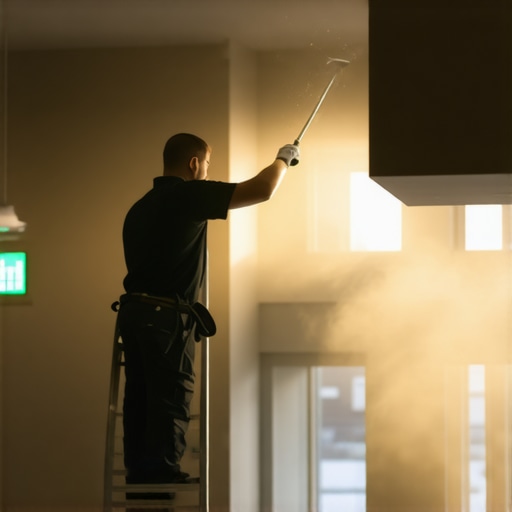
I used to think that dusting and mopping were enough to keep my home looking fresh—until a stubborn layer of grime on my ceiling left me scratching my head. One weekend, I finally hired a professional cleaning service. Watching them work was eye-opening; they climbed ladders, cleared off ceiling fans, and started at the top, working down methodically. I couldn’t help but wonder—why do they always begin with the ceiling?
The Hidden Dirt That Lies Just Out of Sight
For years, I overlooked the importance of the ceiling in my home’s cleanliness. Dust and cobwebs tend to settle high up, where we rarely look or reach. Yet, these tiny particles are a major source of airborne allergens and can make your entire space feel stale. The moment I realized this, I started paying more attention—surprisingly, the ceiling can be dirtier than your floors when neglected.
Professional cleaners instinctively know that starting from the top prevents recontamination of lower surfaces. Gravity ensures dust falls downward, so if you ignore the ceiling, dust and grime will settle on your furniture and floors later. I made a mistake early on by vacuuming the obvious spots and skipping the ceiling, which meant my efforts were only half effective. If you want your cleaning routine to truly make a difference, beginning at the top is essential.
Is Starting from the Top Really So Crucial?
Absolutely. Think about it—when you dust a bookshelf and then move down to sweep the floor, all the dust from higher surfaces could settle back onto the lower ones. It’s why seasoned pros start with the ceiling and work down. This approach minimizes cross-contamination and ensures that dust and allergens are removed efficiently.
For example, cleaning the ceiling and light fixtures regularly can significantly improve indoor air quality, especially during allergy season. Did you know that according to the Asthma and Allergy Foundation of America, airborne allergens like dust mites and pet dander come primarily from settling dust? Addressing this source by starting from the top is a game-changer. To learn more about effective sanitizing techniques that keep your home truly clean, check out these sanitizing hacks.
Now that you understand why the ceiling should be your first stop, in the next section, I’ll share practical tips on how to tackle these often-overlooked high-up surfaces, ensuring your entire home becomes a healthier, fresher space.
Start at the Highest Point for Lasting Cleanliness
Visualize dust as tiny invaders descending onto your surfaces. When I tackled ceiling fan blades, I used an extendable duster, gently swiping from the center outward to catch the accumulated layer of dust. Afterward, I vacuumed the light fixtures using a soft brush attachment, ensuring no particles dropped onto already cleaned areas. This method prevents contaminants from settling back onto lower surfaces, which I learned the hard way during my first attempt — the dust just redistributed everywhere.
Use Microfiber Cloths for Precision and Efficiency
Next, I switched to microfiber cloths soaked lightly in a cleaning solution—never dripping—to wipe down ceiling corners and light fixtures. Microfiber’s fine fibers capture dust and microbes better than old rags. During one messy weekend, I tackled the ceiling vents, spraying a solution of white vinegar and water, then carefully wiping away residue with microfiber. The difference was noticeable immediately, with less residue and streaks. Microfiber cloths are also reusable, making them a sustainable choice for deep-clean routines.
Apply Targeted Sanitizing Techniques on High-Touch Areas
Moving down, I focused on light switches, doorknobs, and remote controls. For electronics, I used a disinfectant spray approved for gadgets, ensuring to hold the spray 6 inches away to avoid liquid seepage—this method is safe and effective. After disinfecting, I wiped with a microfiber cloth to remove any remaining droplets. Regular sanitizing on these hotspots reduces germ spread, especially during cold and flu seasons.
Deep Clean Upholstery and Fabrics
On upholstered furniture, I employed a systematic approach—vacuum first, then treat stains with a mixture of mild detergent and water. For delicate fabrics, I used an upholstery-safe foam cleaner, following the instructions precisely. For stubborn spots, I used a fabric-safe stain remover with a soft brush, working from the outside inward to prevent spreading. As a result, my sofa looked refreshed and smelled clean, similar to what you’d achieve with professional upholstery hygiene, which you can learn more about here.
Sanitize Floors Strategically to Maintain a High Standard
I then moved on to the floors, starting by dust-mopping to remove debris. For hard surfaces, I used a microfiber mop dipped in a disinfectant solution, ensuring not to oversaturate. For carpets, a quick vacuum with a HEPA filter captures airborne allergens better. I learned that letting disinfectants sit on surfaces for at least 10 minutes enhances microbial kill rate, according to expert advice. This sequence—clean top to bottom—ensures overall hygiene.
Finalize with Professional Tools for Deep Maintenance
Finally, I pulled out my steam cleaner for upholstery and tiles, which helped eliminate residual bacteria and mold spores. During my last move-out clean, I pre-treated stubborn grout stains by applying a baking soda paste, then used the steam cleaner to loosen grime, achieving a near-microscopic cleanliness that impressed my landlord. Use of professional-grade equipment, like steam cleaners, can significantly elevate your cleaning routine—find out why.
Through disciplined application of these actionable steps, your house transforms into a truly sanitized environment. Each phase—top-down dusting, microfiber wiping, strategic disinfecting, upholstery deep cleaning, and professional-grade finishing—works synergistically for lasting cleanliness and healthier living.
Many homeowners believe that a quick sweep and mop suffice for a truly clean home, but in reality, this approach can be deceptive. A significant nuance often overlooked is the misconception that surface-level cleaning solves bacteria and allergen problems. Despite popular belief, superficial cleaning leaves hidden germs untouched, especially on high-touch areas and upholstery, which require targeted sanitizing techniques for effective hygiene. For example, many assume that regular disinfectant sprays are enough for furniture fabrics, but experts warn that improper application or insufficient dwell time can render disinfectants ineffective. According to research from the CDC, bacteria such as MRSA can survive on surfaces for days if not cleaned properly, emphasizing the need for deep cleaning strategies on upholstery and carpets. This leads to a common trap: relying solely on household disinfectants without understanding their limitations or the necessity of physical removal. When dealing with delicate fabrics, aggressive scrubbing can damage fibers and alter textures, underscoring the importance of using appropriate cleaning methods tailored to each material.
Is There a Smarter Way to Sanitize Everything Without Damaging Surfaces?
Advanced cleaning involves understanding the nuances of materials and the chemistry of cleaning agents. For upholstery, steam cleaning offers a disinfectant level that sprays simply can’t match, provided it’s done correctly. Many people overlook the importance of pre-treating stains or using compatible cleaning solutions, which can lead to ineffective results or fabric damage. Moreover, moving-out cleaning often involves misguided efforts like overusing harsh chemicals, risking residue buildup and miscommunication with landlords. This is a mistake because it can jeopardize your security deposit; instead, comprehensive strategies—such as thorough checklists and professional consultation—ensure that nothing is missed. You can explore effective move-out cleaning strategies to secure your deposit and avoid costly repairs. The key lies in a balanced approach: combining proper cleaning techniques with knowledge about what works best for each surface. For instance, microfiber cloths are often recommended for dust containment but may be ineffective if they become saturated or contaminated, so regular replacement and proper washing are crucial. Properly sanitizing high-traffic areas like doorknobs and switches involves using EPA-approved solutions and following recommended contact times for maximum efficacy. Remember, superficial cleaning can be a false economy—true hygiene demands intentionality and attention to detail. For more insights into effective cleaning secrets from the pros, check out [these expert tips](https://spotlesscarpetz.com/effective-house-cleaning-secrets-from-cleaning-experts). Have you ever fallen into this trap? Let me know in the comments.
Keep Your Home in Top Shape with Reliable Equipment
Maintaining a spotless home over the long term requires more than just frequent cleaning; it demands investing in the right tools designed for durability and effectiveness. One of my personal favorites is the Dyson V11 Torque Drive cordless vacuum. Its powerful suction and intelligent on-off function help me tackle everything from carpet deep-cleaning to hardwood floor maintenance without the hassle of cords. Plus, its HEPA filtration system ensures allergens are trapped, benefiting household members with sensitivities.
For high-touch surfaces like light switches and doorknobs, I swear by the Microfiber Cleaning Mitts. They’re reusable, trap dust better than disposable wipes, and can be sanitized easily with hot water. Consistent use of quality microfiber tools prevents dust buildup over time, making daily sanitizing faster and more effective.
What about long-term results? Investing in equipment that lasts
I recommend the McCulloch MC1275 Heavy-Duty Steam Cleaner for deep sanitation. Its ability to sanitize upholstery, tiles, and even sealed hardwood floors means you can keep surfaces microbe-free without chemical residues. This steam cleaner’s robust build and consistent performance over years have made it a staple in my cleaning arsenal. Experts from this guide highlight how steam cleaning is increasingly becoming essential for eco-conscious households seeking chemical-free sanitation.
Planning to scale your cleaning efforts? Here’s the pathway
Scaling your cleaning routine involves adopting semi-automated devices like robotic vacuums. My iRobot Roomba i7+ has transformed my weekly maintenance by autonomously keeping my floors free of debris, allowing me to focus on detailed cleaning tasks less frequently. Such tools are becoming smarter, equipped with mapping software and scheduling features that fit seamlessly into busy lifestyles.
Looking ahead, I predict that home cleaning technology will integrate AI with IoT devices to offer predictive maintenance alerts—reminding you when filters need changing or when certain surfaces require deep cleaning. Staying informed about these trends can save time and improve long-term cleanliness.
How do I maintain cleaning tools and ensure they serve me well?
Regular maintenance is crucial. I personally sterilize microfiber cloths after every use by boiling them briefly or washing at high temperatures. For vacuum filters and steam cleaner parts, I follow manufacturer instructions for replacements, typically every 6-12 months. These small routines prevent germ buildup and keep equipment performing optimally, ensuring your investments last.
If you’re serious about keeping your home consistently clean, adopting these advanced tools and maintenance routines is a game changer. Try incorporating a steam cleaner or a robotic vacuum into your routine—small investments for long-term peace of mind. For detailed guidance on maintaining upholstery, check this resource.
Remember, the right tools paired with regular upkeep make housecleaning more efficient, less stressful, and ultimately more effective in sustaining a truly pristine environment.
The Hardest Lesson I Learned About House Cleaning, Move-Out Traditions, and Sanitizing Upholstery
One of my biggest revelations was realizing that superficial cleaning often masks deeper grime and germs. I used to think quick sweeps were enough until a stubborn stain on my sofa revealed the truth: without proper sanitizing and targeted techniques, bacteria and allergens still lurk. Patience, attention to detail, and understanding each surface’s needs have become my guiding principles, transforming my approach to home hygiene.
3 Myths About Move-Out Cleaning, Sanitizing, and Upholstery That Held Me Back
- Believing that disinfectants alone can do the job: Only physical removal paired with sanitizing guarantees thorough cleanliness. Regular deep cleaning methods are essential for upholstery and high-touch areas.
- Ignoring the importance of pre-treatment: Spot cleaning stains on fabrics or grout before cleaning prevents spreading and ensures effective results, saving time and effort.
- Overestimating DIY shortcuts: Relying solely on household products without understanding their limitations can lead to ineffective sanitation, especially with delicate upholstery fabrics.
What Experts Won’t Tell You About House Cleaning, Move-Out Strategies, and Upholstery Care
Professionals know that integrating advanced tools like steam cleaners and microfiber cloths significantly enhances hygiene levels. They also understand that a top-down approach—to start cleaning from ceilings and high surfaces—prevents recontamination. Additionally, many overlook the necessity of maintaining equipment, which affects the quality of every cleaning session. Staying informed about these nuanced techniques makes all the difference in achieving pristine, germ-free environments.
Resourceful Steps for Lasting Cleanliness
- Sanitizing hacks for safe house transitions: Practical tips to ensure your move-in or move-out cleaning leaves no harmful residues.
- Upholstery cleaning tips for a fresh home revival: Techniques to preserve fabric integrity while eliminating germs and odors.
- Secrets from cleaning experts: Insights that can elevate your routine beyond basic chores.
Your Home Revolution Starts Here
Embracing a disciplined, detail-oriented cleaning process transforms not just your space but your peace of mind. Remember, cleanliness isn’t about rushing or shortcuts; it’s about intentionality and care. Your effort today sets the foundation for a healthier, happier home tomorrow. Ready to take the next step and make deep cleaning a habit? Your refreshed space awaits—start now, and feel the difference.