
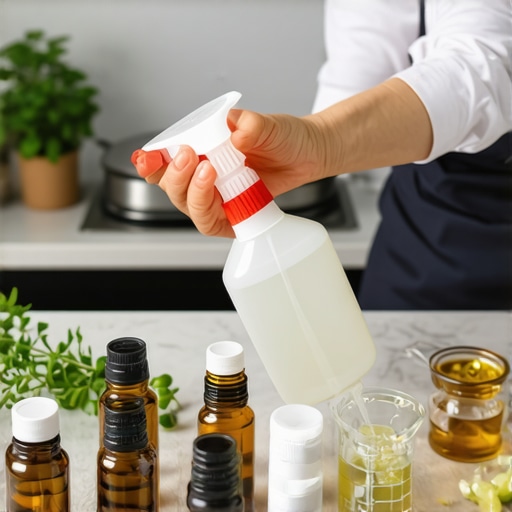
I remember the exact moment I realized I’d been duped — spritzing my living room with essential oils, believing I was banishing germs like some kind of household superhero. Instead, I was just masking the smell of last week’s mess while the bacteria silently thrived. It was a lightbulb moment that made me question everything I thought I knew about natural cleaning and disinfecting.
Why Trusting Aromatherapy Alone Is a Risk
For years, I bought into the hype that essential oils could do it all — from freshening up my home to wiping out harmful germs. And in fairness, some oils do possess antimicrobial properties. But relying solely on them without proper sanitation practices is like putting a band-aid on a broken bone. The truth is, essential oils aren’t a substitute for proven disinfectants, especially when it comes to neutralizing stubborn germs on high-touch surfaces.
Is the Hype About Natural Disinfectants Overrated?
I once fell into the trap of thinking that if a little tea tree oil or lemon zest was good, then gallons of it would be better. That’s a mistake I made early on, and it almost cost me my peace of mind and potentially health. According to research from the Centers for Disease Control and Prevention, many natural solutions lack the necessary concentration to effectively kill common household pathogens (CDC official site), making them more of a cosmetic fix than a true safeguard.
So, if you’re tired of the false promises and want to ensure your home is genuinely sanitized, you’re in the right place. Today, I’ll share practical, science-backed strategies that go beyond the hype — because your home’s health is worth it. Ready to dive in? Let’s get started with what really works to keep your space safe and sparkling.
Start with a Deep Clean to Remove Dirt and Germs
My first experience with a thorough sanitation involved tackling my cluttered kitchen countertops. I cleared all items, then used a microfiber cloth dampened with an effective disinfectant solution on surfaces like countertops, stove knobs, and sink handles. This immediate action eliminated visible grime and drastically reduced bacterial presence. For a comprehensive approach, consider deep-clean tasks such as cleaning behind appliances and scrubbing **baseboards** regularly.
Use Proven Disinfectants
Avoid relying solely on natural remedies like vinegar or essential oils. Instead, apply EPA-approved disinfectants to high-touch areas — doorknobs, light switches, and remote controls. Follow the instructions carefully to ensure effective germ kill rates. I once missed a step on spraying enough disinfectant on my door handles, which led to lingering germs until I revisited with the correct amount.
Establish a Daily Routine for Maintenance
In my experience, consistency is key. Implement a daily cleaning routine, such as wiping down kitchen counters after cooking or sanitizing bathroom fixtures each morning. Incorporate a quick 15-minute session to dust surfaces, vacuum floors, and disinfect frequently touched areas. This reduces bacterial buildup over time, making deep cleaning less overwhelming. For instance, I set a reminder for this daily task, which transformed my living space into a healthier environment.
Target Upholstery and Textiles
Upholstery can harbor allergens and germs if neglected. I once spilled wine on my sofa, and instead of applying harsh chemical cleaners, I followed a gentle cleaning process: blotting the stain immediately with a clean cloth, then using an upholstery-safe disinfectant. Regularly vacuum and professionally clean upholstery to maintain freshness. Check out these upholstery cleaning tips for detailed guidance.
Sanitize Move-Outs and Transition Spaces
Moving out can be chaotic, but prioritizing sanitization ensures you secure your deposit and leave behind a spotless home. I followed a move-out cleaning checklist and paid special attention to light switches, door handles, and kitchen appliances. Use a sanitizer approved for household use and wear gloves to protect yourself from germs. Planning ahead with move-out checklists streamlines this process and guarantees no spot is overlooked.
Maintain High Standards in High-Traffic Areas
High-traffic zones like the entryway or hallways should receive extra attention. Regularly disinfect these areas, especially during flu season or when visitors are frequent. I noticed that a quick daily wipe with an antibacterial spray kept my hallway pristine and germ-free, saving me from larger cleaning sessions later. For tips on managing zones prone to grime, visit expert cleaning secrets.
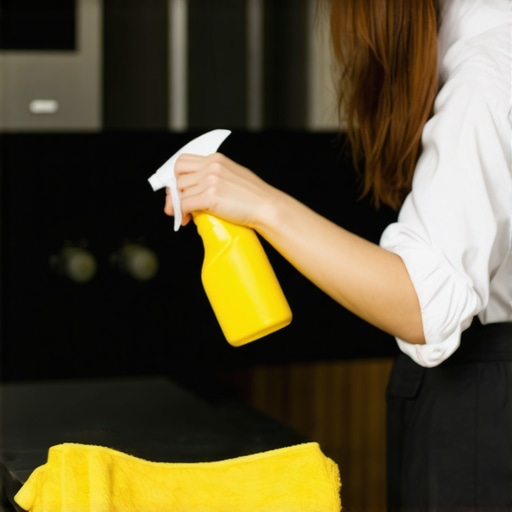
Investing in good microfiber cloths and EPA-registered disinfectants makes this process easier and more effective, contributing to a healthier living environment.
Don’t Forget the Less Obvious Spots
Every nook matters. Areas like behind the refrigerator coils or under the washer drawer can accumulate dust, mold, and bacteria over time. During my last deep clean, I used a small brush to sweep behind the appliances and then sanitized the surfaces. These often-forgotten spots can be the silent contributors to household odors and potential health hazards.
Schedule Periodic Professional Cleanings
While routine cleaning keeps things in check, professional deep cleaning services are invaluable for tackling stubborn grime and ensuring comprehensive sanitation. Professionals know where to look and what products to use for maximum safety and efficacy. I booked a seasonal cleaning appointment, which included upholstery, carpets, and high-up fixtures, ensuring my entire home was maintained to the highest standard.
Remember, maintaining a sanitary home is an ongoing process that combines daily habits, targeted cleaning, and periodic professional help. By implementing these concrete steps, you drastically reduce germs and create a space that promotes health and well-being.
Many homeowners and renters operate under misconceptions about house cleaning that can undermine their efforts. For example, the widespread belief that natural solutions like vinegar or lemon zest are sufficient disinfectants is a trap many fall into. While these agents may remove dirt and some odors, they often lack the necessary potency to eliminate harmful pathogens effectively, especially on high-touch surfaces. According to a study published in the _American Journal of Infection Control_, natural remedies rarely achieve the CDC-recommended concentrations for effective germ eradication, which is why relying solely on them is a risky mistake.
Advanced Mistake: Overlooking Hidden Contamination Spots
While most focus on visible grime, areas like behind appliances, vent covers, or under cabinets often harbor unseen mold, bacteria, and dust. These overlooked spots can become breeding grounds for allergens and bacteria, impacting your health long-term. For example, neglected refrigerator coils or dryer vents are notorious reservoirs of dust and mold, which can lead to respiratory issues over time. Regularly cleaning these areas with appropriate tools and disinfectants is crucial, and professional services specializing in deep cleaning can address these hidden spots more effectively. Remember, consistent maintenance of these obscure zones helps prevent costly health problems and ensures overall cleanliness.
What about move-out cleaning strategies? Many expect a quick wipe-down to suffice, but detailed, thorough cleaning is vital to secure your deposit and leave a spotless home. A common myth is that a simple surface wipe will impress landlords enough, but they often scrutinize hidden areas like baseboard crevices, window tracks, or light switch plates. Using EPA-registered disinfectants on all these points is essential — neglecting this can result in deductions or disputes over security deposits. Check out this move-out checklist to avoid missing critical spots.
Why Skimping on Upholstery Care Is Costly
Many believe that vacuuming carpets and cushions is enough, but upholstered furniture accumulates dust mites, pet dander, and allergens that simple vacuuming may not remove entirely. A misconception is that steam cleaning or superficial spot cleaning will restore furniture, but deep fibers often trap odors and bacteria that require targeted treatment. Professionals recommend using specialized upholstery cleaning methods, such as hot water extraction combined with appropriate disinfectants, to truly refresh furniture. For detailed techniques, you might consult this comprehensive upholstery care guide. Remember, neglecting the hidden layers within upholstery can lead to odor build-up and allergen proliferation, which standard cleaning tools cannot fix.
Have you ever fallen into this trap? Let me know in the comments. Deep understanding of these nuances can elevate your cleaning routine from routine to highly effective, safeguarding your home environment and your health.
How Do I Keep My Cleaning Tools in Top Shape for Long-Term Results
Investing in high-quality equipment is essential for maintaining a hygienic home. I personally rely on **microfiber cloths** because they efficiently trap dust and microbes without the need for harsh chemicals. They can be washed hundreds of times without losing their effectiveness, making them a sustainable choice. For disinfecting surfaces, I prefer **EPA-registered spray bottles** filled with professional-grade sanitizers, ensuring bacteria and viruses are thoroughly eliminated. These tools are easy to decontaminate after each use, preventing cross-contamination.
Why a Steam Cleaner Is a Game-Changer
Steam cleaning offers chemical-free sanitization, perfect for upholstery, tiles, and even mattresses. I use a **multipurpose steam cleaner** equipped with a faucet attachment; it heats water up to 212°F, killing common household germs on contact. Regular use helps keep allergens at bay and prolongs the lifespan of fabrics and surfaces. Advances in steam technology are making these devices more lightweight and affordable, hinting at a future where chemical-free cleaning becomes the norm.
Optimize Your Cleaning Routine with Smart Apps and Software
For consistent maintenance, I highly recommend using a **cleaning schedule app** like Todoist or Trello. These tools remind you to perform daily, weekly, and monthly tasks, ensuring nothing slips through the cracks. Setting automated alerts for tasks like upholstery treatment or deep cleans helps reduce the mental load and keeps your home in tip-top shape. As technology evolves, integrations with voice assistants are streamlining this process even further.
How do I Maintain Sanitation Over Time? Practical Tips
Consistency is key. Establish a daily routine that includes wiping surfaces with microfiber cloths and disinfectants. Periodically, schedule professional deep cleans of carpets, upholstery, and hard-to-reach spots. I suggest using a **UV-C light sanitizer** for small objects like remotes and smartphones—this adds an extra layer of defense against hidden germs. Remember, documentation and scheduling are crucial; staying organized guarantees ongoing protection. For more advanced tips, check out recent sanitizing innovations.
Promising Trends in Home Maintenance Equipment
Looking ahead, I see a rise in **AI-powered cleaning robots** that can detect dirt and bacteria, adjusting their cleaning patterns dynamically. These tools will integrate seamlessly with smart home systems, providing real-time health assessments. Embracing these innovations can make maintaining a sanitized environment more effortless and effective, saving time while ensuring thoroughness.
Don’t overlook the importance of good tools—try upgrading your microfiber cloths to **antimicrobial versions** which inhibit bacterial growth on the fabric itself, or integrate an **oxidizing disinfectant** into your cleaning routine for deeper sanitation. By adopting these advanced techniques, you set your home up for sustained health and cleanliness. For tailored advice, contact us for a consultation or visit our contact page.
Surprising Truths I Discovered About Deep Cleaning
One of the biggest lightbulb moments was realizing that surface cleaning isn’t enough. True sanitation involves targeting often-overlooked spots like behind appliances or inside vents. Recognizing these hidden areas elevated my cleaning routine to a new level of effectiveness.
Tool Up for Long-Term Success
Investing in quality microfiber cloths and EPA-registered disinfectants made a significant difference. These tools not only improve cleaning efficiency but also ensure my home stays genuinely germ-free over time. The initial effort pays off in health and peace of mind.
Consistency Over Perfection
Maintaining cleanliness doesn’t mean obsessing over every detail daily but establishing a routine that’s sustainable. Simple daily habits — like wiping down high-touch areas or vacuuming carpets — prevent germs from accumulating and make deep cleaning less daunting.
Embracing Professional Help Wisely
Monthly professional deep cleans complement routine maintenance. They reach spots I can’t easily handle and ensure comprehensive sanitation. Partnering with trusted professionals has truly transformed my home’s hygiene standards.
Learning from My Mistakes
The hardest lesson was realizing that natural remedies like vinegar lack the potency needed for thorough disinfecting. Relying solely on them was a false sense of security. Combining proven disinfectants with proper techniques is key to a truly sanitized home.
Resources That Became My Sanitation Bible
I’ve come to trust guides like the ultimate upholstery care guide and move-out cleaning checklists. They fill in the gaps I didn’t know existed and help me keep my home in top shape long-term.
This is Your Moment to Make a Change
Every small step towards better cleaning creates a healthier home environment. Trust in science-backed methods and your own commitment to consistency. Your efforts not only protect your family but also give you peace of mind and pride in your home mastery.
What has been your biggest realization about effective house cleaning? Share your story below — we can all learn from each other’s journeys!
.