
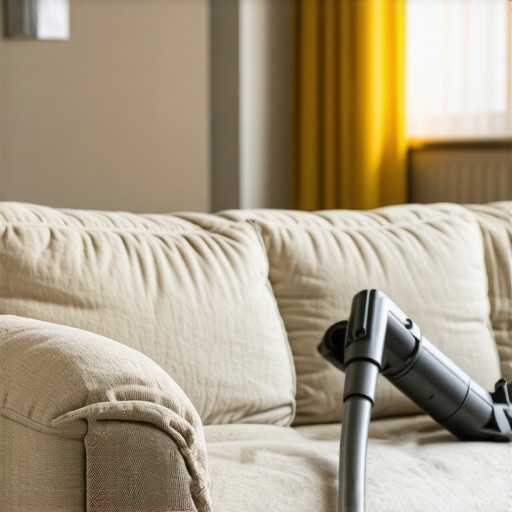
Ever dadoed out your cozy couch, fluffing the cushions and running that trusty vacuum over every inch, only to be met with an overwhelming, funky smell? I used to think a quick vacuum would do the trick—after all, I was cleaning less, sweating less, and felt pretty proud of my efforts. But that stubborn odor? It persisted. The smell was like an uninvited guest that refused to leave, turning my relaxing evenings into bouts of denial and frustration.
That Lightbulb Moment: When I Realized Vacuuming Isn’t Enough
It hit me one afternoon as I was hosting friends. The sofa looked pristine—no visible crumbs or pet hair, just the faint but unmistakable scent of yesterday’s leftovers. I thought, “Why does my fabric sofa still smell even after I vacuum?” Turns out, my super-cleaning routine was missing one crucial step. The truth is, vacuuming primarily removes surface debris and loose dirt; it doesn’t tackle the hidden bacteria, mold, or deeper odors trapped in the fabric fibers. That realization was a game-changer.
This experience made me dive into upholstery cleaning and sanitizing methods beyond just pulling out the vacuum. And let me tell you, it’s not just about freshening up for guests—it’s about maintaining a healthy, inviting space that doesn’t just look clean but smells clean, too.
If you’ve ever faced this stubborn smell, keep reading. Today, I promise to share practical, realistic tips rooted in my own journey to a fresher sofa—no expensive tech, just simple hacks that WORK.
Is Sanitizing Your Couch Worth the Effort or Just a Fad?
Early in my cleaning adventures, I made the mistake of thinking that a quick spritz of air freshener would mask the odor. Spoiler: It just made things worse, layering fake scents over genuine dirt and bacteria. According to experts, proper sanitizing not only removes odorous compounds but also kills off bacteria and mold lurking inside your fabric—things that vacuuming can’t touch. So, ask yourself—are you just covering up smells, or are you really addressing the root cause?
If you’re tired of pet odors, musty smells, or lingering food scents, it’s probably time to embrace more effective cleaning strategies. Want to learn exactly how? Let’s get to the good stuff.
Deep Clean Upholstery to Eliminate Hidden Odors
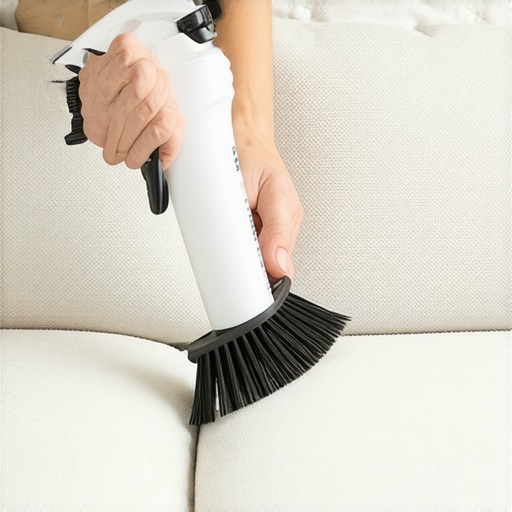
Start with vacuuming your fabric furniture thoroughly using the attachment to remove surface dust, pet hair, and loose dirt. I vividly remember the time I spent 20 minutes vacuuming my sofa, only to find stubborn pet dander still lingering. To go deeper, apply an upholstery-safe cleaner or a mixture of mild detergent and water, then use a soft-bristled brush to loosen embedded grime. Focus on seams and creases where dirt accumulates. After brushing, use a clean microfiber cloth to absorb excess moisture. Regular cleaning intervals prevent the buildup of odor-causing bacteria and allergens.
Sanitize with Natural and Safe Methods
Use Vinegar and Baking Soda for Freshness
Mix equal parts white vinegar and distilled water in a spray bottle. Lightly mist your upholstery, avoiding saturation, then let it air dry. This natural disinfectant kills bacteria and neutralizes odors. For tougher smells, sprinkle baking soda on the fabric, let it sit for 15-20 minutes, then vacuum thoroughly. I tried this after a spilled coffee incident on my armchair, and it worked wonders without harsh chemicals, restoring the fabric’s texture and smell.
Employ Commercial Upholstery Sanitizers
If natural remedies aren’t enough, consider using upholstery sanitizing sprays approved for fabric surfaces. Always test in a small hidden area first to prevent discoloration. These products contain germ-killing agents that eradicates bacteria and mold, especially important in damp, poorly ventilated spaces. After applying, allow your furniture to dry completely before use.
Tackle Hidden Bacteria with Household Hacks
For an extra layer of sanitization, create a mixture of hydrogen peroxide, dish soap, and water, then lightly spray on the fabric and wipe gently. This kills germs and breaks down organic matter that contributes to smells. When I sanitized my apartment’s sofa this way, I noticed a significant reduction in musty odor. For hard surfaces like wood or plastic furniture, disinfect with a diluted bleach solution, following proper safety guidelines.
Focus on Fabrics and Household Surfaces
Don’t forget that all surfaces need attention. Use a microfiber cloth dampened with an appropriate disinfectant for light switches, doorknobs, and remote controls. These high-touch areas harbor germs that can transfer odors or cause illness. Regularly sanitizing these spots [see effective-sanitizing-methods-for-a-germ-free-home](https://spotlesscarpetz.com/effective-sanitizing-methods-for-a-germ-free-home) can dramatically improve indoor air quality. For fabric curtains or drapes, consider laundering or steam cleaning periodically to eliminate odors and allergens.
Prepare for Move-Out and Fresh Start
Before moving, conduct a thorough cleaning session, following a move-out checklist [like this one](https://spotlesscarpetz.com/move-out-clean-checklist-to-simplify-your-transition), to ensure every corner, fiber, and surface is sanitized. Applying these strategies not only earns you the best deposits refund but also creates a healthier environment. Revisit professional tips or contact experts [here](https://spotlesscarpetz.com/contact-us-2) for guidance on stubborn stains or comprehensive cleaning.
Remember, consistent cleaning and sanitizing routines prevent odors from re-emerging and keep your home inviting. Regular upkeep, combined with these proven methods, transforms your space into a truly fresh and clean sanctuary.
 Many assume that standard cleaning practices are sufficient for move-out scenarios or upholstery maintenance, but this mindset often leads to overlooked nuances that can make or break your deposit return or the longevity of your furniture. A common myth is that simply vacuuming or decluttering guarantees a thoroughly clean and sanitized space. In reality, superficial cleaning does little to address bacteria, mold, or deep-seated odors, which can re-emerge and cause issues during inspections or longevity problems. Experts stress that understanding the difference between surface cleaning and true sanitizing is crucial—failing to implement comprehensive methods can trap invisible germs and allergens, leading to health concerns and potential deposit deductions. An advanced mistake I observed is the over-reliance on natural remedies like vinegar or baking soda without proper testing, which may cause fabric discoloration or damage when used improperly. These solutions are effective but only when applied with awareness of fabric type and cleanliness goals. Consider consulting detailed guides like the Ultimate Upholstery Care Guide for nuanced techniques tailored to different fabrics. Additionally, many overlook the importance of high-touch surfaces in cleaning routines, which harbor bacteria and can transfer odors or illnesses. Proper disinfection protocols around switches, handles, and remotes are often skipped, hampering overall sanitation. Remember, comprehensive move-out cleaning includes not just visible dirt but residues on unseen surfaces. Avoid the trap of thinking that a quick wipe or spray will suffice; instead, follow proven strategies like detailed checklists available at this comprehensive move-out checklist. Understand that advanced cleaning involves combining multiple methods—vacuuming, targeted disinfection, fabric treatment, and surface sanitizing—to ensure all hidden contaminants are eliminated. Stay ahead by avoiding common misconceptions and embracing detailed, expert-backed procedures. Did you know that improper cleaning can even void warranty claims or damage fabric fibers? To learn more about avoiding these pitfalls, visit our contact page for expert advice. Have you ever fallen into this trap? Let me know in the comments.
Keep It Running: Tools I Recommend for Effective House Maintenance
When it comes to maintaining a spotless and sanitized home, having the right tools is half the battle won. I personally swear by a few key pieces of equipment that make deep cleaning, upholstery care, and sanitizing more manageable and effective. Investing in quality tools not only saves time but ensures your efforts yield long-lasting results, especially when prepping for move-out or tackling stubborn odors.
The Power of a Good Upholstery Steam Cleaner
One of my top recommendations is a high-quality upholstery steam cleaner. I use the steam cleaning method for deep sanitation without harsh chemicals. It effectively loosens dirt, kills bacteria, and deodorizes fabric surfaces, extending the lifespan of furniture. When choosing one, prioritize models with adjustable steam output and large water tanks—these features improve efficiency and ease of use.
Microfiber Cloths and Extenders for Detail Work
For dusting high and hard-to-reach spots, I rely on microfibers paired with extendable dusters. They trap dust and microbes better than standard cloths, making sanitation quicker and more thorough. Additionally, microfibers are washable and eco-friendly, providing excellent long-term value. These tools are indispensable when sanitizing high-touch areas during flu season or after a guest stay.
Smart Sprayers for Precise Disinfection
When sanitizing, precision matters. I recommend a Fine Mist Spray System that allows for even coverage of disinfectants like hydrogen peroxide solutions or natural sanitizing agents. Proper application ensures no surface is missed, and the mist’s fine distribution prevents over-saturation, protecting fabrics and surfaces. This approach is vital for maintaining high standards over months, not just days.
Predictions for Future Cleaning Trends
Looking ahead, I believe automation and AI-integrated cleaning devices will become more common, making home sanitation even smarter. Robots equipped with advanced sensors could soon handle upholstery, floors, and surfaces with minimal human input—saving time and reducing exposure to cleaning chemicals. Staying up-to-date with these innovations ensures your home remains at the forefront of hygiene standards.
How do I maintain my cleaning tools over time?
Proper maintenance of your cleaning tools amplifies their lifespan and efficacy. Regularly rinse and dry microfiber cloths, descale steam cleaners according to manufacturer instructions, and check spray nozzles for clogs. For example, a study from The Ultimate Upholstery Care Guide emphasizes that neglecting tool upkeep can reduce performance and introduce bacteria. Incorporate routine checks and cleaning of your equipment to keep everything working flawlessly. For a comprehensive guide on maintaining your tools, visit our contact page for expert advice.
Try implementing a scheduled maintenance routine for your tools—set reminders to descale, wash, and inspect. This simple yet effective habit ensures your cleaning arsenal remains powerful for months and years to come. Remember, a well-maintained tool is your best ally in achieving a truly sanitized and fresh home environment.
Lessons That Changed My Cleaning Approach
One of the most eye-opening lessons I learned was that surface cleaning is just the tip of the iceberg; truly fresh and healthy living spaces require addressing hidden bacteria and odors. I also discovered the importance of regularly sanitizing high-touch surfaces—something many overlook but that makes a measurable difference in household hygiene. A personal breakthrough was understanding that natural remedies like vinegar are effective only if used correctly and with awareness of fabric types, preventing accidental damage. Lastly, I realized that investing in quality cleaning tools like upholstery steam cleaners and microfiber cloths magnifies cleaning effectiveness and efficiency, transforming routine chores into powerful health safeguards.
Tools and Resources That Elevated My Home Care Game
The effective-house-cleaning-secrets-from-cleaning-experts guide became my bible for comprehensive cleaning strategies, blending professional insight with DIY practicality. For upholstery-specific care, I trust the Ultimate Upholstery Care Guide, which helped me select the right cleaning agents and techniques tailored to different fabrics. My go-to tools include a high-quality upholstery steam cleaner, microfiber cloths, and smart disinfectant sprayers—each chosen for their effectiveness and eco-friendliness. These resources and tools have consistently helped me maintain a home that feels not just visibly clean but genuinely sanitized, reducing allergens and long-term odors alike.
Your Path to a Truly Fresh Home Starts Here
Embrace these techniques and tools with confidence—your home’s health and your peace of mind depend on consistent, mindful cleaning and sanitizing. Every step you take toward thoroughness not only enhances your space’s cleanliness but also elevates your well-being. Remember, each small effort compounds into a healthier, more inviting environment that you and your loved ones deserve. So, why not start today? Your journey to a perpetually fresh and sanitized home begins with that first dedicated move-out or upholstery cleaning session. You’ve got this—just take that step forward.
What’s the biggest challenge you face when trying to keep your home truly clean and odor-free? Let me know below!