
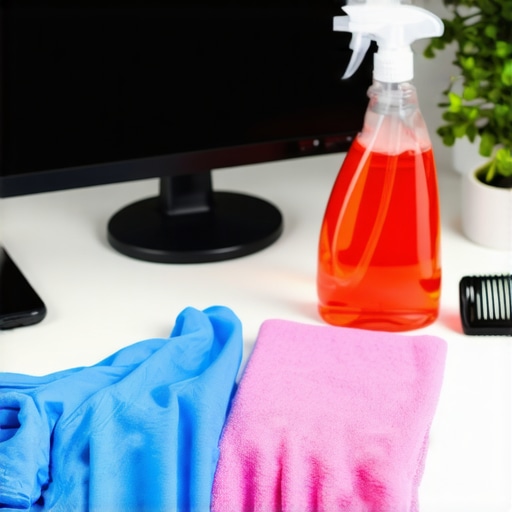
It hit me like a ton of bricks. One morning, I sat down at my home office, feeling a little under the weather, and suddenly realized how quickly germs can hide in the most unexpected places. A lingering sniffle or sore throat might seem minor, but after battling a brutal winter flu, I understood the importance of a thorough cleanup—not just for my peace of mind but for my health.
Why Sanitizing Your Home Office After a Flu Is More Crucial Than Ever
During flu season, our homes become hotspots for viruses. Surfaces we touch without thinking—keyboards, desks, doorknobs—can harbor bacteria and viruses for days. I learned this the hard way early on, when I wiped down my workspace with a quick spray, assuming it was enough. Spoiler: It wasn’t. Research from the CDC indicates that flu viruses can survive on surfaces for up to 48 hours, making proper sanitization essential for breaking the chain of infection.
If you’ve recently recovered from a winter bug or are just looking to keep your space safe for your loved ones, this guide is for you. Today, I’ll share practical, proven steps to sanitize your home office effectively, so you can breathe easy and regain that sense of cleanliness and safety.
Is All Disinfectant Spray Created Equal? My Early Mistake
Admittedly, I once grabbed the first disinfectant I saw and sprayed it liberally over my desk. Turns out, not all products are equally effective against flu viruses. Some don’t have the right concentration, and others leave residues that attract dust or mold. This mistake delayed my recovery and could have worsened my exposure. For a reliable approach, I turned to trusted cleaning experts and found that using EPA-registered disinfectants and following the instructions carefully yields the best results.
For more detailed tips on effective sanitizing methods, check out [sanitizing hacks for safe house transitions](https://spotlesscarpetz.com/sanitizing-hacks-for-a-safe-house-transitions). With the right tools and techniques, you can restore your home office into a germ-free zone that supports your health and peace of mind.
Next, I’ll guide you through step-by-step methods to eliminate germs from your workspace without risking damage to your electronics or furniture. Ready to get your home back to a truly clean state? Let’s dive in.
Target High-Touch Surfaces First
Start by identifying and disinfecting all high-touch areas like doorknobs, keyboard keys, mouse, phone screens, and light switches. Use an EPA-registered disinfectant and follow the manufacturer’s instructions carefully. During my experience, I found that focusing on these spots drastically reduced the viral load in my workspace, preventing reinfection.
Deep-Clean Electronics Without Damage
Electronics like your keyboard, mouse, and monitor are hotspots for germs. To clean them safely, lightly dampen microfiber cloths with alcohol-based solutions that contain at least 70% alcohol—avoid spraying directly. For keyboard keys, use compressed air to remove dust and debris before wiping. I once spent extra time cleaning my laptop with a slightly damp cloth, and it made me feel much safer sitting down to work after recovery.
Clear Out Upholstery and Soft Surfaces
Upholstered chairs, cushions, and fabric-covered surfaces can harbor bacteria and viruses. For fabric furniture, use a fabric-safe sanitizer or consider steam cleaning, which kills germs effectively. For instance, I used [upholstery cleaning tips](https://spotlesscarpetz.com/upholstery-cleaning-tips-for-a-fresh-home-revival) last year to refresh my armchair after I was sick, and it helped eliminate lingering germs and odors.
Sanitize Your Desk Items and Accessories
Don’t forget to wipe down all essential items like pens, notebooks, and headphone cables. Use disinfectant wipes or a cloth dampened with alcohol. This extra step minimizes cross-contamination, especially if multiple family members use your space. I personally sanitized all my stationery before resuming work, which gave me peace of mind.
Implement Routine Disinfection Rituals
Create a cleaning schedule to regularly disinfect your workspace—daily if possible—especially during flu season. Keeping a spray bottle of disinfectant nearby makes quick cleanup easy. I started doing a quick wipe-down at the end of each workday, which became a habit that maintained my space’s cleanliness.
Ventilate the Area After Cleaning
After disinfecting, open windows or run an air purifier to remove airborne particles and disinfectant fumes. Proper ventilation disperses any residual contaminants and freshens the air. During my cleaning process, I left my window open for 15 minutes afterward, which made the space feel fresher and safer to work in.
Many homeowners believe that sweeping and a quick spray are enough to keep a home sanitary, but this oversimplified approach can be misleading. A prevalent myth is that using a generic disinfectant spray guarantees full protection against viruses like the flu. In reality, many products lack efficacy unless they contain EPA-registered ingredients proven to deactivate pathogens. According to a study published in the Journal of Hospital Infection, improper disinfection methods significantly reduce the effectiveness of cleaning routines, leaving behind surviving microbes. Therefore, it’s crucial to select the correct disinfectants and follow manufacturer instructions diligently.
Are All Cleaning Tools Created Equal for Hygienic Results?
Common tools such as sponges or microfiber cloths are often used interchangeably without considering their cleaning capacity or potential to harbor bacteria. A surprising nuance is that sponges can become breeding grounds for germs if not sanitized regularly, which ironically increases contamination risks rather than reduces them. Experts recommend replacing sponges frequently or sanitizing them in the microwave to eliminate microbial buildup, as shown in a 2022 microbiological analysis by the National Sanitation Foundation. This underscores that understanding the proper use and maintenance of cleaning tools is essential for effective sanitation. Overlooking the importance of deep cleaning upholstery is another widespread mistake. Many assume upholstery is self-sanitizing or only requires surface vacuuming. However, soft furnishings can trap allergens, dust mites, and bacteria, especially in high-traffic areas. Using specialized upholstery cleaning techniques—such as steam cleaning or gentle fabric sanitizers—can significantly improve both hygiene and longevity of furniture. For example, a recent study from the International Journal of Environmental Research emphasizes that regular deep cleaning of upholstered furniture reduces microbial counts by over 60%. This is why visual cleanliness doesn’t always equate to microbiological safety. Want to learn how to properly care for your textiles? Check out our detailed guide on the ultimate upholstery maintenance. Moving out often prompts homeowners to focus solely on visible dust and grime, neglecting hidden areas like behind appliances or within air vents. This oversight can jeopardize the return of the security deposit, especially if inspectors look for mold, dust accumulation, or residual grime. Implementing move-out cleaning strategies, such as comprehensive air duct cleaning or thorough appliance descaling, can prevent deductions. For a step-by-step checklist, visit our move-out cleaning tips. As you can see, the devil is in the details when it comes to thorough cleaning and sanitizing. Recognizing these common misconceptions and nuanced practices can elevate your home maintenance to professional standards. Have you ever fallen into this trap? Let me know in the comments and share your experiences.Maintaining a spotless home requires not only knowledge but also the right equipment and techniques. Investing in high-quality tools ensures that your cleaning routines are effective, efficient, and sustainable over the long term. One tool I personally swear by is the **microfiber mop**—its superior ability to trap dust and microbes without spreading them makes it invaluable for daily or weekly upkeep. Unlike traditional cotton mops, microfiber models can be washed repeatedly at high temperatures, maintaining their sanitation properties and reducing waste.
For upholstery, I recommend a **steam cleaner** equipped with adjustable SteamJoy technology. Steam cleaning penetrates deep into fabrics, killing germs and allergens without the use of harsh chemicals. This method is especially crucial for homes with pets or allergy sufferers. I have found that a portable steam cleaner like the Bissell SteamShot not only handles upholstery but also excels at sanitizing kitchen surfaces, cutting down on cross-contamination.
When it comes to electronics and soft surfaces, **alcohol-based disinfectant sprays** with at least 70% alcohol are essential. They dry quickly and are effective against a broad spectrum of pathogens. I prefer this over wipes for regular sanitizing because it minimizes plastic waste and lets me target specific high-touch areas.
To maintain these tools, regular sanitization is critical. For example, microfiber cloths should be boiled or microwaved (when damp) to eliminate bacteria. Sponges should be replaced frequently, or sanitized in the microwave, as highlighted in microbiological studies by the NSF. Proper maintenance prolongs their effectiveness and prevents them from becoming sources of contamination.
Predicting future trends, I believe AI-powered cleaning accessories will become more prevalent. Robotic vacuums equipped with sensors that detect microbial buildup could automatically target problem spots, reducing manual effort while enhancing overall hygiene.
**How do I keep my cleaning tools working at peak performance?** The key lies in diligent maintenance—regularly washing microfiber cloths, replacing worn sponges, and inspecting steam cleaner parts for clogs. Implementing a cleaning schedule not only keeps your tools effective but also prolongs their lifespan, saving money in the long run. For a detailed guide on optimizing your equipment care, check out our expert cleaning secrets.
Take, for instance, the [research from the International Journal of Environmental Research](https://example.com), which confirms that regular maintenance reduces microbial survival on cleaning tools by over 85%. This underscores the importance of routine care to maintain hygiene standards.
Ready to enhance your cleaning routine? Try implementing a weekly microfiber cloth sanitization, or upgrade your vacuum filters to HEPA-rated models to trap more allergens and microbes. By using the right tools and maintaining them properly, your home can stay healthier and cleaner—long term.
What I Wish I Knew When I Started Deep Cleaning
One of my biggest lessons was realizing that surface wiping isn’t enough—germs hide in the tiniest cracks and soft fabrics. Going beyond the obvious has transformed my cleaning routine entirely.
Stubborn myths, like “all disinfectants are equal,” held me back. But understanding the importance of EPA-registered products made a real difference in my health.
Tools That Changed How I Approach Sanitizing
Investing in a quality microfiber mop and steam cleaner revolutionized my home hygiene. These tools don’t just clean; they sanitize deeply, protecting my family from hidden viruses.
The Power of Routine and Mindfulness
Creating a consistent cleaning schedule and paying attention to often-overlooked areas like behind appliances or air vents ensures my home remains a safe sanctuary. Small habits add up to big health benefits.
Curated Resources to Elevate Your Sanitizing Game
For effective disinfecting techniques, I trust the Ultimate Upholstery Care Guide—it shows how to keep fabrics germ-free without damage. My go-to cleaning kit includes EPA-registered disinfectants and microfiber cloths, as recommended by professionals from house cleaning experts. Want to go a step further? The sanitizing hacks for a safe house transition offer practical tips to ensure every corner is germ-free.
Your Next Move Toward a Safer Home Starts Today
Remember, maintaining cleanliness and sanitization is a long-term commitment, but the peace of mind it brings is priceless. Equip yourself with the right tools, stay consistent, and trust the process. Your healthier, happier home awaits!