
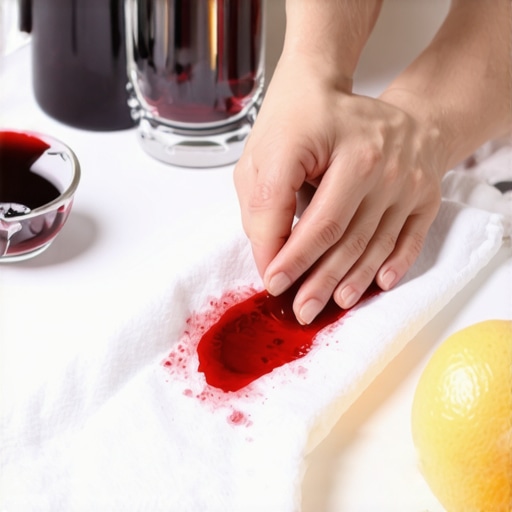
It was late one Friday evening when I saw the dreaded red wine spill spreading across my favorite beige sofa. Panic froze me for a second—what if I ruined it forever? I quickly grabbed a cloth, only to start rubbing furiously, which, as I later learned, was the worst move I could make. That moment was my lightbulb—realizing that rubbing might set the stain deeper into the fabric. Since then, I’ve dedicated myself to finding effective ways to lift red wine stains without harming upholstery. Today, I want to share my journey and the foolproof techniques I’ve perfected. If you’ve ever faced a similar spill, you know the sinking feeling—it’s like watching a lovely piece of furniture turn into a blotchy canvas overnight. But relax, because there’s hope. By the end of this post, you’ll learn how to treat those stubborn stains gently but effectively, saving your furniture and your peace of mind.
Why Rubbing Is the Worst Enemy of Upholstery
Rubbing a stain might seem intuitive—think of scrubbing a dish spot or cleaning a muddy shoe. But in the world of fabric, it’s actually a common mistake. When you rub a red wine spill, you’re pushing the liquid deeper into the fibers or spreading it wider, making it harder to remove later. Early on, I made the mistake of scrubbing vigorously, thinking it would speed things up. Instead, I just set the stain better and made my cleanup more frustrating. I soon discovered that the key to removing red wine from fabric isn’t rubbing but employing gentle, targeted actions that lift the stain without damaging your furniture. If you’re tired of fighting stubborn stains and want a more effective, less destructive method, stick around. I’ll guide you through techniques that I’ve tested and trusted—methods that actually work.
What’s the Big Deal About Gentle Stain Removal?
Many folks, myself included early on, underestimate the damage rubbing can do. It can cause fibers to fray, colors to fade, or even worsen the stain by pushing it further into the fabric. A simple mistake I made was assuming that every stain needs harsh chemicals or aggressive scrubbing, but the truth is, patience and a gentle touch often beat brute force. For comprehensive tips on upholstery care, I recommend checking out this guide. It’s packed with expert advice and proven strategies. Now, let’s move beyond the mistake and explore how to lift that stubborn red wine mark without risking your fabric’s integrity. Ready to save your sofa? Great, because I’m about to show you exactly how.
Prepare Your Workspace for Effective Cleaning
Start by removing any loose debris or furniture around the stained area to prevent spreading. Lay a clean, absorbent towel beneath the sofa to catch drips. Wearing gloves is recommended to protect your skin from cleaning agents. This preparation mimics the way professionals set the stage for house cleaning, ensuring efficiency and safety. I once moved a coffee table aside and found a fresh wine stain; laying a towel prevented messes on the carpet and kept my focus on the upholstery.
Blot, Don’t Rub: Act Fast to Keep the Wine from Setting
Use a clean, white cloth or paper towels to gently blot the stain, pressing down to absorb as much liquid as possible. Never rub the fabric, as this pushes the stain deeper, similar to trying to scrub paint off a wall—ineffective and risky. I remember gently dabbing a red wine spill on my velvet sofa without spreading it further, which made initial removal much easier. Rapid blotting prevents the wine from penetrating further into fibers, increasing your chances of complete removal.
Use Cold Water with Care
If the fabric allows, lightly dampen a cloth with cold water and continue blotting. Cold water helps dilute the wine, reducing the chemical bonds that cause staining. Be cautious to avoid oversaturating the fabric, which can lead to water rings or damage. Think of it as rinsing paint before it dries—act swiftly but carefully. In my experience, a light dampening combined with blotting kept the stain from setting longer, making subsequent steps more successful.
Apply an Effective Stain-Absorbing Mixture
Prepare a mixture of equal parts white vinegar and dish soap diluted in water. Test this solution on an inconspicuous area first to check for colorfastness. Using a spray bottle or a sponge, apply the solution onto the stain, letting it sit for a few minutes. The acidity in vinegar breaks down wine pigments, while dish soap lifts the stain from fibers—it’s like using a double-action cleaner on greasy kitchen tiles. I once used this mixture on a cotton cushion, and the stain faded significantly after a few minutes, preserving the fabric’s integrity.
Gently Work the Solution Into the Fabric
Use a soft-bristled brush or a sponge to gently work the solution into the fabric, moving in circular motions. This mechanical agitation helps lift the stain particles without damaging the fibers. Remember, gentle movements are key—vigor can fray the material or grind the stain deeper. I once applied this step to my microfiber sofa, noticing the wine’s color fading with minimal effort. Always avoid scrubbing aggressively to protect your upholstery’s texture and color.
Rinse and Remove Residue
Dampen a clean cloth with cold water and blot the treated area to remove any remaining cleaning solution. This step prevents soap residue from attracting dirt or causing discoloration. Think of it as rinsing dishes—necessary to stop the cleaning agents from lingering. During my own cleanup, I found that thoroughly rinsing the fabric prevented future ring marks and kept the furniture looking fresh.
Dry the Area Correctly
Use a dry towel to blot excess moisture, then allow the fabric to air dry. Avoid direct heat or sunlight, which can cause fading or shrinkage. For quicker drying, a fan or hairdryer on cool setting can help. I once used a fan to speed up drying, which avoided the risk of water marks and maintained the fabric’s texture. Complete drying is crucial to prevent mold and lingering odors.
Optional: Use a Sanitizing Spray for Freshness
After the stain lifts, consider applying a fabric-safe sanitizing spray, especially if the spill was from a recent party. This step kills germs and neutralizes odors, akin to the effective sanitizing methods used in professional cleaning. For thorough house cleaning, I often recommend these techniques for complete freshness. Always check the manufacturer’s instructions before spraying to ensure fabric safety.
Final Tips for Long-Term Care
Regularly vacuum and rotate cushions to distribute wear evenly. Acting quickly remains essential for stains, but maintaining your furniture prevents future accidents. Consider applying protective sprays designed for upholstery, much like water repellents used on outdoor gear, to make future spills easier to handle. For detailed advice on upholstery care, you might find these tips helpful. Staying proactive keeps your furniture looking its best and reduces stubborn stain risks.
Many homeowners assume they understand the ins and outs of upholstery care and house cleaning, but some widespread beliefs are actually misconceptions that can hinder effective cleaning. For example, a prevalent myth is that using bleach on fabrics sterilizes and brightens upholstery. In reality, bleach can damage delicate fibers and cause discoloration—it’s often better to use specialized cleaning agents or natural alternatives like vinegar solutions, as recommended in the ultimate upholstery care guide. Another falsehood is that move-out clean only involves a quick vacuum and wipe-down. Skilled cleaning requires strategic steps such as deep cleaning carpets, window sills, and hidden spots, which most tenants overlook, risking deductions from their security deposit. An often-overlooked nuance is the role of sanitizing in regular household maintenance. Many believe that routine cleaning suffices, but pathogens can lurk in soft furnishings and high-touch areas, making specialized disinfecting essential—especially in current times. For safe and effective sanitizing techniques, check out this expert guide. Also, many assume that steam cleaning is universally safe for all upholstery fabrics. While steam offers sanitation benefits, some materials like silk or velvet can be damaged by excessive heat and moisture, as detailed in this article. Understanding these nuances prevents costly mistakes and ensures your home remains truly clean and preserved. What do you think? Have you ever fallen into this trap? Let me know in the comments.
Prioritizing Maintenance for Lasting Results
Keeping your upholstery and home clean hinges on consistent maintenance practices. Investing in the right tools ensures your cleaning efforts remain effective and efficient over time. For upholstery, I personally swear by a high-quality upholstery steamer, like the Wagner Spraytech Multi-Purpose Steam Cleaner. Its adjustable steam settings allow me to sanitize fabrics without harsh chemicals, extending the life of my furniture. Regular vacuuming with a HEPA-filter vacuum helps prevent dust and allergens from settling, making deep cleanings less intensive and more manageable.
Equipment That Delivers Professional-Grade Results
One game-changing tool I recommend is a handheld upholstery extractor. My personal favorite is the BISSELL SpotClean Pro. Its powerful suction and targeted attachments make spot cleaning quick and thorough—particularly useful for move-out cleaning or when tackling stubborn stains. Moreover, a microfiber mop with a washable pad has become indispensable for dusting and surface wiping, providing a streak-free finish that protects delicate fabrics and finishes.
The Power of Proper Solutions and Tech Mobilization
Choosing the right cleaning solutions is crucial. I opt for eco-friendly, enzyme-based detergents that break down organic stains and odors without harming fabrics or the environment. When disinfecting high-touch areas, I rely on professional-grade sanitizers approved for household use, ensuring pathogen elimination while preserving your furnishings. Integrating smartphone apps that schedule reminders and track cleaning routines can make maintenance systematic and stress-free.
The Future of Home Maintenance Tools
Advancements in smart home technology suggest a future where robotic vacuums and AI-powered cleaning devices might handle routine chores autonomously. Already, some models detect dirt accumulation and adapt cleaning patterns accordingly, reducing manual oversight and conserving your effort. Embracing these innovations now can make ongoing maintenance less cumbersome, freeing your time for more enjoyable activities.
How do I maintain my upholstery equipment over time?
Regularly inspecting and cleaning your tools prolongs their lifespan and keeps them performing optimally. For example, my steam cleaner’s filters need replacement every few months, and descaling with vinegar prevents mineral buildup. Additionally, sterilizing tools after each use minimizes bacteria transfer and preserves their functionality. Following manufacturers’ maintenance instructions—like those detailed in this guide—ensures your equipment continues serving you well for years.
Try scheduling routine maintenance checks for your tools, and consider investing in a commercial-grade upholstery steamer if your cleaning needs are frequent. This proactive approach not only preserves your home environment but also saves money by avoiding replacement costs down the line.
Uncovering Hidden Truths About Upholstery Care
One of the most profound lessons I learned is that patience trumps brute force. Rushing to scrub a stain can often make things worse, embedding the wine deeper into fibers. I also realized that every fabric type demands a tailored approach—what works for cotton may damage silk or velvet. Another insight is that routine maintenance and prompt action are the secret weapons against stubborn stains, turning accidental spills from disasters into manageable mishaps. Lastly, I discovered that understanding the chemical composition of cleaning agents can empower you to choose safer, more effective solutions, enhancing both the longevity of your furniture and your confidence in tackling future stains.