
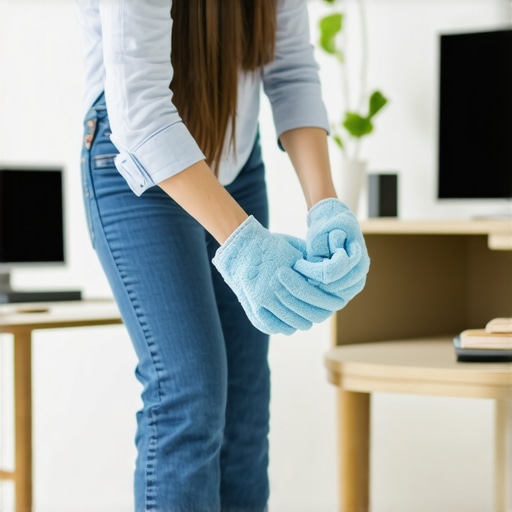
It was a typical Saturday afternoon when I realized I had spent more time wrestling with a stubborn dust rag than actually enjoying my clean home. The frustration of chasing after those elusive dust bunnies, only to see them settle right back in minutes, was all too familiar. That lightbulb moment hit me hard: “There has to be a better way.” And after some trial, error, and a lot of fluff talk, I discovered microfiber cloths—trust me, they changed the game.
The Dusting Dilemma and How Microfiber Saves the Day
Have you ever felt like your dusting routine is a never-ending cycle? No matter how much effort you put in, dust seems to find a way to come back faster than you can wipe it away. I used to think that using traditional cotton cloths or duster sprays was enough. Turns out, I was only scratching the surface—literally. The mistake I made early on was believing that all cleaning cloths are created equal. Spoiler alert: they’re not.
Switching to microfiber unlocked a new level of efficiency and effectiveness. Microfiber’s tiny fibers cling to dust, dirt, and even bacteria, pulling particles off surfaces without spreading them around. Studies show that microfiber cloths can remove up to 99% of bacteria and viruses when used properly, making cleaning not only easier but safer too. If you’re tired of battling dust that just keeps coming back or you’re constantly redoing the same spots, microfiber might just be your secret weapon.
But is it worth the hype? That’s a common question I hear. I’ll admit, I was skeptical at first—it seemed almost too simple. I remember grabbing a cheap microfiber cloth that didn’t seem any different from my old rag, only to be disappointed when it failed to pick up even half the dust. My mistake was choosing low-quality microfiber, which defeats the purpose entirely.
If you want to save time, reduce allergy triggers, and keep your home genuinely cleaner, switching to high-quality microfiber cloths is a step you shouldn’t skip. Curious? Let’s dive into why this small change makes a big difference and how to incorporate microfiber into your cleaning routine effectively.
Choose the Right Microfiber Cloths
Start by selecting high-quality microfiber towels. Look for dense, soft fibers that are tightly woven. During a messy weekend project, I accidentally grabbed a cheap microfiber from a bargain bin, which didn’t pick up dust effectively, forcing me to redo the task. Investing in premium microfiber saves time and ensures better results.
Pre-Wet for Deep Cleaning
Moisten the microfiber cloth with water or a gentle cleaning solution. Imagine it as a magnet that attracts dust and bacteria—dampness activates its ability to lift dirt rather than just smear it around. For fine furniture upholstery, lightly dampen the cloth and wipe in gentle strokes. I once tackled a fabric sofa, dampening my microfiber slightly, which removed years of grime without soaking the fabric.
Implement the ‘Two-Cloth’ Technique
Use one cloth for wiping surfaces and another for dry polishing. Think of it as using a paintbrush and a rag—prevents spreading dirt. While cleaning my kitchen, I used a damp microfiber to erase grease spots and a dry one to buff the surface to a shine, avoiding dirt redistribution.
Target Specific Areas with Precision
Identify high-touch spots like doorknobs, switches, or remote controls. These are like the home’s pulse points—highly germ-laden and needing extra attention. I sanitize my remote weekly using a microfiber with a touch of sanitizer, ensuring electronics remain clean without damage.
Sanitize Properly for Safety
Mix a safe disinfectant into your microfiber when sanitizing areas. For bathroom fixtures or kitchen counters, dampen the cloth with a solution recommended by sanitizing experts. I learned during a move-out cleaning that using a microfiber with an effective sanitizer, like [this guide](https://spotlesscarpetz.com/sanitizing-secrets-for-a-safer-house-in-2025), ensures bacteria are thoroughly eliminated.
Don’t Forget the Hard-to-Reach Zones
Use a smaller microfiber or attach it to a cleaning tool for ceiling fans, vents, and behind appliances. These overlooked spots can harbor months of dust. Once, I cleaned behind my fridge and discovered accumulated grime; a microfiber glove made the task quick and dust-free.
Maintain Your Microfiber Effectiveness
Wash microfiber cloths regularly without fabric softeners, which can clog fibers. In my experience, tossing dirty microfiber in hot water with a bit of vinegar kept them like new. Clean cloths mean better dust and bacteria removal, maintaining a healthier home environment.
Incorporate Microfiber into Your Routine
Consistency beats intensity. Set a schedule—daily for electronics and high-touch areas, weekly for upholstery and distant surfaces. Over time, this habit simplifies house chores. I found that with minimal effort, microfibers turned cleaning from a chore into a daily refresh, reducing allergens and creating a more inviting space. For detailed upholstery care, check out the [ultimate upholstery guide](https://spotlesscarpetz.com/ultimate-upholstery-care-guide-for-lasting-freshness).
Many homeowners believe that as long as surfaces look clean, they’re effectively sanitized. However, this misconception can lead to a false sense of security. The truth is, visible cleanliness often masks hidden bacteria and viruses. Proper sanitizing isn’t just about wiping surfaces but understanding the nuances of microbial elimination. For instance, using disinfectants without following the correct contact time diminishes their effectiveness, a mistake many make. Experts in hygiene, like those referenced in [Sanitizing Secrets](https://spotlesscarpetz.com/sanitizing-secrets-for-a-safer-house-in-2025), emphasize that surface microbial reduction relies heavily on proper application techniques.
Furthermore, there’s a common myth that cleaning upholstery is unnecessary unless it’s visibly stained. This overlooks the fact that upholstery can harbor allergens, dust mites, and bacteria, contributing to poor indoor air quality and health issues. Advanced cleaning involves using appropriate methods, such as steam cleaning or specialized upholstery solutions, to ensure a thorough cleanse. According to [Upholstery Tips](https://spotlesscarpetz.com/upholstery-cleaning-tips-for-a-fresh-home-revival), regular maintenance significantly extends the lifespan of furniture and improves overall home hygiene.
Many people underestimate the complexity of move-out cleaning, thinking a quick sweep will suffice. In reality, landlords and property managers look for specific cleanliness standards, including deep cleaning of appliances, vents, and hidden spots like behind the refrigerator. For comprehensive strategies, refer to [Move-Out Cleaning Hacks](https://spotlesscarpetz.com/move-out-cleaning-hacks-ensure-your-deposit-refund). Failing to address these details can jeopardize security deposits and prolong your moving process.
Let’s also address a common trap: Over-relying on harsh chemicals. While disinfectants are vital, their misuse can damage surfaces and pose health risks. Natural or eco-friendly alternatives, backed by studies such as those in [Effective Sanitizing Methods](https://spotlesscarpetz.com/effective-house-cleaning-secrets-from-cleaning-experts), can be equally effective when used correctly. Employing techniques like contact time, proper dilution, and targeted application enhances results without risking your health or home materials.
A question that often comes up among advanced cleaners is: How do I prevent cross-contamination during cleaning? The key lies in the thoughtful use of microfiber cloths, color-coding tools for different zones, and sanitizing items between uses. These precautions minimize the spread of germs, especially in busy households or during flu season. For more insights, check out [Sanitizing Hacks](https://spotlesscarpetz.com/sanitizing-hacks-for-safe-house-transitions).
In summary, mastering house cleaning involves understanding the intricacies of effective sanitization, furniture maintenance, and avoiding common pitfalls. Proper technique, tools, and awareness can significantly elevate your home hygiene standards. Remember, cleaning isn’t just surface-level; it’s about creating a truly safe and clean environment. Have you ever fallen into this trap? Let me know in the comments.
Investing in Durable Cleaning Tools
When it comes to maintaining a spotless home, the quality of your tools makes all the difference. I personally swear by the microfiber steam mop I’ve used for years; its ability to sanitize surfaces without chemicals keeps my floors not only clean but germ-free. Unlike traditional mops, a microfiber steam mop heats water to generate steam that penetrates deep into crevices, effectively killing bacteria and dust mites. This method aligns perfectly with the future trend of eco-friendly, chemical-free cleaning, and I predict that innovations in steam technology will continue to improve energy efficiency and usability in the coming years.
Mastering Effective Sanitization Methods
Beyond tools, employing the right cleaning techniques ensures longevity of cleanliness. I recommend incorporating proper sanitizing methods such as the contact time recommended for disinfectants. For instance, when disinfecting high-touch areas, I use a spray that remains wet on surfaces for at least 60 seconds to maximize microbial kill rates. Having an understanding of these specifics helps prevent the quick return of germs and bacteria, ensuring your house remains safer longer.
How do I maintain cleaning efficacy over time?
Maintaining consistency is vital. Regularly washing your microfiber cloths without fabric softeners preserves their electrostatic properties, which are crucial for trapping dust and microbes. I also rotate between different cloths and zones—using color-coded microfiber cloths for bathrooms, kitchens, and upholstery—to prevent cross-contamination and ensure specialized cleaning for each area. Investing in quality tools and practicing these detailed techniques can turn house cleaning from a weekly chore into a sustainable, effective habit. For more advanced tips, check out Sanitizing Secrets for a Safer House in 2025 and start upgrading your cleaning routine today. Why not pick one technique from this guide and see how it transforms your home hygiene?
Lessons That Changed How I Approach House Cleaning
One of the most profound lessons I learned was that quality tools trump quantity. Investing in top-grade microfiber cloths transformed my cleaning routine, helping me achieve a deep, bacteria-free clean without harsh chemicals. Another insight was the importance of proper sanitizing techniques—simply wiping isn’t enough; appropriate contact times and correct solutions make all the difference. Lastly, I realized that consistency is key—establishing a daily or weekly routine prevents buildup and keeps allergens at bay, turning house cleaning into a manageable, even satisfying, habit rather than a chore.
Tools and Guides That Elevated My Home Hygiene Game
My go-to resource has been Effective House Cleaning Secrets from Cleaning Experts. It’s packed with expert advice that’s easy to implement. For upholstery care, I rely on The Ultimate Guide to Upholstery, which has saved me from costly replacements. When preparing my home for move-out inspections, Move-Out Cleaning Strategies have been invaluable. These sources consistently help me fine-tune my cleaning habits and tools for lasting results.
Your Turn to Brighten Your Home—Start Today
Remember, creating a cleaner, healthier home isn’t about perfection—it’s about smart habits, the right tools, and a willingness to learn. Microfiber and proper sanitizing techniques are your allies in achieving this goal. Don’t wait for grime to accumulate; take proactive steps now and see how your home transforms. Building habits around effective cleaning will bring peace of mind and a beautiful living space you’ll be proud of. How will you incorporate these tips into your routine? Share your plans below—I’d love to hear your journey to a fresher home.