
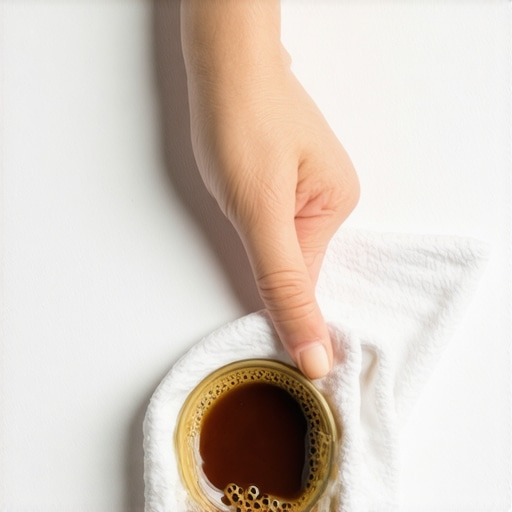
I remember the moment vividly—there I was, rushing to finish my morning coffee, and somehow, a rogue splash of dark brew landed squarely on my favorite microfiber couch. Panic set in. I knew water rings were the least of my worries, but I also understood that using the wrong cleaning method could make things worse, leaving behind stubborn stains or, worse, water rings that scream amateur hour. It was a lightbulb moment I won’t forget: microfiber, though resilient, needs gentle but effective treatment, especially when dealing with coffee stains.
Why Removing Coffee Stains from Microfiber Feels Like Walking a Tightrope
Microfiber furniture has become increasingly popular because of its durability and plush feel. But coffee stains? Those can turn any cozy spot into a frustrating mess overnight. The challenge isn’t just about removing the stain—it’s about doing so without soaking the fabric and creating water rings that can ruin the look and feel of your furniture.
If you’re like me, you’ve probably tried the classic blot-and-spray approach, only to end up with a bigger problem—water rings or faded patches. That’s when I started digging into the actual *science* behind microfiber and stains. Early on, I made the mistake of saturating the fabric, thinking it would lift the stain faster. But instead, I just set the stain deeper and created water rings that were almost impossible to hide. It was a harsh lesson, but one that made me realize that successful stain removal on microfiber requires patience, finesse, and the right techniques.
Today, I want to share with you a game-changing approach to coffee stain removal—one that has saved my furniture more than once. It’s all about knowing how to treat microfiber gently yet effectively, stopping stains before they set and avoiding water rings altogether.
Have you ever faced the frustration of cleaning a coffee stain only to have it look worse afterward? If so, keep reading. We’ll go through my tried-and-true methods that professional upholstery cleaners swear by, ensuring your microfiber stays pristine without those unsightly water marks. And if you’re feeling skeptical—trust me, I was too at first—it’s quite straightforward once you get the hang of it.
For a broader insight into upholstery care, you might find it helpful to explore [effective house cleaning secrets from cleaning experts](https://spotlesscarpetz.com/effective-house-cleaning-secrets-from-cleaning-experts). Now, let’s dive into the specific steps to banish those stubborn coffee stains for good, keeping your microfiber looking as good as new.
Prepare Your Tools and Workspace
Start by gathering a clean microfiber cloth, a spray bottle filled with distilled water, mild dish soap, and white vinegar. Clear the area around your furniture to ensure easy access and prevent accidents. Wearing gloves can help prevent skin irritation if you have sensitive skin. I once spilled coffee during a family gathering; having these supplies ready saved my furniture from permanent staining.
Test a Hidden Area First
Before applying any cleaning solution to the stain, test it on an inconspicuous part of the microfiber fabric—like the underside—that isn’t visible. Spray lightly and wait five minutes. This step prevents discoloration or fabric damage. In my experience, skipping this step led to unexpected fading, which took extra time to fix.
Blot the Coffee Stain Immediately
Upon noticing the spill, quickly blot—don’t rub—the area with a clean dry cloth to absorb excess liquid. Turning the cloth frequently keeps the stain from spreading further. Remember, the goal is to lift the coffee, not push it deeper. I once ignored this and deferred, only making the stain harder to remove later.
Dampen and Apply Gentle Cleaning Solution
Mix a teaspoon of mild dish soap with a cup of distilled water, or substitute with equal parts white vinegar and water for natural cleaning. Lightly spray the solution onto the stained area, avoiding saturating the fabric. Think of it like watering a delicate garden—less is more. I learned that over-saturating causes water rings, which can be more troublesome than the stain itself. <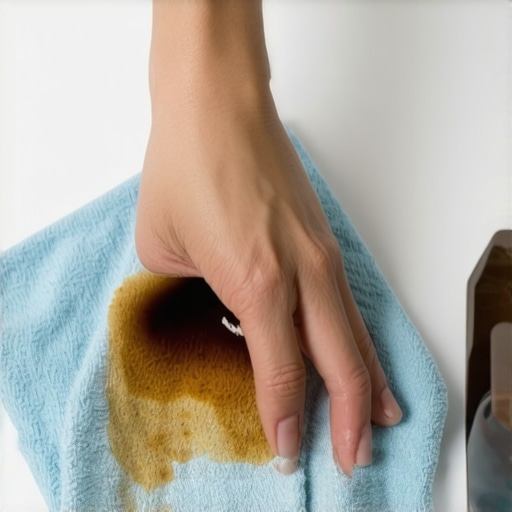 >
>
Note: Use a spray bottle for controlled application and avoid drenching the fabric, as excessive moisture leads to water rings and fabric stretching.
Gently Blot and Repeat
Blot the dampened stain with a clean, dry microfiber cloth. Repeat spraying and blotting until the coffee begins to lift. Patience is key—rushing only spreads the stain. Once the stain lightens, dampen a separate cloth with plain distilled water to rinse residual cleaning solution. I found that multiple gentle passes worked better than aggressive scrubbing, which can damage microfiber fibers.
Allow to Air Dry and Finish
Let the area air dry completely—preferably in a well-ventilated space or with the help of a fan. Avoid applying heat directly, as this can set any remaining stain. After drying, inspect the area; if traces remain, repeat the process. Experience taught me that stubborn coffee stains often require a second round for complete removal, especially on older stains.
Preventing Future Water Rings
To avoid water marks, always use minimal moisture and dry the microfiber after cleaning thoroughly. Consider applying a microfiber protector spray afterward to repel future spills. For ongoing maintenance tips, check out this upholstery care guide. Remember, patience and gentle techniques are your best allies in keeping microfiber furniture pristine after coffee mishaps.
Many tenants and homeowners assume that standard cleaning habits suffocate dirt and germs enough for move-out or daily chores. But in my experience, there are nuanced pitfalls that trip up even seasoned cleaners. A common misconception is that using generic disinfectants automatically guarantees sanitation. While these products can be effective, their real power often depends on proper application—certain surfaces require specific solutions, and ignoring this can leave bacteria behind. For example, studies have shown that disinfectants need to dwell on surfaces for a certain period to be truly effective, which many overlook in haste.
Another trap many fall into is believing that deep cleaning is a one-and-done task. The truth is, microbial buildup and dirt accrue rapidly, especially in high-touch zones. Skipping regular maintenance or relying solely on surface-level cleaning can create a false sense of security. Regular sanitizing hacks, not just occasional big cleans, are key—check out this guide for expert tips.
Why Do So Many Think Bleach Is the Ultimate Solution Yet Make It Worse?
Many think that spraying bleach onto mold or stains is the go-to fix. But in my experience, this is often a shortcut that actually damages surfaces and makes cleanliness worse. Bleach can break down microfibers, discolor fabrics, and most critically, it kills the surface bacteria but leaves behind chemical residues and odors that linger. Moreover, improper application can cause health risks. Experts warn that overuse or mixing bleach with other cleaners can produce toxic fumes—see here for comprehensive advice on safe disinfecting practices. Instead, gentler, targeted solutions like commercial mold removers or natural alternatives are often more effective and safer for upholstery and household surfaces.
If you want your move-out cleaning to truly impress landlords—and secure that deposit—you need to go beyond the surface. Deep cleaning strategies involve understanding not just what to do, but how and why—especially when it comes to upholstery, germ eradication, and avoiding common pitfalls. For tailored strategies, consider consulting this resource.
Remember, the devil is in the details—tiny mistakes today can cost you dearly during inspections and move-out processes. Have you ever fallen into this trap? Let me know in the comments.Maintaining a spotless home over time requires the right tools paired with smart techniques. I’ve found that investing in high-quality equipment not only makes cleaning more efficient but also ensures lasting results. For example, a **HEPA-filter vacuum cleaner** is indispensable—I personally favor models with sealed systems that trap fine dust and allergens, which is crucial for maintaining air quality and preventing buildup in carpets and upholstery. Additionally, a **steam cleaner** has revolutionized my deep cleaning routines, allowing me to sanitize surfaces without harsh chemicals, especially effective on bathroom tiles and kitchen counters—you can explore [effective sanitizing methods](https://spotlesscarpetz.com/sanitizing-secrets-for-a-safer-house-in-2025) to complement this approach.
Lessons Only Experience Can Teach About Move-Out Cleaning and Microfiber Care
Over time, I realized that the biggest mistakes in microfiber cleaning happen when we rush or use the wrong tools. For instance, I’ve learned that patience beats aggressive scrubbing every single time; subtle techniques make stubborn stains vanish without damage.
Another insight was discovering that even professional cleaners sometimes overlook the importance of testing solutions first. That small step can save you from costly discoloration or fabric tears—trust me, it saved my sofa on more than one occasion.
The most profound lesson? Regular maintenance and gentle cleaning preserve microfiber’s plush texture longer than frequent harsh treatments. This understanding transformed my approach from reactive to proactive, maintaining furniture’s pristine look for years.
Tools and Guides That Changed My Approach
I swear by a few resources that’ve made a real difference. The Ultimate Upholstery Care Guide opened my eyes to expert techniques for microfiber longevity. My high-quality HEPA-filter vacuum ensures dust bunnies never get a foothold, and my steam cleaner, which I found through this resource, is perfect for deep cleaning without chemicals.
Additionally, natural solutions like diluted white vinegar have become my staples—gentle yet effective alternatives to harsher chemicals. These tools and knowledge, combined, transformed my cleaning routine from stressful to satisfying.
Embrace a Future of Confident, Spotless Microfiber Furniture
Take action today—your microfiber furniture deserves gentle care paired with smart strategies. With the right tips and tools, maintaining pristine upholstery after coffee spills becomes achievable, not a daunting task. Remember, every stain is an opportunity to learn and improve your cleaning skills—your home will thank you.
Have you ever deep-cleaned a stubborn coffee stain and been surprised by the result? Share your experience below—I’d love to hear what worked for you!