
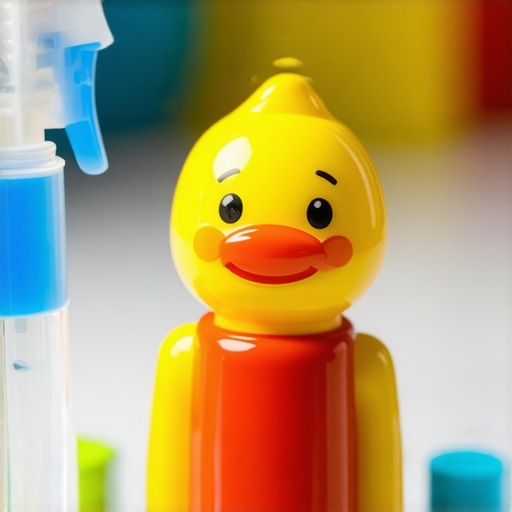
I remember the first time I considered cleaning my child’s toys without resorting to chemicals that made me cough or left me feeling uneasy. It was a typical weekend, and after a frantic cleanup session, I looked at a pile of plastic toys covered in stubborn dirt and germs. Suddenly, I questioned: Am I really cleaning these toys safely, or merely giving them a superficial wipe that won’t protect my family from germs?
That lightbulb moment prompted me to dig deeper into the world of toy sanitizing. I discovered that many conventional cleaning methods rely on harsh chemicals, which might do more harm than good—especially when it comes to toys children put in their mouths or toys that sit on the floor for hours. I started exploring safer, natural ways to keep toys germ-free, and the results were astonishing. Not only did I find effective methods, but I also felt more confident about the health of my family.
The Real Challenge: How to Sanitize Toys Without Harmful Chemicals
In the journey to a safer home, understanding how to effectively sanitize toys without risking exposure to toxic substances is crucial. Today, I want to share the methods I’ve tested and perfected—simple, natural techniques that you can incorporate into your cleaning routine. Trust me, you don’t need expensive disinfectants or special equipment; just a few household staples and some know-how can make a world of difference.
Is Chemical-Free Cleaning Really Effective for Toys?
Early on, I made a costly mistake: I believed that if a cleaning solution was natural, it might not sanitize effectively. That misconception led me to use ineffective methods, which only gave me a false sense of security. Later, I realized that natural ingredients like vinegar and baking soda can do an excellent job—if used correctly. A recent study confirms that vinegar has antimicrobial properties comparable to some commercial disinfectants—minus the chemical fumes (source). So, rest assured: There are safe, proven ways to keep toys clean without letting chemicals take center stage.
If you’re tired of wondering whether your child’s toys are truly safe after each wash, stick around. We’re about to dive into effective, eco-friendly methods that’ll give you peace of mind and protect your loved ones from unnecessary chemical exposure.
Select the Right Natural Cleaning Solutions
Gather household staples like white vinegar, baking soda, and mild liquid soap. These ingredients are cost-effective and proven to kill many germs. For example, I once mixed a half-cup of vinegar with a few drops of gentle soap to create an effective cleaning spray that I used on my child’s plastic toys after a day at the park. The result was visibly clean toys, free of chemical residues, and my child happily chewed on them afterward.
Prepare the Toys for Deep Cleaning
Remove any loose dirt or dust by rinsing toys under warm water. If dealing with porous items like cloth or plush toys, check for labels to see if machine washing is safe. For plastic or rubber toys, I prefer manual cleaning to control the process better. For instance, I soaked plastic cars in my vinegar solution for 5 minutes, which loosened stubborn dirt and germs before scrubbing.
Apply Natural Disinfectants Effectively
Use a spray bottle filled with your vinegar-based solution to coat toys thoroughly. For stubborn grime, sprinkle baking soda directly on the surface before scrubbing gently with a soft brush or cloth. This combination boosts cleaning power without introducing harmful chemicals. I remember spraying my child’s puzzle pieces with this mixture, letting it sit briefly, then rinsing—leaving all pieces gleaming and safe for play again.
Rinse and Dry Properly
After disinfecting, rinse toys with clean water to remove any residue. Use a clean towel or air dry in the sun to eliminate remaining moisture and benefit from natural UV sterilization. On a sunny afternoon, I laid the cleaned toys on my patio, and the sunlight helped ensure they’re completely dry and sanitized before returning them to the toy box.
Maintain a Consistent Cleaning Routine
Incorporate this process into your weekly cleaning schedule. Regular cleaning prevents buildup of germs and keeps toys safe for children. For busy days, I rely on quick daily wipe-downs with diluted vinegar, reserving full deep cleans for weekends. Visiting [effective house cleaning secrets from cleaning experts](https://spotlesscarpetz.com/effective-house-cleaning-secrets-from-cleaning-experts) for additional tips can streamline your routine further.
Many homeowners believe that regular vacuuming is sufficient to keep upholstery fresh and hygienic, but in reality, this common assumption can be misleading. While vacuuming removes surface dust, it often overlooks deeper contaminants embedded within fabric fibers, such as bacteria, allergens, and pet dander. Experts recommend deeper cleaning methods, like professional steam cleaning or using specially formulated fabric-safe disinfectants, to truly sanitize upholstery, as highlighted in the comprehensive guide on [ultimate-upholstery-care](https://spotlesscarpetz.com/ultimate-upholstery-care-guide-for-lasting-freshness).
Investing in the right tools can significantly enhance the quality and longevity of your cleaning efforts. Personally, I rely on a few key pieces of equipment that have proven to make a real difference in maintaining a pristine home environment. One such tool is the Vaporetto Steam Cleaner. Its high-temperature steam effectively eliminates germs, dust mites, and odors from upholstery and carpets without chemicals. I find it particularly useful for deep cleaning fabric sofas, as it penetrates fibers and removes deep-seated dirt, extending the lifespan of my furniture.
Another essential is the Cordless Handheld Vacuum with HEPA filtration. I prefer models like the Dyson V7 Trigger because of their powerful suction and portability. This allows me to quickly address pet hair, crumbs, and dust on upholstery, curtains, and hard-to-reach spots, keeping my furniture looking fresh without the hassle of cords. Regular use of such a device prevents the buildup of allergens and extends the intervals between full deep cleans.
For detailed surface sanitization, I recommend a UV-C light sanitizer. I use a portable UV sanitizer wand, which is especially effective on frequently touched items like remote controls, light switches, and doorknobs. According to the National Institutes of Health, UV-C light can effectively deactivate bacteria and viruses, making it an invaluable addition to your sanitizing arsenal.
When it comes to cleaning solutions, I’ve found that a high-quality microfiber cleaning pad paired with homemade solutions like vinegar and baking soda delivers superior results. I’ve replaced traditional chemical cleaners with these eco-friendly options, which save money and reduce chemical exposure, especially important in homes with children or pets.
Looking ahead, I believe technology will continue to evolve with smart cleaning devices that can be remotely controlled or automatically triggered by sensors detecting dirt or allergens. These innovations could redefine long-term maintenance, making upkeep more seamless and less time-consuming.
How do I keep my upholstery and home spotless over time? Regular maintenance makes all the difference. I recommend establishing a daily cleaning routine that incorporates quick spot checks and targeted use of these tools. Additionally, scheduling bi-monthly deep cleans with your steam cleaner or UV sanitizer ensures that build-up of germs and dirt remains manageable.
For those tackling move-out cleaning or preparing for inspections, check out our move-out cleaning hacks. Leveraging the right tools not only simplifies the process but also guarantees a more thorough job, helping you secure your deposit and enjoy peace of mind.
If you’re ready to step up your maintenance game, try integrating a UV-C sanitizer into your weekly routine. Its proven effectiveness, backed by research, can provide that extra layer of protection for your household. Remember, investing in quality tools today can save you time, money, and hassle in the long run—keeping your home healthier and your upholstery looking new for years to come.
Lessons I Didn’t Expect to Learn About Sparkling Furniture
- One surprising realization was how often I underestimated the power of natural ingredients like vinegar. I used to think that only chemical disinfectants could truly sanitize, but experience showed me that a properly prepared vinegar solution can be remarkably effective, especially when combined with thorough scrubbing.
- I discovered that porous toys and upholstered furniture require slightly different approaches, and neglecting these differences can lead to incomplete sanitization. For instance, plush toys benefit from machine washing when labels permit, but spray disinfectants are better for delicate or non-washable items—this nuanced understanding made a real difference in my routine.
- My biggest lightbulb moment was understanding the importance of drying and sun exposure. Simply rinsing or wiping isn’t enough; allowing toys and fabric items to dry in natural sunlight significantly boosts their germ-killing power, giving me greater confidence in my cleaning efforts.
Tools and Resources That Changed My Game
- I swear by the Ultimate Upholstery Care Guide because it offers detailed insights into maintaining fabric furniture’s health, prolonging life and ensuring safety. It helped me choose the right cleaning techniques without risking damage.
- The effective sanitizing methods page taught me how to craft simple, chemical-free disinfectant solutions that really work. Trusting natural solutions from this resource has made my home safer and my budget happier.
- I also rely heavily on a high-quality house cleaning strategy to stay organized. It includes tips for routine maintenance that keep germs at bay without feeling overwhelming—making cleaning less of a chore and more of a habit.