
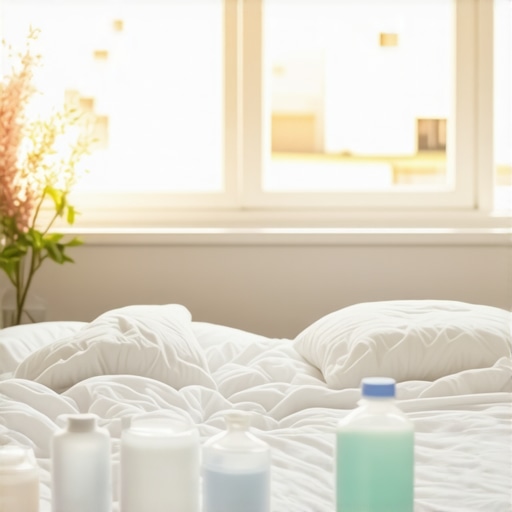
I remember the first time I moved into a new apartment and thought, “How hard can it be to just give everything a quick wipe and settle in?” Turns out, I was clueless. That initial oversight led to sneezing fits and lingering odors that took weeks to air out. It was a lightbulb moment that made me realize: move-in cleaning isn’t just about appearances—it’s about creating a safe, healthy environment from the very start.
Why Starting with a Deep Clean Matters More Than You Think
When I finally took the time to thoroughly sanitize and declutter my new bedroom, everything changed. Not only did I breathe easier, but I also felt more energized and less worried about hidden germs or allergens lurking in unclean corners. It’s astonishing how much dust, bacteria, and even mold can accumulate in places we rarely think about—like behind furniture or inside air vents. In fact, studies have shown that bedrooms can harbor common allergens that impact sleep quality and respiratory health (source: https://spotlesscarpetz.com/effective-sanitizing-methods-for-a-germ-free-home).
If you’re about to move into a new space—or even just want to freshen up your current one—skip the shortcuts. Instead, embrace a strategic, thorough approach that sets a solid foundation for a healthy home. Today, I’ll walk you through the essential move-in cleaning steps that can transform your bedroom into a sanctuary of cleanliness and comfort.
Is Overdoing It Worth the Effort?
I know what you might be thinking: “Is all this deep cleaning really necessary?” Believe me, I used to think the same. I made the mistake early on of just wiping surfaces superficially, thinking that was enough. That mistake taught me that superficial cleaning only masks problems temporarily. Without proper sanitization, you’re leaving potential allergens and germs in place, which can affect your health—especially if anyone in your household has allergies or asthma.
So, are you ready to ditch the quick fixes? Let’s explore the proven strategies I’ve gathered from expert sources and firsthand experience, ensuring your new space is truly sanitized and inviting from day one.Begin by gathering all necessary cleaning supplies such as microfiber cloths, disinfectants, vacuum, mop, and specialized tools like grout brushes. Start with a thorough dusting of ceilings, light fixtures, and vents using a microfiber cloth or duster. Move on to cleaning windows, including sills and tracks, ensuring streak-free results for a bright, inviting space. After dusting, vacuum carpets and upholstery to remove dust mites and allergens, which I learned the hard way when I didn’t; a deep vacuuming instantly improved air quality. Tackle hard surfaces like countertops and cabinets with an all-purpose cleaner, paying special attention to corners and edges where dust and grime hide. For floors, sweep or vacuum, then mop with an effective disinfectant, making sure to reach into corners and underneath furniture. Focus next on bathroom and kitchen areas, as these are hotspots for germs; use sanitizing products to eliminate bacteria on sinks, toilets, and appliances, following detailed protocols found in our [effective house cleaning secrets](https://spotlesscarpetz.com/effective-house-cleaning-secrets-from-cleaning-experts). For upholstered furniture, upholstery cleaning is often overlooked but crucial—spot-clean fabric and consider steam cleaning for deeper bacteria removal, similar to how I treated my sofa and saw instant freshness (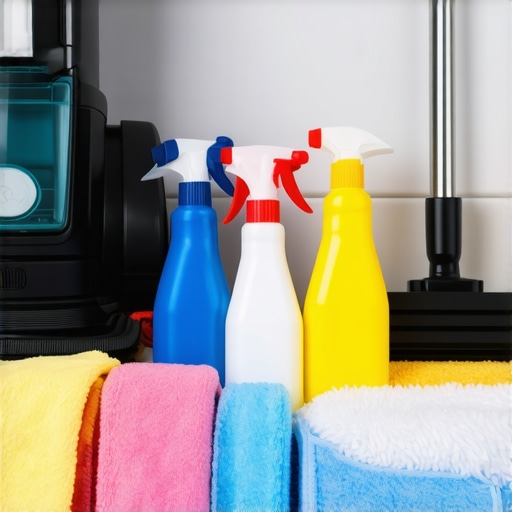 ). Don’t forget air vents and HVAC filters, which can harbor mold and dust; replace filters or clean vents with a brush attachment. If moving out, focus on cleaning neglected spots like behind appliances and inside cabinets to secure your deposit, as highlighted in move-out cleaning strategies. Conclude by disinfecting high-touch surfaces such as door handles, switches, and remote controls using UV-safe disinfectants or alcohol-based wipes, which effectively eliminate germs without damaging electronics. Incorporating these steps ensures a sanitized, healthy environment from the moment you step into your new home, and adopting a routine with these core techniques simplifies ongoing maintenance, referenced in our daily cleaning routines guide. Keep this process brisk and efficient, turning cleaning into a manageable task that yields lasting results.Many homeowners and renters believe that a quick wipe-down or surface spray is enough to keep their homes truly sanitized, but this is a dangerous misconception. The common myth that disinfecting only involves superficial cleaning can lead to persistent bacterial and allergen buildup, ultimately compromising health and safety. In reality, effective sanitization requires a multi-layered approach, including thorough cleaning of hidden spots and understanding the limitations of certain disinfectants. For example, many people assume that sprays like bleach are suitable for all surfaces, but improper use can damage materials and even reduce the efficacy of the disinfectant. Professional-grade equipment and correct techniques—such as allowing disinfectants to sit for the recommended contact time—are crucial for truly eliminating germs, a fact confirmed by experts at the CDC.
When it comes to upholstery, a common mistake is relying solely on vacuuming instead of incorporating steam cleaning or professional stain removal. Overlooking deep cleaning not only leaves behind dust mites and bacteria but can cause fabric deterioration over time. I’ve seen many revert to DIY solutions like baking soda or homemade cleaners, which may seem effective but can lead to fabric discoloration or buildup if not used correctly. For move-out cleaning, tenants often think that scrubbing the visible areas will ensure getting their full deposit back. However, landlords examine overlooked spots like behind appliances or inside vents—areas many neglect. Using specialized techniques and tools, as discussed in our move-out cleaning strategies, guarantees a cleaner home and peace of mind.
Advanced cleaning involves understanding the limitations of common practices. For instance, spraying disinfectant on porous surfaces like wood or fabric without proper timing may not kill all bacteria, as highlighted in recent studies. Moreover, relying solely on chemical disinfectants without physically removing dirt can lessen their effectiveness because debris shields germs from contact. This is why integrating sanitizing hacks—such as pre-cleaning before disinfecting—is essential for maximum results. If you’re interested in elevating your home cleaning game beyond the basics, check out comprehensive guides on effective sanitizing techniques. Have you ever fallen into this trap? Let me know in the comments.When it comes to maintaining a spotless home, having the right tools is essential for efficiency and effectiveness. Personally, I rely on microfiber cloths because of their superior ability to trap dust and microbes, reducing the need for chemical cleaners. For disinfecting large surfaces, I recommend a good steam cleaner, such as the Dupray One Plus, which uses high-temperature steam to sanitize fabrics and hard surfaces without chemicals, making it eco-friendly and safe for families. Additionally, a cordless, HEPA-enabled vacuum like the Dyson V11 helps me keep carpets and upholstery free of dust mites and allergens—crucial for long-term health. Investing in a grout cleaning brush ensures that tile grout remains spotless over time, preventing mold buildup in humid areas. As for software, I use digital cleaning checklists app to schedule and remind me of routine tasks, ensuring nothing gets overlooked. Looking ahead, the future of home maintenance tools appears geared toward automation—robotic vacuums and AI-powered cleaning schedules will make upkeep even easier. To keep these tools performing optimally, regular maintenance is key: clean filters monthly, replace vacuum bags as needed, and descale steam cleaners every six months following manufacturer guidelines. I also recommend following detailed protocols such as those outlined in [Effective House Cleaning Secrets from Cleaning Experts](https://spotlesscarpetz.com/effective-house-cleaning-secrets-from-cleaning-experts), which emphasize routine preventative upkeep. To maximize tool longevity, inspect and replace worn brushes or filters before they fail. Start incorporating these proven tools into your cleaning routine and notice how effortless long-term maintenance becomes. For example, regularly descaling your steam cleaner—like the Dupray I mentioned—can extend its lifespan significantly and ensure it works efficiently every time. Curious about how to get your upholstery genuinely deep cleaned? Consider using a professional-grade upholstery steam cleaner or hiring experts for periodic deep cleans, which can vastly improve indoor air quality. To stay ahead, I suggest trying my favorite recommendation: the high-temperature steam cleaner, proven to reduce bacterial buildup and maintain sanitation without harsh chemicals.
Over the years, I’ve learned that effective sanitizing isn’t just about quick fixes—it’s about embracing a mindset of thoroughness and constant learning. One of the hardest lessons I discovered is that superficial cleaning can give a false sense of security, but it rarely tackles hidden germs and allergens lurking in overlooked spots. For example, cleaning visible surfaces without addressing HVAC vents or behind appliances can leave your home vulnerable to mold and bacteria buildup. I also realized that investing in high-quality tools, like steam cleaners and microfiber cloths, not only streamlines the process but ensures a deeper clean that protects your health. Lastly, consistent routine maintenance beats sporadic efforts every time—forming habits around deep cleaning helps maintain a healthier, more inviting environment that truly feels like a sanctuary.