
I remember the exact moment I realized my mattress was more than just a comfy spot to sleep—it was a hidden haven for allergens and dust mites. Lying there one night, I started coughing uncontrollably, sneezing like crazy, and feeling that itchy, scratchy sensation that just wouldn’t quit. It was a lightbulb moment for me. Our beds are supposed to be sanctuaries, but over time, they can turn into allergen traps if not properly maintained.
If you’re waking up congested, sneezing, or just feeling unusually unrefreshed, chances are your mattress might be harboring more than just sleep. The good news? Deep cleaning your mattress to eliminate allergens isn’t as complicated as you might think—and doing it regularly can vastly improve your sleep quality and overall health.
Why Deep Cleaning a Mattress Matters for Your Health
Mattresses can collect a surprising amount of dust, pet dander, skin flakes, and even mold spores over time. These tiny invaders can trigger allergies, asthma, and other respiratory issues—especially for sensitive individuals. According to the Environmental Protection Agency, indoor air can be up to two to five times more polluted than outdoor air, largely because of accumulated dust and allergens indoors. When your sleeping surface becomes a breeding ground for such particles, it makes sense to take action.
Many folks overlook their mattresses during routine cleaning, focusing instead on vacuuming floors or dusting surfaces. But neglecting this key area means you’re essentially sleeping amid a cloud of irritants. Regularly deep cleaning your mattress can significantly reduce these allergens, creating a healthier sleep environment and improving your quality of life.
Have you noticed you’re more congested after sleeping? You might be surprised to learn just how much allergens hide in your bedding and mattress. The good news is, with a little effort and the right techniques, you can breathe easier. Today, I’ll share straightforward, practical methods to deep clean your mattress, which I’ve found to be incredibly effective in my own home—and I’ll guide you through every step.
But before we dive into how to do it, let’s tackle that nagging skepticism. Some people think that regular vacuuming or airing out the mattress is enough. Trust me, it’s not. A quick vacuum isn’t enough to get deep into the fibers where allergens hide. And simply airing it out won’t eradicate the microscopic particles that have settled deep inside. To truly rid your mattress of allergens, a comprehensive cleaning approach is essential.
One mistake I made early on was relying solely on store-bought sprays claiming to “freshen” my mattress. Instead of eliminating the allergens, I was just masking the smell temporarily, which gave me a false sense of security. A deep clean involves proper steps—like using the right cleaning agents and techniques—that can make a real difference.
If you’re tired of waking up stuffy or dealing with allergy flare-ups, it’s time to take action. Ready to learn how to give your mattress the thorough cleaning it deserves? Let’s get started. And if you want more expert tips on house cleaning strategies, feel free to check out [this guide](https://spotlesscarpetz.com/house-cleaning-strategies-for-a-sparkling-home-today) for a comprehensive overview.
Strip the Bed and Prep the Mattress
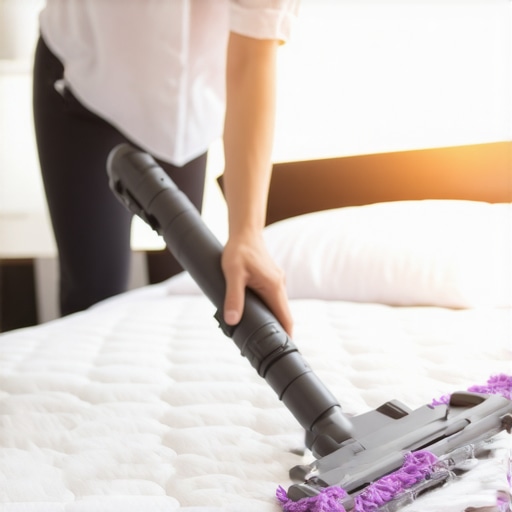
Begin by removing all bedding, including sheets, pillowcases, and mattress protectors. Take this opportunity to launder all fabrics in hot water to eliminate surface allergens. Then, vacuum the entire mattress using a handheld attachment with a HEPA filter to trap dust mites and skin flakes. As I did one weekend, I carefully worked from head to foot, making sure to reach all seams and edges—this initial step significantly reduced surface debris.
Apply a Targeted Cleaning Solution
Mix equal parts of water and white vinegar in a spray bottle for a natural disinfectant. For stubborn stains or odors, add a few drops of essential oils like eucalyptus or tea tree, which have antimicrobial properties. Lightly spritz the mattress surface, focusing on areas with visible stains or lingering smells. I learned quickly that using too much causes the mattress to stay damp longer; a fine mist is enough. The vinegar’s smell may be strong initially but will dissipate as it dries, leaving your mattress fresher.
Scrub and Disinfect Deep Fibers
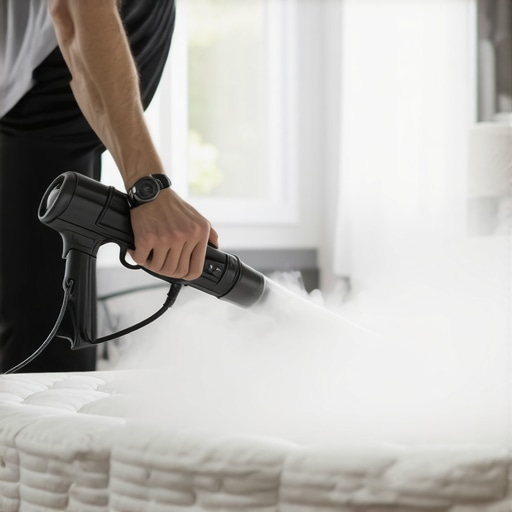
Using a soft-bristled brush or microfiber cloth, gently scrub the surface to loosen embedded dirt and allergens. For deep fibers, consider utilizing a steam cleaner with an upholstery attachment—hot steam penetrates and sanitizes without chemicals. I personally used a handheld steam cleaner, which I ran across the entire surface, paying attention to seams and tufts where allergens tend to settle. The heat not only disinfected but also helped eradicate dust mites, providing immediate relief from allergy symptoms.
Dry Thoroughly and Protect
Allow the mattress to dry completely, ideally in a well-ventilated room or outdoors if weather permits. If using a fan or heater, ensure the entire surface is dry before putting bedding back on. This step prevents mold growth and keeps the mattress allergy-friendly. Once dry, consider applying a breathable mattress encasement designed to block dust mites and allergens—this creates a barrier that keeps your sleep environment cleaner over time.
Maintain with Regular Cleans
Deep cleaning should be a monthly routine if allergy symptoms persist or seasonally during high pollen periods. In addition, weekly vacuuming with a HEPA filter vacuum and airing out bedding can drastically cut down allergen buildup. These practices resemble the comprehensive techniques found in house cleaning strategies, emphasizing consistency to sustain a healthy bedroom environment.
Remember, the key lies in targeting every layer—surface, fibers, and interior—to effectively eliminate allergens. Investing just a little time regularly can greatly improve your sleep quality and respiratory health, turning your mattress back into the sanctuary it was meant to be.
 When it comes to maintaining a spotless home, many believe that routine cleaning routines cover all bases. However, in my years of professional experience, I’ve discovered that common misconceptions often lead to ineffective cleaning or even damage. One persistent myth is that using bleach or harsh chemicals is always the best way to disinfect upholstery or surfaces. In reality, these substances can deteriorate delicate fibers or finish, leading to costly repairs. Instead, gentle yet effective alternatives like specialized upholstery cleaners or natural disinfectants, backed by experts, prove more sustainable. For instance, a study published in the Journal of Environmental Health emphasizes that overuse of aggressive chemicals can cause respiratory issues and surface degradation, highlighting the importance of understanding appropriate cleaning agents.
What are the most sophisticated risks of improper cleaning techniques?
Advanced cleaning requires not just the right tools but also an awareness of subtle pitfalls. For example, applying too much moisture during deep cleaning can trap humidity, fostering mold growth—a mistake many make when trying to ‘steam clean’ without proper ventilation. A key trap is neglecting to test cleaning products on a small hidden fabric area first, which can lead to color bleeding or fiber damage. Additionally, during move-out cleans, many tenants believe that superficial cleaning suffices, but neglecting deep sanitization of hidden spots like behind appliances or inside vents can cost refunds or deposits. Expert advice suggests tackling these nuances with targeted strategies, such as detailed checklists and professional-grade equipment, which you can explore further in our comprehensive guide on move-out cleaning techniques. Improper sanitizing, for example, might sound trivial but can leave harmful bacteria behind, risking health and safety. As professionals highlight, understanding the difference between surface cleaning and thorough sanitization—available in our effective sanitizing methods overview—is crucial for real safety.Maintaining a pristine home goes beyond initial cleaning; it requires reliable tools and proven methods to keep everything in top shape over time. When it comes to upholstery, I swear by my high-grade steam cleaner, because hot steam penetrates deep fibers, sanitizing effectively without harsh chemicals. This appliance allows me to remove embedded dirt and allergens, ensuring my furniture remains fresh and allergen-free, which is crucial for respiratory health. For smaller or delicate pieces, I rely on a portable upholstery cleaner with adjustable settings, so I can gently clean without damaging the fabric, especially on vintage or silk items. Regular vacuuming equipped with a HEPA filter is essential—I’ve found it dramatically reduces dust mites and pet dander, helping to sustain a healthier environment and prevent allergen buildup. For house-wide sanitation, I incorporate UV-C light devices; these emit ultraviolet light capable of destroying bacteria and viruses, offering peace of mind especially during flu season. Investing in quality microfiber cloths also makes a difference—they trap dust effectively and last longer than standard materials, reducing waste and ongoing costs. To keep these tools working efficiently, I schedule routine maintenance: descaling steam cleaners monthly with specialized solutions, replacing filters as necessary, and disinfecting tools after every use to prevent cross-contamination. As technology advances, I predict AI-powered cleaning devices and IoT-integrated systems will soon allow remote monitoring and automation, making home maintenance even more effortless. How do I maintain upholstery and cleaning tools to ensure optimal performance? I suggest setting regular reminders to inspect and maintain your equipment—like descaling your steam cleaner and sanitizing microfiber cloths—to extend their lifespan and effectiveness. For tailored advice, check out our detailed upholstery care guide, which shares expert tips for lasting cleanliness. Start implementing these precise tools and routines today, and you’ll notice your home stays immaculate with less effort and more peace of mind.
The Unexpected Lessons From My Cleaning Journey
One of the biggest surprises I encountered was realizing that even after routine vacuuming, allergens still lurked deep within my mattress fibers—prompting me to dig deeper and discover more effective cleaning techniques.
I learned the hard way that relying solely on airings-out or surface cleaning is insufficient. Deep cleaning, incorporating the right disinfectants and tools, truly makes the difference in creating a healthier sleep sanctuary.
My experience taught me that investing in quality tools like a steam cleaner or a HEPA-filter vacuum isn’t just about cleanliness—it’s about safeguarding my respiratory health and well-being every night.
Ultimately, the real revelation was understanding that consistent, targeted cleaning routines could drastically reduce allergen buildup, leading to more restful nights and brighter mornings.
My Essential Toolkit for Mattress Hygiene
For anyone serious about maintaining a hypoallergenic mattress, I highly recommend a high-grade handheld steam cleaner, which effectively sanitizes without chemicals, and a HEPA-filter vacuum designed for upholstery. Additionally, natural disinfectants like white vinegar mixed with essential oils provide an eco-friendly way to treat odors and bacteria. I trust these tools because they combine safety with proven effectiveness, making regular cleaning manageable and impactful.
If you’re eager to elevate your home cleaning game, check out our expert-approved cleaning secrets for insights that complement your mattress care routine.
Your Next Step Toward Cleaner Sleep
Taking action now can significantly improve your breathing, sleep quality, and overall health. Remember, a little effort in deep cleaning your mattress regularly isn’t just about upkeep—it’s about transforming your sleeping environment into a true sanctuary. Don’t wait for allergy symptoms to worsen—start incorporating these strategies today. What’s one deep cleaning tip you’ve found most effective in your home? Share below and let’s learn from each other!