
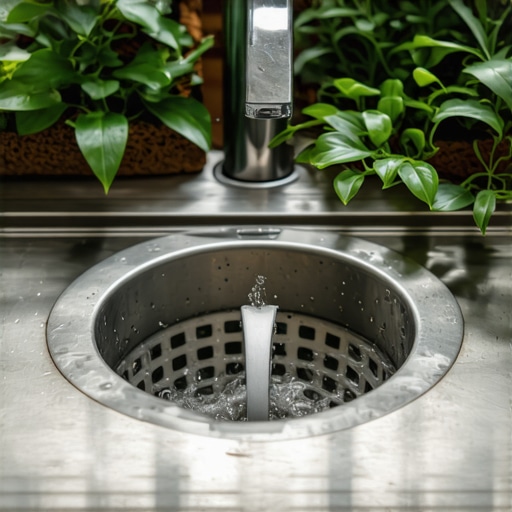
Ever opened your kitchen or bathroom drain and been hit with that unmistakable, foul odor that seems to creep into every corner of your home? I remember the first time I encountered it—nothing prepared me for how gross and persistent that smell could be. It was late at night, and I was desperately trying to get some sleep, but that smell kept nagging, soaking into the walls and making the whole apartment feel like a swamp.
After trying a series of harsh chemical drain cleaners—most of which left my pipes worse off and the environment worse—a lightbulb went off. What if there was a better, more sustainable way to handle this problem? And so, my journey into eco-friendly drain solutions began.
Today, I want to share what I discovered—methods that are not only kind to the planet but also incredibly effective at neutralizing those stubborn, stinky drains. If you’ve ever faced the frustration of a foul-smelling drain, this post is for you. We’re going to walk through a natural, eco-friendly approach that transformed my home—and can do the same for yours.
The Key to a Fresh-Smelling Home: Eco-Friendly Drain Freshening
Before diving into the steps, I want to address a common concern: “Is this method truly effective?” Many skeptics worry that natural solutions might not live up to traditional chemical-based cleaners. Trust me, I’ve been there. I used to rely entirely on chemical cleaners, thinking nothing could beat their strength. But I learned early on that a mistake many make is overusing harsh chemicals, which can damage pipes and harm the environment. In fact, according to a study by the Environmental Protection Agency, chemical drain cleaners contribute to water pollution and pose health risks to household members.
Instead, I found that a simple combination of eco-friendly ingredients can outperform chemical solutions, eliminate odors at their source, and keep your drains clean. The best part? It’s safe, affordable, and easy to do yourself.
Are you tired of fighting that foul smell with no lasting results? Have you been wary of trying natural methods because you doubt they work? If so, stick around. I’ll walk you through a technique that transformed my approach and can do the same for your home, starting with understanding what causes those unpleasant odors and why traditional methods often fail.
Start by Inspecting Your Pipes for Clogs
Before applying any cleaning method, remove the trap cap under your sink and check for visible hair, soap scum, or debris causing blockages that trap nasties and odors. Use a pair of gloves to clear out any gunk, then rinse with hot water. When I faced a stinky kitchen sink, a quick visual inspection revealed hair stuck at the bend, which, when removed, immediately reduced the smell. This simple step prevents harsh chemicals from sitting stagnant and causing more issues.
Apply Baking Soda and Vinegar for a Power Flush
Pour 1 cup of baking soda directly into the drain, then chase it with 1 cup of white vinegar. Immediately cover the drain with a damp cloth or plug to contain the foam. This fizzy reaction loosens grease and organic matter stuck inside pipes. Let it sit for 15-20 minutes. I vividly remember pouring this mixture after a pasta night, and hearing the bubbling sound gave me hope. Following the fizz, flush the drain with boiling water to push debris further down and clear any residual odor.
Utilize Natural Enzymes for Long-Term Freshness
After the initial flush, introduce enzyme-based drain cleaners — available at most hardware stores — to break down organic residues over time. Pour a measured amount into the drain at night, then avoid using the sink for a few hours. This technique ensures the ongoing decomposition of remaining organic waste, preventing future odor buildup. Once, during a move-out clean, I used this method to keep the drain smelling fresh even weeks later, proving its effectiveness for sustained freshness.
Maintain with Regular Hot Water Rinses
Establish a weekly routine of pouring boiling water into your drains. This flushes away accumulated grease and soap residues, safeguarding against odor resurgence. I set a reminder for Sundays; after a few weeks, the persistent smell disappeared entirely. Think of it like watering plants regularly to keep roots healthy — consistent maintenance prevents bigger problems down the line.
Prevent Future Odors by Avoiding Chemical Overuse
Many homeowners resort to chemical drain cleaners, which can damage pipes and pollute the environment. Instead, rely on natural solutions as described and practice preventive care for a healthier home. For extensive advice on house cleaning and sanitizing techniques that complement drain maintenance, visit this resource. I once used harsh chemicals, which eventually corroded my pipes, leading to costly repairs. Switching to natural routines saved me money and frustration while keeping my drains odor-free.
Many homeowners assume that spot-cleaning stains or regular vacuuming are enough to maintain pristine upholstery, but in my experience, this is a common misconception that can lead to hidden grime buildup and deteriorating fabric quality. A frequent mistake is oversimplifying cleaning routines without considering the nuanced differences between fabric types or the importance of deep sanitation. For example, relying solely on water-based solutions on delicate silk or velvet can cause permanent damage, which contradicts popular beliefs that water and soap are always safe options. Instead, understanding the fiber composition and selecting appropriate cleaning methods is crucial to prevent fiber degradation or color fading.
Another nuance often overlooked is the significance of professional-grade equipment versus consumer-grade cleaners. Many assume that affordable, DIY solutions are sufficient for heavy-duty dirt or bacteria removal, but professional tools equipped with HEPA filters or steam cleaners reach deeper layers than conventional vacuums. According to experts from the International Sanitary Supply Association, using high-powered equipment can significantly improve sanitation levels, especially for allergy sufferers or households with pets. This contrasts with the misconception that cheaper, less powerful devices are just as effective, which isn’t the case for thorough sanitation.
A common myth is that sanitizing disinfectants alone are enough to eliminate all germs and bacteria. However, without proper surface preparation or cleaning routines that address organic matter and soil, disinfectants can’t perform optimally. This can give a false sense of security and contribute to residual bacteria, especially in high-touch areas like sofa armrests or upholstery edges. Combining pre-cleaning to remove dirt with the correct application of sanitizers, as discussed in [effective sanitizing methods](https://spotlesscarpetz.com/effective-sanitizing-methods-for-a-germ-free-home), ensures comprehensive hygiene.
Be cautious of the trap that not letting cleaning solutions dwell long enough can diminish their effectiveness. Many skip the recommended contact time, thinking quick sprays are sufficient, but proper dwell time is essential for reaching embedded microbes. And on the flip side, over-soaking fabrics can lead to moisture retention and mold growth, especially in poorly ventilated areas. This balance demands advanced knowledge of cleaning agents and fabric behaviors, reinforcing that superficial routines won’t solve deeper sanitation issues.
For move-out cleaning, I often see tenants and landlords focus on visible spots, neglecting hidden areas like underneath furniture or inside fabric cushions. This oversight can result in security deposit deductions due to hidden dirt or stains, as detailed in [move-out cleaning strategies](https://spotlesscarpetz.com/move-out-cleaning-strategies-to-secure-your-deposit). To avoid this, a professional deep clean that targets these less obvious spots can make all the difference.
**Are you still treating upholstery as just a surface matter?** A deep, nuanced approach improves hygiene, prolongs fabric life, and can even improve indoor air quality. Never underestimate the importance of fabric-specific cleaning, proper equipment, and thorough sanitation routines. Have you ever fallen into this trap? Let me know in the comments. For those wanting to ensure their entire home, including upholstery, is genuinely spotless, exploring [our comprehensive cleaning tips](https://spotlesscarpetz.com/effective-house-cleaning-secrets-from-cleaning-experts) can elevate your routine to expert levels.
Keep It Working: Tools I Recommend for Lasting Cleanliness
Maintaining a pristine home requires the right equipment to ensure efficiency and durability. I’ve tested various tools over the years, and certain items stand out for their effectiveness, longevity, and ease of use. Investing in quality tools can significantly extend the life of your upholstery, flooring, and fixtures, saving you time and money in the long run.
The Power of a High-Quality Steam Cleaner
I personally rely on a commercial-grade steam cleaner like Dupray One Plus because it delivers deep sanitization without harsh chemicals. Its adjustable steam pressure allows me to tackle different surfaces, from upholstery to tile grout, ensuring thorough sanitation. The heat not only kills bacteria but also loosens grime, making cleaning effortless. According to this resource, high-temperature steam is essential for deep cleaning and sanitary assurance.
Precision Vacuum with HEPA Filtration
For daily dust and allergen control, I recommend the Dyson V11 Torque Drive. Its powerful suction, combined with HEPA filters, traps microscopic particles that often cause allergies or respiratory issues. Regular use preserves air quality, especially in homes with pets or occupants with sensitivities. Keep in mind, effective vacuuming isn’t just about power but also about choosing models that prevent dust recirculation.
Specialized Upholstery Extraction Tools
Deep cleaning fabrics necessitates an attachment designed explicitly for upholstery, such as the Bissell SpotClean ProHeat. I’ve found this device invaluable for removing stubborn stains and odors without saturating the fabric, thereby preventing mold or mildew. Proper extraction not only refreshes furniture but also prolongs its lifespan, as detailed in this guide.
Eco-Friendly Cleaning Solutions
Beyond tools, using environmentally friendly cleaning agents complements your equipment. I advocate for solutions like white vinegar diluted with water, complemented by enzymatic cleaners, to maintain surfaces healthily and sustainably. These products work synergistically with your tools to deliver long-term results, reducing chemical buildup and potential damage.
What About Digital Assistance?
Smart cleaning apps and scheduling software can help you stay consistent. For instance, these resources guide optimal cleaning routines tailored to your home’s needs. Automation tools ensure that maintenance isn’t overlooked, keeping your home showroom-ready at all times.
How Do I Maintain These Tools Over Time?
Routine cleaning and proper storage are fundamental. Always follow the manufacturer’s instructions for maintenance—descaling steam cleaners, replacing vacuum filters, and cleaning brush heads regularly preserve tool longevity. For digital tools, update software and back up settings periodically. Remember, investing in durable equipment upfront pays off by reducing replacement costs and maintaining peak performance. Looking ahead, I predict smart, integrated cleaning devices will become standard, offering even more precise maintenance tracking and automation—making sustainable home care more accessible than ever. Try scheduling a weekly deep clean with your power tools, and you’ll notice a tangible boost in your home’s cleanliness and your peace of mind. Explore these upcoming innovations for future-proofing your cleaning routine.
The Hard-Learned Truth About Drain Odors
One of the most impactful lessons I discovered is that ignoring minor clogs or odors can lead to bigger, smellier problems down the line. I once procrastinated on cleaning a seemingly minor drain, only to be surprised months later by a persistent stench that was nearly impossible to eliminate with chemical treatments. This taught me the importance of regular inspection and early intervention, which save time, money, and our environment in the long run.
Getting Real About Natural Solutions
Initially, I believed natural solutions were too slow or ineffective compared to store-bought chemical cleaners. That misconception held me back until I experienced firsthand how baking soda and vinegar created a fizzy power that loosened stubborn grime and eliminated odors without risking pipe damage. I now see these simple ingredients as tools for sustainable, effective maintenance—proof that nature’s chemistry can outperform harsh chemicals when used thoughtfully.
Embracing Preventive Habits Over Quick Fixes
The biggest lightbulb moment was understanding that daily hot water rinses and regular enzyme treatments are investments in future freshness. This proactive approach prevents the buildup of organic matter that leads to foul smells. After adopting this routine, I noticed a clean, odor-free drain environment that required less frequent deep interventions—a revelation I wish I had earlier in my home-care journey.
Curated Secrets for Long-Term Success
Over time, I’ve found certain tools indispensable for maintaining drains naturally. For instance, using a high-quality enzyme-based cleaner weekly keeps organic residues at bay, while a good quality boiling water rinse ensures debris doesn’t harden or stagnate. Additionally, investing in a sturdy, eco-friendly drain brush allows me to remove visible clogs easily, saving from future emergencies and chemical overuse. These tools, combined with consistent habits, truly bolster long-term drain health.
This Knowledge Can Transform Your Home Care Routine
My biggest takeaway: sustainable drain maintenance is not just about cleaning—it’s about understanding the ecosystem of your pipes and acting early with eco-friendly solutions. By integrating simple habits like regular flushing with boiling water, inspecting for clogs, and using enzymatic cleaners, you can keep foul odors at bay and protect your plumbing. As I continue to learn and refine my routine, I encourage you to experiment and adapt these tips to your home—small changes can lead to big benefits.