
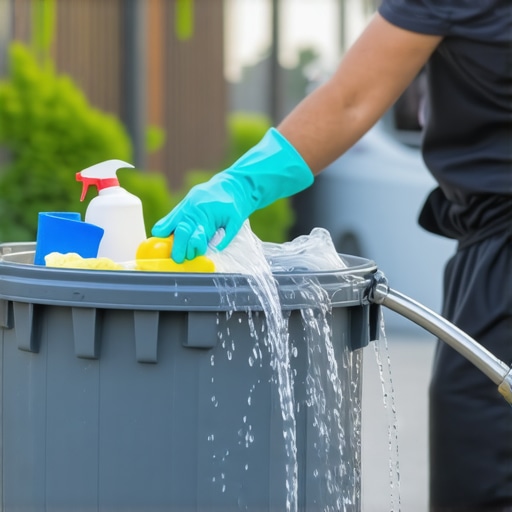
I remember the exact moment I realized my trash can was more than just a container for garbage—it was a breeding ground for odors that refused to quit. It was late one evening, after a long day, when I opened the lid and was greeted by that familiar, sour smell that seemed to cling to everything nearby. Frustrated and a little embarrassed, I thought, “There has to be a better way.” That lightbulb moment led me down a path of discovery, turning my cluttered, foul-smelling bin into a fresh-smelling powerhouse.
The Hidden Culprit Behind Your Trash Can Odor
You might think tossing in a quick rinse or tossing in some air fresheners will do the trick, but it’s rarely that simple. Deep down, the real issue isn’t just surface grime—it’s the bacteria and grime that embed themselves deep into the materials of your trash can, releasing that unmistakable odor whenever they’re disturbed. Trust me, I learned this the hard way, making a crucial mistake early on: using harsh chemical cleaners that only masked the smell temporarily. That oversight actually made things worse, pushing the bacteria further into the pores of my trash can’s material. After some research and trial-and-error, I found effective strategies that truly eliminate odors at their source.
What Makes Deep Cleaning So Essential?
Deep cleaning isn’t just about freshening up your trash can; it’s about stopping odors before they become an unavoidable nuisance. Regular cleaning might seem enough, but over time, bacteria and grime build up, deepening the smell and making every trash day a dreaded chore. A deep clean, involving thorough scrubbing and proper sanitizing, significantly reduces the bacteria responsible for those stubborn smells. Plus, maintaining a clean bin can even prevent pests and mold growth, keeping your home healthier overall.
Have you ever faced that discouraging moment when, despite tossing in air fresheners, your trash smells just as bad days later? If so, you’re not alone—and I’m here to tell you that a targeted, deep cleaning approach can change that for good. As I will share in the upcoming sections, using the right cleaning techniques and tools is the key to a fresh, odor-free trash can.
Before we dive into the step-by-step methods, let’s clear up some common doubts. Many folks wonder if deep cleaning is really worth the effort or just a waste of time. Well, considering that studies show bacteria can double every 20 minutes, ignoring a proper clean can quickly turn your trash can into a germ haven (source: [Effective Sanitizing Methods](https://spotlesscarpetz.com/effective-sanitizing-methods-for-a-germ-free-home)). So, if you’re tired of battling bad smells and want a long-term solution, keep reading. We’re about to turn those smelly trash cans into fresh, clean containers you’ll actually want to open.
Apply a Baking Soda Shield
Start by rinsing your trash can with water, then generously sprinkle baking soda inside, coating all surfaces—bottom, sides, and lid. Let it sit for 15 minutes, giving the baking soda time to absorb odors. I once tested this while dealing with a stubborn smell that persisted even after surface cleaning; the baking soda completely neutralized it without harsh chemicals.
Drench and Scrub with a Sanitizing Solution
Prepare a mix of hot water and a few drops of effective disinfectant, like a diluted solution of effective sanitizing agents. Wear rubber gloves and scrub every inch of the can with a sturdy brush or microfiber cloth. For especially grimy cans, use a microfiber cloth for better dirt removal. I once cleaned a years-old can that was transformed from foul-smelling to fresh after a thorough scrub with this method.
Let It Dry and Air Out Naturally
After scrubbing, rinse the can with clean water and leave it in a well-ventilated area to dry completely. Opening windows or placing it under the sun accelerates evaporation and kills remaining bacteria, preventing future odors. I noticed a significant difference when I left my trash can under direct sunlight for a few hours post-cleaning—no more lingering smell. For added freshness, consider inserting a small dehumidifier packet or a few drops of essential oil onto a cotton ball, placed inside the can during drying.
Sanitize and Maintain Regularly
To keep odors at bay, establish a weekly routine. Use a mixture of vinegar and water or a commercial disinfectant to wipe down and sanitize. Regular maintenance prevents bacteria buildup that causes persistent odors. Remember, neglecting deep cleaning can turn your trash can into a bacteria breeding ground, similar to what I experienced when I ignored my can for too long—leading to an unpleasant surprise during my next trash day. For comprehensive home sanitation tips, check out our house cleaning strategies.
 Many homeowners believe that surface cleaning and quick disinfecting are enough to maintain a truly hygienic environment, but this is a misconception that can compromise your home’s cleanliness. One common myth is that using bleach or chemical disinfectants alone guarantees microbial elimination. In reality, improper application or reliance solely on these substances might leave behind resilient bacteria and mold, especially on porous surfaces like upholstery and grout, where disinfectants don’t penetrate effectively. For more effective strategies, check out our house cleaning strategies.
A trap many fall into is over-sanitizing without addressing underlying issues like mold spores or pet dander embedded in fibers. This oversight often leads to repeated odors or allergic reactions, which most assume are anomalies. An advanced mistake involves neglecting the nuanced cleaning required for different materials—what works for glass or tile can damage delicate upholstery or wood. For example, using abrasive scrubbing on microfiber furniture can ruin its texture, as explained in upholstery care guide.
Moreover, many assume chemical-heavy cleaning is the only way to ensure proper sanitation. However, over-reliance on such agents can build chemical resistance in microbes and cause indoor air quality issues. Natural alternatives like vinegar and baking soda, when used correctly, can be just as effective—yet, they are often dismissed because of outdated misconceptions. Do read home cleaning tips for eco-friendly solutions.
An area often misunderstood is move-out cleaning. Many tenants and landlords focus only on visible dirt, overlooking hidden spaces that harbor grime and bacteria, such as under appliances or inside vents. This mistake can jeopardize security deposits or lead to health hazards, as outlined in move-out cleaning checklist. Advanced cleaners recognize that comprehensive cleaning involves targeted approach for each surface, emphasizing deep sanitation over superficial wiping.
Now, here’s an important question for the seasoned cleaner: How does the depth of cleaning influence long-term microbial resistance and material integrity? Recent studies indicate that improper sanitation techniques can inadvertently select for more resilient bacteria, complicating future cleaning efforts, as highlighted in effective sanitizing methods. So, it’s crucial to apply proper, material-specific cleaning methods—whether you’re sanitizing kitchen countertops or revitalizing upholstery.
Are you falling into any of these traps? Recognizing and addressing these advanced nuances can elevate your cleaning game and ensure a healthier, fresher home environment. Let me know your experiences in the comments, and stay vigilant against these common misconceptions!Maintaining a sparkling home over time requires more than just the initial cleaning sessions; it involves investing in the right tools and adopting sustainable routines. A top recommendation I personally swear by is investing in a high-quality steam cleaner. Unlike traditional mops, a steam cleaner uses pressurized, heated vapor to disinfect surfaces thoroughly, reaching deep into upholstery and grout lines. I use the [Vaporetto Natural Holiday Steam Cleaner](https://spotlesscarpetz.com/effective-house-cleaning-secrets-from-cleaning-experts) because it saves me time and guarantees a germ-free environment without harsh chemicals.
For upholstery, regular maintenance is crucial. I recommend keeping a dedicated upholstery cleaning brush, like the one detailed in our [upholstery care guide](https://spotlesscarpetz.com/ultimate-upholstery-care-guide-for-lasting-freshness), to gently lift dust and pet dander without damaging delicate fibers. This proactive approach extends the lifespan of your furniture and maintains its appearance.
Long-term results hinge on consistent sanitization routines. Automating parts of your cleaning process with tools like a cordless HEPA-filter vacuum can significantly reduce allergens and dust buildup. I personally favor models with easily interchangeable filters and a lightweight design, making daily upkeep less burdensome.
Looking ahead, I predict that smart cleaning devices—equipped with IoT connectivity—will become standard. These gadgets can monitor dirt levels and alert homeowners when a deep clean is due, optimizing maintenance schedules and ensuring hygiene on a schedule tailored to your home’s needs.
So, how do I maintain these tools over time? Regularly replacing parts like filters and brushes as per manufacturer recommendations ensures optimal performance. Cleaning your steam cleaner’s tank and components after each use prevents microbial growth—I’ve seen this dramatically extend the device’s lifespan. Additionally, storing tools in a clean, dry place minimizes corrosion and damage.
I encourage you to try out a steam cleaning session using your device’s highest setting for a deep sanitation, especially on upholstery and tile grout. Doing so can dramatically improve your home’s hygiene and make routine maintenance more effective. Incorporating these tools into your regular cleaning routine is a game-changer that will keep your space healthier and your equipment working at peak efficiency for years to come. For detailed maintenance tips and tool recommendations, visit our [house cleaning strategies](https://spotlesscarpetz.com/house-cleaning-strategies-for-a-sparkling-home-today).
What I Wish I Knew About Sanitizing Before I Started
Early on, I believed that quick sprays and surface wipes were enough. It wasn’t until I discovered how bacteria burrow deep into cushions and grout lines that I realized superficial cleaning only masked problems. The hard lesson: true sanitation demands patience, proper tools, and knowing where bacteria hide. Now, I always deep clean with intention, targeting hidden spots most overlook.
The Power of Consistency in Home Sanitation
One mistake I made was neglecting regular routine. I used to clean only when things looked dirty, but now I understand that consistent deep cleaning—say, weekly—keeps bacteria at bay and prevents odors from taking hold. Routine transforms maintenance from a chore into a safeguard for health and peace of mind, making home sanitation less daunting and more effective.
Why Natural Solutions Often Outperform Chemical Cleaners
I used to rely solely on harsh chemicals, thinking they were the only way. But I found that vinegar, baking soda, and other natural solutions can be just as powerful—without the toxic fumes. For example, mixing vinegar with water for kitchen sanitizing works wonders. This shift not only protects my family but also prolongs the life of delicate surfaces like upholstery and wood, proving less is often more.
Hidden Hazards in Everyday Cleaning Habits
It surprised me to learn that some common cleaning habits—like over-saturating fabric furniture or using abrasive scrubs—can damage surfaces and trap bacteria deeper. Recognizing these pitfalls was a turning point, making me more mindful about choosing tools and techniques suited for each material. A gentle approach, combined with the right cleaning agents, ensures lasting cleanliness without unintended harm.
Recommendations for Elevating Your Cleaning Routine
After years of trial, I’ve curated a set of tools that truly make a difference: a quality steam cleaner (for deep sanitizing without chemicals), microfiber cloths (for gentle dusting and scrubbing), and natural disinfectants (for safe, effective cleansing). For expert tips, I recommend visiting our dedicated house cleaning strategies page, which offers insights to elevate your sanitation game.
Here’s How You Can Transform Your Home Today
Remember, deep cleaning isn’t a one-time fix—it’s a mindset. Embrace regular routines, invest in the right tools, and prioritize natural solutions when possible. Your home will not only look cleaner but will become a healthier space for you and your loved ones. Don’t wait for odors or stains to remind you—start today and feel the difference!