
Have you ever finished cleaning your living room or bedroom, only to notice a lingering musty smell or feel that your space isn’t quite as fresh as you hoped? Then, out of nowhere, it hits you—an uncomfortable realization. That dust you can’t see behind your radiators might be the real culprit, silently contributing to poor air quality and potential allergies. I once spent hours scrubbing every visible surface, convinced my home was spotless—until I pulled back a radiator and was greeted by an undeniable layer of grime. That moment was a lightbulb for me. I realized I had been neglecting a crucial spot in my cleaning routine, and the dust hiding behind those radiators was likely impacting my health in ways I hadn’t anticipated.
Why Dust Behind Radiators Deserves Your Attention
Radiators are often overlooked because they’re out of sight and—let’s face it—out of mind. But this is precisely why they can be a hidden hotbed of dust, allergens, and even mold if not properly maintained. Warm environments like radiators create a perfect setting for dust mites and mold spores to thrive, muddying the air you breathe daily. Think about it—every time you turn on your heating, you might be dispersing trapped dust, which then circulates through your home. According to a study by the Environmental Protection Agency, indoor air can be more polluted than outdoor air, with dust and allergens playing a major role in that difference. Ignoring these behind-the-scenes spots means unknowingly compromising your home’s air quality and your family’s health.
Is Surface Cleaning Enough or Are You Missing the Bigger Issue?
Early on, I made a common mistake—focusing solely on visible surfaces and ignoring the dust that lurks behind radiators and beneath appliances. It’s easy to think that wiping down mantelpieces or cleaning the floors is enough, but the dust that accumulates behind radiators isn’t tackled with everyday cleaning routines. If you’re like I was, maybe you’ve had persistent sneezing, itchy eyes, or a stuffy nose despite regular house cleaning. That’s because, in many cases, the real problem isn’t just surface dirt but the unseen build-up hidden in the nooks and crannies of your home. Want to start making a difference today? I’ll walk you through exactly how to target these tricky spots for a healthier, fresher living environment.
Remove the Radiator
Start by turning off your heating system and carefully unscrewing the radiator from its brackets, ensuring you have a container or towels ready to catch any residual water. I recall the first time I did this; it was messy but eye-opening. This step exposes the hidden grime beneath, providing a clean slate for thorough cleaning.
Vacuum and Dust
Using a vacuum with a brush attachment or a handheld duster, eliminate loose dust and debris from behind the radiator and surrounding areas. I once spent an afternoon vacuuming behind a particularly stubborn radiator, which drastically reduced airborne dust and allergy triggers in my home.
Scrub with Effective Cleaners
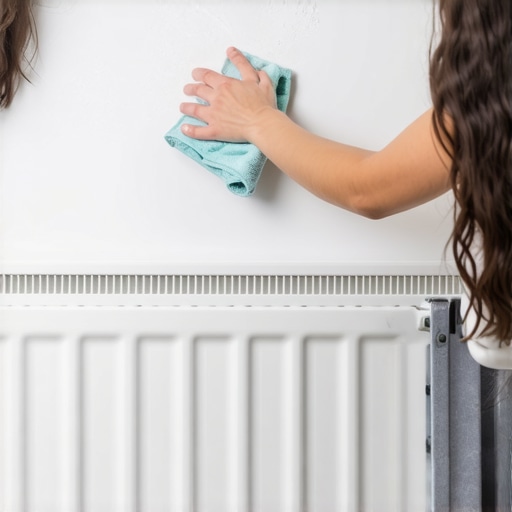
Apply a suitable cleaner—such as a mix of warm water and mild detergent or a dedicated radiator cleaner—to a microfiber cloth. Wipe down all accessible surfaces and the wall behind the radiator. For stubborn grime, a mixture of baking soda and water can act as a gentle abrasive. This approach ensures you’re removing the build-up that can harbor allergens and mold.
Target the Fins and Vents
Use a soft brush or an old toothbrush to clean between the radiator fins and vents, where dust often accumulates unnoticed. I found that this step alone improved my home’s air quality significantly. For more advanced techniques, check out the ultimate upholstery care guide.
Clean and Sanitize Surrounding Areas
Don’t forget to wipe down the wall, floor, and any nearby furniture or decor. Disinfect the wall with an all-purpose cleaner or a sanitizing spray to kill germs and mold spores, especially if you notice any signs of dampness. Regular sanitation like this greatly reduces allergen presence.
Reassemble and Test
Once everything is dry, reattach the radiator to its brackets, turn your heating back on, and observe for proper functioning. This final check ensures no water leaks and that the radiator heats evenly. Remember, consistent maintenance can prevent grime from re-accumulating, making future cleanings easier.
Maintain with Routine Checks
Implement a weekly or bi-weekly routine to vacuum and dust behind radiators, especially during seasonal changes when dust levels spike. Incorporating this step into your regular house cleaning routine will keep your space healthier. The effort might seem tedious, but the payoff in air quality and reduced allergy symptoms makes it worthwhile.
By taking these concrete actions, you dramatically improve indoor air quality and reduce the accumulation of harmful dust and allergens. Regularly addressing hidden spots like behind radiators is a vital part of comprehensive house cleaning, not just a chore for the cleaning enthusiast. Getting into the habit of thorough cleaning behind radiators can make a real difference over time, turning your home into a sanctuary of clean, fresh air.
Even seasoned homeowners and cleaning enthusiasts often assume they’ve mastered the basics of sanitation and deep cleaning, but misconceptions abound that can compromise your efforts. One widespread myth is that a quick spray of disinfectant is enough to ensure a truly germ-free environment. In reality, many disinfectants only kill surface bacteria but fail to reach into porous materials like upholstery or beneath layers of buildup. According to a study by the Centers for Disease Control and Prevention, proper sanitation involves a combination of thorough cleaning and sufficient contact time with disinfectants, especially on high-touch surfaces. Rushing through this process not only leaves germs behind but also fosters a false sense of security.
Another common mistake revolves around upholstery care. Many believe that regular vacuuming suffices, but neglecting deep cleaning can lead to embedded dirt, dust mites, and allergens that worsen respiratory issues. The key nuance often overlooked is the importance of professional-grade cleaning techniques, particularly for delicate fabrics. For instance, using improper cleaning agents can damage fibers or cause discoloration, which is why consulting detailed guides like our Ultimate Upholstery Care Guide is essential.
When it comes to move-out cleaning, tenants frequently rush to tidy up just enough to pass inspection, overlooking critical areas that can jeopardize the return of their deposit. A typical trap is undervaluing the importance of detailed tasks like cleaning behind appliances, baseboards, and inside vents. These overlooked spots harbor grime and mold that can cause landlords to withhold deposits. To avoid this, following comprehensive checklists such as our Move-Out Cleaning Checklist ensures a thorough job.
The broader misconception in house cleaning is treating it as a weekly chore rather than an ongoing process requiring strategic routines. Many assume that maintaining cleanliness is a matter of surface wiping, but this neglects the subtler buildup in hidden corners and deep in fibers. Implementing a daily cleaning routine helps prevent accumulation, making weekly deep cleans more manageable.
Now, here’s a question for the advanced cleaner: How do you effectively sanitize high-porosity surfaces like upholstery and curtains without risking fiber damage? The answer involves understanding the chemistry of sanitizing agents and choosing appropriate methods—such as using EPA-registered products designed for delicate fabrics and employing gentle steam cleaning techniques. Expert sources recommend consulting specialized guides and even seeking professional advice when dealing with valuable or delicate items to prevent damage while achieving germicidal results. For comprehensive strategies, explore our Effective Sanitizing Methods resource.
Have you ever fallen into this trap? Let me know in the comments. Mastering the nuances of sanitation and deep cleaning elevates your home environment from merely clean to truly healthy.
Investing in Quality Equipment for Lasting Results
When it comes to maintaining a consistently clean and healthy home, the right tools make all the difference. Personally, I swear by a high-quality HEPA filter vacuum, such as the Dyson V11 Absolute, which I use weekly to trap microscopic dust particles and allergens that regular vacuums miss. Its powerful suction and intelligent filtration system have transformed my cleaning routine, especially when tackling tricky spots like upholstery or behind appliances. Deep cleaning upholstery with a trusted cleaner combined with this vacuum keeps my furniture pristine and allergen-free for months.
Additionally, a steam cleaner like the Rowenta Clean Complete 5-in-1 has been essential for sanitizing surfaces without employing harsh chemicals. I prefer steam cleaning because it effectively kills bacteria and molds while being environmentally friendly. However, I always ensure I use it correctly, following manufacturer instructions closely, as improper use can damage delicate fabrics or surfaces. Incorporating tools like these into your cleaning arsenal not only improves initial results but ensures they endure over time, reducing the need for frequent replacements or deep scrubbing.
How do I maintain my cleaning tools over time?
Proper maintenance involves regular cleaning of your equipment according to the manufacturer’s guidelines. For vacuums, this means emptying filters and replacing HEPA filters every 6-12 months. For steam cleaners, descaling and thorough drying after each use prevent mold and mineral buildup. I also recommend inspecting tool attachments periodically for damage or wear, which can impair performance. Keeping your tools in good condition is crucial because it preserves their efficacy and prolongs their lifespan, saving you money and effort in the long run. For more detailed tips on this, review our sanitizing hacks for safe house transitions.
Looking ahead, the trend in cleaning technology points towards smarter, AI-driven tools that adapt to your home’s unique needs, making routine maintenance even more effortless. Embracing these innovations now can significantly streamline your house care routine.
As a practical step today, I challenge you to try a versatile steam cleaner for your next deep clean session. You’ll be surprised at how much easier it is to keep surfaces sanitized and fresh with this powerful technique.
The Costly Mistakes I Didn’t Know I Was Making
One of my biggest revelations was realizing that superficial cleaning gives a false sense of security. I used to wipe down surfaces daily, thinking that was enough, until I discovered the importance of deep-cleaning hidden spots like behind radiators and inside vents. These overlooked areas silently contribute to allergies and poor air quality, and neglecting them can undo your meticulous efforts.
Another lesson was understanding that not all cleaning tools are created equal. Relying solely on household vacuums and generic cleaners often leaves allergens behind. Investing in quality tools like HEPA-filter vacuums and specialized upholstery cleaners has transformed my home environment profoundly.
Finally, I learned that rushing through sanitation, especially on porous surfaces, can leave harmful bacteria intact. Proper contact time with disinfectants and choosing the right products are vital steps many skip, but they make all the difference in truly safeguarding your family’s health.
Tools and Resources That Changed My Approach
My go-to recommendation is a versatile steam cleaner, like the Rowenta Clean Complete 5-in-1, which effortlessly sanitizes surfaces without chemicals. Its effectiveness convinced me to ditch harsh cleaners and embrace eco-friendly methods. For upholstery, the Ultimate Upholstery Care Guide has been invaluable, teaching me how to maintain fabrics without damaging them.
To keep my tools in top condition, I follow maintenance routines outlined in the Sanitizing Secrets for a Safer House guide, extending their lifespan and ensuring peak performance. These resources have empowered me to keep my home healthy with confidence and consistency.
Your Turn to Make a Change
Deep cleaning isn’t just about appearance; it’s about creating a sanctuary of clean, fresh air for you and your loved ones. By applying these insights and using trusted tools, you can elevate your house cleaning from routine chore to health-enhancing practice. Remember, the small efforts—like thoroughly cleaning behind radiators or sanitizing high-touch areas—add up to a noticeable difference over time.
What’s one hidden spot in your home that you’ve overlooked but now realize deserves attention? Share your experiences below, and let’s learn from each other’s cleaning adventures!