
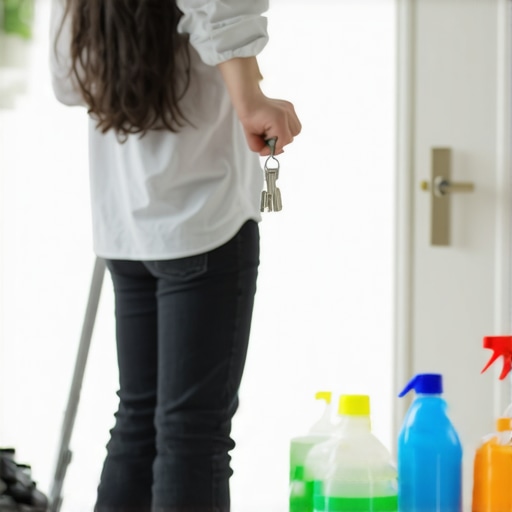
I remember the moment vividly—holding the shiny new keys, my palms sweaty, heart pounding. Instead of feeling excited, I was overwhelmed by a wave of dread. The apartment looked like a tornado had passed through—dust on the countertops, last tenant’s leftovers in the fridge, and a thick layer of grime on the bathroom tiles. I realized immediately: I had no idea where to start. That lightbulb moment hit hard—cleaning a new space isn’t just about tidying up; it’s about creating a safe, healthy haven right from the start.
The Secret to Starting Your Move-In Cleaning Right
Imagine walking into your new home, expecting a blank canvas, only to be greeted by dust bunnies hiding in corners and surfaces that haven’t seen a cloth in ages. This chaos can make even the most enthusiastic new homeowner feel stuck. But here’s the good news: knowing what to clean first can save you time, effort, and a lot of frustration.
Starting with the most overlooked spots, like light switch plates and door handles, can dramatically reduce germs and bacteria—especially important now, as studies show high-touch surfaces harbor many pathogens (source: Effective House Cleaning Secrets from Cleaning Experts). Tackling the kitchen and bathroom early ensures you’re not just cleaning but sanitizing critical points. Once these areas are handled, the whole space begins to feel more livable and inviting.
But let me share a mistake I made early on that almost set me back. I dove straight into scrubbing the bathroom tiles without organizing my supplies first. Halfway through, I realized I was using the wrong brush on delicate grout, which made things worse. Lesson learned: always prep your cleaning toolkit before starting. For expert tips on effective house cleaning strategies, check out the house cleaning strategies for a sparkling home.
Are you facing the challenge of where to begin your move-in cleaning? Do you feel paralyzed by the mess? You’re not alone. With the right approach, you can turn this chaotic fresh start into a success story—one clean surface at a time.
Prioritize High-Touch Surfaces Immediately
Start by disinfecting light switches, door handles, and remote controls. These spots harbor bacteria and viruses, making them essential first targets. Use microfiber cloths dampened with a disinfectant spray for effective cleaning. Applying this method prevents the spread of germs and sets a hygienic tone for the rest of your clean-up.
Deep Clean the Kitchen and Bathroom First
Treat these areas as the cornerstone of sanitation. In the kitchen, focus on countertops, sinks, and appliances. For the bathroom, scrub the toilet, shower, and sink with appropriate cleaners. For stubborn grime, use a mixture of baking soda and vinegar—this combo is excellent for dissolving grease and soap scum without harsh chemicals. Be cautious with abrasive tools that can damage delicate surfaces; instead, opt for soft brushes or non-abrasive pads to avoid unnecessary scratches. Learn more about deep kitchen cleaning.
Use Proper Equipment for Upholstery and Carpets
Next, tackle upholstery and carpets, often neglected during initial cleans. Invest in a good-quality steam cleaner or hire professionals for thorough results. When cleaning fabric furniture, avoid dish soap or harsh chemicals; instead, use specialized upholstery cleaners or a vinegar solution for spot treatment. For carpets, regular vacuuming combined with occasional deep steam cleaning will prolong their life and keep them looking fresh. Remember, microfiber cloths are your best friend for quick wipe-downs—just ensure they are clean and free from residue or dust traps to avoid spreading dirt. Discover expert house cleaning secrets.
Sanitize All Surfaces Methodically
Beyond cleaning, sanitizing is critical, especially on high-touch surfaces. Use EPA-approved disinfectants and adhere to the contact time specified by the manufacturer to ensure maximum efficacy. For electronics, such as keyboards and remote controls, a quick wipe with microfiber cloths dampened with disinfectant spray suffices. Be cautious with moisture; avoid saturating electronics to prevent damage. Regularly sanitize surfaces in shared spaces to reduce microbial load and create a healthier environment. Explore effective sanitizing methods.
Address Hidden Areas and Ventilation
Don’t forget to clean behind appliances, under the sink, and inside cabinets. These areas often accumulate dust and mold, which can impact indoor air quality. Use extendable tools and vacuum attachments for hard-to-reach spots. Proper ventilation during cleaning helps disperse airborne dust and odors, ensuring a fresher space. Open windows and run exhaust fans during and after cleaning sessions. This not only improves air circulation but also aids in drying surfaces faster, reducing microbial growth. See more house cleaning strategies.
While many homeowners believe that scrubbing surfaces thoroughly is enough to ensure a clean home, the reality is far more nuanced. A common myth is that using harsh chemicals or heavy scrubbing directly correlates with better sanitation—however, over-scrubbing can damage delicate surfaces and reduce their ability to resist future stains or microbial buildup. Experts emphasize that understanding the material-specific cleaning methods and employing gentler, targeted approaches often yield superior long-term results. For example, in upholstery care, aggressive scrubbing can fray fabric fibers and diminish the furniture’s lifespan. Instead, using appropriate cleaning agents and techniques, as outlined in the ultimate upholstery care guide, preserves fabric integrity while maintaining cleanliness.
A critical yet overlooked aspect is the proper sanitization process. Many think that simply wiping surfaces with soap and water suffices, but without proper disinfectants and adequate contact time, bacteria and viruses may survive. According to sanitation experts, selecting EPA-approved disinfectants and following manufacturer instructions ensures effective germ elimination. A mistake that often occurs during move-out cleaning is neglecting hidden corners or under appliances, which can harbor mold or bacteria and lead to deposit deductions or health issues. It’s vital to develop a comprehensive cleaning checklist, as recommended in move-out cleaning hacks, to address these often forgotten areas.
What about high-touch surfaces like doorknobs, switches, and remotes? Many underestimate their role in cross-contamination. Regular disinfection of these points is essential, especially during flu seasons or health crises, and using microfiber cloths dampened with disinfectant is a best practice. Also, cleaning is not just about visible dirt—it’s about breaking the microbial chain. Spraying or wiping without allowing disinfectants sufficient dwell time diminishes their effectiveness, as highlighted in studies by microbial specialists.
An advanced mistake that trips up even experienced cleaners relates to using inappropriate tools or cleaning agents for specific materials. For example, using vinegar-based solutions on marble surfaces can cause etching, given vinegar’s acidity. Recognizing the nuances of your surfaces, such as porous versus non-porous, is critical. For deeper insights, consider consulting the secrets from cleaning professionals who explain tailored cleaning strategies.
Finally, understanding the science behind sanitization can radically improve your home hygiene practices. According to recent research in microbiology, microbial populations can quickly repopulate cleaned surfaces if not properly disinfected or if environmental conditions favor microbial growth. Therefore, combining cleaning with proper sanitization techniques, supported by evidence-based products, ensures your space remains safer and healthier. Don’t fall into the trap of superficial cleaning—dig deeper and embrace the science!
Have you ever fallen into this trap? Let me know in the comments and share your experiences or questions about advanced cleaning techniques.Achieving a sparkling, sanitary home isn’t just about one-time efforts; it requires reliable tools and consistent maintenance. Personally, I swear by my high-quality microfiber cloths and a versatile steam cleaner. Microfiber cloths are indispensable because their fine fibers attract dust and microbes more effectively than traditional rags, and I make sure to wash and replace them regularly to prevent spreading dirt—a process detailed in this guide. As for my steam cleaner, I use a model with adjustable temperature controls and a powerful steam output, which is perfect for sanitizing upholstery and removing deep-seated grime without chemicals, aligning with the best practices outlined in expert house cleaning secrets. In the future, I predict that cleaning appliances integrated with IoT technology will automatically alert you when maintenance is due, further simplifying upkeep.
How do I maintain my cleaning tools over time?
Regular maintenance of your cleaning equipment is crucial. For example, my steam cleaner’s gasket and filter require monthly inspection and descaling to prevent mineral build-up, which can compromise performance. Lubricating moving parts with manufacturer-approved oils prolongs the lifespan of equipment like vacuums or scrubbers. I recommend keeping a detailed maintenance schedule, and a dedicated checklist can be found here. Additionally, always store your tools in a dry, temperature-controlled environment to avoid mold or damage, particularly for items like microfiber cloths or battery-operated devices. Incorporate routine inspections and cleaning of your tools; for instance, wiping down your microfiber cloths with a fabric softener occasionally can restore their absorbency, as explained in this article. By investing in quality, well-maintained equipment and adhering to a regular upkeep regimen, you’ll extend their usability and ensure consistently superior results. Now, try this advanced tip: schedule monthly descaling of your steam cleaner using vinegar solution, which saves money and keeps your device running at peak performance. Happy cleaning!Moving into a new home can be exciting yet daunting, especially when considering the deep cleaning needed to create a safe, welcoming space. Over the years, I’ve learned that the most effective move-in cleaning strategies involve more than just surface tidying—they require insight, technique, and a little insider wisdom. From my personal experience and the expert resources I trust, here are the lessons that can transform your move-in process into a quick, efficient, and satisfying project.
The Hardest Lesson I Learned About Move-In Cleaning
One of my most pivotal realizations was that neglecting high-touch areas like switches and doorknobs can compromise your family’s health, even in a brand-new space. I used to overlook these spots, but after reading about microbial transfer (source: Effective House Cleaning Secrets from Cleaning Experts), I started prioritizing disinfecting these everywhere. It made a noticeable difference in the overall hygiene of my home.
Why Cutting Corners Just Isn’t Worth It
In my early days of cleaning, I thought using harsh chemicals or rushing through tasks would suffice. However, I soon realized that patience and appropriate tools matter immensely. Using microfiber cloths dampened with disinfectants on surfaces like light switches ensures bacteria are thoroughly eliminated. Trust me, the small investment in proper equipment pays off and makes the process less tiresome. For a step-by-step guide on intensive house cleaning, this resource became invaluable: House cleaning strategies for a sparkling home.
Forget the Myth of Instant Cleanliness
Many believe that a quick wipe-down is enough, but I learned that true sanitation requires methodical attention. Especially in kitchens and bathrooms, deep cleaning these areas first set the tone for a hygienic environment. Using vinegar and baking soda for stubborn grime, I found, is an eco-friendly, effective choice, aligned with expert advice. Avoiding abrasive tools on delicate surfaces like marble preserves their beauty while still being hygienic.
Tools That Do the Heavy Lifting
Investing in a good steam cleaner and quality microfiber cloths revolutionized my approach. These tools not only make cleaning faster but also guarantee better results. Regular maintenance of these appliances—like descaling my steam cleaner monthly with vinegar—ensures peak performance over time. Remember, it’s the consistent use of quality tools, combined with proper upkeep, that leads to a truly clean home.
Science-Backed Sanitization—My Secret Weapon
Applying EPA-approved disinfectants with correct contact times is vital. I’ve learned that simply wiping surfaces isn’t enough; allowing disinfectants to dwell ensures germs are genuinely killed. This small adjustment has helped me avoid recontamination and created a healthier living space. For more scientific insights, I recommend exploring effective sanitizing methods.
The Hidden Spots That Make or Break Your Move-In Clean
Cleaning behind appliances, inside cabinets, and inside vents might seem tedious, but ignoring these can lead to mold or dust buildup. Using extendable tools and ensuring good ventilation during cleaning helps disperse dust and moisture, preventing microbial growth. Investing a little extra time on these hidden areas pays dividends in air quality and overall hygiene.
My Advantage—Tailored Cleaning for Delicate Surfaces
Over-scrubbing or using inappropriate cleaners can damage fragile materials like fabrics or natural stone. I’ve adopted a gentle, surface-specific approach, guided by the detailed advice in Ultimate Upholstery Care Guide. Recognizing material nuances and employing the right techniques preserve the integrity of your surfaces while ensuring they’re hygienic.
Science Meets Routine—Elevating Your Home Hygiene
Understanding how microbes repopulate surfaces has transformed my cleaning schedule. I now combine routine cleaning with strategic sanitization, focusing on high-touch areas, to create a resilient defense against germs. Embracing these science-backed practices, supported by reputable research, takes your home’s hygiene from good to exceptional.
My Favorite Tools and How I Care for Them
From microfiber cloths to steam cleaners, maintaining my tools is essential. I wash microfiber cloths regularly and store my equipment properly to prevent mold or dust accumulation. Scheduling routine maintenance, including descaling my steam cleaner monthly with vinegar, prolongs its lifespan and ensures reliable performance. These small habits, detailed further at how to save microfiber cloths, make a surprising difference.
Your move-in cleaning journey can be smooth, efficient, and deeply satisfying with these insights. Remember, the secret lies not just in cleaning but in understanding proper techniques, tools, and science-backed methods. With a strategic approach, your new space will become a healthy sanctuary you enjoy every day.
**Have you ever skipped a crucial step in your move-in cleaning? Share your experience below and let’s learn together!**