
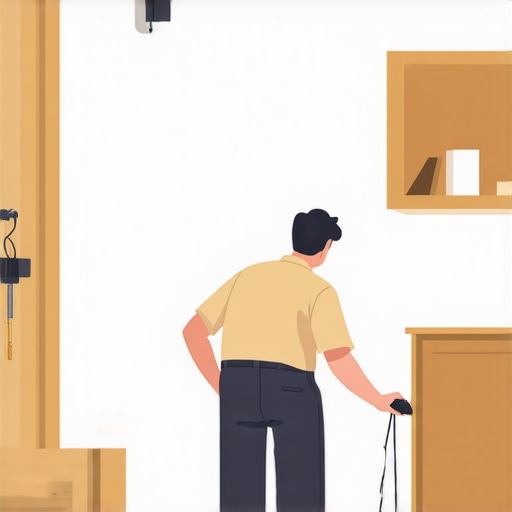
I remember the moment perfectly—my stomach sank as I stepped into my apartment after a grueling move. Something was off. Not visible at first glance, but as I looked closer, there it was: a tiny, stubborn grey spot on the wall behind the door, almost invisible unless you knew where to look. My heart raced. That tiny mark was enough for my landlord to threaten withholding part of my deposit. It hit me then—there’s always that one small detail we overlook, believing it’s insignificant, only to realize it can make or break our move-out inspection.
The Most Overlooked Item on Every Move-Out Checklist That Landlords Insist On
Now, years of experience have taught me that it’s not just big messes or obvious damage that landlords scrutinize. Sometimes, it’s the tiniest specks, streaks, or spots—like smudged walls, light fixture grime, or hidden mould—that landlords make their final judgment on. The frustrating part? Many tenants are unaware that these minor details can be the difference between getting the full deposit back or dreading a lengthy dispute.
Is that tiny spot really worth losing your security deposit?
Early in my cleaning journey, I made the mistake of thinking that if the place looked clean overall, landlords would overlook small imperfections. Spoiler alert: They don’t. A friend once told me about a move-out inspection where a landlord pointed out a faint stain on a ceiling, which the tenant thought was hardly noticeable. That tiny appearance cost him hundreds of dollars. Trust me, I’ve learned from experience that paying attention to the smallest details isn’t just OCD—it’s a smart move to ensure your deposit stays right where it belongs: in your pocket.
So, what exactly is this *forgotten item*? Well, it’s often something superficial, yet critical—a subtle mark or dirt that’s easy to miss but costly to ignore. Keeping track of these can be tedious, especially during a stressful move, but I promise, the effort pays off. And if you’re tired of leaving last-minute surprises for your landlord, I’ve got just the tips to help you spot and eliminate these tiny pitfalls before it’s too late. Curious? Keep reading, and I’ll show you how to avoid these common—and costly—mistakes.
Start With a Detailed Inspection
Before you pick up a cloth, walk through your space with a fresh eye. Look for tiny specks, smudges, or areas that seem slightly dirtied. Remember, landlords scrutinize even minor imperfections, so be thorough. Use a flashlight at an angle to catch hard-to-see spots and create a checklist of areas to address, like baseboards, behind appliances, and light fixtures.
Gather the Right Tools and Supplies
Equip yourself with microfiber cloths, a squeegee, gentle all-purpose cleaner, a microfiber mop, and specific products for stubborn stains. Microfiber cloths are excellent because they trap dirt without spreading it. Avoid abrasive sponges that can scratch surfaces, making grime more visible or difficult to remove later. For carpets and upholstery, consider renting professional-grade equipment or hiring experts—trust me, a dirty carpet can undo your good work fast.
Deep Clean Each Surface Methodically
Walls and Ceilings
Dust ceiling fans and light fixtures first, then gently wipe walls with a damp microfiber cloth. Pay special attention to corners and moldings, where dust and grime accumulate, especially behind doors or near vents. Small smudges and marks can be eliminated with a mild soap solution or dedicated wall cleaner. Effective cleaning techniques can make this task more manageable.
Kitchen Appliances
Remove greasy buildup from stove hoods and behind the fridge. Use a degreasing solution, and don’t forget to clean the drip pans and oven interior with special attention—these are common problem spots flagged during inspections. A good tip is to tackle high-use areas only after finishing the floors and surfaces, so dirt doesn’t settle back. For more targeted advice, check out move-out cleaning hacks.
Floors and Carpets
Vacuum thoroughly, paying attention to edges and corners. For carpets, a deep steam clean not only lifts dirt but also eliminates odors that may cause deductions. I once had a stubborn coffee stain on a beige carpet that refused to disappear with surface cleaning. After renting a professional machine and repeating the process, I achieved a near-fresh look that the landlord appreciated. Visit ultimate upholstery care guide for expert tips.
Sanitize High-Touch Surfaces
Use a suitable disinfectant on light switches, door handles, and remote controls. The key is applying a proper technique—damp cloth or microfiber wipe, followed by air drying. For safety, opt for non-bleach, germ-fighting solutions labeled safe for household surfaces. Proper sanitizing prevents mold, bacteria, and the risk of deductions due to overlooked germs.
Focus on Hidden and Overlooked Areas
Many tenants forget to clean behind appliances, inside air vents, or under sinks. This is where mold, grime, and even pest signs can hide, inviting complaints from landlords. Remove and clean refrigerator seals, baseboards, and window sills thoroughly. In my experience, cleaning behind the washing machine and inside the dryer vent drastically reduces inspection complaints; it’s an easy way to show good maintenance. For precise strategies, see move-out strategies.
Maintain Documentation and Final Checks
Photograph each cleaned area before packing up. This acts as proof that you’ve addressed all potential issues. Do a final walkthrough, ensuring every detail matches the cleanliness level expected at move-out. Double-check for dust layers on ceiling fan blades or grime in bathroom grout lines, using a flashlight if necessary. A methodical approach here saves you from last-minute surprises and disputes over deposit returns.
While many believe that surface-level cleaning suffices for a healthy home, the reality is far more nuanced. A widespread myth is that antibacterial sprays alone are enough to kill all germs; however, research from the Centers for Disease Control and Prevention emphasizes that proper sanitation requires thorough cleaning followed by disinfection, especially in high-touch areas. Many overlook that the effectiveness of sanitizing depends heavily on the contact time and proper technique—not just spraying and wiping.
For instance, effective sanitizing methods prove that numerous homes fail at true disinfection because they don’t let disinfectants sit long enough or use the right tools, such as microfiber cloths that trap bacteria rather than spread it around. This oversight often leads to a false sense of security, leaving pathogens behind.
When it comes to upholstery, a common mistake is believing that vacuuming alone is sufficient for allergen control. In reality, many overestimate the capacity of their home vacuum cleaners to remove deeply embedded pet dander, bacteria, or micro-organisms. Professional-grade cleaning, including hot steam treatments, offers more effective eradication of hidden contaminants. For detailed tips, see upholstery cleaning tips.
Most people dread move-out cleaning, yet they often underestimate the importance of targeting less obvious areas. For example, cluttered fridge seals, neglected HVAC vents, or clogged dryer vents can harbor mold and bacteria that impact hygiene and inspection results. A critical mistake is assuming that cleaning visible surfaces alone will pass the inspection because invisible grime can cause deposit deductions. Comprehensive checklists like move-out checklists recommend inspecting these hidden zones.
Lastly, the belief that regular household cleaning products are universally effective is a misconception. Different surfaces and germs require specific cleaning agents. Using dish soap on upholstery or relying solely on vinegar for bathroom disinfection can be less effective or even damaging. Expert insights from cleaning experts underscore the importance of selecting the right chemical solutions for each task.
Remember, oversimplifying cleaning routines can lead to inadequate sanitation, increased health risks, and losing your security deposit. Let’s dig deeper—are you guilty of any of these misconceptions? If so, check out our move-out cleaning hacks to avoid costly mistakes. Share your experiences in the comments below!
Keep Your Equipment in Top Shape for Reliable Results
Investing in quality cleaning tools is only half the battle; regular maintenance ensures they perform at their best over time. For example, microfiber cloths are invaluable, but they can trap dirt and bacteria if not cared for properly. I always rinse, wash, and air-dry my microfiber cloths after each use, following guidelines from this expert review. This simple habit prolongs their lifespan and maintains their effectiveness, preventing streaks and missed spots during cleaning sessions.
Use Specialized Tools for Stubborn Grime
When tackling residues like grease or mold, standard cleaners often fall short. I recommend a dedicated grout brush with stiff bristles for bathroom tiles or a steam cleaner for upholstery and carpets. A steam cleaner not only sanitizes but also lifts embedded dirt without reliance on harsh chemicals—saving your fabrics and surfaces in the long run. Regularly inspecting and replacing worn brushes and filters keeps your equipment functioning efficiently and reduces repair costs. Future trends suggest an increasing integration of smart cleaning devices that monitor their own maintenance needs, making home care even more straightforward.
Software Solutions Streamline Your Routine
Maintaining an organized cleaning schedule helps you stay on top of household chores and ensures no area is neglected. I utilize task management apps like Todoist with recurring reminders for weekly deep cleans and monthly equipment checks. This digital approach allows me to track maintenance history, set priorities, and share checklists with family members. To enhance your routine, consider integrating these tools—it’s a game-changer for consistency and accountability.
How do I maintain my cleaning tools over time?
Proper storage and periodic deep cleaning of your tools are essential. Store brushes and mop heads in a dry, ventilated area to prevent mold and unpleasant odors. Every few months, soak brushes and mop heads in a vinegar solution—mix one part vinegar to three parts water—to disinfect and extend their usability. Regularly replacing worn tools ensures maximum efficiency and prevents dirt transfer during your cleaning routine. For a comprehensive guide on tool longevity, see this resource. Try implementing a monthly equipment maintenance check, and notice how your cleaning effectiveness improves while costs decrease over time.
What I Wish I Knew About Final Touch-Ups
One of the biggest lessons I learned is that cleanliness isn’t just about surface shine—it’s about the tiny imperfections that can make or break your deposit return. Over time, I realized that meticulous attention to small spots on walls or behind appliances can save you hundreds.
Why Overlooking Hidden Spots Could Cost You
I used to think wiping visible surfaces was enough, but I discovered that areas like window sills, air vents, and under appliances can harbor grime that inspectors will notice. Addressing these hidden areas proactively prevents last-minute surprises.
How Investing in the Right Tools Elevates Your Clean
Finding the proper equipment, like microfiber cloths and steam cleaners, has transformed my cleaning routine. These tools trap dirt more effectively and sanitize deeper, ensuring no detail is left overlooked, especially in tough-to-reach spots.
The Power of Documentation During Your Final Walkthrough
Photographing your progress gives peace of mind and can be a valuable reference if disputes arise. A quick photo record shows your effort and helps confirm you left the property in excellent condition, aligning with what landlords expect.
Connecting Personal Dedication to Peace of Mind
While the process takes effort, I’ve found that when I focus on the nuanced details, I feel more confident that I won’t lose my security deposit. Remember, a thorough clean isn’t just about appearances—it’s about respecting your space and your future.