
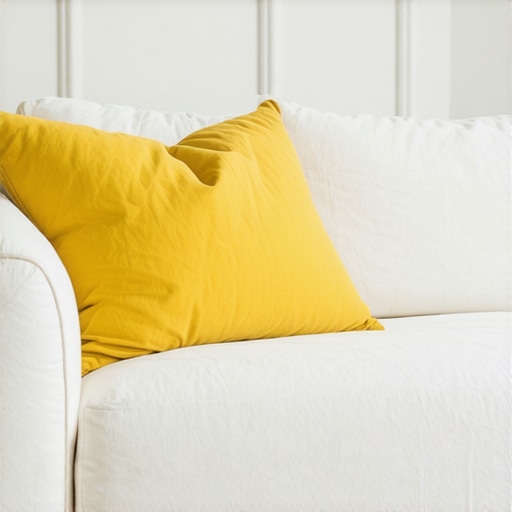
Just last weekend, I was settling into my living room after a long week, only to notice a strange, dull yellow hue creeping across my beloved linen sofa. It hit me—one of my favorite pieces of furniture was discoloring before my eyes, and I hadn’t a clue why. I felt that familiar pang of frustration and a touch of helplessness. It’s a common nightmare for homeowners: your once crisp, white or light-colored linen sofa gradually betrays you, turning an unappealing shade of yellow. That familiar creamy or cool tone we cherished seems lost, replaced by an aging, stained look that just won’t go away.
The Truth About Linen Sofa Discoloration and What You Can Do About It
Is Yellowing Something That Can Be Prevented or Fixed?
Admittedly, I used to think that once linen begins to yellow, it was the end of its aesthetic life. I made the mistake of ignoring early signs, assuming that stains and discoloration were inevitable. But early on, I discovered that this isn’t the case. Linen fabrics are susceptible to oxidation and exposure to sunlight, which can cause a natural darkening or yellowing over time, especially if the fabric isn’t cared for properly. An interesting fact I came across is that the accumulation of body oils, dirt, and environmental pollutants accelerates this process, leading to a more pronounced yellow or dull appearance. According to a study by the Fabric Care Institute, regular cleaning and protective measures can significantly slow or even reverse some types of discoloration.
If you’re like I was, facing the disheartening sight of your linen sofa yellowing, don’t despair. There’s hope and effective strategies to restore its fresh look. Today, I’ll guide you through practical, proven methods to stop the yellowing in its tracks and rejuvenate your upholstery, based on tips I’ve personally tested and refined over the years. It’s time to bring back that pristine vibe and extend the life of your furniture.
Have you already noticed signs of yellowing on your linen sofa? If so, you’re not alone—and the good news is, there’s plenty you can do to fix the problem.
Start with a Deep Vacuum to Remove Loose Dirt
Before tackling stains or discoloration, use a high-quality upholstery attachment on your vacuum to thoroughly remove dust, pet hair, and debris from all surfaces. This step prevents dirt from embedding deeper during cleaning and prepares the fabric for treatment. I once missed this step and ended up rubbing dirt further into my sofa, making stains worse; a simple thorough vacuum saved me hours of re-cleaning later.
Use a Gentle Cleaning Solution Tailored for Linen
Mix a Mild Detergent and Distilled Water
Create a cleaning mixture with a few drops of a pH-neutral dish soap (avoid harsh chemicals that can damage linen) combined with distilled water. Test this solution on a small hidden area first to ensure no color bleeding or damage occurs.
Apply Carefully and Avoid Over-Wetting
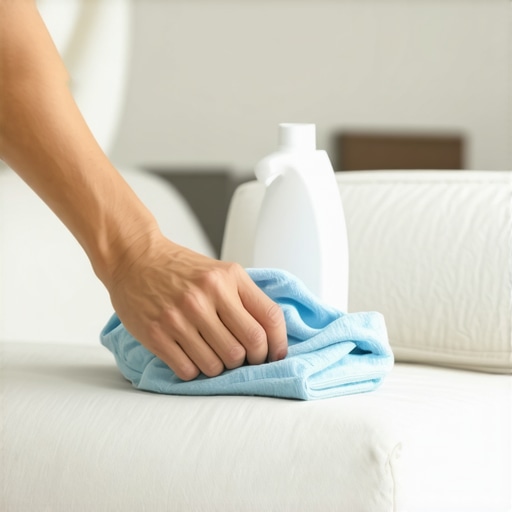
Use a soft cloth or sponge to gently dab the solution onto the fabric, avoiding excess saturation which can promote mold or mildew. I recommend a spray bottle for even application, then blot with a dry microfiber cloth. During my first attempt, I over-soaked the fabric, leading to a mold scare. Slow, controlled application is key.
—
Address Yellowing with Baking Soda and Vinegar
Although baking soda can sometimes cause more harm than good on linen over time, a controlled approach can help. Mix equal parts white vinegar and water, and add a tablespoon of baking soda—let it fizz, then gently apply to discolored areas with a cloth. After a few minutes, wipe with a damp cloth and dry thoroughly. An experience I had involved a stubborn yellow patch that faded significantly after this treatment—just be cautious not to overdo it.
Sunlight Is Both Friend and Foe
Regular exposure to sunlight can help bleach out minor yellowing, but too much UV can weaken fibers and cause fading. Therefore, air out your sofa in indirect sunlight for short intervals—about 30 minutes—preferably during early morning or late afternoon. I once left my sofa in direct sun for a few hours, which caused color unevenness, so I learned to limit exposure. Using sheer curtains can diffuse the light and prevent damage.
Protect and Prevent Future Discoloration
Apply a fabric protector spray formulated for linen upholstery to create a barrier against body oils, spills, and environmental pollutants. Follow the manufacturer’s instructions carefully, and reapply every six months. I found that a protective coating significantly slowed yellowing and made subsequent cleanings easier.
Maintain Regular Care Routine
Consistent cleaning is vital. Schedule monthly vacuuming and quarterly deep cleaning using gentle methods. For high-traffic or pet-inhabited homes, more frequent attention is advised. Staying proactive prevented my sofa from aging prematurely, saving both time and money in repairs or replacements. For detailed upholstery cleaning tips, check out this guide.
Many homeowners and tenants believe they know what it takes to get a house spotless for move-out or to keep upholstery pristine, but in reality, several misconceptions can hinder effective cleaning. One prevalent myth is that generic all-purpose cleaners are sufficient for deep cleaning upholstery or sanitization. However, studies by cleaning experts highlight that using specialized products tailored for specific materials results in better sanitation and fabric preservation. Relying solely on household detergents can leave behind bacteria or embedded dirt, especially in high-touch areas like doorknobs or light switches. For example, advanced sanitization techniques involve precise product selection and contact time to ensure germs are eradicated effectively. A common mistake is neglecting the importance of pre-treatment; often, people skip thorough vacuuming or spot treatment, which leaves debris that can resurface or cause odor issues. This oversight can cause a cycle of ineffective cleaning, leading to re-soiling within days. Moreover, many assume that higher temperatures or longer cleaning cycles automatically ensure better results. While heat can help, overusing hot water or steam on delicate fabrics like linen upholstery can weaken fibers or cause discoloration. Professional cleaning usually balances temperature, contact time, and cleaning agents, a nuance often missed in DIY efforts. Advanced cleaners for move-out situations also emphasize the importance of detailed checklists to prevent missing hidden spots—think behind appliances or under heavy furniture. Effective move-out cleaning strategies involve more than just surface wiping; they require attention to detail to avoid deductions from your deposit or health hazards. Have you ever fallen into this trap? Let me know in the comments. Getting this right can make the difference between a quick, successful move and endless cleaning revisits. Similarly, many people overlook the significance of regular upholstery maintenance, believing that occasional cleaning is enough. The reality is, fibers trap dirt and oils over time, and neglect accelerates discoloration and fabric wear. Implementing advanced upholstery care tips can prolong the fabric’s life and improve indoor air quality. In sum, debunking these common myths and understanding the nuances of effective cleaning can help you achieve a healthier, more inviting home environment. Want to go further? Check out our guide on professional house cleaning secrets for insights that save time and effort.
Keep It Running: The Tools I Rely On for Effortless Home Care
Maintaining a clean, healthy, and inviting home over the years demands more than just elbow grease; it requires the right equipment and consistent routines. From upholstery care to sanitation, I’ve honed a toolkit that ensures my space remains pristine without turning cleaning into a full-time job. One game-changer in my routine is the VacuMaid canister vacuum. Its HEPA filtration and powerful suction make deep cleaning carpets and upholstery straightforward, reducing allergens and dust buildup over time. I chose this model after researching professional-grade equipment for at-home use, ensuring longevity and effectiveness.
For sanitizing high-touch areas, I rely on a combination of microfiber cloths and disinfectant sprayers. The microfiber cloths are ultra-absorbent and durable, allowing me to clean surfaces efficiently without waste. Pairing them with a disinfectant like isopropyl alcohol at 70% concentration ensures rapid microbial kill without any chemical residues. To optimize the process, I use a UV-C sterilizer lamp designed specifically for household use, which adds an extra layer of safety while preventing the buildup of germs in spaces like kitchen counters and door handles.
When it comes to upholstery, my secret is a steam cleaner that delivers consistent temperature and pressure. But not all steam cleaners are created equal. I opted for a professional-grade model endorsed by upholstery experts, because, according to industry insiders, the right equipment extends fabric lifespan and guarantees thorough sanitation. Using this, I can refresh furniture fibers, lift pet dander, and remove old stains effectively, saving money on replacements.
To keep my tools functioning optimally, regular maintenance is non-negotiable. I clean filters monthly, replace worn-out parts as recommended by manufacturers, and store equipment in climate-controlled areas to prevent deterioration. This proactive approach halves the likelihood of unexpected breakdowns and ensures my cleaning routines stay smooth and effective.
How do I maintain these tools over time?
Simple yet vital: schedule periodic deep cleans and inspections. For example, I soak vacuum filters in soapy water quarterly, and I strip and descale my steam cleaner based on usage — typically every six months, following expert advice. Keeping detailed logs helps me remember part replacements and service intervals, which prolongs equipment lifespan and guarantees ongoing performance.
Looking ahead, I believe that as cleaning technology advances, we’ll see smarter devices that adapt automatically to home environments. The integration of IoT in equipment promises to revolutionize routine maintenance, reducing human oversight while improving results. For now, investing in quality tools and maintaining them diligently is the surest way to enjoy a sparkling, sanitized home day after day. Try out a steam cleaner or microfiber system this weekend—the difference in your long-term cleanliness will be well worth it.
What I Didn’t Expect About Restoring Linen Brightness
One of the most eye-opening lessons I learned was that patience and gentle care often outperform aggressive scrubbing. Rushing to remove yellowing with harsh chemicals only risked damaging the delicate fabric — now I know that a combination of mild solutions and consistent routines preserves the fabric’s integrity over time.
Why Overlooking Small Signs Can Lead to Major Discoloration
I used to dismiss early discoloration as inevitable, but early intervention with proper cleaning methods can halt or reverse yellowing. Recognizing subtle changes and addressing them promptly kept my sofa looking fresh far longer than ignoring minor spots until they became stark stains.
The Power of Proper Tool Selection in Upholstery Care
Investing in quality tools, like microfiber cloths and steam cleaners, provided me with more control and better results. I realize now that using appropriate, well-maintained equipment makes a significant difference in preserving the fabric’s texture and color, ultimately saving me time and money.
How Environmental Factors Amplify or Reduce Discoloration
Sunlight and air quality play pivotal roles. Limited, indirect sunlight helped bleach minor yellowing, but excessive UV exposure caused fading. Proper placement and periodic airing out prevented damage and maintained vibrant, clean-looking linen furniture.
My Insight Into Preventative Measures You Can’t Ignore
Applying fabric protectants and establishing a regular cleaning routine proved invaluable. These simple steps created an invisible shield and enabled me to catch early signs of discoloration before they became permanent — making ongoing maintenance manageable rather than overwhelming.
Curated Resources for Effortless Upholstery Upkeep
– Ultimate Upholstery Care Guide: A comprehensive resource I trust that details proper cleaning techniques to extend fabric life.
– Expert House Cleaning Secrets: Offers actionable tips to keep furniture and entire home in top shape.
– Sanitizing Hacks for a Safer House: Essential for maintaining a germ-free environment that supports lasting furniture beauty.
Your Next Step Toward Perfect Cleanliness
Remember, restoring and maintaining your linen sofa’s brightness isn’t just about the immediate results — it’s about cultivating a mindful routine that guards your home’s aesthetic and health. Start small, stay consistent, and you’ll enjoy a fresher space that truly reflects your care and effort. Are you ready to tackle your upholstery with renewed confidence? Share your challenges below and let’s grow together!