
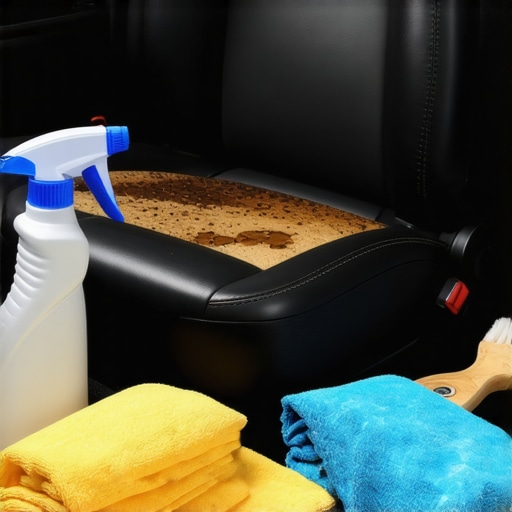
It happened suddenly one morning—spilling hot coffee during a rush to beat the traffic, and watching that stubborn brown stain seep into my car seat fabric. At first, I thought I could just blot it out, but the stain set stubborn and darkened within minutes. The worse part? I felt helpless, stuck with this ugly reminder every time I got into my car. If you’ve been there, you know exactly how frustrating it can be. Coffee stains seem harmless, but they’ve got a sneaky way of becoming permanent scars on our beloved car seats, especially when we delay treatment.
Why Old Coffee Stains Are More Than Just an Eyesore
Those dark, persistent coffee marks aren’t just an eyesore; they can also be a breeding ground for bacteria and mold, especially if left untreated over time. Upholstery specialists warn that old stains can become embedded deep within fabric fibers, making them harder to clean and more damaging to the material’s integrity. I learned this the hard way early on—using harsh scrubbing tactics that only worsened the problem or, worse, damaged my seat. A wise tip I wish I’d known from the start? Addressing stains promptly is key, but tackling old, set-in coffee spots requires patience and the right approach. If you’re unsure about how to rescue your car seats, I recommend checking out [effective upholstery cleaning tips](https://spotlesscarpetz.com/upholstery-cleaning-tips-for-a-fresh-home-revival) for guidance.
Can You Truly Erase Old Coffee Stains? The Skeptic’s Dilemma
I remember thinking, “Is this even worth the fuss?” when I first tried removing an old coffee mark. Early attempts involved overly aggressive scrubbing and cheap sprays, which only set the stain deeper or left my fabric looking worse. It was a costly mistake I later realized: patience and proper techniques matter more than brute force. The key isn’t just about removing the visible mark but also ensuring the underlying fabric isn’t damaged and bacteria are eliminated. Trust me, I’ve been there, and it’s a learning curve. For a reliable method that actually works on stubborn stains, I recommend exploring proven cleaning strategies from cleaning experts, like those shared on trusted sites.
The good news? You don’t have to resign yourself to a permanently stained seat. With the right approach, old coffee stains can become a thing of the past. So, if you’ve faced this issue before—whether in your car, on your sofa, or everywhere else—you’re not alone. Ready to see how I finally got those stains out? Let’s dive into the practical steps that will restore your car seats—and your peace of mind.
Gather Your Supplies Beforehand
Start by collecting essential cleaning tools—white vinegar, a mild detergent, baking soda, a spray bottle, clean microfiber cloths, and a soft-bristled brush. Having everything ready ensures a smooth cleaning process, preventing interruptions that could set the stain further. I once made the mistake of searching for supplies mid-clean, which led to unnecessary delays and a partially set-in stain. Preparing in advance streamlines the entire process.
Vacuum the Area Thoroughly
Before applying any cleaning solution, vacuum the car seat thoroughly to remove loose debris and dry surface dirt. This step prevents dirt from embedding deeper into the fabric when it gets wet. Use a handheld vacuum or a brush attachment to reach crevices. I recall tackling a stubborn coffee stain last month and noticing that vacuuming alone made a noticeable difference—it revealed how much dirt was hiding beneath the surface, ready to mix with the stain and worsen the problem.
Treat the Stain with a Vinegar Solution
Create a solution of equal parts white vinegar and water in a spray bottle. Lightly spray the stained area—avoid oversaturating to prevent mold or mildew. Let it sit for about 5-10 minutes to loosen the coffee residue. Think of this step as softening hardened glue—without it, scrubbing won’t be effective. I once experimented with just water and scrap cloth, but the vinegar solution significantly improved stain lift, saving me from harsher chemical cleaners.
Use a Microfiber Cloth to Blot, Not Rub
Gently blot the treated area with a clean microfiber cloth, pressing to absorb the solution along with the stain. Avoid vigorous rubbing, which can damage delicate fabric fibers or spread the stain further. A gentle blot is akin to pressing a sponge—absorbing rather than spreading. During my last cleanup, I noticed that consistent blotting gradually lifted the coffee stain without harming the upholstery.
Apply Baking Soda for Odor and Extra Absorption
Sprinkle a generous layer of baking soda over the damp area to neutralize odors and absorb residual moisture. Leave it for at least 15 minutes, or longer if possible. This step is particularly effective for old stains, as baking soda acts like a magnet for lingering particles. I personally let it sit overnight, and the next day, vacuumed away a noticeable improvement—both in stain clarity and fresh aroma.
Scrub Lightly with a Soft Brush
If the stain persists, lightly scrub the area with a soft-bristled brush dipped in a mild detergent solution. Dilute a few drops of gentle detergent in warm water. Use circular motions to lift remaining coffee particles. Think of this as buffing a car to restore shine—gentle pressure prevents fabric damage. I found that careful scrubbing effectively faded stubborn stains without leaving harsh marks.
Rinse and Extract Excess Moisture
Dampen a clean cloth with plain water and blot the area to remove soap residues. Then, press a dry towel or microfiber cloth onto the surface to soak up excess moisture. Removing soap prevents residue buildup, which can attract dirt. I once neglected this step, and the fabric appeared sticky afterward, making future cleaning harder. Proper rinsing ensures a clean, fresh finish.
Let the Seat Dry Completely
Finally, allow the seat to air dry thoroughly—preferably with windows open or using a fan. Avoid sitting on the seat until it’s fully dry to prevent new stains from forming. In a humid climate, I sometimes speed up drying by pointing a hairdryer at a low temperature across the surface, being careful not to overheat the fabric. Complete drying prevents mold growth and keeps your upholstery looking new.
By following these methodical steps, old coffee stains can be effectively lifted from car seats, restoring their appearance and extending their lifespan. Remember, patience and proper technique are your best allies in this cleaning journey—skipping steps or rushing could negate your efforts. For more cleaning strategies that can help you maintain a spotless home, visit effective upholstery cleaning tips.
Many homeowners and cleaning enthusiasts operate under widely held beliefs that can hinder effective maintenance of upholstery and household cleanliness. Contrary to popular opinion, not all cleaning techniques are created equal, and some common practices may even cause more harm than good. For instance, the myth that using excessive water or harsh chemicals guarantees a spotless fabric is pervasive, but in reality, it often leads to residue buildup and fabric damage. An expert from the upholstery industry emphasizes that over-wetting can cause mold and weaken fibers, making the fabric more susceptible to staining and deterioration over time. To avoid falling into this trap, understanding the nuances of fabric types and appropriate cleaning agents is crucial. A vital detail many overlook is the importance of immediate action on spills; delaying treatment allows stains to set deeper, complicating removal efforts later. When addressing move-out cleaning or sanitizing, the mistake of relying solely on disinfectants without physical removal of dirt and grime can compromise hygiene standards. Research indicates that a combination of physical cleaning and chemical sanitization results in better results, especially in high-touch areas, assisting in removing bacteria effectively.
Are DIY methods enough for deep cleaning, or is professional intervention essential for longevity?
The truth is, while DIY cleaning offers convenience and cost savings, it often falls short in preserving fabric integrity and ensuring comprehensive sanitation. A recent study published in the Journal of Housekeeping Science highlights that professional services utilize specialized tools and products that penetrate deeper layers of upholstery, removing allergens, microbes, and embedded dirt more effectively than household solutions. Additionally, professionals are trained to recognize subtle signs of wear and potential damage, preventing future issues. Overlooking this expertise may lead to overlooked problem spots that could result in costly repairs or replacements later. Therefore, investing in professional cleaning not only enhances the longevity of your furnishings but also maintains healthier indoor air quality. For tips on selecting the right cleaning service or understanding the benefits of expert intervention, visit our detailed article on effective house cleaning secrets from cleaning experts. Always remember, superficial cleaning might seem sufficient in the short term, but embracing proper techniques now saves time, money, and stress in the long run. For more insights into advanced cleaning strategies and to ensure your home remains truly spotless, check out our comprehensive move-out cleaning strategies to secure your deposit or explore effective sanitizing methods for a germ-free household. Have you ever fallen into this trap? Let me know in the comments.Maintaining your household’s cleanliness and upholstery longevity requires the right tools and methods. Over the years, I’ve tested a range of equipment and software solutions that optimize my cleaning routine and ensure long-term results. One game-changer for me has been investing in a **high-powered handheld steam cleaner**. Unlike traditional vacuum cleaners, a quality steam cleaner penetrates deep into fabric fibers, killing germs and loosening dirt without harsh chemicals. I personally swear by the **McCulloch MC1275** because it heats up quickly and provides consistent steam pressure, making stain removal, sanitizing, and freshening up upholstery straightforward. Plus, it reduces reliance on chemical cleaners, aligning with eco-friendly cleaning practices.
Another essential tool is a **microfiber cleaning cloth system**. Not just any cloth will do; I prefer using **Lambswool microfiber pads** attached to handle extenders for reaching tricky spots. These cloths trap dust and microbes effectively, and I use them with a multi-surface cleaner that’s gentle yet powerful. For broader cleaning tasks, I employ **robotic vacuums like the iRobot Roomba s9+**, which not only keeps my floors spotless daily but also saves time for more intensive upholstery or sanitizing work. The automation ensures that dust, pet hair, and crumbs don’t settle into fabrics, extending the lifespan of cushions and carpets.
Effective software also plays a role. I use **professional scheduling apps** like **Trello** or **Asana** to plan my cleaning calendar, ensuring regular maintenance before stains or dirt embed deeper. This proactive approach minimizes long-term wear and keeps my house consistently fresh. Additionally, for managing cleaning supplies and stock levels, I rely on **inventory management apps** that remind me when to restock detergents or specialized cleaners—saving me from last-minute runs to the store.
Looking to the future, I predict that **smart home-integrated cleaning systems** will become more prevalent. These systems will monitor dirt levels, notify you when cleaning is needed, and even activate autonomous cleaners automatically. Integrations with home health sensors could eventually alert homeowners to bacteria or mold hotspots, making cleaning more targeted and efficient.
What’s the best way to keep your cleaning tools in top shape over time? Think regular maintenance. For example, after each use, I run a quick vinegar rinse in my steam cleaner to prevent mineral buildup, inspired by insights from this expert article. This simple step extends the lifespan of my equipment and ensures peak performance.
Finally, I encourage you to experiment with a **combined approach**—integrate high-quality tools, smart planning, and routine maintenance. For instance, next time you clean, try using your handheld steam cleaner on upholstery before vacuuming to kill germs and refresh fabrics naturally. These strategies not only improve your current cleaning results but also preserve your furniture’s beauty and hygiene over time.
For those interested in diving deeper into advanced sanitizing strategies, I recommend reviewing this detailed guide. Taking this extra step will make your cleaning routine more thorough and give you peace of mind.
Remember, the key isn’t just in the tools you use but in maintaining them regularly and adopting a proactive cleaning mindset. Ready to upgrade your toolkit? Try out a high-quality steam cleaner this month and see the difference it makes in your upholstery care!
Uncovering Secrets Behind Longevity of Fresh Upholstery
One of the invaluable lessons I learned is that every fabric has a story—and proactive care writes a better ending. Regular maintenance, like quick spot treatments and avoidance of harsh chemicals, can significantly extend the lifespan of your furniture. I realized that waiting until stains become prominent often forces tougher, more invasive measures, which can damage delicate fibers. Instead, a gentle yet consistent cleaning routine preserves the texture and color, making your upholstery look newer longer. Also, understanding your fabric type—be it microfiber, leather, or cotton—guides the precise approach, preventing costly mistakes I’ve made in the past.
Transformative Tips from My Cleaning Arsenal
Over the years, I’ve curated a toolkit that’s been instrumental in maintaining a spotless home. A high-quality steam cleaner like the McCulloch MC1275 allows me to sanitize deep within fabrics without chemicals, extending their freshness and hygiene. Microfiber cloths with handle extenders have revolutionized my approach to reaching tricky spots, ensuring every corner gets attention. I also rely on professional-grade upholstery sprays that I trust for frequent touch-ups, which you can find recommendations for in state-of-the-art cleaning guides. Investing in these tools has saved me from recurring stains and costly replacements, proving that quality equipment makes all the difference.
Embrace The Journey to a Spotless Sanctuary
Remember, every stain, no matter how stubborn, is conquerable with patience and the right techniques. Your upholstery is an extension of your home’s personality—treat it with care, and it will reward you with comfort and elegance. Don’t let old coffee marks diminish your space’s beauty; instead, see them as opportunities to refine your cleaning skills. Take that first step today—whether you try a new method or upgrade your tools—and create a living environment that’s not only clean but truly welcoming. Want more insights on maintaining your home effortlessly? Visit this comprehensive guide or reach out through our contact page for personalized advice. Your perfect, stain-free sanctuary awaits—are you ready to begin?