
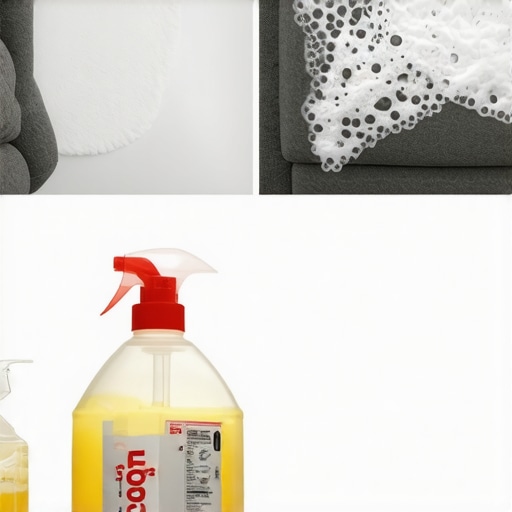
Have you ever scrubbed your fabric couch with dish soap, only to find stubborn stains lingering or, worse, the fabric feeling rough and dried out afterward? I remember the first time I did just that. I thought, “Dish soap cleans everything, right?” Well, that lightbulb moment quickly turned into a messy lesson learned when my beloved sofa started to look worse, with patches of stiff fabric and odd discoloration.
Why Your Couch Deserves Better Than Dish Soap
This misstep isn’t just a one-off mistake; it’s a common pitfall many homeowners fall into, thinking dish soap is a万能 cleaner for every surface. But here’s the reality: dish soap is formulated to cut through grease on dishes, not to care for delicate upholstery fibers. When used on fabric couches, it can strip away the protective coatings that keep the fabric soft and vibrant, leading to dryness, stiffness, and even accelerated wear and tear.
In fact, according to cleaning experts, the harsh enzymes and surfactants in dish soap can damage natural fibers and dyes in upholstery, shortening the lifespan of your furniture. I learned this the hard way, scrubbing away and causing more harm than good. That early mistake taught me a vital lesson: not all cleaning products are created equal for every surface.
Is It Really Worth the Hype? The Skeptic’s Perspective
Many skeptics wonder, “Is avoiding dish soap really necessary?” My answer is a firm yes, especially for fabric furniture. The risk of discoloration, fabric degradation, or residue buildup is simply not worth the minimal benefit. Plus, there are much safer, effective alternatives tailored for upholstery that can give your fabric a thorough clean without risking damage.
If you’ve experienced similar frustrations or are worried about your couch looking worse after a cleaning attempt, you’re not alone. I’ve been there, and I want to encourage you to rethink your cleaning routine. No more guessing games—there are proven methods for maintaining your furniture’s beauty and longevity. And the best part? Safe, gentle, and effective solutions are just a click away, like those discussed in this guide on upholstery care.
In the next sections, we’ll dive into exactly what you should do—and what to avoid—to keep your fabric couch looking brand new. Ready? Let’s get started.
,
Prepare Your Workspace for Safe Upholstery Cleaning
Before diving into any cleaning, clear the area around your couch. Remove cushions, throws, and any decorative items. Lay out a clean sheet or drop cloth to catch dust and drips. I once tried to save time by skipping this step and ended up with a mountain of debris on my floor, which made the job messier. Setting the stage ensures efficiency and prevents additional cleaning later.
Test a Hidden Area First
Choose a small, inconspicuous spot—like the underside of a cushion—to test your cleaning solution. Mix a diluted upholstery-specific cleaner and apply it gently with a microfiber cloth. Wait a few minutes to check for discoloration or fabric damage. I learned this the hard way when a bright purple cleaner caused a noticeable stain on my beige sofa, highlighting the importance of patch testing to avoid costly mistakes.
Vacuum the Couch Thoroughly
Use a handheld or attachments-equipped vacuum to remove loose dust, pet hair, and debris. Pay special attention to seams and crevices where dirt hides. Think of vacuuming as the foundation for effective cleaning—if you skip this, dirt can mix with your cleaning solution, creating a muddy mess instead of a fresh look. I once vacuumed poorly and ended with darker patches after cleaning, illustrating how vital this step is.
Select the Right Cleaning Solution
For fabric upholstery, opt for a gentle, upholstery-safe cleaner or a mix of mild detergent and water. Avoid harsh chemicals like bleach or ammonia, which can weaken fibers. Consider natural solutions like a mixture of white vinegar and distilled water for a fresh scent and effective stain removal. Using vinegar is a great alternative, but beware of its potential to strip delicate fibers if overused. See expert-approved tips on choosing suitable products.
Apply Cleaner with Care
Dampen a microfiber cloth with your chosen solution—do not soak—and gently blot the fabric. Focus on stained or soiled areas, working from outside the stain inward to prevent spreading. During my last cleaning, I used too much solution, which soaked the fabric and left water marks. Remember, less is more when it comes to foam and moisture—over-wetting can lead to mold and lingering odors.
Scrub with a Gentle Brush
For stubborn stains, use a soft-bristled toothbrush or upholstery brush. Lightly scrub in circular motions to lift dirt without damaging fibers. I once applied too much pressure, damaging the fabric’s texture, so gentle strokes are key. Think of this step as giving your couch a gentle spa treatment—tough enough to remove grime but gentle enough to preserve the fabric.
Dab and Absorb Excess Moisture
Use a clean, dry microfiber cloth to blot the area and remove excess moisture. Avoid rubbing, which can push dirt deeper or fray fibers. If needed, place a fan nearby or open windows to speed up drying. I learned this the hard way when my couch remained damp for days, creating a musty smell. Proper absorption and ventilation are crucial for a quick, odor-free dry.
Allow Proper Drying Time
Let your couch air dry completely before replacing cushions or using it. This can take several hours, especially in humid environments. To accelerate drying, use fans or dehumidifiers. When I cleaned my sofa, I used a blow dryer on low heat, which helped, but direct heat can damage delicate fabrics, so proceed with caution.
Maintain Regular Upkeep
Regularly vacuum and spot clean to prolong the freshness of your fabric furniture. Implement a weekly routine, like the daily cleaning strategy, to prevent dirt buildup. Consistency is key—skipping routine maintenance can lead to stubborn stains and lingering odors, a lesson I learned after neglecting my sofa for months.
Many homeowners believe that quick fixes and superficial cleaning are sufficient for maintaining their upholstery and overall home hygiene, but this is a misconception that can lead to long-term issues. A prevalent myth is that regular sweeping or vacuuming is enough to keep furniture and surfaces clean. In reality, without deep cleaning and proper sanitization, dirt, allergens, and bacteria can embed themselves deeply into fabrics and crevices, reducing indoor air quality and accelerating wear. Expert insights highlight that relying solely on surface cleaning overlooks the unseen grime that affects health and longevity, as discussed in professional cleaning secrets.
Maintaining your upholstered furniture and achieving long-term cleanliness requires not just knowledge but also the right tools and methods. Over the years, I’ve refined my approach, investing in equipment that ensures efficiency, safety, and lasting results. To keep your furniture in top shape, consider incorporating professional-grade equipment like upholstery steamers, quality vacuum attachments, and specific cleaning solutions tailored for delicate fabrics.
Invest in a Heavy-Duty Upholstery Steam Cleaner
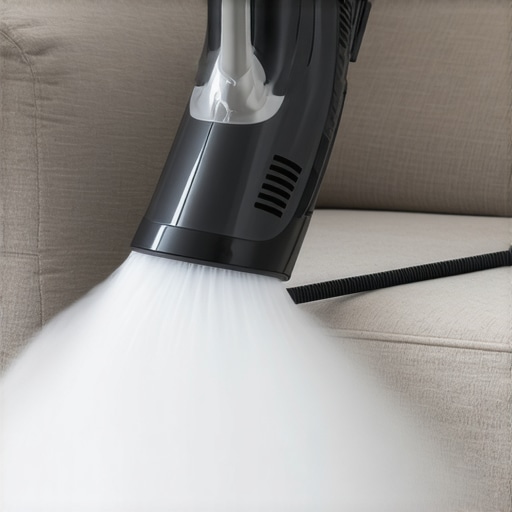
This is my go-to tool for deep cleaning and sanitizing. Unlike generic handheld steamers, professional upholstery steam cleaners emit pressurized steam that penetrates fibers to lift dirt, kill bacteria, and eliminate odors without the use of harsh chemicals. I personally prefer models with adjustable temperature controls and large water reservoirs, enabling prolonged sessions without frequent refills. Using steam not only restores fabric freshness but also extends the lifespan of your furniture by removing embedded grime that accelerates wear.
Use High-Quality Vacuum Attachments
Vacuuming is a vital step before any cleaning. I rely on a vacuum cleaner equipped with a HEPA-rated upholstery attachment. These attachments effectively remove dust, pet dander, and loose debris from deep within fabric fibers. I avoid cheap vacuum tools because they tend to be less effective, often pushing debris further into corners or seams. Regular vacuuming with proper tools prevents buildup that can cause staining or fabric deterioration over time.
Select Gentle, Upholstery-Specific Cleaners
Choosing the right cleaning solution is critical. I personally favor enzyme-based or pH-neutral cleaners approved for upholstery. These products clean effectively without damaging delicate fibers or dyes. For natural fabrics, I often mix a solution of white vinegar and distilled water, which is eco-friendly and safe. Remember to always test on a hidden area, as discussed in professional cleaning secrets.
Implement Consistent Maintenance Routines
Beyond specialized equipment, establishing a regular maintenance schedule is key. Vacuum your upholstery weekly and schedule deep cleans monthly. Using tools like a handheld upholstery steamer combined with spot treatments ensures your furniture remains fresh and free from allergens. Long-term results hinge on these consistent practices, minimizing the need for costly professional interventions.
Future Trends: Automation and Smart Cleaning
Looking ahead, I predict that automation will play a significant role. Robotic cleaning devices equipped with fabric-safe brushes or UV sterilization features could become mainstream, providing effortless maintenance. These advancements will allow homeowners to keep their furniture sanitized without manual effort, making routine upkeep more accessible and reliable.
How do I maintain upholstery effectively over time?
Regularly vacuum with high-quality attachments, schedule deep steam cleaning sessions, and use gentle, fabric-specific cleaners. Incorporating advanced tools like my preferred upholstery steamer ensures thorough sanitation and extends the lifespan of your furniture. Remember, consistency is vital; periodic professional consultations can also help troubleshoot persistent issues and maintain the health of your upholstery. For more tips on safeguarding your home, explore sanitizing hacks for home transitions.
Tip: Try using a professional-grade upholstery steamer once a month to deep clean and sanitize your furniture, preventing buildup of dirt and allergens. This proactive approach saves time and money in the long run, ensuring your home remains a healthy sanctuary.
Those Small Mistakes That Cost Me Years of Sofa Life
One of the most profound lessons I learned about upholstery care was realizing that even simple missteps—like over-saturating fabric or neglecting regular maintenance—could dramatically shorten furniture lifespan. It took a few ruined cushions and stubborn stains to understand that patience and proper technique are essential. My biggest lightbulb moment? Understanding that deep cleaning isn’t a one-time fix but an ongoing commitment to gentle, consistent care.
The Secret Tools That Transformed My Approach
Investing in high-quality tools, like a professional upholstery steamer and fine microfibre brushes, changed everything. These aren’t just gadgets; they’re game-changers for anyone serious about furniture longevity. Personally, I trust top-tier upholstery cleaning tools because they deliver results without risking fabric damage, unlike DIY hacks that can do more harm than good.
Emotional Reflection: When Clean Means Caring
To me, caring for upholstery is an act of love—it’s about respecting the craftsmanship and the memories stitched into each piece. The effort to monitor cleaning products, maintain regular routines, and educate oneself pays off with furniture that looks and feels like new. That sense of pride fuels my ongoing quest to master the art of upholstery preservation, knowing that every gentle wipe and careful vacuum extends both the beauty and the emotional value of my home.
Your Next Move Starts With Knowledge
If you’re ready to elevate your upholstery care, focus on consistent, gentle practices, and arm yourself with the right tools. Remember, high-quality equipment and expert-approved methods can transform your cleaning routine from frustrating to fulfilling. Curious about more advanced techniques? Check out secrets from cleaning professionals that can give you an edge in maintaining your furniture’s beauty.
What has been your biggest challenge when trying to keep your furniture looking fresh? Share your story below—I love learning from your experiences!
,