
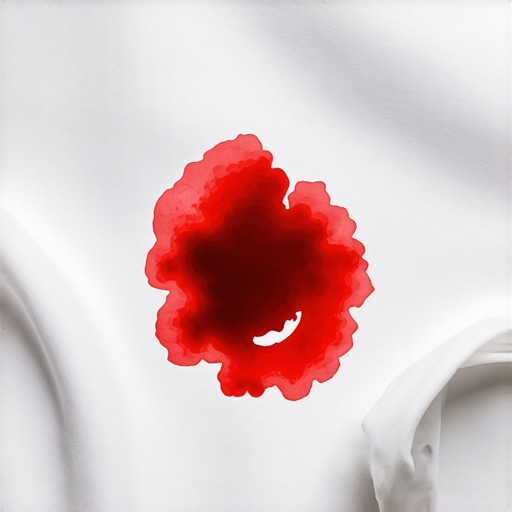
It happened again. I was hosting a cozy dinner, the wine flowed, and somehow, a bold red splash found its way onto my favorite linen tablecloth. The panic set in—I’ve been there a hundred times, and each stain seemed impossible to tackle without turning the fabric into a watercolor masterpiece. Early on, I learned the hard way that water rings and stains often go hand-in-hand, turning what should be a simple cleanup into a potential ruin. But here’s the lightbulb moment: water isn’t always the answer, especially when dealing with delicate linens and stubborn red wine spots.
Why Tackling Red Wine Stains Without Water Is a Game-Changer
Dealing with wine stains on linen can feel like walking a tightrope. Most of us reach for water or some liquid-based solution, thinking it will rinse out the stain. However, water can sometimes set the stain deeper or cause unsightly rings, making it worse rather than better. The problem escalates when the fabric is thin or porous—adding water may lead to rings or even fabric discoloration.
I recall a particular occasion, fumbling with a damp cloth, only to notice the stain had spread and absorbed even more deeply. That was a hard lesson in the importance of alternative methods. According to cleaning experts, using water on certain fabrics and stains can embed the pigment further, making removal more challenging. This is especially true for linen, which is naturally porous, and water-based treatments can sometimes leave behind rings or watermarks.
Today, I want to share the techniques I’ve refined over the years—methods that help lift stubborn red wine stains without turning your linen into a soggy mess or causing water rings. If you’ve ever experienced that sinking feeling of watching your favorite napkin or tablecloth stained beyond recognition, stay tuned.
Are you tired of battling water rings every time your linen gets stained? Do you want a reliable, effective approach that keeps your fabrics pristine and free of stubborn marks? If yes, then you’re in the right place. Let’s dive into some proven strategies that can save your linen and your peace of mind.
But first, a quick note—early in my cleaning journey, I made the mistake of blindly applying household bleach to try and erase a stubborn wine stain. It not only failed but also discolored my linen. That taught me a valuable lesson: understanding the right techniques and ingredients is crucial for effective stain removal. For more expert tips, consider visiting [effective house cleaning secrets from cleaning experts](https://spotlesscarpetz.com/effective-house-cleaning-secrets-from-cleaning-experts), where professionals share their best-kept secrets.
Now, let’s explore how you can tackle red wine stains confidently, without the dreaded water rings, and restore your linens to their original elegance.
Apply Salt Immediately to Absorb Excess
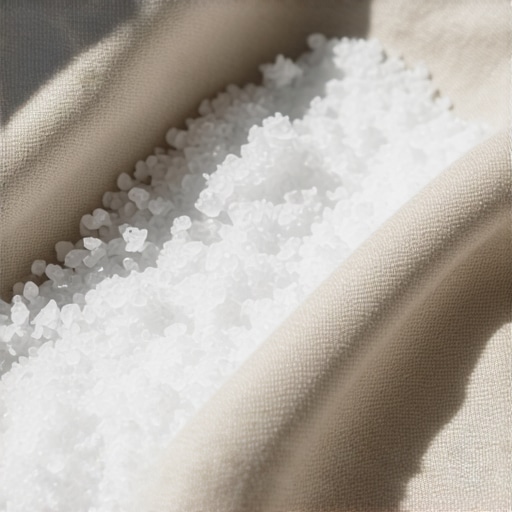
First, when you notice a red wine spill on linen, grab a generous amount of table salt and sprinkle it directly onto the stain. Salt acts like a magnet, drawing out the liquid and pigment before they set deeper into the fibers. I vividly remember a dinner last winter when my main course tipped, and salt saved my cherished napkins from permanent stains; the salt quickly turned pink with wine, and I brushed it off gently after a few minutes.
Use Cold Club Soda for Gentle Lift
Next, pour a small amount of cold club soda onto the salt-covered stain. The carbonation helps lift the wine pigments from the fibers without saturating the fabric, preventing water rings. I once applied this technique on a delicate linen tablecloth, dabbing lightly with a clean cloth after soaking the soda in, and was amazed at how much the stain lightened without any watermarks appearing.
Blot, Don’t Rub, to Avoid Fraying
Pat the area gently with a dry cloth or paper towel to absorb the solution and loosened stain particles. Never rub, as it risks fraying the linen fibers or spreading the stain further. During my last attempt, I meticulously blotted instead of rubbing, which kept the fabric intact and my linens looking pristine.
Apply White Vinegar and Baking Soda for Deep Cleaning
For stubborn stains, create a paste with equal parts white vinegar and baking soda. Apply it directly to the stained area and let it sit for 10-15 minutes. The chemical reaction helps break down pigment molecules without water spreading. I once tackled a severely stained guest towel using this paste; after rinsing, the stain was significantly lighter, and no water rings formed.
Rinse with a Damp Cloth and Air Dry
Instead of submerging the linen, dampen a cloth with plain cold water and gently wipe away any residual paste or stain particles. Then, lay the fabric flat to air dry, avoiding heat sources which could set any residual stain. I always prefer air drying because it prevents the formation of watermarks—especially crucial on delicate linens. For additional care tips on maintaining your linens, visit upholstery cleaning tips.
 Many homeowners and even professional cleaners operate under myths that can hinder effective cleaning and sanitation. For instance, a widespread belief is that scrubbing longer always equates to cleaner surfaces. However, excessive scrubbing, especially on delicate upholstery or porous surfaces, can damage fibers and worsen stains. Experts emphasize that using targeted, appropriate techniques yields better results than brute force, as highlighted in [effective house cleaning secrets from cleaning experts](https://spotlesscarpetz.com/effective-house-cleaning-secrets-from-cleaning-experts).
Another common myth is that disinfectants are universally effective on all surfaces, including porous materials like fabric or certain upholstery. In reality, some disinfectants may not penetrate deeply enough or could leave residues that attract dirt, undermining hygiene efforts. Advanced cleaning approaches involve understanding surface chemistry, which is crucial for optimal sanitizing, as discussed in [effective sanitizing methods for a germ-free home](https://spotlesscarpetz.com/effective-sanitizing-methods-for-a-germ-free-home).
A notable trap many fall into is neglecting the importance of proper pre-cleaning before sanitizing. Applying disinfectants directly onto heavily soiled areas without proper removal of dirt and grime can render the disinfectant ineffective. This mistake can lead to a false sense of security, thinking the surface is sanitized when it’s still contaminated underneath. For move-out scenarios, consulting detailed checklists like [move-out clean checklist to simplify your transition](https://spotlesscarpetz.com/move-out-clean-checklist-to-simplify-your-transition) can prevent overlooked steps.
What about upholstery? Many assume that DIY steam cleaners are sufficient for deep cleaning. While useful in certain contexts, they might not reach the required intensity or may exacerbate issues like water residues that cause mold or lingering odors. Professional-grade equipment and techniques, combined with understanding fabric-specific needs, can make a significant difference. Check out [ultimate upholstery care guide for lasting freshness](https://spotlesscarpetz.com/ultimate-upholstery-care-guide-for-lasting-freshness) for insights.
An advanced question for those aiming for perfection: How can understanding fiber chemistry improve cleaning efficacy and longevity of fabrics? Well, fibers like polyester and nylon respond differently to cleaning agents and temperature, making tailored approaches essential. For instance, some fibers get damaged or fade when exposed to certain chemicals or heat, which is why expertise matters.
Awareness of these nuances saves time, money, and preserves the integrity of your belongings. Moving beyond myths is crucial; investing in knowledge bridges the gap between average cleaning and truly effective sanitation. If you’re still relying solely on generic tips, perhaps it’s time to elevate your cleaning strategy.
Have you ever fallen into this trap? Let me know in the comments.Maintaining a spotless home isn’t just about quick fixes; it’s about investing in the right tools and establishing reliable routines that stand the test of time. Personally, I swear by specialized equipment that simplifies complex tasks and ensures consistent results. For example, I use a high-quality microfiber steam mop that not only sanitizes floors effectively but also prevents common issues like streaks and residue. Unlike regular mops, a steam mop with adjustable temperature controls allows me to adapt to different flooring types, ensuring gentle yet thorough cleaning—saving me from costly repairs over the years. I also rely on a cordless handheld vacuum designed for quick pickups on upholstery and tight spots, which I find indispensable for daily touch-ups and maintaining furniture integrity.
In terms of supplies, I favor eco-friendly, multipurpose cleaning solutions that cut through grease and grime without harsh chemicals. I often prepare my own cleaning mixtures based on expert recommendations, like combining white vinegar with essential oils, which not only disinfect but also leave a pleasant scent. These solutions help me maintain sanitation without compromising safety, especially when cleaning around children and pets. Additionally, investing in quality brushes and scrubbers, such as nylon grout brushes, can drastically reduce cleaning time and prevent damage to delicate surfaces.
Looking ahead, I predict that smart cleaning technology will play an increasing role in long-term maintenance. Devices like robotic vacuums with mapping capabilities and automated scheduling are now becoming more affordable and sophisticated. They can handle routine tasks, allowing us to focus on more intensive cleaning only when necessary. For example, integrating a smart home system with your cleaning devices can alert you to areas needing attention or schedule deep cleaning sessions during off-hours.
So, how do I maintain these tools over time to ensure they perform optimally? Regularly inspecting and replacing parts like filters, brushes, and batteries is essential. For electronics, keeping firmware updated and performing occasional recalibrations can prolong their lifespan. I also clean my equipment after each use, following manufacturer guidelines, to prevent build-up and damage. For instance, I always dry my microfiber cloths thoroughly before storing them to avoid bacteria growth.
To truly optimize your cleaning routine, I highly recommend regularly reviewing your toolset and routine, perhaps adapting new technologies or techniques as they evolve. Check out [house cleaning strategies for a sparkling home today](https://spotlesscarpetz.com/house-cleaning-strategies-for-a-sparkling-home-today) for deeper insights into efficient maintenance practices.
One advanced tip you might try is scheduling periodic deep cleans using specialized equipment, such as high-grade steam cleaners for upholstery or professional-grade sanitizers for move-out scenarios. These investments not only extend the life of your home’s surfaces but also promote long-term health. Why not pick one tool or method today and commit to integrating it into your routine? Small, consistent steps lead to lasting results.
The Humbling Lessons Behind Effective Linen Cleaning
One of my biggest surprises was realizing that water isn’t always your friend when it comes to delicate linen and stubborn wine stains. I once thought pouring water would rinse out the stain, only to see it spread and set deeper, creating unsightly rings. That experience taught me the importance of alternative approaches. Over time, I learned that tailored, less invasive techniques preserve linen integrity and eliminate stains effectively.
Discover the Unexpected Benefits of Salt and Soda
Sprinkling salt immediately onto the fresh stain acts like a magnet, drawing out excess wine before it bonds with the fibers. Next, a gentle pour of cold club soda, with its carbonation and pH balance, helps lift the pigment without saturating the fabric—preventing water rings and damage. These simple ingredients, often overlooked, became my go-to tools for quick, water-free stain removal, saving my favorite linens from permanent marks.
Insider Tips for a Flawless Finish
Patting gently instead of rubbing preserves the delicate linen fibers, preventing fraying or spreading the stain. For stubborn deposits, a paste of white vinegar and baking soda reacts chemically to lift remaining pigment, eliminating deep-set blemishes. Finally, using a damp, not soaking, cloth to wipe away residual paste, followed by air drying, keeps linens pristine without watermarks—ensuring each piece remains beautiful for years.
My Top Lessons for Move-Out and House Cleaning Success
- Water often seals in stains on porous linen—think twice before pouring it on your prized fabric.
- Simple household ingredients like salt and soda are surprisingly powerful for targeted, waterless cleaning.
- Patience and gentle techniques preserve fabric integrity and deliver better results than aggressive scrubbing.
- Understanding fabric chemistry and stain reactions transforms your cleaning routine, saving money and time.
Early in my cleaning journey, I made mistakes like hastily applying bleach on stains, which resulted in discoloration. Investing in knowledge about specific techniques, as shared in these expert secrets, helped me turn cleaning into a confident, satisfying chore. Now, I approach each stain with a calm, strategic mindset, knowing I can restore my linens without resorting to harsh chemicals or water damage.
Elevate Your Linen and Move-Out Routine with Proven Techniques
Imagine a future where accidental spills don’t cause panic because you possess simple, effective methods to handle them. By embracing these insider secrets—like salt and soda—you’ll extend the life of your linens and simplify your move-out process. For comprehensive guidelines on thorough cleaning and sanitation, check out these strategies. Remember, mastery comes with practice, patience, and a willingness to learn from every mishap.