
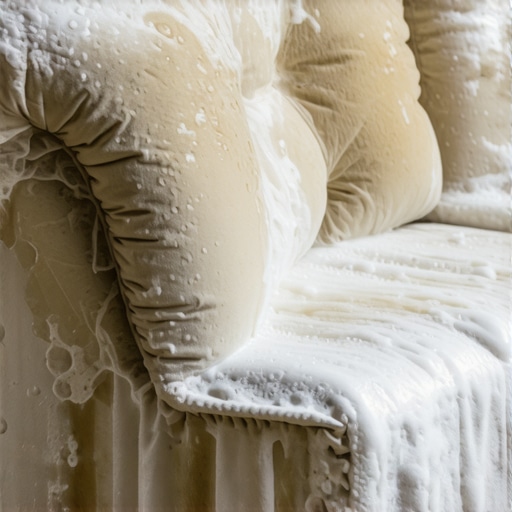
It was a weekend I won’t forget. I was deep into a thorough cleaning spree, confident that more soap meant cleaner furniture. I poured generous amounts onto my microfiber sofa, scrubbing away with a vigor that I thought was necessary. But hours later, I noticed something bizarre—my once-soft couch felt stiff, sticky, and somehow dirtier than before. That lightbulb moment hit me hard: I had overdone it with the soap, and it was causing more harm than good. Unfortunately, I wasn’t alone in this. Many folks, eager to get their homes spotless, fall into the trap of using too much soap, thinking they’re cleaning better. But in reality, excessive soap can leave residues that attract more dirt, cause buildup, and even damage your upholstery over time.
Your Couch Deserves Better Than Excessive Soap
Today, I’ll share practical insights from my own mistakes and how I learned to clean smarter, not harder. Whether you’re preparing for a move-out clean, sprucing up your living room, or trying to maintain your furniture’s life span, understanding the right cleaning methods can save you headaches—and money. I’ll reveal how overzealous soap usage might be silently sabotaging your efforts and what you can do instead to keep your upholstery fresh, soft, and durable.
Is Over-Cleaning Actually Making Things Worse?
I used to believe that more soap meant a deeper clean. Turns out, that’s a misconception. In fact, too much soap can lead to chemical residues that embed deep into fibers, creating a sticky film that attracts dirt and dust. Early on, I made the mistake of never rinsing properly, thinking that a quick wipe was enough. That oversight only accelerated the buildup, leading to the very problem I wanted to eliminate. According to cleaning experts, residual soap can cause fabrics to stiffen and accelerate wear, which is the opposite of a good clean (source). Once I caught onto this, everything changed. Proper rinsing and using the right amount of soap became my new goal—and my furniture’s best friend.
Measure and Dilute Properly
Start with estimating the right soap-to-water ratio—about a teaspoon of mild detergent per cup of water. When I cleaned my sofa, I used a small spray bottle, mixing the solution thoroughly. Remember, too concentrated a mix can leave residues, attracting dirt instead of repelling it, as I realized during my last wipe. Use a damp cloth to test the solution on an inconspicuous area before proceeding.
Use Soft, Circular Motions
Apply the cleaning solution with a microfiber cloth or soft sponge, moving in gentle circles. I once attempted to scrub stubborn stains with harsh motions, which damaged the fibers. Instead, soothing circular motions lift dirt without abrasion. This technique helps prevent fabric wear and preserves the upholstery’s texture.
Avoid Excessive Wetting
Limit moisture to prevent soaking the fabric—use just enough to dampen the fibers. During my first attempt, oversaturating my sofa led to prolonged drying times and even mold risks. A well-wrung cloth is key. For deeper cleaning, consider using a spray bottle for even distribution, but be cautious about the amount of liquid applied.
Efficient Rinsing and Drying
After cleaning, go over the area with a clean, damp cloth to remove soap residues. Then, dry with a towel or use a fan to expedite drying. I noticed my couch felt stiffer when I skipped this step. Proper rinsing and quick drying prevent sticky residues and maintain fabric softness.
Regular Maintenance Extends Upholstery Life
Set a weekly routine to dust and vacuum your furniture, followed by spot cleaning as needed. I incorporated this habit after experiencing the deterioration of my sofa’s fabric, as neglect accelerates dirt buildup and fiber damage. Regular upkeep ensures your furniture remains inviting and durable over time. For comprehensive guides, you might explore upholstery cleaning tips.
Many homeowners believe that the main goal of cleaning is to eradicate every visible speck of dirt, but true sanitization involves understanding the nuances of germ elimination and surface chemistry. A prevalent misconception is that using high concentrations of disinfectants automatically makes surfaces germ-free; however, according to microbiologists, overusing chemical disinfectants can leave residues that not only irritate skin but also promote microbial resistance (source). This is where advanced cleaning techniques come into play, emphasizing proper contact time and dilution instead of brute force application. Another common mistake is neglecting fabric composition—many think that steam cleaning is universally safe, but certain synthetic fibers can be damaged by excessive heat (source). It’s crucial to know your upholstery material to select the right cleaning method. Additionally, many assume that move-out cleaning is solely about appearance, but thorough cleaning can prevent disputes over deposit deductions; for detailed strategies, check move-out cleaning strategies. The ‘oops’ factor here is overlooking the importance of targeted cleaning in high-touch areas like door handles and light switches, which are often overlooked but hotspots for germs. Regularly disinfecting these spots can significantly reduce germ transfer. Have you ever fallen into this trap? Let me know in the comments.
Investing in the Right Equipment Makes All the Difference
Maintaining a pristine home over time demands reliable tools that deliver consistent results. I swear by high-quality microfiber mops and vacuum attachments with HEPA filters, which I personally use to trap dust and allergens effectively. My favorite is the O-Cedar Microfiber Mop, which features a washable, durable pad that handles everything from hardwood to tiles without spreading dirt. When vacuuming, I opt for the Dyson V11 Absolute; its powerful suction, smart navigation, and allergen seal make maintenance simpler and more effective, reducing the need for frequent deep cleanings.
Steam Cleaners for Deep Sanitizing Without Hazards
For long-term hygiene, I rely on the robotic steam cleaners. Unlike traditional machines, these units use high-temperature vapor to eliminate germs and sanitize surfaces without chemicals, extending the lifespan of upholstery and tiles. I particularly appreciate models like the McCulloch MC1275, which heats up rapidly and provides adjustable steam pressure for delicate fabrics or stubborn grime. This approach not only keeps my house healthier but also reduces chemical dependence and saves money in the long run.
Smart Scheduling and Digital Maintenance Tools
Technology plays a crucial role in consistent upkeep. I use the HomeManager app to schedule weekly routines, set reminders for replacing filters, and track cleaning tasks. This digital oversight prevents me from neglecting critical chores and ensures each part of my house receives attention at the right intervals. Embracing these tools means less last-minute scrambles—perfect for busy homeowners aiming for long-term results.
How do I maintain these tools over time?
Regular maintenance extends the utility of your equipment. For example, I rinse and air-dry microfiber cloths and mops after each use, store vacuum filters in a dry, cool place, and replace consumables like pads and filters every few months. Following manufacturer guidelines, I also run vinegar cycles through steam cleaners quarterly to prevent mineral buildup. These small habits preserve the equipment’s effectiveness, saving money and effort while maintaining the cleanliness standards I set for my home.
Looking ahead, I see a growing trend toward intelligent cleaning systems that adapt to your home’s unique environment, such as AI-powered vacuums that learn your routines and suggest maintenance. Investing now in versatile, durable tools sets a strong foundation for future innovations.
If you’re ready to elevate your routine, I encourage trying out a steam cleaner with adjustable settings like the McCulloch MC1275. It’s a game-changer for maintaining a germ-free home without harsh chemicals. Remember, the key to effective long-term cleaning isn’t just the tools but consistent, mindful maintenance of both your equipment and your habits.
Lessons I Didn’t See Coming in My Cleaning Journey
One of the most surprising truths I uncovered is that more soap rarely equals a better clean. It took multiple stubborn residues and stiff fabrics before I realized that over-cleaning can cause long-term damage, making furniture look worse over time. The lightbulb moment was understanding the importance of patience and moderation, especially with delicate fabrics.
I also learned that rinsing thoroughly is just as vital as applying cleaning solutions. Skipping the rinsing step led to sticky buildup that attracted more dirt—not what I wanted! This insight not only saved my furniture but transformed my entire cleaning routine, emphasizing quality over quantity.
Investing in the right tools, like microfiber cloths and adjustable steam cleaners, changed the game. Cheap or misused equipment can damage upholstery or leave residues. Knowing your fabric type and selecting appropriate methods is crucial—every sofa isn’t the same, and respect for the material preserves its lifespan.
Tools That Revolutionized My Approach to Upholstery
- Microfiber Magic: A high-quality microfiber cloth is my go-to for gentle yet effective cleaning. Its ability to lift dirt without scratching makes it indispensable.
- Adjustable steam cleaners: They offer a chemical-free way to sanitize while respecting fabric sensitivities. I trust models like the McCulloch MC1275 for their versatility and power.
- Vacuum Attachments: HEPA-filtered vacuums with upholstery tools trap allergens and dust, contributing to healthier living spaces.
- Deep-cleaning brushes: When used carefully, they help tackle stubborn stains without damaging fibers.
Embrace Your Cleaning Path and Let It Inspire You
Remember, effective cleaning isn’t about speed or aggression but about respect and consistency. Take pride in each step—rinsing, gentle motions, and mindful drying—and you’ll be amazed at how your furniture responds. The journey to a fresher home is ongoing, but every small effort counts towards your comfort and peace of mind. Ready to give your upholstery the gentle touch it deserves? Share your favorite cleaning tip or challenge below, and let’s grow stronger together in our home care practices.