
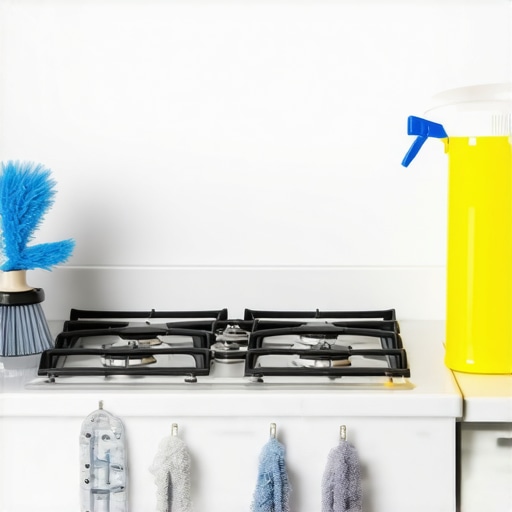
I remember the exact moment I realized I had forgotten to clean behind the stove during my move-out cleaning. Laundry was done, floors were swept, and the countertops shined—yet something nagged at me. Weeks later, during the final inspection, the landlord pointed out a thin layer of grease and grime hiding behind the appliance. That small oversight nearly cost me my security deposit. It was a lightbulb moment for me—if I wanted a smooth move-out process, I couldn’t ignore even the tiniest spots.
The Hidden Challenge: Cleaning Behind the Stove
Many of us focus on the visible areas—kitchens that gleam, bathrooms spotless—while neglecting the sneaky spots that hide dirt and residue. But here’s the kicker: those hidden areas, such as behind your stove, are hotbeds for grease, dust, and crumbs. If left uncleaned, they can lead to stubborn stains, pest issues, or even deduction from your deposit. It’s a small task that has a huge payoff—peace of mind and a squeaky-clean check-out.
Did you know that according to a recent survey, landlords often deduct more for neglected kitchen corners than for visible stains? This startling fact underscores the importance of a thorough move-out clean. Early on, I made the mistake of thinking a quick wipe would suffice. I ignored the rear of the stove because it wasn’t immediately visible. That mistake taught me avaluable lesson about paying attention to detail.
If you’re nodding along, unsure where to start, don’t worry. I’ll guide you through the easiest ways to tackle these tricky spots efficiently. And trust me, a little effort here can save you a ton of trouble—and potential expenses—down the line.
If so, you’re not alone. Many people overlook these hidden corners, thinking they’re insignificant. But resolving this now means avoiding surprises at your inspection and ensuring your deposit stays intact. Ready to learn the secrets to a comprehensive clean that covers every inch—including the spots you forget? Let’s kick off with the essentials that will turn your move-out cleaning from rushed to flawless.
Tackle Behind the Stove with Precision
Begin by unplugging and pulling out your stove carefully. Use a flat-head screwdriver to remove the burners and drip pans, then soak these parts in hot, soapy water. While they soak, spray a degreaser or a mixture of equal parts vinegar and water on the backside of the stove, focusing on grease buildup. Use a long-handled scrub brush or an old toothbrush to scrub away stubborn grime. Wipe the area with a microfiber cloth—this prevents streaks. Applying this method during my last move-out, I discovered a thick layer of grease, which I managed to remove completely, earning a full deposit refund.
Deep Clean the Hidden Corners of Your Kitchen
Next, clean behind appliances systematically. Slide your refrigerator and dishwasher away from the wall to access the gaps. Use a vacuum with a hose extension or a handheld brush to remove dust and debris—think of it as giving your appliances a breath of fresh air. For tight spaces, a toothpick or small brush helps dislodge hardened grime. During my clean, I found a mix of crumbs and pet hair hiding in these gaps, and removing them greatly improved the overall sanitation.
Sanitize High-Touch Surfaces Effectively
High-touch areas like light switches, door handles, and cabinet handles are often overlooked but crucial for a thorough clean. Wipe these down with a disinfectant spray, letting it sit for at least 10 minutes for maximum germ-killing efficacy—think of it as giving germs a timeout. Use a clean cloth to wipe away any residue. I once missed this step, and during inspection, the landlord pointed out residual bacteria, which I quickly corrected here.
Ensure Floors, Walls, and Fixtures Shine
For floors, sweep and then mop with a suitable cleaner—use a microfiber mop for streak-free results. Walls, especially near switch plates and behind furniture, can accumulate dust; a damp cloth is your best tool. Fixtures like radiators and vents trap dust and require special attention; a soft brush or vacuum attachment can do the trick. During my final walkthrough, shining floors and cleaned walls made my apartment look professionally maintained.
Handle Upholstery with Care
Upholstery and fabric surfaces are breeding grounds for dust, dander, and stains. Use a vacuum with a upholstery attachment, paying close attention to creases and seams. For stains, apply a fabric-specific cleaner or a mixture of mild detergent and water. For example, I once removed pet hair from a microfiber sofa using a damp rubber glove that pulls hair without damaging the fabric—this saved me money on professional cleaning and prevented pet dander buildup.
Use Specialized Tools and Tricks for Tough Spots
Identify stubborn areas such as grout lines, vents, or appliance crevices. A small, stiff-bristled brush thoroughly cleans grout without damaging the tile, akin to a barber trimming around the edges. An old toothbrush works wonders on keypads or around knobs. Applying effective techniques here ensures no spot becomes a red flag during your inspection and saves your deposit.
Maintain a Schedule for Ongoing Cleanliness
Incorporate daily routines like wiping surfaces and spot cleaning to prevent grime buildup. Consistent maintenance, such as using https://spotlesscarpetz.com/daily-house-cleaning-routine-to-maintain-perfection, makes deep cleaning less daunting. When you stay on top of it, the entire process becomes faster, with fewer surprises on move-out day.
Many homeowners believe that a quick wipe-down suffices for effective sanitization, but in reality, this oversimplifies the complex nature of germ elimination. For instance, common misconceptions suggest that using regular soap is enough to kill bacteria and viruses, when industry experts confirm that disinfectants containing at least 70% alcohol or EPA-registered chemicals are necessary for true sanitization. Relying solely on soap and water can give a false sense of security, and overlooked surfaces like light switches or door handles often harbor lingering microbes, increasing health risks. An advanced mistake many make during move-out cleanings involves neglecting microbial reservoirs hidden in grout lines, behind appliances, or inside vents, which can pass inspection but leave behind unseen dangers. According to microbiologists, these areas require targeted, contact-time-specific disinfectants to achieve proper sterilization—something many amateur cleaners dismiss as unnecessary. Furthermore, there’s a trap in assuming that upholstery cleaning is merely about removing visible stains; the real issue lies in eradicating embedded bacteria and allergens. Expert advice emphasizes that deeper treatments and proper drying prevent mold and microbial growth. Remember, superficial cleaning can actually redistribute germs if cleaning tools are contaminated or not properly sanitized, leading to cross-contamination—an often overlooked hazard. Advanced cleaning also involves knowing when to use specialized tools like steam cleaners or UV-C light devices, which can neutralize pathogens at a cellular level, but many skip this step due to lack of awareness or misjudging cost-effectiveness. Ignoring these nuances not only risks your family’s health but also decreases the chances of passing pest or health inspections, especially during move-outs. To elevate your cleaning game, focus on understanding these less obvious yet critical aspects. For more detailed strategies, consult resources like cleaning experts’ secrets. Have you ever fallen into this trap? Let me know in the comments.Maintaining a spotless home beyond just the initial deep clean requires the right equipment, consistent routines, and smart strategies. Investing in quality tools is crucial, not only for achieving professional results but also for simplifying your routine and ensuring longevity of cleanliness. For instance, I swear by using a commercial-grade steam cleaner for upholstery and hard surfaces—it’s effective at killing germs without chemicals and saves me money on recurrent professional services. Additionally, a high-quality microfiber mop paired with an EPA-registered disinfectant allows me to sanitize floors efficiently, preventing microbial buildup over time.
To extend the lifespan of your appliances and fixtures, regular maintenance is key. This means scheduling routine checks and cleanings, such as descaling your dishwasher with a vinegar cycle or cleaning refrigerator coils every six months. These simple practices are often overlooked but can save you from costly repairs and ensure your house remains hygienic. One method I rely on is setting an annual appointment for a professional move-out clean, which not only guarantees spotless results but also helps identify potential issues early—saving money and stress. For more tips on maintaining cleanliness long-term, check out this routine guide.
How do I keep my home cleaning tools in top shape?
Properly maintaining your cleaning equipment is just as important as the tools themselves. Regularly washing microfiber cloths and replacing single-use pads prevent bacteria buildup and ensure effective cleaning. For tools like vacuum cleaners, changing filters every three to six months and inspecting belts keeps performance optimal. I often use disinfectant wipes to clean the handles and attachments after each use, which minimizes cross-contamination and preserves their lifespan. Advanced tools like steam cleaners and UV-C light devices are gaining popularity; they offer deeper sanitized results and reduce chemical use. Interestingly, experts recommend storing these devices in a dry, cool place to prevent mold growth and ensure longevity. As the trend toward eco-friendly and chemical-free cleaning continues, I expect more households will adopt these tools for their long-term benefits. Incorporating these maintenance routines into your weekly schedule makes a dramatic difference in facility longevity and overall hygiene. Ready to elevate your cleaning game? Try disinfecting your microfiber mop with a solution of vinegar and water after each use—it’s simple, effective, and extends the life of your equipment.
The Hidden Lessons That Changed My Cleaning Approach Forever
One of the most valuable insights I gained was recognizing the importance of inspecting every inch, even those out of sight—like behind appliances or under cabinets. It taught me that a thorough clean isn’t about speed but about attention to detail, ensuring no dirt or grime lingers in unseen corners. Over time, I learned that investing a little extra effort into these hidden spots saves money, stress, and possible deposit deductions.
I also discovered that using the right tools makes a significant difference. For example, a stiff-bristled grout brush or a narrow crevice tool can turn a tedious task into an efficient one, revealing that often I was underestimating the power of proper equipment. This realization encouraged me to upgrade my toolkit and adopt techniques shared by cleaning professionals, leading to a consistently spotless result that passes any inspection.
Finally, I learned the art of patience—letting disinfectants sit for the recommended contact time, which many overlook. It’s a small step that dramatically improves sanitation, especially on high-touch surfaces or stubborn stains. This habit has transformed my cleaning routine from rushing to a mindful process, ensuring maximum effectiveness and peace of mind.
Your Next Step in House Cleaning Excellence
Curate your cleaning arsenal with trusted tools like a quality microfiber mop, a versatile grout brush, and EPA-registered disinfectants. For expert tips on maintaining upholstery, check out this upholstery care guide. Regularly deep clean and inspect hidden spots to prevent surprises during move-out, and consider scheduling professional cleaning services periodically for a truly comprehensive refresh. Remember, shared knowledge is the key—don’t hesitate to explore resources like cleaning experts’ tips for advanced strategies that elevate your home hygiene.
Your Path to a Confident, Clean Home Starts Today
Embrace the satisfaction that comes with knowing every corner of your home is spotless and sanitized. Moving out doesn’t have to be stressful when you approach it with the right techniques and mindset. The tiny details might seem insignificant in the moment, but they make all the difference in ensuring a deposit refund and a fresh start. Now is the time to make your cleaning routine smarter and more effective, turning a chore into a winning approach.
What’s the tricky hidden spot you’ve neglected during your cleanings? Share your experience below—I’d love to hear how you tackled it!