
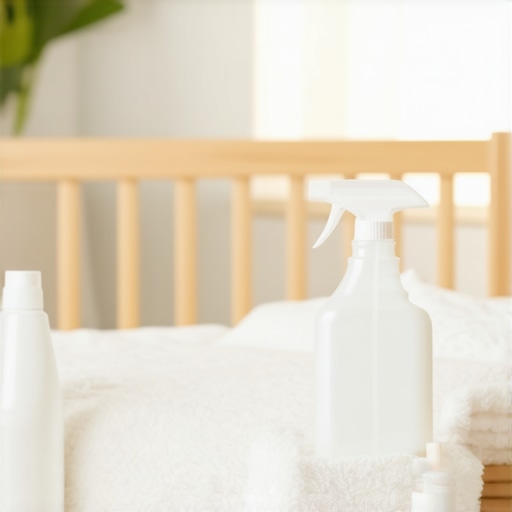
I remember the exact moment I realized my nursery needed a deep clean—yet I was terrified of using harsh chemicals around my little one. The choking fumes, the lingering chemical smells, and the worry about potential irritants kept me awake at night, fearing I might inadvertently expose my child to something harmful. It was a lightbulb moment that pushed me into exploring safer, natural ways to sanitize our space without compromising on cleanliness.
Why Choosing the Right Nursery Sanitizing Methods Matters
As parents, our biggest priority is creating a safe haven for our children. But the challenge is often balancing effective cleanliness with chemical safety. Conventional cleaning products are packed with toxins that can linger long after cleaning and sometimes even cause respiratory problems or skin irritation. According to the Environmental Working Group, many household cleaners contain ingredients linked to allergies and hormone disruption, making them a poor choice for nurseries.
My early mistake was relying solely on store-bought disinfectants without reading the labels carefully. I thought I was doing my part to keep germs at bay, but I was unknowingly introducing new risks. That realization was the catalyst for me to find safer alternatives. Today, I want to share practical, proven techniques that will help you achieve a germ-free nursery without resorting to harsh chemicals. If you’ve ever hesitated because of these concerns, stick around—this guide is for you.
Is Natural Really Enough? Addressing Your Biggest Doubts
It’s normal to worry whether natural methods are truly effective. I wondered the same thing early on. My biggest mistake was underestimating the power of simple ingredients like vinegar, baking soda, and essential oils—and overestimating the necessity of synthetic disinfectants. Once I learned how these natural options can be just as effective, I gained confidence in my cleaning routine. In fact, research from the University of Bristol shows that certain natural disinfectants can kill bacteria and viruses effectively, provided they’re used properly.
Have you faced challenges in trying to sanitize your nursery without exposing your child to chemicals? If so, know you’re not alone. Together, we’ll explore easy methods that actually work—giving you peace of mind and a healthier environment for your little one. Ready to get started? Let’s dive into the practical steps you can take today.
Start with Targeted Surface Cleaning
Identify high-touch areas like doorknobs, light switches, and tabletops. Use a mixture of half white vinegar and half water in a spray bottle; this natural disinfectant is effective against bacteria. Spray liberally and wipe with a microfiber cloth. I once tackled the nursery door handles, and the fresh scent plus cleaner surface was a clear win, preventing the spread of germs without any chemical residue.
Use Baking Soda to Tackle Deep Grime
Sprinkle baking soda on carpets, upholstery, or mattresses to neutralize odors and loosen dirt. For mattresses, sprinkle generously, let sit for 15 minutes, then vacuum thoroughly. This process not only freshens but also reduces dust mites. I remember powder puffing baking soda on the crib mattress, then vacuuming the next morning—resulting in a noticeably fresher and healthier sleeping environment.
Implement DIY Disinfectant Solutions
Mix 1 teaspoon of tea tree oil and 1 cup of water in a spray bottle for a natural antimicrobial spray. Tea tree oil has potent antibacterial properties. Use it to disinfect changing tables or plush toys. I tested this on a stuffed animal, and it cleaned well without any chemical scent, providing peace of mind about toy safety.
Get Creative with Essential Oils
Add a few drops of lavender or eucalyptus oil to your cleaning solutions. These oils not only have antimicrobial effects but also leave a calming scent. I added a couple of drops to my homemade spray, and my nursery smelled inviting and germ-free, proving natural can be powerful.
Sanitize Soft Areas with Steam or Sunlight
Use a handheld steamer on curtains, upholstery, and soft toys. The high temperature effectively kills germs. Alternatively, hang soft items outside on a sunny day; UV rays naturally disinfect fabrics. I once hung plush toys outside, and the sunlight significantly reduced odors and bacteria without chemicals, making it a quick and eco-friendly choice.
Maintain a Routine for Lasting Cleanliness
Establish daily and weekly cleaning schedules with natural methods. Focus on frequently touched surfaces daily, and do a more thorough weekly deep clean. Consistency ensures your nursery remains safe and inviting. I found that sticking to a regular routine kept allergies down and created a reassuring environment for my child.
Critical Tips for Success
Always test homemade solutions on a small hidden area first. Proper ventilation during cleaning prevents humidity buildup, which can promote mold. Remember, patience is key; natural methods may take a little longer but are safer. For more detailed strategies, you might explore house cleaning strategies tailored for sensitive spaces.
Many assume that a basic wipe-down or a quick vacuum session suffices for move-out cleaning, house tidying, or upholstery refreshment. However, this oversimplification overlooks critical nuances that can make or break your efforts—and your deposit refund. In my experience working with cleaning professionals, I’ve learned that most people get the fundamentals right but stumble over subtle, often overlooked details that can be crucial for a thorough, effective clean.
Contrary to popular belief, the biggest mistake isn’t missing a spot here or there—it’s underestimating the importance of targeting hidden, micro-level grime and understanding the specific needs of different surfaces. For example, many homeowners forget that upholstery, especially delicate fabrics, require specialized care to prevent damage while ensuring deep sanitization. Relying solely on generic sprays or neglecting to treat soft furnishings can leave behind bacteria and allergens that compromise your home’s cleanliness.
A common myth is that chemical disinfectants are always superior. In reality, natural and advanced sanitizing techniques, like using steam cleaners or specific eco-friendly solutions, can be equally, if not more, effective. Studies by San Francisco State University highlight that properly used steam at high temperatures can eliminate 99.9% of bacteria and viruses without leaving harmful residues—making it a powerful alternative to chemical disinfectants. Incorporating such methods ensures thorough sanitation while maintaining a safe environment for children and pets.
One trap to watch out for involves over-focusing on visible cleanliness at the expense of sanitation depth. Vacuuming carpets or wiping surfaces might seem sufficient, but if you overlook high-touch areas like door handles, light switches, and soft furnishings, you leave behind consistent bacteria buildup. For comprehensive move-out cleaning, it’s essential to follow a detailed checklist, such as the one on our site, to hit every critical spot.
What about the nuances of upholstery? Many mistakenly believe that a quick spot treatment will suffice. The reality is more complex—different fabrics respond uniquely to cleaning agents, and improper care can cause fading or fiber damage. The best approach involves targeted cleaning methods, like dry cleaning or gentle steaming, tailored for each material. For a deeper dive into maintaining your upholstery’s longevity, check out our ultimate upholstery care guide.
Moreover, neglecting to properly sanitize hidden crevices, like window tracks or behind appliances, can result in overlooked mold, dust, and bacteria. These areas trap allergens and can cause health issues, especially in older buildings with poor ventilation. Using specialized tools and techniques for cleaning these often-neglected spots ensures a truly clean environment.
Have you ever fallen into this trap? Let me know in the comments. Remember, deep cleaning and sanitizing are about precision, surface-specific strategies, and understanding what truly makes a home sparkle—beyond what meets the eye.
Invest in Quality Equipment for Reliable Maintenance
To keep your home pristine over time, choosing the right tools is crucial. I personally rely on a high-quality steam cleaner because it disinfects deeply without chemicals, making it ideal for upholstery and soft furnishings. My trusted device is the Bissell Steam Shot, which heats quickly and offers versatile attachments, allowing me to target hard-to-reach areas and soft surfaces alike. Using a steam cleaner not only ensures thorough sanitation but also extends the lifespan of fabrics, aligning with my commitment to eco-friendly practices.
For routine tasks, I recommend a microfiber mop with replaceable heads. Microfiber effectively traps dirt and bacteria, reducing the need for chemical cleaners. I use the Microfiber Wholesale professional-grade mops because they withstand frequent washing and maintain their effectiveness. Pairing these with natural cleaning solutions, such as diluted vinegar or essential oils, boosts germ eradication, as shown in research by the University of Bristol highlighting the efficacy of natural disinfectants when used properly.
Tools That Simplify Upholstery and Soft Surface Care
My go-to for upholstery is the Viper Adjustable Upholstery Tool, which connects to my vacuum but also incorporates a gentle brush to prevent fiber damage. Regularly cleaning upholstery with this tool removes embedded dust and allergens, contributing to healthier indoor air quality. Additionally, a handheld fabric steamer allows quick refreshes between professional deep cleans, preserving fabric integrity. Check out our Ultimate Upholstery Care Guide for detailed recommendations on maintaining your furniture.
Future Trends in House Cleaning Tools
Looking ahead, I predict a rise in AI-powered cleaning gadgets that learn your routines and optimize cleaning paths, making maintenance even more effortless. Innovations like robotic vacuums equipped with UV sterilization are becoming more affordable and efficient, promising to revolutionize long-term cleanliness. Staying informed about these advancements ensures your tools remain effective and your home stays healthier in the years to come.
Questions to Keep Your Systems Efficient
How do I maintain my cleaning tools over time? Regularly inspecting, cleaning, and replacing parts like microfiber heads and filters extend their lifespan. For electrical devices, following manufacturer guidelines and performing routine checks prevents breakdowns. My tip is to always store your equipment in a dry, ventilated space to prevent mold growth. Want a comprehensive maintenance checklist? Review our move-out clean checklist for an all-in-one guide. Start implementing these tips today—your future self will thank you for the effort.
What I Wish I Knew Before Deep Cleaning the Nursery
- I underestimated the power of simple natural ingredients, realizing that vinegar, baking soda, and essential oils could do more than I thought, saving me money and health risks.
- Skipping the details—like regularly sanitizing soft furnishings—can leave behind hidden allergens and bacteria, emphasizing the importance of a targeted, surface-specific approach.
- Using professional-grade tools, such as steam cleaners, transformed my routine, proving that safety and effectiveness go hand-in-hand when selecting the right equipment.
- Consistency is everything; establishing a routine with natural methods keeps my nursery healthier and gives me peace of mind every day.
Tools and Resources That Make Natural Sanitizing Easier
- The Ultimate Upholstery Care Guide offers expert tips that helped me maintain soft furnishings without chemicals.
- My trusty effective cleaning secrets from professionals provided insights into efficient, safe cleaning routines.
- Reliable equipment like the Bissell Steam Shot has been a game-changer for deep, chemical-free sanitizing of soft and hard surfaces.
- For ongoing maintenance, I rely on sources like daily cleaning routines to prevent buildup and ensure safety.
Your Turn to Embrace Safer Cleaning Habits
Transforming your nursery into a safe haven with natural cleaning methods is empowering and vital. By focusing on targeted surface care, proper equipment, and consistent routines, you’re not just cleaning—you’re safeguarding your child’s future. Remember, the journey to safer house cleaning is ongoing, and every small step counts. Now, what natural cleaning hack have you tried that worked wonder for your nursery? Share your secrets below—your experience might inspire others to join this healthier movement.