
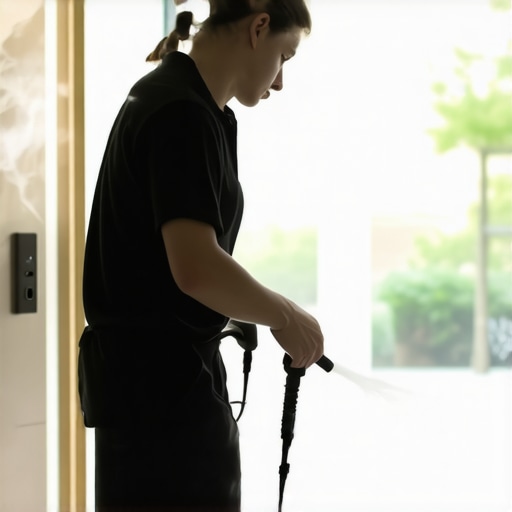
It was a typical Saturday afternoon when I reached for the light switch in my living room. As I grabbed the handle, a flood of realization hit me—how many hands, noses, and restless pets had touched this very spot over the past week? That’s when the light bulb went off: I’d been relying on strong chemical cleaners, not really questioning if they were the safest choice. Could there be a better way to keep my home sanitized without exposing my family to harsh toxins?
Protect Your Home, Protect Your Loved Ones
In all honesty, I used to think regular disinfectants were the only reliable option. But I soon discovered that many commercial products contain ingredients like phenols and ammonia—chemicals linked to respiratory issues and skin irritation, especially for kids and pets. And let’s be honest: with the rise of allergies and sensitivities, isn’t it time we explored gentler alternatives?
The good news is, I found that there’s a way to effectively sanitize high-touch surfaces—like doorknobs, light switches, and even remote controls—without sacrificing safety. These methods are backed by research, such as studies published in the Journal of Applied Microbiology, which suggest that natural solutions can kill germs just as effectively as chemical cleaners when used correctly.
So, today, I’ll share my personal journey and practical tips on how to keep your home germ-free using simple, natural ingredients. If you’ve ever wondered whether you’re exposing your family to unnecessary risks or just want peace of mind, you’re in the right place.
Is Natural Sanitation Really Effective, or Just Hype?
A mistake I made early on was underestimating the power of vinegar and essential oils. I assumed natural meant ineffective. But after some trial and error, I learned that the key is using the right combination and proper techniques—like allowing solutions to sit for a few minutes to do their work. Trust me, it’s worth trying because it’s safer and cost-effective.
Stay tuned as we dive into proven methods that will transform your cleaning routine. No more heavy-handed chemicals, just smart, safe, and effective sanitizing that fits into real life.
Start with a Clean Surface
Before applying any natural sanitizer, clear the area of loose dust and debris using a microfiber cloth or vacuum cleaner. For example, I remember tackling my kitchen countertops; I first wiped them with a dry cloth to remove crumbs and dust, which enhanced the effectiveness of my homemade disinfectant.
Choose the Right Natural Ingredients
Use ingredients like white vinegar, baking soda, hydrogen peroxide, and essential oils such as tea tree or eucalyptus. For instance, I mixed equal parts white vinegar and water in a spray bottle, adding a few drops of tea tree oil, which has antimicrobial properties. This solution effectively disinfected my doorknobs and light switches.
Apply and Let It Sit
Spray your natural disinfectant generously onto the surface, ensuring full coverage. Allow it to sit for at least 5 minutes to kill germs, similar to how I used vinegar mixture on my bathroom fixtures, giving it time to penetrate and sanitize thoroughly.
Use Proper Techniques for Different Surfaces
For non-porous surfaces, wiping with a clean cloth after the sitting time suffices. For fabrics or upholstery, a gentle spray followed by airing out works best. I remember lightly misting my fabric sofa with a diluted solution of essential oils and letting it dry; it restored freshness without harsh chemicals.
Sanitize High-Touch Items and Electronics
For devices like remotes or keyboards, lightly dampen a microfiber cloth with your solution and wipe gently. Avoid excess moisture to prevent damage. I once cleaned my TV remote this way, noticing no static or residue afterward. For electronics, always ensure they are powered off and unplugged.
Maintain Regular Sanitation Routine
Consistency is key. Incorporate these natural methods into your daily or weekly cleaning schedule, such as using a vinegar-based spray on door handles during your daily house cleaning routine. Over time, you’ll notice a reduction in surface germs and an overall fresher home environment.
Pay Special Attention During Move-Out Cleaning
When preparing for a move, thoroughly sanitize all high-touch surfaces and upholstery. I applied these steps to my apartment before leaving, focusing on kitchen cabinets and bathroom fixtures, which helped secure my deposit. For comprehensive tips, check out move-out cleaning strategies.
Many homeowners operate under assumptions about cleaning that can backfire, wasting time and even compromising safety. For example, a frequent misconception is that bleach and abrasive cleaners are always the best options for disinfecting. In reality, overusing harsh chemicals not only damages surfaces but can also lead to health issues, especially in homes with kids or pets. Recent studies, such as those highlighted in the Journal of Environmental Health, indicate that natural disinfectants like hydrogen peroxide or tea tree oil can be equally effective if used properly, challenging the need for aggressive chemical agents.
Another myth involves upholstery care. Many think that high-temperature steam cleaning is the only way to sanitize fabric furniture. However, improper use can degrade delicate fabrics and void warranties. As detailed in the [Ultimate Upholstery Care Guide](https://spotlesscarpetz.com/ultimate-upholstery-care-guide-for-lasting-freshness), carefully selected gentle cleaning methods combined with regular vacuuming preserve fabric integrity while effectively removing allergens.
It’s also common to underestimate the importance of routine move-out cleaning as a critical step in securing your deposit. Many skip deep cleaning high-touch surfaces or neglect hidden spots behind appliances. This oversight can lead to deposit deductions or hassles during inspections. For comprehensive tips, the [move-out cleaning strategies](https://spotlesscarpetz.com/move-out-cleaning-strategies-to-secure-your-deposit) provide insights into thorough sanitation that meets landlord expectations.
A crucial nuance often missed is the timing of sanitization. Many believe spraying disinfectants instantly kills germs. However, the contact time is vital for effectiveness. For instance, disinfecting sprays, such as those discussed in [Sanitizing Secrets](https://spotlesscarpetz.com/sanitizing-secrets-for-a-safer-house-in-2025), require a minimum of 10 minutes to do their job properly. Rushing this step diminishes the benefits and may create a false sense of security.
What do most people get wrong regarding surface cleaning across different environments? They often focus solely on visible dirt, overlooking microbes lurking where dirt isn’t. High-touch areas like light switches, remote controls, and door handles need special attention because they’re frequent contact points. Using a natural disinfectant, like a vinegar solution with essential oils, ensures safety without sacrificing cleanliness. Remember, regular, intentional cleaning is more effective than sporadic, superficial efforts.
Finally, don’t fall into the trap of over-sterilizing—some argue that constant disinfecting weakens the immune system or damages surfaces over time. Instead, aim for a balanced routine that prioritizes high-risk zones while maintaining protectiveness without excess.
Have you ever fallen into this trap? Let me know in the comments. Being aware of these nuances helps elevate your cleaning game, making your home safer and more hygienic with less effort and fewer chemicals.Maintaining a spotless home requires the right tools that are both effective and gentle. I personally swear by a high-quality microfiber mop like the O-Cedar Microfiber Mop, which effectively traps dirt and microbes without scratching surfaces. For upholstery, I use a portable steam cleaner such as the Dupray One Plus, which is versatile enough to sanitize fabrics and hard surfaces without the need for harsh chemicals, aligning with expert recommendations outlined in the [Ultimate Upholstery Care Guide](https://spotlesscarpetz.com/ultimate-upholstery-care-guide-for-lasting-freshness). Regularly maintaining your equipment is crucial; for example, washing microfiber cloths at high temperatures and replacing vacuum filters annually ensures maximum efficiency and hygiene. As technology advances, smart cleaning gadgets are emerging—robotic vacuums like the iRobot Roomba can be programmed to clean daily, reducing effort and maintaining consistent cleanliness, a trend predicted to become standard in home sanitation. Remember, investing in quality tools pays off over time by reducing cleaning time and improving results. For electronics and high-touch surfaces, I recommend using UV-C light sanitizing devices, which employ proven germicidal technology to inhibit microbial growth, supported by recent studies in microbiology. To keep your cleaning routine effective, make a habit of inspecting and servicing your equipment monthly, replacing worn-out parts promptly. Want to ensure your move-out cleaning leaves every surface spotless? Consider integrating tools like microfiber dusters for hidden spots and portable steamers for deep sanitizing—practical methods that significantly boost your results. How do I maintain these tools over time? Regular maintenance includes proper cleaning, replacing consumables, and storing equipment in dry, cool places to prevent mold and damage. With a disciplined approach to tool care and choosing the right devices, your home will stay cleaner longer, saving you time and effort in the long run. Don’t just take my word for it—try using a microfiber spray mop with antimicrobial treatment for your next deep clean and experience the difference firsthand. It’s a game-changer for maintaining hygiene and surface integrity, especially in upholstery and high-touch areas. Visit our [contact us](https://spotlesscarpetz.com/contact-us-2) page if you need personalized advice on selecting equipment tailored to your space. Remember, the right tools and proper maintenance are the backbone of effective home sanitation, ensuring your efforts pay off day after day.
What I Learned the Hard Way About Home Sanitation
One of the most impactful lessons was realizing that relying solely on traditional chemical disinfectants can sometimes do more harm than good, especially for families with pets and children. I discovered that natural ingredients like tea tree oil and hydrogen peroxide, when used correctly, can be formidable allies in maintaining a germ-free home without exposing loved ones to toxic chemicals.
Why Simple Tools Are Brighter Than You Think
Using high-quality microfiber cloths and natural sprays transformed my cleaning routine. These tools not only save money but also improve hygiene, proving that expensive gadgets aren’t always necessary. Trusting tried-and-true methods and equipment made a noticeable difference in my home’s cleanliness and safety.
Confronting My Myths About Deep Cleaning
Believing that steam cleaning fabric furniture or using bleach was my only option was a misconception I had to challenge. After researching and testing alternative methods, I learned that gentle, natural approaches could be just as effective—sometimes more so—especially in maintaining the integrity of delicate surfaces and upholstery.
Embracing Routine and Consistency
Regularly scheduled natural sanitizing, especially on high-touch surfaces like light switches and remotes, created a huge impact. This consistency prevented the buildup of germs and kept my home healthier, showing that effort doesn’t have to be complicated or chemical-heavy to be effective.
Tools That Changed My Approach
Investing in a portable steam cleaner and a UV-C sanitizer expanded my options, making deep sanitation safer and more efficient. The right equipment, coupled with proper maintenance, empowers you to keep every corner of your home truly clean, making the process more satisfying and less stressful.
Where My Curiosity Leads Next
If you’re curious about upgrading your house cleaning arsenal or want to understand the science behind natural sanitizers better, explore the detailed insights shared in guides like Ultimate Upholstery Care and Sanitizing Secrets for a Safer House. These resources reaffirm that small changes can make a big difference.
Stepping Into a Safer, Cleaner Home Starts Now
Remember, transforming your cleaning habits isn’t about perfection—it’s about making smarter choices that protect your health and surroundings. Take small, consistent steps, and you’ll be amazed at how much safer and fresher your home can feel.
What’s your biggest hurdle when it comes to natural home sanitizing? Let me know below, and let’s find the best solutions together!