
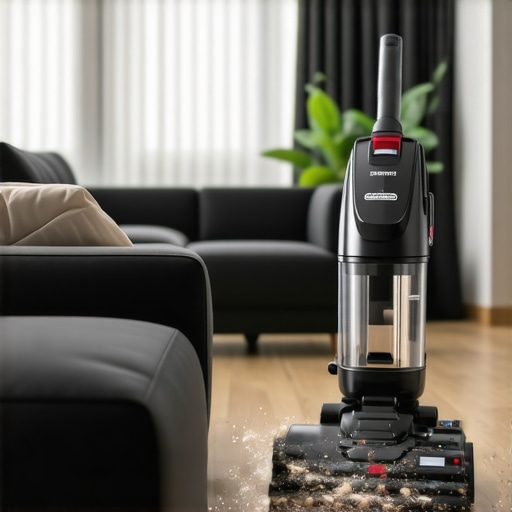
Have you ever finished vacuuming, only to turn on the lights and notice a thin layer of dust settling back onto your floors? That frustrating moment when your efforts seem almost pointless. I’ve been there, repeatedly thinking I was doing a thorough clean, only to realize that my vacuum was spreading more dust around rather than removing it. It felt like I was fighting a losing battle every time I hit reset on my cleaning routine.
Why Your Vacuum Might Be Making Things Worse
This discovery was a lightbulb moment for me. I’d spent money on what I thought was a top-tier vacuum, trusting that equipment would do the heavy lifting, so to speak. But then, I learned that many vacuums can inadvertently blow dust and allergens right back into the air, especially if they aren’t maintained properly. Dust particles are tiny—some are less than 10 microns in size—and when your vacuum isn’t up to date with its filters or if its brush rolls are clogged, it struggles to trap those microscopic villains.
Research from the Environmental Protection Agency (EPA) highlights that poor indoor air quality, often worsened by inefficient cleaning appliances, can contribute to respiratory issues and allergies. Knowing this, I realized my vacuum needed a close inspection—not just a quick empty or swap of bags. I began paying attention to maintenance, filter replacements, and brush cleanliness. It was an eye-opening experience that transformed my cleaning approach.
Is It Really Worth Ditching Your Old Vacuum?
I used to dismiss the idea that my vacuum could be the problem. I thought, “It’s clean enough for me.” But early on, I made the mistake of ignoring filter deterioration, which severely impacted dust containment. After a few upgrades and regular proper maintenance, I noticed a tangible difference in the air quality and cleanliness of my home. If you’re tired of days feeling like dust magnifies after your efforts, it might be time to revisit your vacuum’s condition and how you’re using it.
Moving forward, I’ll share the effective strategies I discovered that helped my vacuum do what it was meant to – clean and not spread dust. But first, let’s address your biggest doubt. Have you faced the problem of dust coming back despite your cleaning efforts? If so, keep reading. We’ll uncover the secrets to making your vacuum work for you, not against you, ensuring your living space stays truly fresh and dust-free.
Time to Fix Your Vacuum’s Dust Dilemma
With the right knowledge, you can turn your vacuum into a powerful ally for cleaner air and healthier living. Want to learn the tips that transformed my cleaning routine? Let’s get started!
.
Replace or Upgrade Filters Regularly
Start by inspecting your vacuum filters. In one messy Saturday, I forgot to change mine for months, leading to a dusty exhaust that spread debris back into the air. To avoid this, set a reminder every 3-6 months to replace filters, especially HEPA ones, which trap tiny particles. This simple step prevents dust from re-circulating and enhances your vacuum’s suction power.
Clean and Maintain Brush Rolls
Next, check the brush roll for hair and lint buildup. I once attempted a quick fix, only to realize tangled hair had reduced its effectiveness. Remove clogging by cutting away hair with scissors, then wash the brush with warm soapy water. Replace or reassemble it once dry. A clean brush roll ensures thorough debris pickup without redistributing dust.
Sweeping Preparation: Clear the Surface
Before vacuuming, declutter your space. Remove small items and cords to allow unobstructed access. During my initial attempts, I skipped this step and ended up trapping debris around furniture legs. Clearing the area enables the vacuum to reach every corner, maximizing efficiency and reducing the chance of dust settling back immediately.
Perform Regular Deep-Cleaning of Your Vacuum
Deep-clean your vacuum components weekly. For instance, I disassembled and washed the dustbin and cleaned filters with vinegar and water. This prevents buildup of dust and allergens inside the machine, maintaining optimal airflow. Refer to effective house cleaning secrets from cleaning experts to see how deep cleaning can significantly improve your vacuum’s performance.
Test Vacuum Strength and Suction
After maintenance, test its suction on a small patch of carpet or rug. If suction feels weak, recheck filters and brush cleanliness. I tested mine after a full service, and the difference was immediate—dust was lifted effortlessly. This indicates your vacuum is now working as intended, without spreading dust or allergens.
Store Your Vacuum Properly
Finally, store your vacuum in a dry, dust-free location. Avoid leaving it in cluttered or humid areas, which can lead to mold or dust accumulation. I keep my vacuum upright in a closet, away from direct sunlight and moisture. Proper storage preserves its parts and maintains air quality.
For more detailed strategies on maintaining your entire cleaning routine, explore effective strategies from experts or check out move-out cleaning strategies to secure your deposit. Remember, a well-maintained vacuum is your first line of defense against dust and allergens, ensuring a healthier home environment.
Many homeowners believe that wiping surfaces and vacuuming regularly are enough to keep a home truly clean and sanitized. However, this common misconception oversimplifies the complex science of thorough cleaning and sometimes leads to ineffective results. One of the biggest pitfalls is assuming that using disinfectants alone guarantees a germ-free environment. In reality, the effectiveness of sanitizing depends heavily on proper technique, contact time, and understanding the nuances of microbial resistance. For instance, studies from the Centers for Disease Control and Prevention (CDC) highlight that many disinfectants require a specific dwell time—typically a few minutes—to effectively eliminate pathogens. Skipping this step might give a false sense of security, leaving bacteria and viruses intact. To truly optimize your sanitization efforts, it’s crucial to follow manufacturer instructions meticulously and to focus on frequently touched areas, which often harbor high levels of microbes.
Another often-missed detail involves upholstery and fabric protection. Many people don’t realize that improper cleaning methods can actually damage or set stains in delicate fabrics, making them harder to remove over time. Light agitation with harsh chemicals can weaken fibers or cause discoloration, negating the purpose of cleaning in the first place. For example, using bleach or ammonia on upholstery can lead to rapid deterioration or unintentional color bleeding. Instead, leveraging specific cleaning hacks—such as vinegar-based solutions or professional-grade upholstery shampoos—can preserve fabric integrity. For advanced advice on maintaining your furniture’s freshness without chemical harm, check out our ultimate upholstery care guide.
When it comes to house cleaning beyond surface-level tidying, many underestimate the importance of environmental factors—like humidity, airflow, and hidden dust traps—that influence overall cleanliness. For example, neglecting to clean behind appliances or in HVAC vents can cause dust and allergens to accumulate unnoticed. These sneaky spots are often overlooked because they aren’t immediately visible, but they contribute significantly to indoor air quality and allergen exposure. Don’t fall into the trap of thinking that visible cleanliness means your home is truly sanitized. Regularly inspecting and cleaning these hidden areas can have a profound impact on your health and the longevity of your home’s fixtures. To get a comprehensive overview of what you might be missing, consult our expert house cleaning secrets.
A critical mistake many make during move-out cleaning involves rushing through the process without a detailed plan, leading to missed spots that landlords or inspection checklists will scrutinize. Basic cleaning may suffice for daily maintenance, but move-out cleaning demands a meticulous approach to avoid losing your security deposit. There’s a trap here: relying solely on superficial cleaning can be ineffective if you forget to address areas like baseboards, behind appliances, or hidden corners. For an effective checklist that guarantees your deposit refund, review our move-out cleaning checklist.
Now, a question for the advanced cleaner: How do you balance the need for deep cleaning with preserving delicate materials, especially when dealing with vintage or high-end furnishings? Achieving this requires a nuanced understanding of material-specific cleaning protocols, sometimes combining gentle chemical treatments with methodical mechanical cleaning. For detailed insights on this topic, explore our effective house cleaning secrets.
Remember, the key to truly effective cleaning and sanitizing is awareness of these hidden nuances. If you’re ready to elevate your home maintenance routines and avoid common traps, consider consulting professional services or expanding your knowledge with trusted resources. Have you ever fallen into this trap? Let me know in the comments. Your experience might help others avoid costly mistakes and achieve a healthier, more sanitized home environment.
Maintaining a spotless home requires not only diligent effort but also the right tools that make the job easier and more effective. Over the years, I’ve discovered specific equipment and techniques that have significantly improved my cleaning routine, especially when it comes to tasks like sanitize, upholstery, or move-out cleaning. If you’re serious about keeping your space pristine and want to invest in tools that deliver long-term results, read on.
Investing in a High-Quality HEPA Vacuum
My go-to is a vacuum equipped with a true HEPA filter, like the Dyson V11 Torque Drive. It captures 99.97% of airborne particles, including allergens and fine dust, which is crucial for homes with allergy sufferers. Unlike cheaper models, this vacuum maintains suction power over extended use and is easy to maintain—filters are washable, and brush rolls are straightforward to clean. Regular maintenance of this tool, such as replacing filters every 6-12 months, ensures it continues to operate at peak performance and prevents dust re-circulation, which is vital for long-term air quality.
Steam Cleaners for Deep Sanitizing
For deep sanitizing, I rely on a steam cleaner like the McCulloch MC1385 Deluxe. Steam penetrates fabrics and surfaces without chemicals, making it perfect for upholstery and tiles. I use it weekly on sofas, curtains, and bathroom tiles, which helps eliminate bacteria and allergens more effectively than sprays. According to industry experts, combining steam cleaning with traditional methods significantly enhances overall hygiene. Regular use prevents the buildup of grime and prolongs the lifespan of your fabrics and surfaces.
Specialized Tools for Move-Out Cleaning
Transitioning between tenants or preparing a home for sale? I swear by a set of flexible, microfiber cloths, a grout brush, and a grout cleaning solution like OxiClean MaxForce. These tools help reach tight corners and stubborn stains, ensuring nothing is left behind that could jeopardize your deposit. In addition, a handheld steam cleaner can make quick work of appliances and bathroom fixtures, saving you hours of scrubbing.
Future Trends in Cleaning Tech
Smart cleaning devices are emerging quickly, with robot vacuums becoming increasingly sophisticated. Look out for models integrated with AI that map your home and adapt to your cleaning habits, like the Roomba s9+. These tools will likely become essential for maintaining cleanliness with minimal effort, especially as homes become smarter and more connected. Staying ahead by investing in these innovative appliances can keep your cleaning routine efficient and less time-consuming.
How do I maintain my cleaning arsenal over time?
To keep your tools performing optimally, schedule regular check-ups and part replacements. For vacuums, that means changing filters and brushes; for steam cleaners, descaling and cleaning nozzles. Keeping your equipment clean and well-maintained prevents dust and mold buildup, prolongs their lifespan, and ensures they work effectively. Consistent maintenance not only saves money but also guarantees that your home’s cleanliness remains uncompromised. Want to learn how to optimize your routine further? Check out our house cleaning strategies.
Now, I challenge you to try upgrading your vacuum with a true HEPA filter if you haven’t already. It’s a game-changer for indoor air quality and reduces allergen buildup, making your home safer and healthier over time.
The Little Lessons That Changed My Cleaning Game
One of the most eye-opening lessons I learned was that regular vacuuming isn’t enough if the filters aren’t maintained or replaced on time. I used to ignore this simple step, only to realize that dust and allergens kept circulating in my home. Another revelation was that deep cleaning upholstery with improper techniques can damage delicate fabrics or set stains permanently. Lastly, I discovered that the overlooked areas like behind appliances or inside vents harbor significant dust, impacting indoor air quality more than I expected. Embracing these lessons transformed my approach and made a noticeable difference in my home’s cleanliness and my family’s health.
Tools and Resources That Elevated My Cleaning Routine
Investing in a true HEPA-filter vacuum like the Dyson V11 Torque Drive has been a game-changer in capturing airborne allergens. The Ultimate Upholstery Care Guide offers expert advice on preserving fabric integrity while keeping it fresh. Steam cleaners such as the McCulloch MC1385 help sanitize surfaces without chemicals, vital for allergy-prone households. For move-out cleaning, a microfiber cloth set alongside specialized tools for grout and crevices ensures no detail is missed, helping secure your deposit. Finally, keeping an eye on emerging smart cleaning devices, like robot vacuums, can free up time while maintaining consistent cleanliness, making your cleaning routine more efficient and less stressful.
Keep Cleaning with Heart and Purpose
The journey to a truly clean and sanitized home is ongoing and rewarding. With the right insights, tools, and a bit of dedication, you can create a space that’s not just visually spotless but also healthier for everyone living in it. Remember, each small adjustment—like maintaining your filters or cleaning hidden spots—builds toward a more comfortable, allergen-free environment. So, don’t hesitate to start incorporating these secrets today and watch your home transform into a sanctuary of purity and peace. Your effort makes a real difference—are you ready to take the next step in your cleaning mastery?