
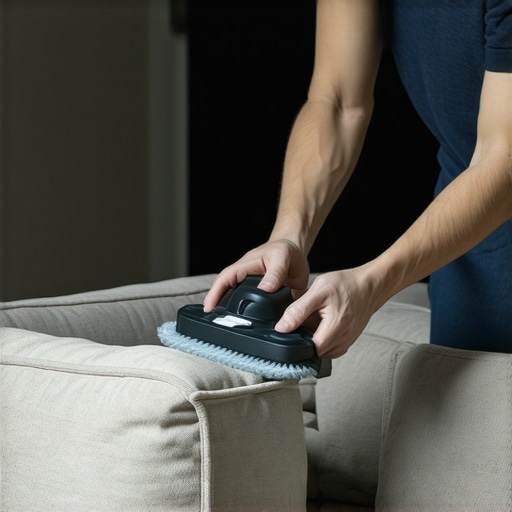
Ever had that sinking feeling when you sit on your beloved microfiber sofa, only to realize it’s flattened and feels more like a stiff board than cozy seating? I remember one Saturday afternoon, after a weekend of heavy Netflix binging and little foot traffic, I plopped down only to be greeted by a surprisingly crunchy, flattened surface. It hit me then—my sofa needed more than just a quick dusting; it needed a serious revival.
That’s when I decided to learn how to restore that soft, plush texture that made microfiber furniture so irresistible in the first place. And trust me, it was easier than I imagined! Today, I’ll share my tried-and-true method to bring back your sofa’s original fluffiness, all from the comfort of your home.
Why Your Microfiber Couch Loses Its Fluff—and Why It Matters
Microfiber sofas are beloved for their soft feel and durability, but over time, daily use, weight, and even improper cleaning techniques can lead to that dreaded flattened look. When the surface becomes stiff and crinkly, it not only looks tired and neglected but also loses its inviting appeal. Plus, a stiff texture can make sitting less comfortable, defeating the purpose of relaxing on your favorite piece of furniture.
Interestingly, according to upholstery experts, the fibers in microfiber can get crushed and tangled, losing their original resilience—much like hair after a long day. But don’t fret! Restoring that plushness is entirely possible with some careful steps.
One common mistake I made early on was using harsh chemicals that actually hardened the fabric further. Instead, gentle, natural methods can do wonders. For instance, [Spotless Carpetz](https://spotlesscarpetz.com/upholstery-cleaning-tips-for-a-fresh-home-revival) offers excellent tips on upholstery care that emphasize gentle cleaning.
In the next sections, I’ll walk you through my personal step-by-step process to rejuvenate your microfiber sofa—simple, affordable, and effective. If you’ve ever faced this issue, then you’re in the right place to learn how to breathe new life into your furniture.
Prepare Your Workspace for Effective Cleaning
Start by removing all cushions and covers from your sofa. Clear the surrounding area to avoid spreading dirt or splashes onto other furniture. Wear old clothes and gloves to protect your skin from potential irritants, especially if you plan to use any cleaning agents.
Vacuum Deep Into the Fiber
Use a handheld vacuum or an upholstery attachment to thoroughly vacuum the entire surface, paying special attention to crevices, seams, and under the cushions. This step removes loose dust, pet hair, and debris that can hinder the rejuvenation process. Remember, a clean surface ensures better absorption of the conditioning treatment.
Apply a Microfiber-Friendly Cleaner
Select a gentle upholstery cleaner or a homemade solution of mild dish soap and water. Lightly dampen a soft microfiber cloth or sponge with the solution and gently wipe the fabric in a circular motion. For stubborn stains, spot treat with a mixture of equal parts water and white vinegar, but avoid soaking the fabric to prevent damage.
Tip: Test a small hidden area first to ensure colorfastness and avoid surprises.
During my first attempt, I accidentally used too much water on a coffee stain, which caused the fabric to stiffen. The vinegar solution, however, proved effective on a stubborn ketchup stain without any adverse effects.
Use a Bristle Brush to Loosen Fibers
Once the surface is damp but not soaked, gently brush the microfiber with a soft-bristled upholstery or a clean toothbrush. This process lifts the fibers back to their original position, restoring the plush texture. Think of it as giving a gentle massage to your couch’s fibers, encouraging them to bounce back.
During my experience, I noticed that brushing after cleaning made a significant difference in the overall fluffiness of my sofa, almost like new.
Dry and Fluff the Fiber for Maximum Comfort
Let the sofa air dry completely, preferably in a well-ventilated room. To expedite drying, use a fan or open windows. Once dry, lightly brush the fibers again to re-fluff them, restoring that soft, cushiony feel. Vacuuming again at this stage can also help lift the fibers and remove any remaining loose particles.
This step was crucial in my process—rushing to sit without proper drying and fluffing left the fibers stiff and uneven. Taking my time resulted in a plush, comfortable surface that felt like new.
Maintain with Regular Care and Gentle Cleaning
To keep your microfiber sofa soft and inviting, establish a routine of light vacuuming weekly and spot cleaning as needed. Avoid harsh chemicals or excessive water, which can damage the fibers over time. Instead, focus on gentle, natural solutions and consistent maintenance.
Following these steps transformed my stiff, flattened sofa into a cozy retreat. With a little patience and the right techniques, your furniture can regain its original plushness, enhancing your space’s comfort and aesthetic.
While many believe that following generic cleaning routines guarantees a spotless home, this oversimplification overlooks crucial nuances and common pitfalls. One prevalent misconception is that using harsh chemicals ensures thorough sterilization, but in reality, overusing disinfectants can damage delicate fabrics and surfaces, leading to more harm than good. For instance, some wonder if diluted bleach is always the safest choice; however, experts warn that improper dilution can cause discoloration and health hazards. Instead, natural solutions like vinegar and baking soda, when used appropriately, can be equally effective without risking damage, as highlighted in cleaning research by the American Cleaning Institute.
Many underestimate the importance of technique over product. For example, scrubbing upholstery with abrasive tools might seem efficient but can weaken fibers, causing premature wear. An advanced mistake is neglecting the hidden bacteria lurking in overlooked areas, such as under appliances or inside air vents. Regularly sanitizing these spots with targeted methods, like using a microfiber cloth to trap dust or applying specialized sanitizing hacks, can significantly reduce microbial presence.
Why do most people fail to consider the deep grime in hidden spots, and how does it impact health?
Deep-seated dirt and bacteria often reside in areas we forget—behind baseboards, inside filters, or within appliance crevices. Neglecting these spaces not only leads to persistent odors and stains but also creates breeding grounds for mold and bacteria that can trigger allergies or respiratory issues. According to a study by the Environmental Protection Agency, indoor contaminants can accumulate rapidly in such hidden zones, impacting indoor air quality.
Moreover, there’s a trap in believing that spot cleaning is sufficient. While quick fixes may improve appearance temporarily, comprehensive cleaning—including deep extraction on carpets or thorough sanitization of high-touch surfaces—is essential for true hygiene. Rushing through the process often results in recontamination, making the effort futile.
Leveraging insights from professional cleaning secrets, such as those shared in effective house cleaning strategies, can help you avoid these pitfalls. For instance, regularly inspecting and maintaining hidden filters or deep-cleaning radiators prevent the buildup of dust and bacteria. Remember, a routine that overlooks these areas risks long-term health issues.
Are you guilty of skipping these crucial steps? If so, you’re not alone. Recognizing these nuanced mistakes can elevate your cleaning routine from superficial to truly effective. Want more expert tips? Check out [Effective House Cleaning Secrets from Cleaning Experts](https://spotlesscarpetz.com/effective-house-cleaning-secrets-from-cleaning-experts) and start transforming your home today. Don’t forget—your thoroughness now ensures a healthier living space tomorrow! And if you’ve ever fallen into this trap, share your experience in the comments below.Maintaining a spotless home goes beyond occasional deep cleans; it requires the right tools, consistent routines, and smart methods to keep your house fresh and hygienic over time. One of my favorite pieces of equipment is a HEPA-filter vacuum cleaner, like the Dyson V11, which I personally use because its powerful suction and advanced filtration trap allergens and tiny dust particles—crucial for those with allergies or asthma. Investing in quality tools ensures efficiency and minimizes damage to surfaces, ultimately prolonging their lifespan.
Another game-changer is a steam mop with adjustable settings, such as the Shark Steam Pocket Mop. I rely on it for sanitizing hard floors without chemicals, making it eco-friendly and safe for children and pets. Steam cleaning penetrates deep into grout lines and textured flooring that traditional mops often miss. Regularly using such tools helps prevent the buildup of grime and reduces the frequency of intensive cleaning sessions.
For upholstery, I recommend a portable upholstery extractor, like the Bissell Little Green Portable Carpet & Upholstery Cleaner. I use it for quick touch-ups and periodic deep cleans, especially on fabric sofas and chairs. Its compact size lets me reach tricky corners, and it effectively pulls out dirt and stains, restoring the fabric’s vibrancy.
Implementing a cleaning schedule with these devices is essential. For instance, vacuuming high-traffic areas twice a week and steaming the kitchen and bathroom floors weekly keeps things manageable and prevents dirt from settling in. Incorporating tools that suit your lifestyle and house layout simplifies routine maintenance.
Looking ahead, I predict that advancements in smart cleaning technology will make routine upkeep even more effortless. Robotic vacuums like the iRobot Roomba s9+ are becoming smarter, mapping your home to target dirt zones automatically, saving you time and energy. Additionally, IoT-enabled air purifiers and humidifiers will synergize with cleaning routines for a comprehensive approach to indoor air quality.
How do I keep my cleaning tools in top shape over time?
Regular maintenance extends the lifespan and effectiveness of your equipment. For vacuum cleaners, replacing filters and brushes every six months is key; I advise following the manufacturer’s recommendations. Steam mop pads should be washed or replaced regularly to prevent the spread of bacteria. For upholstery extractors, emptying the tanks promptly and flushing the system with clean water ensures optimal performance.
Don’t underestimate the power of proper storage, either. Keep tools in a dry, organized space, reducing wear and making it easier to maintain your cleaning routine. For instance, I store my steam mop and attachments in a dedicated cabinet with labels for quick access.
Ready to elevate your cleaning game? Start by upgrading your vacuum or adding a steam mop, and observe how your home stays fresher longer. For expert insights into effective home maintenance strategies, check out [Effective House Cleaning Secrets from Cleaning Experts](https://spotlesscarpetz.com/effective-house-cleaning-secrets-from-cleaning-experts). Regularly inspecting and maintaining your tools guarantees they perform at their best, making your routine less of a chore and more of a seamless part of your lifestyle.
Lessons That Changed How I Treat My Upholstery
One of the most surprising realizations I had was that microfiber’s resilience relies heavily on routine care rather than just sporadic cleaning. I used to think that deep cleaning once a year was enough, but I discovered that consistent gentle maintenance prevents fibers from becoming crunchy and stiff. Realizing that brushing fibers after each cleaning session keeps them fluffy was a game-changer—it’s like giving my sofa a regular massage to maintain its plushness.
Another lightbulb moment was understanding the importance of using the right cleaning tools. Investing in a soft-bristled upholstery brush—not abrasive scrub brushes—has preserved my sofa’s texture longer than any chemical treatment. Plus, I learned that over-wetting microfiber can cause stiffness, so always dampen, not soak, applying natural solutions like vinegar and water. This balance between cleanliness and material preservation has extended my furniture’s lifespan significantly.
Finally, I found that patience is key. Allowing the fabric to dry completely and fluffing it again afterward bestows that freshly purchased softness I thought was lost. Rushing the process renders fibers stiff and uneven. This insight has motivated me to prioritize meticulous drying routines and gentle fluffing, making my microfiber sofa the cozy centerpiece of my home once more.
My Top Tools for Ongoing Sofa Happiness
Since mastering microfiber care, I’ve curated a set of tools that make maintenance effortless. A high-quality HEPA-filter vacuum like the Dyson V11 ensures no dust or pet hair hides in crevices, which is vital for a plush feel. Steam cleaners, such as the Shark Steam Pocket Mop, help me refresh the fabric without harsh chemicals—perfect for a natural approach. For spot stains, I rely on a simple mixture of white vinegar and water, along with my trusty soft microfiber cloth, which I learned from this expert guide.
To keep fibers fluffy, I regularly use a soft-bristled upholstery brush post-cleaning—it’s like a daily massage for my sofa. These tools, combined with a proper routine, have kept my furniture inviting and soft for years. Interested in more professional secrets? You might find these insights insightful for your home maintenance journey.
Feeling Inspired to Refresh Your Space
Taking care of microfiber furniture isn’t just about cleaning—it’s about creating a welcoming environment where comfort truly counts. With the right techniques, patience, and tools, you have the power to restore your couch’s plushness and extend its life considerably. Remember, every effort you make enhances your home’s coziness and your own satisfaction. So go ahead—give your microfiber sofa the attention it deserves. Your future self will thank you for it! Want to share your microfiber revival stories or ask questions? Drop a comment below, and let’s keep the conversation going.