
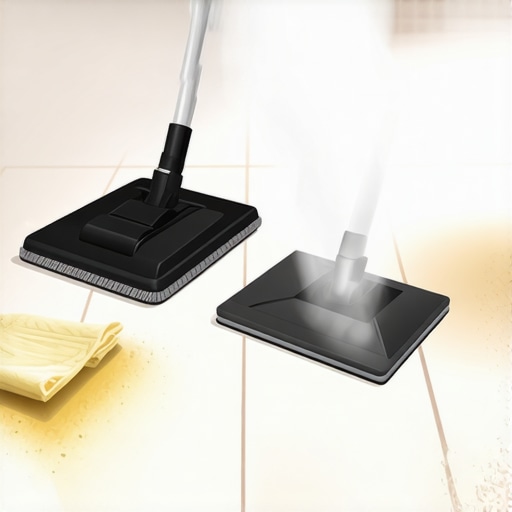
Ever swept and mopped in what felt like a futile effort, only to find your floors sticky and streaky again by midday? I’ve been there too. One day, after a particularly frustrating cleaning session where my once-pristine hardwood looked more like a slip-and-slide, I had my lightbulb moment. It wasn’t just my floors being uncooperative—it was my steam mop. That cheap, overhyped device was actually making my cleaning woes worse, not better.
That realization changed everything. If you’ve ever wondered why your steam mop leaves your floors sticky, or if you’re tired of battling streaks every time you get the mop out, then stick around. Today, I promise to reveal the underlying reasons behind this annoying phenomenon and, more importantly, how you can fix it permanently.
Understanding Why Your Steam Mop Is Leaving Your Floors Sticky
Is Steam Cleaning Really Worth the Hype?
When I first bought my steam mop, I thought I was making my life easier. The commercials promised quick, chemical-free cleaning, and I bought into the hype. But soon, I noticed that my floors looked worse after each session—sticky, streaky, and in some spots, downright grimy. Turns out, I was making a common mistake early on: using too much water or not maintaining the device properly.
One fact I came across struck me: according to cleaning experts, excess water left on floors can lead to residue buildup, which feels sticky and attracts more dirt (see effective house cleaning secrets from cleaning experts). The less water, the better your cleaning results—if done right.
This sticky situation isn’t just about water; it’s about understanding your equipment. Your steam mop isn’t a magic wand, and like any tool, it needs proper care and correct usage. Knowing the right amount of steam to produce, how to maintain your device, and choosing the right cleaning solutions are essential steps to avoid leaving a residue.
Are you currently facing the same sticky floors despite using a steam mop? If so, you’re not alone. But don’t worry—what I’ll share next will help you turn things around, restoring your floors’ natural shine without the streaks or residue. Let’s get into the practical solutions that have helped me, and many others, reclaim their clean floors.
Get the Water Balance Right
During a cleaning session, I once poured too much water into my steam mop, thinking it would double the cleaning power. Instead, the excess seeped into the flooring grains, leaving behind a sticky residue. To avoid this, always fill your steam mop with the recommended amount of distilled water, and avoid overfilling. Start with a small amount and add more if necessary, ensuring you don’t flood the surface. This precise approach prevents residue buildup and keeps your floors streak-free.
Optimize Your Technique for Best Results
Keep a Steady, Gentle Motion
When I first used my steam mop, I moved too quickly, thinking swift passes would clean faster. However, this caused uneven heat and streaks. I found that moving slowly and in overlapping strokes allows the steam to loosen dirt thoroughly and minimizes streaking. Think of it like ironing—pressing gently over creases yields smoother results. Use consistent, moderate speed, and don’t linger too long in one spot to prevent soaking the floor.
Pre-Clean for Maximum Effectiveness
Before steaming, sweep or vacuum to remove loose debris. I used to skip this step, and debris mixed with steam created a muck that adhered to the floor in sticky patches. Pre-cleaning clears out particles that could interfere with steam cleaning. For stubborn spots, spot clean with a microfiber cloth dipped in a mild, non-residue soap. This simplifies the steaming process and enhances overall cleanliness.
Maintain Your Equipment Properly
Your steam mop is like a garden tool—neglect it, and it won’t work effectively. Regularly descale the water tank with vinegar or manufacturer’s cleaner to prevent mineral buildup. After each use, empty the tank and wipe down the mop head to avoid mold and grime. I once ignored these steps, and my device started emitting smelly steam, which transferred to my floors. Proper maintenance guarantees consistent performance and prevents residues that cause stickiness.
Use the Right Cleaning Solutions
While a steam mop primarily relies on water, adding a few drops of natural cleaning agents like tea tree oil can boost antimicrobial effects. Avoid harsh chemicals or thick cleaning solutions, as these can dry into a sticky film. I experimented with diluted dish soap once, and the floors became tacky. Stick to minimal, non-residue formulations and stay within manufacturer recommendations to prevent the buildup that leads to stickiness.
Test and Adjust Before a Full Clean
Before tackling your entire floor, do a small patch test, especially on delicate surfaces. I learned this the hard way when my hardwood floor developed a dull, sticky layer after a full session. Testing ensures you’re not using too much steam or incorrect technique. Adjust your method accordingly, then proceed confidently, knowing the process will leave your floors gleaming without residue.
Perform Regular Deep Cleans
Over time, mineral deposits and residue accumulate beneath the surface. Schedule deep cleanings using descaling procedures for your steam mop and a thorough mopping session for your floors. During one such deep clean, I used a mixture of water and vinegar in my mop, which effectively dissolved mineral buildup, restoring the floor’s natural shine. Incorporate these routines regularly to prevent buildup that causes stickiness and streaks.
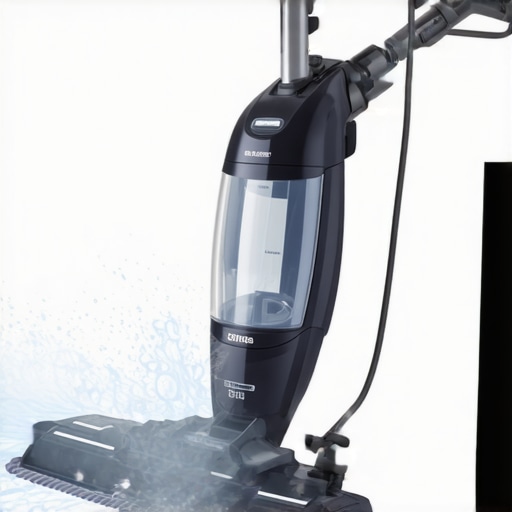
Illustration showing the correct way to fill and operate a steam mop for optimal cleaning—highlighting water levels and movement techniques.
While many believe that following standard protocols ensures a spotless home, the reality is far more nuanced. One common misconception is that sanitizing is simply about using bleach or disinfectants indiscriminately; in fact, overusing chemical cleaners can compromise both health and surfaces. For example, abundant experts indicate that excessive chemical reliance can lead to resistance buildup and surface damage, rendering sanitizing efforts less effective over time (effective house cleaning secrets from cleaning experts).
Another often-overlooked aspect is the *hidden importance of proper dwell time*. Many skip the crucial step of allowing disinfectants to sit long enough to neutralize germs effectively. According to microbiologist Dr. Susan Gerba, proper contact time is essential for effective sanitization, yet many households rush through the process, unknowingly leaving germs behind (why your bathroom still smells like urine after scrubbing).
On the upholstery front, there’s a misconception that dry brushing alone is sufficient to remove embedded dirt and bacteria. However, neglecting deep cleaning can lead to microbial buildup. Advanced techniques recommend integrating steam cleaning or specialized extraction methods, especially in homes with pets or allergy sufferers. Failing to address these nuances can result in persistent odors and allergen presence, which may exacerbate health issues.
Moving beyond basic surface cleaning, many professionals emphasize the importance of *area-specific practices*. For instance, kitchen sponge sanitation is frequently overlooked. Sponges harbor more bacteria than toilet seats—a startling fact that highlights the need for regular, rigorous disinfecting routines (why your kitchen sponge is spreading bacteria instead of cleaning). Using separate cleaning tools for different zones and replacing sponges regularly can significantly reduce cross-contamination.
Now, consider the myth surrounding move-out cleaning. Many tenants believe that a quick surface wipe is enough, but landlords often look for thoroughness. Deep cleaning kitchen appliances, behind fixtures, and interior cabinets can make or break your deposit return. Strategies like detailed checklist adherence and professional guidance can prevent deductions—don’t let oversight cost you. More about this can be found in move-out cleaning strategies to secure your deposit.
For those seeking a cleaner, healthier environment, recognizing these hidden nuances is essential. Using high-quality tools, understanding dwell times, and adhering to area-specific techniques elevate your cleaning game from mediocre to expert level. Remember, superficial cleaning not only wastes time but can also invite germs, allergens, and odors to thrive. So, before your next cleaning session, pause and consider—are you falling into any of these common traps? Let me know in the comments. Gratitude for reading, and here’s to a truly spotless home!
Maintaining your cleaning tools and adopting the right methods is essential for sustaining a spotless home over time. A well-maintained toolkit not only extends the lifespan of your equipment but also ensures consistent, high-quality results. One of my absolute favorites is the O-Cedar Microfiber Mop, which I personally use because its replaceable microfiber heads trap dust and dirt more effectively than traditional string mops. Plus, its ergonomic design reduces fatigue during big cleaning sessions. For upholstery, I recommend the Vaporetto Smart 100 B steam cleaner, valued for its portability and ability to sanitize fabrics deeply without chemical residues. This device is particularly effective for homes with pets or allergies, as steam penetrates fibers, killing bacteria and allergens at the source.
Investing in quality tools like an adjustable, high-powered vacuum with HEPA filters ensures air quality isn’t compromised during regular cleaning. I rely on the Dyson V11 Torque Drive because it efficiently captures microscopic dust particles, making it perfect for both hardwood floors and carpets. Regular tool upgrades and replacements are vital—for example, replacing vacuum filters every 6 months prevents dust buildup that diminishes suction power and releases allergens back into the environment. The same goes for descaling steam cleaners; using a vinegar solution monthly prevents mineral buildup, keeping the device operating smoothly. Remember, effective house cleaning secrets from cleaning experts emphasize the importance of routine maintenance for optimal results.
Another crucial aspect is scheduling thorough deep cleans for your tools. I suggest setting a monthly maintenance routine where you inspect, clean, and replace parts as needed. For example, wiping down the mop heads and brushes with a disinfectant cloth prevents mold and grime. Also, use manufacturer-approved cleaning solutions specifically designed for your equipment; for example, avoid harsh chemicals that can degrade steam cleaner seals or vacuum motors over time. These small actions cumulatively preserve your equipment’s functionality, reducing long-term costs and hassle.
Looking ahead, I predict a rise in smart cleaning devices equipped with IoT sensors that monitor usage patterns and predict maintenance needs automatically. This advancement will make maintaining your cleaning arsenal more intuitive and less of a chore. Staying ahead involves not only choosing quality tools but also committing to regular upkeep. A simple but effective tip I highly recommend is to keep a dedicated cleaning caddy stocked with tools and solutions ready for quick touch-ups—this encourages consistent upkeep without the hassle of hunting for supplies.
How do I keep my cleaning tools well maintained over time?
Try adopting a systematic routine where you inspect and clean your devices after each use, use manufacturer-recommended solutions, and schedule monthly descaling and filter replacements. I also suggest creating a maintenance calendar or checklist, which helps you stay on top of routine tasks. For detailed strategies, check out effective house cleaning secrets from cleaning experts. Making these habits part of your cleaning regimen guarantees your tools remain effective for years to come. Remember, your equipment is an investment—treat it with care, and it will serve you well, making every cleaning session more efficient and satisfying.
The Hidden Lessons From My Cleaning Journey
- One of the toughest lessons I learned was that overzealous scrubbing can do more harm than good; gentle, consistent efforts win the race against grime.
- Realizing that tools matter—investing in quality, well-maintained equipment transforms cleaning from a chore into a rewarding routine.
- I’ve discovered that understanding the science behind residues and bacteria enables me to choose smarter cleaning methods that truly make a difference.
- Patience and regular upkeep are my best allies—quick fixes fade, but consistent habits build lasting cleanliness.
Navigate Your Cleaning Arsenal with Confidence
My trusted toolkit includes the expert-approved cleaning secrets that guide me on selecting tools and solutions. The upholstery cleaning tips have revolutionized how I care for my furniture, ensuring freshness without harsh chemicals. For move-out preparations, my move-out cleaning strategies have saved me from deposit disputes. Each resource directs me toward smarter, safer, and more effective cleaning practices that I trust and recommend.