

I remember the day I realized I’d been missing crucial spots in my cleaning routine—imagine scrubbing tirelessly, only to find that the flu virus could still be lurking in places I never thought to clean. That lightbulb moment hit me hard during last year’s flu season when I started noticing recurring colds in my household despite regular cleaning. It made me wonder: are there hidden spots we overlook that could be serving as breeding grounds for germs?
Why These Forgotten Spots Matter More Than You Think
Most of us focus on the obvious areas—kitchen counters, bathroom tiles, doorknobs. But during flu season, the real danger lies in those overlooked nooks and crannies that harbor bacteria and viruses. In fact, according to a study published by the Centers for Disease Control and Prevention, flu viruses can survive on surfaces for up to 48 hours if left uncleaned. That’s enough time for germs to spread from a forgotten spot to every corner of your home.
Thinking back, I made a mistake early on—ignoring places like the dishwasher filter or the crevices around the toilet, thinking they weren’t worth the effort. Spoiler: they absolutely are. Cleaning those tiny, hidden spaces can drastically cut down germ transmission, and I’m here to help you avoid my rookie mistakes.
So, if you’re tired of feeling like your house is a germ playground, let’s explore the most common, yet easily forgotten, areas that could be making your flu season worse. Ready to discover what you’re missing and how to tackle it effectively? Keep reading, because this post will give you actionable tips to make your sanitizing game stronger than ever.
Start with a Detailed Inspection
Before diving into cleaning, walk through your home and identify hidden areas often skipped. Recall the time I found mold behind the washing machine gasket—an area unseen but heavily contaminated. Use a flashlight to spot dark corners, crevices, and less-accessed spots.
Gather Your Tools and Supplies
Equip yourself with microfiber cloths, disinfectants, brushes, and gloves. For stubborn grime, an old toothbrush can do wonders. Keep these within arm’s reach to streamline your process and avoid multiple trips.
Disinfect High-Touch and Hidden Surfaces
Spray an EPA-approved disinfectant on overlooked places like light switches, door handles, and faucet aerators. Let it sit for the recommended time to activate germ-killing agents. Remember, a quick wipe isn’t enough—thorough coverage is crucial.
Target Specific Problem Areas
Clean the Dishwasher Filter
The disgusting buildup in the filter can harbor mold and bacteria. Remove it, soak in hot water with vinegar, then scrub with a brush. Check out this guide for detailed steps. Reassemble and run a sanitation cycle.
Scrub Behind and Under Appliances
Use a long-handled duster or microfiber mop to reach behind the fridge, washing machine, and dryer. These areas trap dust, lint, and spores that can circulate in your home. I once used a broom to sweep behind my stove—an easy way to remove accumulated debris.
Focus on Crevices and Seals
Pay special attention to corners, window tracks, and sealant edges where dust and bacteria settle. For instance, clean the rubber gasket around your washing machine door with a damp cloth dipped in a disinfectant solution.
Deep Clean Upholstery and Soft Surfaces
Fabric items can harbor germs too. Use a vacuum cleaner with an upholstery attachment, followed by a fabric-safe disinfectant spray. For couches, avoid steam cleaning silk upholstery—learn why. Instead, opt for dry methods or professional cleaning if needed.
Don’t Forget the hidden dust traps
Heavily overlooked spots like the tops of door frames, ceiling fan blades, and air vents collect dust that can aggravate allergies or support germ growth. Use extended duster poles and vacuum attachments to reach these areas safely.
Sanitize and Seal the Cleaning Effort
Finish by applying a disinfectant spray on all targeted areas. For added protection, consider sealing high-touch surfaces with an appropriate protective layer, especially in homes with vulnerable individuals. Repeat this process regularly, especially during flu season.
Many homeowners and renters believe that a quick surface clean suffices for move-out or deep cleaning. However, in my experience, this approach often overlooks crucial nuances that can make or break your cleaning success. A prevalent myth is that disinfecting only high-touch areas is enough—yet, bacteria and viruses can hide in the smallest crevices, which many mistakenly neglect. For example, the secret to a thorough move-out clean is paying attention to overlooked spots like the trash can interior or beneath appliances. Failing to do so may lead to losing your security deposit, even after seemingly thorough cleaning; check out these strategic tips to ensure nothing slips through the cracks.
Another common misconception is that upholstery cleaning doesn’t impact health as long as the fabric looks clean. But soft furnishings can trap allergens, bacteria, and mold spores, which are not visible to the naked eye. Many fall into the trap of cheap spot cleaning, believing that the stain is the only concern. Yet, using inappropriate cleaning methods can embed dirt further or even damage delicate fabrics. For high-quality tips on fabric revival that also enhance hygiene, explore these upholstery cleaning strategies.
Navigating the cleaning process at a deeper level involves understanding the importance of sanitizing not just surfaces but also the air and soft materials. It’s a mistake to ignore the potential for airborne bacteria in poorly ventilated areas. Furthermore, many people forget that chemicals themselves can be a source of indoor pollutants if not used correctly. For instance, using too much bleach can damage your property and pose health risks. The key is to apply sanitizing hacks that are both effective and safe, as discussed in these sanitizing tips.
But what about the advanced techniques that professionals swear by? For sophisticated home improvement, consider heat-based disinfection methods like steam cleaning. Yet, even these have pitfalls—such as damaging delicate upholstery like silk, which is why experts advise caution. Interestingly, recent studies confirm that steam alone may not be sufficient to eradicate all bacteria unless combined with appropriate disinfectants—a nuance many overlook. Check out this analysis for more insights.
Have you ever fallen into this trap? Let me know in the comments. Understanding these hidden nuances helps you avoid common mistakes and achieve truly thorough cleaning, safeguarding your home and peace of mind.
Keep It Working: Essential Tools for Lasting Cleanliness
Investing in the right equipment can make all the difference in maintaining a pristine home. My go-to tool is the corded HEPA vacuum cleaner; it ensures deep extraction of dust, pet hair, and allergens without the inconvenience of batteries dying mid-clean. For upholstery, I rely on a professional-grade upholstery steamer that uses low moisture to avoid damage, especially on delicate fabrics like silk, which, as research indicates, should never be steamed at home (learn more here). These tools help me achieve results that last longer, saving time and money in the long run.
Automate for Efficiency and Consistency
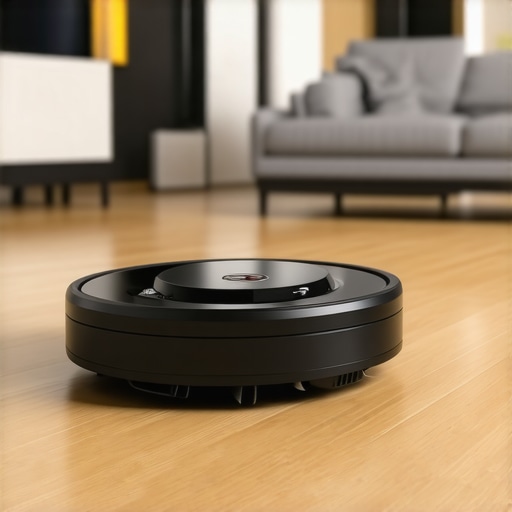
Using smart cleaning devices, such as robotic vacuums equipped with mapping capabilities, allows me to set regular schedules that keep hard floors free of debris daily without manual effort. These gadgets are continually improving; future trends suggest integration with AI to better detect and target hidden areas or high-traffic zones, aligning with the growing demand for smart cleaning solutions. Exploring these options now can provide a significant advantage for those aiming for long-term cleanliness.
How do I maintain my cleaning arsenal over time?
Consistent maintenance of tools is essential. Regularly replacing filters, cleaning brushes, and lubricating moving parts ensures optimal performance. For example, a clogged vacuum filter reduces suction, making cleaning less effective and more energy-consuming. Establishing a routine inspection schedule and following manufacturer guidelines—like those detailed on professional cleaning secrets—will extend your equipment’s lifespan and maintain its effectiveness. Remember, well-maintained tools are your foundation for ongoing cleanliness and health.
Scaling Up and Long-Term Results
From deep cleaning carpets during move-outs to regular sanitizing of soft and hard surfaces, keeping your home in tip-top shape requires a strategic approach. Incorporate those advanced techniques—such as steam cleaning and high-grade disinfectants—into your routine periodically to combat unseen germs. It’s also helpful to document your cleaning schedule to monitor progress and spot areas needing extra attention, paving the way for truly lasting results.
Looking Forward: The Future of Home Maintenance
Emerging technologies like AI-powered cleaning Robots and waterless sanitizing systems promise even greater efficiency and health protection. As these innovations become more widespread, maintaining a safe, germ-free environment will become easier and more accessible, empowering homeowners to take charge of their space with less effort. Embracing these tools now not only saves time but prepares you for a smarter, cleaner future.
The Hardest Lessons I Learned About Move-Out Cleaning and Sanitizing
One of the most eye-opening experiences I had was realizing that my routine wasn’t enough to truly sanitize the space for the next occupant. Overlooking tiny spots like the inside of kitchen drawers or behind appliances cost me my security deposit a couple of times. It taught me that meticulousness truly pays off.
I once believed that disinfecting visible surfaces was sufficient, but I discovered that bacteria and mold thrive in unseen cracks and crevices. Learning to inspect every corner with a keen eye made all the difference in my cleaning results and my peace of mind.
Another lesson came from neglecting soft furnishings during move-out. I used to think a quick vacuum was enough, until I learned how allergens and microbes hide deep in upholstery. That’s when I started prioritizing professional tips and tools, leading to deeper, healthier cleans.
Where to Go from Here: Tools and Insights
For reliable, effective resources, I recommend expert cleaning secrets that have transformed my approach, and the versatile upholstery cleaning tips which help me maintain soft surfaces with confidence. Additionally, exploring innovative gadgets like smart vacuums has made my routine more efficient and consistent.
Reading about real-life experiences shared by experienced cleaners has provided me invaluable insights that saved time, effort, and money—especially during move-out processes where every detail counts. Even small investments in quality tools and knowledge pay off in achieving a germ-free, spotless home.
Your Turn to Make a Change
Remember, thorough move-out cleaning and sanitizing isn’t just about appearances—it’s about creating a healthy environment for the next person who moves in. Embrace the nuances, use the right tools, and don’t settle for surface-level efforts. Your home’s cleanliness, your peace of mind, and even your security deposit depend on it. Let’s make every corner count!
What’s one hidden spot you’ve overlooked during your last deep clean? Share your experiences below—I’d love to hear your stories and tips!
.