
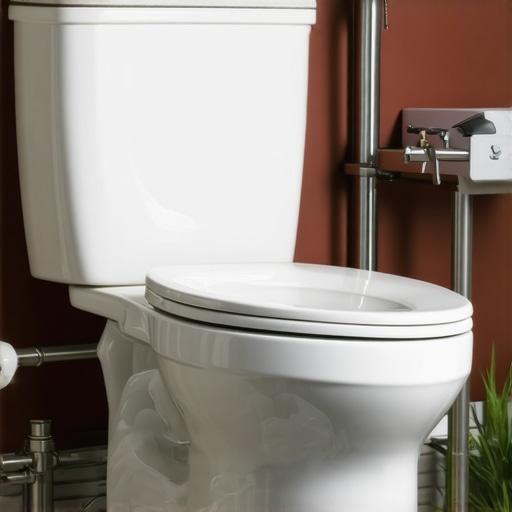
It happened during a hurried move-out clean—my heart sank when I caught sight of that telltale spot behind the toilet. You know, that little corner no one thinks about until the landlord’s inspection notice drops into your mailbox. Suddenly, it becomes the make-or-break area for your security deposit.
Why That Tiny Crack Could Cost You Big Time
I’ve been there—scrubbing, sweeping, praying that my efforts would pass inspection. But honestly, I ignored the most overlooked spot in my bathroom for way too long. That’s when I realized the importance of paying attention to those hidden corners, especially behind the toilet. Landlords check these areas first because they reveal the true state of your cleaning habits and the overall hygiene of your home.
Why does this matter? Well, studies show that areas we often neglect harbor the most bacteria, including E. coli and Salmonella, which can cause serious health issues (source: Spotless Carpetz). Plus, a clean behind-the-toilet spot not only prevents health hazards but also helps you avoid costly deductions or the dreaded re-clean fee when the landlord comes knocking.
If you’re like me, you might have made the mistake early on of relying solely on surface cleaning—wiping the visible toilet bowl or mopping the floor. Big mistake. Dirt and grime tend to settle in those hard-to-reach nooks and crannies, especially behind the toilet base where dust and residue accumulate over time. Ignoring this spot could be the reason your cleaning efforts fall short during inspections.
Now, I’ll walk you through the steps I finally discovered that made all the difference. No more surprises when the landlord whispers about “potential damages” or extra cleaning charges. Ready to turn your bathroom from a hidden disaster area into a showplace? Let’s get started.
Tackle the Hidden Nooks with Precision
To effectively clean behind the toilet, start by turning off the water supply and flushing to empty the bowl. Use a disposable glove and grasp a sturdy sponge or microfiber cloth dipped in a mixture of warm water and a mild bathroom cleaner. Gently scrub the concealed corners, paying close attention to the base and any visible grime buildup. For tough stains, apply a paste of baking soda and vinegar, letting it sit for 5 minutes before scrubbing. This approach loosens stubborn dirt and minimizes abrasive damage.
Dislodge Dust and Residue Efficiently
Once you’ve scrubbed, use a flexible brush or toothbrush to reach tight spots around the base and behind the pipe fittings. Think of it like excavating hidden treasure—careful probing uncovers years of dust and residue that regular mops miss. After cleaning, rinse your cloth frequently in clean water to avoid spreading dirt back onto surfaces. Remember, consistency is key: tackling this area at least once every two weeks prevents grime from becoming ingrained.
Deep Sanitize for a Spotless Finish
Following the physical cleaning, apply a disinfectant spray or a solution of diluted bleach (1 part bleach to 10 parts water) to all cleaned surfaces. Allow it to sit for 5-10 minutes before wiping with a clean cloth. This step ensures bacteria like E.coli and Salmonella are eradicated, protecting your health and making sure your landlord is impressed. To keep the space hygienic, don’t forget to sanitize the toilet seat, handle, and surrounding tiles as well.
Dry and Inspect for Missed Spots
After disinfecting, thoroughly dry the area with a fresh microfiber cloth—moisture can harbor mold or cause mildew. Examine your work: check for missed spots, especially beneath the toilet base and around pipes. A well-dried, spotless surface not only looks good but also prevents future stains and odors. When done correctly, this routine can turn a neglected corner into a shining example of excellent cleaning—one that guarantees your deposit stays intact.
Integrate Regular Checks into Your Routine
To prevent last-minute stress before moving out, schedule a bi-weekly inspection of this hidden area. Use the same cleaning method, adjusting disinfectant applications as needed. For added efficiency, consider using a service-quality microfiber cloth recommended by experts—that way, you maximize cleaning power while minimizing waste Learn why microfiber matters. This proactive approach helps you stay ahead of grime buildup and ensures your bathroom remains pristine for future inspections or visits.
Many homeowners believe they know the basics of thorough cleaning, but in reality, there’s often more to it than meets the eye. Common myths, like the idea that using generic cleaning products guarantees a spotless home, can lead to overlooked areas that harbor bacteria and grime. For instance, relying solely on surface wiping might make you think you’re done, but neglecting deep-cleaning behind appliances or in hidden corners allows dirt and pathogens to persist. An advanced mistake is assuming that sanitizing alone is enough—without understanding the importance of physical removal of residues. Studies from cleaning experts highlight that combining mechanical scrubbing with disinfectants yields the best results, especially in preventing the spread of germs (source: Effective House Cleaning Secrets).
Investing in Quality Equipment for Lasting Results
When it comes to maintaining a pristine home, the right tools truly make all the difference. I personally swear by a high-quality steam cleaner, like the Vaporetto Smart 100 B, which I use weekly on upholstery and stubborn spots. Its continuous steam output, adjustable pressure, and chemical-free operation allow me to sanitize deeply without harsh chemicals, extending the longevity of my fabrics and surfaces. Additionally, a commercial-grade microfiber mop, such as the O-Cedar Microfiber Spin Mop, ensures efficient cleaning of floors without residue buildup. These tools are an investment that pays off over time by reducing the need for frequent replacements and deep cleans.
Predicting Future Cleaning Trends
The future of home maintenance points toward smarter, automated solutions. Robots like the robot vacuums with mapping and scheduling capabilities are increasingly capable of maintaining floors autonomously, saving time and ensuring consistent cleanliness. Moreover, innovations in antimicrobial fabrics and self-sanitizing surfaces could revolutionize household hygiene—making routine maintenance more effective with less effort.
How do I keep my cleaning equipment in top shape?
To maintain your tools’ effectiveness, regular cleaning and proper storage are essential. For example, after using your steam cleaner, always drain excess water, descale if necessary (especially in hard water areas), and store it in a dry place. Microfiber cloths should be washed in warm water with mild detergent and air-dried to preserve their fibers, which are critical for trapping dirt and bacteria effectively. Furthermore, inspecting your tools periodically for wear and replacing parts like brushes or filters prevents them from becoming breeding grounds for germs or losing efficiency. This proactive approach ensures your equipment remains reliable and can tackle deep cleaning tasks whenever needed.
The secret to maintaining cleanliness over time
Consistency is key. Establishing a weekly routine that targets high-traffic and overlooked areas—like behind the toilet or under appliances—can dramatically improve long-term results. Consider scheduling bi-weekly deep cleans for upholstery and ducts, using specialized tools like a handheld crevice vacuum for tight spots. Upholstery maintenance isn’t just about sprucing up; it’s about preventing dirt and allergens from settling in. Adopting a proactive mindset and investing in the right equipment will make routine maintenance feel less daunting and more manageable, cultivating a healthier home environment.
Remember, adopting advanced techniques—like regularly descaling your steam cleaner or using antimicrobial fabrics—can extend the lifespan of your home’s cleanliness and hygiene. Why not try the method of descaling your equipment monthly? It’s a simple step that can significantly enhance performance and prevent the buildup of mineral deposits that hinder effectiveness. Keeping your tools in prime condition ensures that each cleaning session is as efficient and thorough as possible—saving you time and effort in the long run.
The Costly Truth Behind Overlooked Tiny Spaces
One overlooked corner behind the toilet can silently erode your peace of mind during move-out inspections. My realization came after countless re-cleaning attempts that still left stubborn grime lurking in those stubborn spots—proof that neglecting hidden areas can lead to unnecessary deductions.
Deep-clean those secrets no one shows you—the spaces behind and beneath fixtures are battlegrounds where dirt, germs, and residues converge. Regular attention here isn’t just about appearance; it’s about health, hygiene, and protecting your deposit.
Empowering Tips That Changed My Routine
Incorporating targeted scrubbing techniques with the right tools, like flexible brushes and disinfectants, transformed my bathroom maintenance. Incorporating insights from professional cleaning secrets has made all the difference, ensuring nothing escapes my attention.
Scheduling bi-weekly checks and embracing microfiber tools help me stay ahead of grime, saving time and money. This proactive mindset ensures my bathroom always looks its best—no surprises during inspections.
Harnessing Knowledge to Achieve Even Better Results
Understanding myths about cleaning—like the idea that surface wiping suffices—has empowered me to adopt more thorough methods, combining physical scrubbing with sanitization. The harmony of these steps aligns with expert advice, leading to healthier, spotless spaces.
Investing Wisely in Your Cleaning Arsenal
High-quality equipment, such as steam cleaners and microfiber mops, aren’t just luxuries—they’re essentials that deliver deep sanitation without harsh chemicals. Tools like the microfiber cloths have become my trusted allies, making routine cleaning more effective and eco-friendly.
Future-Proofing Your Hygiene Efforts
Automated solutions like robotic vacuums, paired with innovative antimicrobial fabrics, are shaping the future of home cleanliness. Staying informed about these trends can streamline your routine, making maintenance less of a chore and more of a safeguard against hidden dangers.
How to Keep Your Tools in Prime Condition
Regular maintenance of your cleaning gear—draining, descaling, and proper storage—ensures their longevity and effectiveness. Washing microfiber cloths in warm water preserves their microfilament fibers, vital for trapping dirt and bacteria. This small investment in care yields cleaner results and healthier spaces.
Prioritizing Consistency for Long-Term Results
Developing a habit of weekly spot checks, especially in those tricky corners, transforms cleanliness from a task into a lifestyle. Using dedicated tools, like a crevice vacuum for tight spots, can prevent buildup and extend the lifespan of your bathroom fixtures. Embracing this routine cultivates a home environment that’s as hygienic as it is inviting, reducing last-minute panic before inspections.
The Inner Lessons That Changed Everything
- Ignoring hidden corners can sabotage even the best cleaning efforts—paying attention here saves money and health.
- Mechanical scrubbing paired with disinfectants eradicates stubborn bacteria that wipes alone can’t touch.
- High-quality tools are a smart investment—think microfiber cloths and steam cleaners—for lasting cleanliness.
- Staying ahead with tech, like robotic vacuums, reduces repetitive chores and enhances hygiene.
Gear Up for Success with Trusted Resources
For a deeper dive, I highly recommend reading effective cleaning strategies from professionals. Investing in quality tools like the microfiber cloths and keeping equipment in top shape is essential. Additionally, exploring upholstery maintenance tips can further improve your home’s hygiene standards.
Your Turn to Shine in Cleanliness
Now that you understand the importance of hidden corners and the power of targeted cleaning, I challenge you to re-examine your routine. Are there spots behind your fixtures waiting for your attention? Taking small steps today can lead to a healthier, more inviting home tomorrow. Remember, consistent effort saves money, time, and stress during move-out inspections.