
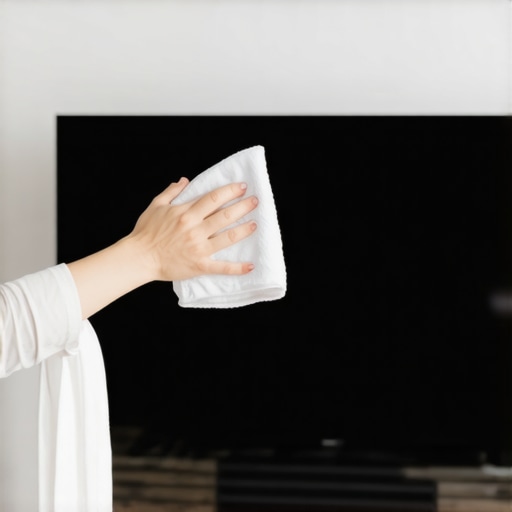
I remember the exact moment I realized my TV looked worse after I cleaned it—too many streaks, a static buildup that made it seem grimy despite my efforts. It was frustrating, and honestly, I felt like I was doing more harm than good. That lightbulb moment led me down the rabbit hole of researching how to effectively clean a flat-screen TV without leaving streaks or static build-up. If you’ve ever tried wiping down your screen only to end up with a mirror-like reflection of your cleaning cloth or a buzzing screen, then you’re not alone. The good news? There’s a better way.
Why Your Flat-Screen Deserves Better Cleaning Hacks
Many of us treat our TVs like any other dusty surface—spray, wipe, and hope for the best. But with delicate electronics and sensitive screen surfaces, a careless approach can cause more damage than good. Wrong cleaning methods can leave streaks, static, or even micro-scratches that degrade picture quality over time. I learned this the hard way early on, when I used regular glass cleaners and abrasive sponges, only to see my screen become dull and streaked. It was a rookie mistake, but an easy one to fall into.
What makes cleaning flat-screen TVs so tricky? The screens are often made of glass or delicate plastic, coated with anti-reflective layers that are vulnerable to harsh chemicals and rough handling. According to tech experts, improper cleaning can not only diminish picture clarity but also increase static build-up, attracting more dust and dirt—a cycle nobody wants.
Before you grab the next household cleaner, I recommend visiting trusted sources like [Spotless Carpetz](https://spotlesscarpetz.com/effective-house-cleaning-secrets-from-cleaning-experts) for effective cleaning secrets shared by professionals. Recognizing that I was making mistakes like spraying cleaners directly onto the screen—and using old microfiber cloths—helped me improve my technique and protect my investment.
Now, let’s explore how you can achieve a streak-free, static-free TV screen that looks brand-new. These tips are simple, effective, and won’t leave your screen looking worse than before. Are you ready to turn your TV cleaning woes into a quick and satisfying routine?
Prepare Your Area and Gather the Right Tools
Start by turning off your TV and unplugging it to avoid electric shocks and static. Clear the surrounding area to prevent dust or debris from settling on your screen during cleaning. Gather a high-quality microfiber cloth, distilled water, and a gentle cleaning solution like a mix of equal parts distilled water and white vinegar or specialized screen cleaner. Avoid using paper towels or abrasive sponges, as they can scratch delicate surfaces.
Use Proper Technique to Wipe Down
Moisten the microfiber cloth slightly with your cleaning solution—never spray directly onto the screen. Think of it as lightly dampening a fine cloth to avoid excess liquid that can seep into electronics. Gently wipe the screen in straight, horizontal or vertical strokes, applying minimal pressure. If streaks appear, switch to a dry section of the cloth or use a new clean cloth. I recall employing this method on a humid Saturday morning; the result was a clear, streak-free screen that made my shows look sharper than ever.
Address Static and Dust Accumulation
Anti-static sprays can help reduce static build-up, which attracts dust and diminishes picture quality. Lightly spray the solution onto your microfiber cloth, not directly on the TV. As static dissipates, dust particles are less likely to cling, making future cleaning easier. I once spent extra time cleaning a dusty corner of the living room, applying anti-static spray to keep the screen cleaner longer. Incorporating static control into your routine can save you from frequent, intensive cleanings.
Maintain Consistency and Caution
Cleaning your TV regularly prevents grime buildup and streaks. Establish a weekly routine: dust off the screen with a dry microfiber cloth, then do a gentle wipe with a damp cloth as needed. Avoid harsh chemicals, ammonia, or alcohol-based cleaners, which can damage anti-reflective coatings. Focus on gentle touches—like petting a delicate fabric—to preserve your screen’s integrity. I learned this after accidentally using a harsh cleaner that left my screen dull and hazy, a mistake that cost me extra time to restore it.
Final Tips for Optimal Results
Use a focused, gentle approach rather than harsh scrubbing. If stubborn spots remain, dampen a corner of the cloth with a bit more cleaner and carefully target those areas. For deep cleaning of accessories like remotes or game controllers, follow safe sanitizing practices—dipping a cloth in a disinfectant solution, then wiping thoroughly—without saturating electronics. For more advanced sanitization techniques that maintain safety and efficiency, consider visiting this guide. With patience and proper technique, your flat-screen TV can look pristine and perform at its best, enhancing your viewing experience significantly.When it comes to cleaning your home or preparing for a move, many of us assume we’re following best practices. However, even seasoned homeowners often fall into common traps that reduce effectiveness or cause unintended damage. Let’s dig deeper into some misunderstood nuances and advanced mistakes that can trip up even experienced cleaners.
Why Do So Many Believe Disinfectants Alone Are Enough to Kill Germs?
While widespread advice emphasizes spraying disinfectants generously, clinicians highlight a key oversight: the contact time required for disinfectants to work effectively. According to the CDC, many disinfectants need to remain wet on a surface for at least 3 to 5 minutes to ensure germs are eradicated, yet most people wipe immediately after application, rendering the process ineffective. This misconception is particularly problematic in high-touch areas during flu season.
Furthermore, relying solely on chemical disinfectants can be a trap. For porous surfaces like upholstery or carpets, physical removal of germs through proper cleaning methods is more effective. Use of steam cleaning or hot water extraction, as detailed in this guide, can achieve sterilization without harmful chemicals—especially important for households with vulnerable members.
Are You Making These Move-Out Cleaning Errors?
Many homeowners believe that a basic wipe-down guarantees their security deposit return. However, overlooked details like residual soap scum behind appliances or neglected grout lines in bathrooms can cause the landlord to withhold funds. One common mistake is neglecting to disinfect and deep-clean areas that appear spotless—microbial buildup often lurks in unseen cracks and corners. For example, filling small nail holes or cleaning under appliances with overlooked corners can be pivotal in passing inspection. Visiting this comprehensive article reveals strategies to ensure nothing gets missed.
Want an extra edge? Consider using high-alkaline, eco-friendly cleaning agents that break down tough grime without damaging surfaces, as recommended by cleaning experts in their secrets. Don’t forget—an organized checklist and professional-grade tools can make all the difference in securing your deposit.
Secrets to Upholstery That Most People Overlook
Upholstery cleaning is more nuanced than simply vacuuming and spot-treating stains. Many get it wrong by using improper cleaning solutions that cause fading or fabric stiffening. For instance, using too much water on delicate fabrics can lead to fiber damage or mildew growth if not dried properly. Advanced techniques involve understanding the fabric’s composition—natural fibers like wool versus synthetics require different approaches. Industry experts recommend testing cleaning solutions on hidden areas first, as outlined in this guide.
Additionally, many overlook the importance of restoring fabric texture after cleaning. Microfiber, for example, can become crunchy or matted if over-agitated. Specialized brushing tools can help revive the pile and improve appearance. If you’re curious about deeper cleaning tricks, check out this article for professional insights.
Have you ever fallen into this trap? Let me know in the comments to share your experiences or ask questions about these advanced cleaning nuances.
Tools That Keep Cleaning Effortless and Effective
Investing in the right tools can transform your cleaning routine from a chore into a quick, satisfying task. I personally swear by a high-quality, **microfiber dusting mitt** for general surfaces—its dense weave traps dust better than traditional cloths and reduces streaks on glass and wood surfaces. For upholstery, I rely on a **portable steam cleaner** like the Bissell SteamShot, which allows me to sanitize fabric furniture without saturating it, preventing mold and extending the lifespan of delicate fibers. These tools are essential because they combine effectiveness with gentle handling, safeguarding your surfaces in the long run.
How do I maintain tools to ensure long-term performance?
Regular maintenance is key. For microfiber cloths and dusters, always wash them in hot water with a bit of vinegar to remove oils and dust mites—that’s a trick I learned from cleaning experts. Avoid fabric softeners which can coat fibers, reducing their effectiveness. Steam cleaners, on the other hand, should be descaled periodically. Using distilled water prevents mineral build-up that can clog the spray nozzles and diminish steam output. Properly maintained tools last longer and perform better, saving you money and frustration over time.
Leveraging Software and Automation for Consistent Results
Beyond physical tools, I’ve integrated apps like **Tody** to schedule cleaning tasks and set reminders for deep cleans. These digital aids help me stay on top of chores without overextending myself, ensuring that maintenance remains a priority. Automated cleaning gadgets are also gaining popularity; robotic vacuum cleaners like the iRobot Roomba have become indispensable in maintaining daily cleanliness with minimal effort. While automation isn’t a substitute for deep cleaning, it creates a cleaner baseline, making occasional intensive treatments that much easier.
Where is the future heading in cleaning technology?
Expect more AI-powered tools that adapt to your home’s specific needs, optimizing cleaning schedules, and detecting problem areas automatically. Innovations like smart sensors in vacuums and mops will identify dirt buildup or areas needing extra attention, streamlining the process. This trend aims to make home maintenance seamless, freeing up your time for other priorities.
How do I keep my cleaning routines effective over time?
The secret lies in consistency and tool upkeep. Set weekly reminders to check and clean your equipment—Washing microfiber cloths and descaling steam cleaners keeps them functioning at peak performance. Incorporate these routines into your lifestyle, and over months, you’ll notice less grime, fewer streaks, and a healthier environment. Want a simple starting point? Try laundering your microfiber cloths with vinegar and avoid fabric softeners—they’re game-changers for maintaining cleaning efficacy and extending the life of your tools. For advanced advice on tool maintenance, see this guide. Making a small investment in proper tools and maintenance now will pay dividends in the form of cleaner, healthier living spaces—so go ahead, start with cleaning your microfiber cloths today and enjoy the difference it makes! 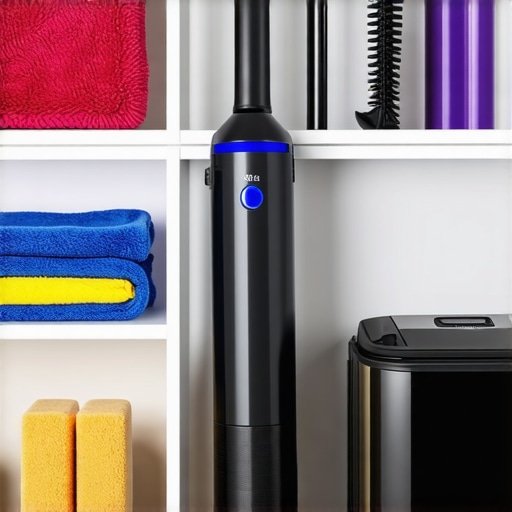
Image showing a variety of cleaning tools in a tidy storage closet, highlighting microfiber cloths, steam cleaner, and robotic vacuum, with labels and a clean aesthetic.
Learning the Hard Way About Gentle Cleaning Techniques
One of the most eye-opening lessons I learned was that even seemingly harmless cleaning methods can cause unexpected damage. I once used an abrasive sponge on my upholstered couch, thinking I was restoring its shine, only to find the fabric stiff and faded afterward. That experience taught me to always test cleaning solutions on hidden areas first, especially delicate fabrics. It’s a small step that prevents costly mistakes and preserves the integrity of my furniture for years to come.
How Overconfidence Led Me to Overlook Essential Details
Initially, I believed regular household cleaners were enough for all surfaces, but I quickly realized that specialized products and techniques are crucial. For instance, I used standard disinfectants on my high-gloss kitchen cabinets and ended up with streaks that took hours to buff out. Since then, I’ve learned that understanding specific cleaning solutions, like using a streak-free cleaner for cabinets, saves time and ensures a flawless finish. This attention to detail makes a noticeable difference in the overall cleanliness and look of my home.
Prioritizing Consistency Over Intensity
At first, I thought deep cleaning once in a while would keep my home spotless. However, I discovered that regular, small maintenance sessions—like weekly dusting and mopping—are more effective than sporadic, intensive cleaning. These consistent routines prevent build-up and help me catch issues early, such as mold or grime, before they become major problems. Setting reminders and establishing habits have transformed my cleaning approach from a chore to a manageable part of my lifestyle.
Why Investing in the Right Tools Changed My Cleaning Game
Switching from generic tools to high-quality microfiber cloths and a portable steam cleaner revolutionized my cleaning results. A microfiber cloth traps dust and dirt more effectively without scratching surfaces, while steam cleaners disinfect and freshen fabrics naturally. These investments not only improve the quality of my cleaning but also reduce the time I spend on chores. Trusting in the right tools, like those recommended in professional insights, has made my home healthier and my routine more fulfilling.
Some Resources That Truly Elevated My Approach
From books to online guides, I found several resources invaluable. The comprehensive effective house cleaning secrets taught me strategies that go beyond basic routines, emphasizing safe handling of delicate surfaces. Additionally, sanitizing hacks for safe house transitions provided tips for maintaining health during busy periods. Lastly, using tools like a microfiber dusting mitt from trusted brands keeps dust at bay and extends the life of my furniture.
Your Next Step: Embrace the Journey Toward Cleaner Living
Every small improvement, from choosing the right cleaning tools to adopting consistent routines, brings you closer to a healthier, more inviting home. Remember, perfection isn’t the goal—progress is. Take one tip from this guide today, whether it’s testing your cleaning solutions or scheduling weekly maintenance, and watch your space transform. If you’re ready to elevate your cleaning game, start now and enjoy the satisfaction of truly spotless living. Have you ever faced a cleaning mishap that turned into a valuable lesson? Share your story below and let’s learn together!