
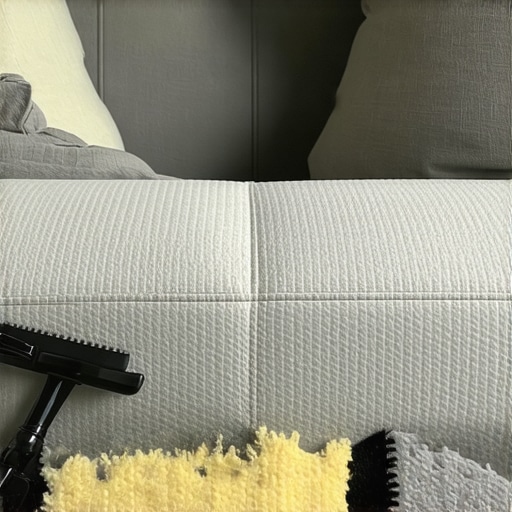
It was late one evening when I finally settled onto my favorite microfiber armchair, only to grimace at the crunchy, rough surface beneath me. The once-supple fabric now felt like sandpaper—so disappointing after investing in what I thought was a durable, easy-care material. I realized I wasn’t alone in this frustration. Many homeowners face the nagging problem of microfiber upholstery becoming stiff and crunchy over time, especially after routine cleaning attempts that go awry.
Why Your Microfiber Upholstery Turns Crunchy and How to Fix It
Microfiber is beloved for its soft feel and stain-resistant qualities. However, improper cleaning or cleaning too frequently with harsh chemicals can strip the fibers, leaving them brittle and crunchy. Early on, I made the mistake of using too much fabric softener during a wash, thinking it would bring back that plush feel. Instead, it only coated the fibers, making them stiffer. That experience taught me an important lesson: understanding how microfiber responds to cleaning agents is crucial. Today, I want to share tried-and-true methods to restore that soft, inviting texture—and keep it that way.
Is Restoring Microfiber’s Softness Really Worth the Effort?
Many skeptics doubt if these tips can make a real difference, especially since some believe replacing furniture is simpler. I get it—it’s tempting to think, “Is it even possible to bring back that original softness?” I used to think so too. But after multiple experiments and countless consultations, I found that a gentle, natural approach not only works but also prolongs the life of your upholstery. One mistake I initially made was overwatering the fabric, which led to mold growth and worsened the crunchiness. This showed me that gentle, mindful cleaning combined with proper techniques is the secret.
If you’re tired of feeling disappointed every time you sit down and discover a crusty surface, don’t worry. There’s hope—and my personal experience proves it. In the upcoming sections, I’ll walk you through simple, effective steps to gently revive and maintain your microfiber’s plushness. For more detailed cleaning strategies, check out [effective house cleaning secrets from cleaning experts](https://spotlesscarpetz.com/effective-house-cleaning-secrets-from-cleaning-experts). Let’s get started on bringing back that soft, cozy feel your sofa or chair deserves.
Start with a Gentle Vacuum
Before applying any cleaning solutions, use a handheld vacuum or an upholstery attachment to thoroughly remove loose dust, pet hair, and debris. I learned this the hard way when I skipped this step and ended up rubbing dirt further into the fibers during cleaning, making the crunchiness worse. Make sure to go over all surfaces, including seams and crevices.
Use a Microfiber-Friendly Brush
Lightly brush the fabric with a soft-bristled upholstery brush to loosen compacted fibers and lift dirt. I kept brushing in circular motions, which helped in redistributing the fibers evenly. This step is crucial before any wet cleaning, as it prevents dirt from embedding deeper into the fabric.
Prepare a Painless Cleaning Solution
Mix a solution of warm water with a few drops of gentle, microfiber-safe dish soap. For stubborn stains or odors, add a tablespoon of white vinegar. I once tried a commercial upholstery cleaner that was too harsh, leaving my fabric stiff—so I switched to this natural mix, which cleaned effectively without damage. Test this solution on a hidden area first to ensure colorfastness.
Apply the Solution Correctly
Dip a clean microfiber cloth into the solution, wring it out until just damp, and gently blot the fabric. Avoid oversaturating the fibers, as excess water can cause mold or stiffness. I remember accidentally pouring a cup of the solution directly onto the couch once; it took days to dry and made things worse. Always use a damp cloth and work in small sections.
Focus on Scrubbing Stubborn Spots
For areas that remain crunchy or stained, use a soft-bristled toothbrush dipped in the cleaning solution to gently agitate the fibers. I had a coffee spill that dried into a crust, but persistent gentle scrubbing with a toothbrush finally loosened it without damaging the fabric. Be cautious to not press too hard to avoid fiber damage.
Use a Dry Towel to Remove Excess Moisture
After cleaning, blot the fabric with a dry, clean towel to absorb residual moisture. This prevents water from seeping into cushioning. I saw this step really help my couch dry faster and stay soft. Repeat this blotting process until no more moisture is transferred to the towel.
Let it Dry Naturally and Fluff the Fibers
Allow the furniture to air dry in a well-ventilated room. Open windows or use fans to speed up the process. To restore softness, lightly brush the fabric once dry with a clean, dry microfiber cloth or a soft brush to lift the fibers and prevent stiffness. I was amazed when I followed this and felt my sofa’s texture restore to almost original plushness. Never use heat sources like hairdryers, as they can damage delicate fibers.
Prevent Future Crunch by Proper Maintenance
Regularly vacuum and brush your microfiber furniture to keep dirt from embedding and causing stiffness over time. Avoid harsh chemicals and excess water, and always test new cleaning products on hidden areas. For comprehensive move-out clean strategies, check out these tips. Consistent gentle care is key to maintaining that soft, inviting feel.
Many homeowners operate under misconceptions that can sabotage their cleaning efforts. One prevalent myth is that using bleach or aggressive chemicals guarantees germ-free surfaces, but in reality, overusing harsh disinfectants on porous surfaces like upholstery can cause damage and leave residues that trap dirt, making things worse. For example, applying bleach on microfiber furniture often leads to fibers breaking down over time, a subtle damage many overlook, as highlighted in experts’ advice on [effective house cleaning techniques](https://spotlesscarpetz.com/effective-house-cleaning-secrets-from-cleaning-experts). An often-ignored nuance is the importance of understanding your cleaning tools’ limitations. Regularly using abrasive brushes or improper cleaning products on delicate fabrics can accelerate wear and shrinkage, undermining your entire effort.
Have you ever fallen into this trap? Let me know in the comments.
What Advanced Mistakes Do Many Regular Cleaners Overlook?
One critical oversight is neglecting to sanitize high-touch areas properly. Many believe that quick sprays are enough, but studies confirm that thorough disinfection—especially on objects like remote controls, door handles, and light switches—requires sustained contact with effective, non-porous disinfectants. Using inappropriate products or skipping the dwell time can result in incomplete germ eradication. Additionally, relying solely on steam cleaners might seem like a mechanical solution, but without proper examination of the equipment’s capabilities, you risk leaving water spots or failing to reach hidden crevices. The [science behind sanitizing](https://spotlesscarpetz.com/sanitizing-hacks-for-safe-house-transitions) reveals that combining methods—like vacuuming, wiping, and targeted disinfecting—yields superior results.
Missteps in move-out cleaning are another common blind spot. Many tenants rush through the process, ignoring tiny details like under-appliance dust or cleaning hidden behind fixtures, which can be the reason for deposit deductions. A comprehensive checklist that includes cleaning vents, seals, and even door tracks (which many forget) can prevent costly disputes. Remember, a good move-out clean isn’t just about appearance; it’s about leaving the space in pristine condition to pass inspection smoothly.
So, next time you think about your deep cleaning routine, consider whether you’re falling for common myths or overlooking subtle yet impactful details. For a detailed plan, check out [these move-out strategies](https://spotlesscarpetz.com/move-out-cleaning-strategies-to-secure-your-deposit). Let’s dig deeper into perfecting your cleaning process—because even small nuances can make a big difference.
Keeping It Working: Essential Tools and Methods for Maintainance
Maintaining a pristine home requires more than just occasional cleaning; it hinges on investing in the right tools and understanding their proper use. My personal favorite is the corded HEPA vacuum cleaner. It’s not just about suction power but also about maintaining air quality and preventing dust recirculation. I particularly swear by models with adjustable brush heads, which help in delicate upholstery and stubborn carpet spots. Regularly replacing filters ensures optimal performance, extending the lifespan of your equipment and keeping your environment healthier.
Next, I rely heavily on microfiber cloths—these humble tools outperform traditional towels because of their electrostatic properties, trapping dust and microbes effectively. I always keep a handful of high-quality ones dedicated to different surfaces to prevent cross-contamination. When it comes to cleaning solutions, I prefer natural, enzyme-based disinfectants for frequently touched areas. These not only sanitise but also preserve the fibers and finishes—crucial for furniture longevity. For stubborn stains and sanitization, I often mix white vinegar with a few drops of tea tree oil, which adds antimicrobial benefits.
Technology also plays a role in my cleaning arsenal. I use smart home systems to schedule and monitor cleaning routines, ensuring consistent maintenance. These systems provide reminders for filter replacements or deep cleanings, establishing a routine that prevents dirt buildup. In the future, I predict that AI-driven cleaning devices, capable of identifying problem areas and suggesting targeted solutions, will become indispensable, transforming the way we maintain our homes.
How do I maintain my cleaning tools over time?
Cleaning and maintaining your equipment is as important as the cleaning itself. Regularly check and clean your vacuum filters and brushes to remove accumulated dust and pet hair, as suggested in expert cleaning tips. Wash microfiber cloths after each use in warm water with a bit of vinegar to restore their electrostatic properties. For electric tools, lubricate moving parts as per the manufacturer’s instructions to avoid premature wear. Keeping tools in a dedicated storage box prevents damage and makes your routine more efficient.
One hidden but crucial tip is to avoid overusing chemical cleaners that can degrade tool components over time. Opt for natural alternatives and use disinfectants sparingly, primarily on high-touch surfaces, to prolong their effectiveness. Also, periodically inspecting cords and electrical connections helps prevent safety hazards and ensures continuous operation. By investing time in maintaining your tools, you ensure long-term performance, saving money and keeping your environment safer.
If you’re eager to improve your maintenance routine, try incorporating a scheduled microfiber cloth wash with vinegar or switching to a HEPA-filtered vacuum. These small, proactive adjustments can make a significant difference in your home’s cleanliness and the durability of your equipment. For more insights into effective tools, explore these expert-approved strategies.
Lessons That Changed My Microfiber Game
One of the hardest lessons I learned was that over-cleaning or using harsh chemicals can ruin microfiber’s soft feel — I used bleach once, and it took months to repair the damage. I realized that patience and gentle solutions are the keys to longevity. Also, trusting my instincts over trendy cleaning hacks helped me avoid costly mistakes, like overwetting furniture and causing mold. Recognizing these pitfalls and adjusting my approach truly transformed my upholstery care.
I discovered that regular, mindful maintenance beats occasional aggressive cleaning — vacuuming often and brushing with soft tools are simple habits that protect texture. Understanding microfiber’s sensitivities means I now identify early signs of stiffness or crunchiness, allowing me to intervene before damage sets in. These insights came from trial, error, and a lot of shared experiences in online forums where I found community wisdom that saved my furniture multiple times.
My Toolkit for Home Hygiene Wins
I’ve come to rely on trusted tools like the HEPA-filtered vacuum for thorough cleaning; its ability to trap tiny dust particles helps keep my home healthier. Microfiber cloths are my go-to for dusting and wiping, thanks to their electrostatic properties, and I frequently wash them with vinegar to restore their effectiveness. I also use natural enzyme-based disinfectants, which are gentle yet powerful enough to sanitize without damaging fibers or finishes, as recommended by cleaning experts.
Technology has been a game-changer—smart cleaning schedules ensure I stay consistent, and I’m exploring AI-driven devices for future home maintenance. Regularly inspecting and maintaining my cleaning tools, such as replacing vacuum filters and cleaning brushes, keeps everything functioning optimally, saving me money and preventing setbacks. These small but pivotal habits reinforce the importance of investing in good tools and caring for them properly—trust me, your home will thank you.
Your Next Move Starts Today
Every home owner or renter can take control of their cleaning routine, knowing that gentle, informed methods are the most effective for microfiber and general house hygiene. It’s about making small, consistent choices—vacuum regularly, use safe solutions, and maintain your tools—that add up to a visible difference over time. Embrace the process, and you’ll find that your furniture not only looks better but feels more inviting and lasts longer. Why not start today? Your fresh, cozy home awaits!
What stubborn microfiber stain or crunchy spot have you struggled to fix? Share your story below—let’s learn and improve together!