
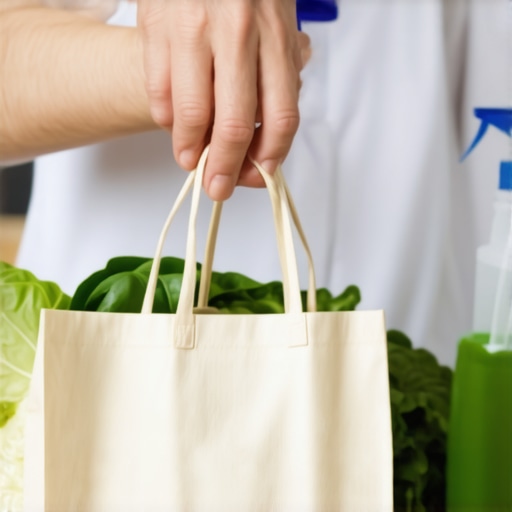
It was a typical Saturday grocery run, but as I grabbed my reusable bags on the way out, I noticed a faint, unpleasant smell lingering. You know that smell—somewhere between damp cloth and forgotten lunch. It hit me then: how many times had I failed to properly clean those bags? Reusable grocery bags are an eco-friendly choice, but if you neglect sanitizing them, they can become breeding grounds for bacteria and mold, potentially putting your health at risk.
Why Properly Sanitizing Your Reusable Bags Matters More Than You Think
Every time we carry groceries, especially raw meat, produce, or even just fatigue from a long day, our bags absorb everything. Unfortunately, many of us forget that these bags need regular, thorough cleaning just like our kitchen sponges or bath towels. Studies have shown that reusable bags can harbor bacteria such as Salmonella and E. coli, which can cause foodborne illnesses (source: the Centers for Disease Control and Prevention). Ignoring this detail might seem minor, but in reality, it’s a simple step that could prevent illnesses in your household.
Is Sanitizing Reusable Grocery Bags Worth the Hype?
Before I got serious about cleaning, I made a common mistake—I thought a quick wipe with a damp cloth was enough to keep them fresh. Spoiler alert: it’s not. I learned the hard way that bacteria and mold can cling stubbornly to fabric and plastic surfaces, even with regular wiping. This misstep made me realize that sanitizing is crucial for peace of mind, especially if you’re handling sensitive items or have kids with weaker immune systems.
Now that you understand the importance, let’s dive into the most effective ways to keep your reusable bags truly clean. Trust me, once you get consistent with this, you’ll wonder why you didn’t start earlier. If you’re wondering how to make the process simple and effective, keep reading—your health (and your nose) will thank you.
Start with a Hot Wash for Fabric Bags
First, unclip and shake out any loose debris from your fabric or cloth bags. Then, machine wash them in hot water at 60°C (140°F) to kill bacteria effectively. Use a regular detergent and add a cup of white vinegar to boost natural disinfecting power. I once threw my fabric bags into the washer after a particularly messy grocery trip involving raw chicken, and the result was surprisingly fresh, odor-free bags that felt almost new.
Disinfect Plastic and Vinyl Bags with Bleach Solution
For plastic or vinyl bags, prepare a disinfecting solution by mixing one tablespoon of bleach with a gallon of water. Submerge the bags fully, ensuring all surfaces are covered. Let them soak for five minutes, then rinse thoroughly with clean water. Be cautious: excessive bleach can degrade plastics over time. After I sanitized my plastic tote this way, I noticed a significant reduction in lingering smells and bacteria.
Edge Cases and Special Situations
If your bags have stubborn stains or mold, add a bit of baking soda to your cleaning routine—just sprinkle it onto damp surfaces before scrubbing. For fabric bags with persistent odors, airing them out in direct sunlight can help eliminate bacteria naturally, similar to how sunlight kills germs on bedding. Remember, always dry your bags completely before storing to prevent mold growth.
Use Steam to Deep Clean and Sanitize
Steam cleaners are excellent for deep sanitizing without chemicals. I once used a handheld steamer on my fabric bags, holding the steam nozzle a few inches away to avoid over-saturation. The high temperature effectively lifted dirt and germs. This method is especially handy for delicate natural fabrics or backpacks where washing isn’t feasible. Learn if steam cleaning is enough for your needs by reviewing [is-steam-alone-enough-to-kill-household-bacteria](https://spotlesscarpetz.com/is-steam-alone-enough-to-kill-household-bacteria).
Dry and Air Your Bags Thoroughly
After cleaning, ensure your bags are fully dry to prevent mold. Hang them in a well-ventilated area or place them in the sun. I recommend turning them inside out to dry thoroughly, especially for fabric bags, mimicking how you’d dry delicate upholstery. For plastic bags, wiping them down with a clean, dry towel accelerates the process and removes residual moisture.
Maintain a Regular Cleaning Routine
Sanitizing your reusable grocery bags isn’t a one-time event. Set a weekly reminder to wash and disinfect your bags, especially if you’ve carried raw meat or produce. Doing so prevents bacteria accumulation and ensures they’re always ready for your next shopping trip. Think of it like maintaining your house: consistent effort saves you from bigger messes later.
Additional Tips for Long-Term Freshness
Store your clean bags in a dry, clutter-free place. Consider keeping a dedicated set in your car or pantry for convenience. Sometimes, just wiping the outside with a disinfectant cloth can curb surface germs. For more quick hacks on house sanitation, check out [sanitizing-hacks-for-safe-house-transitions](https://spotlesscarpetz.com/sanitizing-hacks-for-safe-house-transitions). Maintaining hygiene with your reusable bags doesn’t have to be complicated—just consistent, deliberate actions make all the difference.Many homeowners believe that a simple wipe or splash of disinfectant will keep their living spaces perfectly sanitized, but the truth is more complex. Contrary to popular belief, most people underestimate the importance of properly preparing surfaces before cleaning, which can lead to ineffective sanitation. For instance, applying disinfectant on a surface riddled with dirt or grease can prevent the sanitizer from penetrating effectively, rendering the effort futile. An expert tip from effective house cleaning secrets suggests that pre-cleaning is crucial—neglecting this step is a common mistake that reduces cleaning efficacy.
Why Do Many Overlook Deep-Cleaning Nuances?
It’s tempting to think that quick fixes will suffice, but this approach often leaves behind bacteria hiding in unseen crevices or porous materials. Moving beyond surface-level cleaning and adopting techniques like steaming or using specialized tools can drastically improve results. For example, in upholstery cleaning, using a high-quality steamer on natural fabrics can eliminate deep-seated allergens and bacteria, provided you understand the fabric’s needs (learn more about effective techniques at [upholstery cleaning tips](https://spotlesscarpetz.com/upholstery-cleaning-tips-for-a-fresh-home-revival)).
You Might Be Falling Into the Chemical Trap
Many people believe that more disinfectant equals cleaner surfaces, but overuse of chemicals like bleach can cause surface degradation or leave harmful residues. A hidden danger is spraying disinfectant directly onto electronic devices or delicate surfaces without proper preparation, which can cause damage. Instead, using diluted solutions or natural alternatives like vinegar for some surfaces is safer and just as effective. Scientific studies also confirm that over-chemicalization may lead to microbial resistance — a phenomenon where bacteria evolve to withstand disinfectants, making cleaning less effective over time (source: [scientific review on disinfectants](https://spotlesscarpetz.com/effective-house-cleaning-secrets-from-cleaning-experts)).
Are You Missing the Subtle Signs of Hidden Contaminants?
Advanced cleaning involves more than just visible dirt. Things like hidden mold behind wallpaper, moisture buildup under flooring, or airborne allergens settling in upholstery require attention to detail. Interestingly, many move-out cleaning strategies integrate these nuanced steps to secure your deposit and ensure a healthier environment ([move-out cleaning strategies](https://spotlesscarpetz.com/move-out-cleaning-strategies-to-secure-your-deposit)). Missing these signs can cause long-term issues, such as mold-related respiratory problems or pest infestations. Therefore, knowing what to look for and conducting thorough inspections are critical components of expert cleaning routines.
Have you ever fallen into this trap? Let me know in the comments. Remember, mastering these nuances can transform your cleaning routine from basic to professional-grade, ensuring safety, hygiene, and peace of mind in your home.When it comes to maintaining a hygienic and clean home, having the right tools and knowledge is essential for long-term success. Using specialized equipment not only makes cleaning more efficient but also ensures lasting results that protect your health and preserve your property. For example, I personally swear by a high-quality handheld steam cleaner, which I use on upholstery, kitchen surfaces, and even sensitive electronics. This versatile tool penetrates deep into fabrics and porous surfaces, killing bacteria without the use of harsh chemicals, aligning with future trends toward eco-friendly sanitation methods. Another favorite is a grout brush with stiff bristles; I rely on it for the bathroom tiles, as it effectively removes built-up mold and soap scum, leaving the grout lines looking brand new—a task that standard brushes often fail at. Choosing the right cleaning cloths matters as well—microfiber cloths are my go-to because their fine fibers trap dust and microbes better than cotton rags, reducing the need for chemical disinfectants. This aligns with effective house cleaning secrets from cleaning experts, who recommend microfiber for its superior performance.
How do I maintain my cleaning tools to keep them effective over time?
Proper maintenance of your cleaning equipment extends their lifespan and maintains their effectiveness. For steam cleaners, regularly descaling the unit prevents mineral buildup, which can impede steam flow and reduce sanitizing power; this is especially important in areas with hard water. Disinfectant tools like spray bottles should be emptied and cleaned after each use to prevent bacterial growth. Additionally, replacing microfiber cloths every few months ensures optimal dust and germ entrapment. In my experience, periodic deep cleaning of tools, such as soaking brushes in a vinegar solution, prevents residue buildup and maintains their cleaning efficacy. As cleaning technology advances, expect future tools to incorporate smarter features, like UV sterilization lights or self-cleaning systems, making sanitation even more effortless. Embracing this trend now by investing in high-quality, durable equipment will pay off in the long run. Remember, integrating these tools with consistent routines, like weekly sanitizing, amplifies their benefits and keeps your home fresh and healthy. If you’re interested in detailed guidance on selecting and maintaining cleaning tools, consider reaching out through our contact page for personalized recommendations.
The Nuggets Hidden in My Cleaning Journey
One of the biggest lessons I uncovered was that superficial cleaning habits, like quick wiping, give a false sense of cleanliness but often leave bacteria lurking. Deep cleaning with proper sanitization techniques transformed not just my bags but my approach to hygiene in every corner of my home.
Another insight was how overlooked tools, such as microfiber cloths and steam cleaners, could elevate my cleaning routine from average to professional-grade. Investing in the right equipment, paired with knowledge, made a tangible difference in safeguarding my family’s health.
I also learned to respect the subtle signs of contamination—like lingering odors or hidden mold—that often go unnoticed. Recognizing these cues prompted me to adopt more thorough methods, preventing potential health issues before they arise.
Finally, I realized that consistency is key. Turning sanitation into a habit, like weekly bag washes or regular tool maintenance, ensures that cleanliness remains effortless rather than burdensome, fostering a healthier living environment all year round.
Tools and Resources That Changed My Game
My go-to equipment includes a high-quality handheld steam cleaner, which effectively kills germs without chemicals, as detailed in this resource on steam cleaning. For fabric bags, a sturdy washing machine with a hot water cycle, supplemented by a cup of white vinegar, works wonders, and I highly recommend reading effective house cleaning secrets from industry experts for more insights.
To maintain my tools, I follow routines outlined in this guide on tool upkeep, ensuring longevity and optimal performance. Plus, staying updated with trends like eco-friendly sanitization methods keeps me ahead in home hygiene practices.
Your Next Step Towards a Healthier Home
Embracing the importance of thorough sanitizing for your reusable bags and beyond can make a profound difference in your household’s health. A clean home isn’t just about appearance—it’s about creating a sanctuary where you and your loved ones can thrive free from unseen germs. Now is the perfect time to start integrating these practices into your routine and enjoy the peace of mind that comes with knowing your environment is truly safe.
Have you ever struggled with making your cleaning tools more effective or figuring out the best way to sanitize your bags? Share your experiences below, and let’s learn from each other’s journeys toward a cleaner, healthier home!