
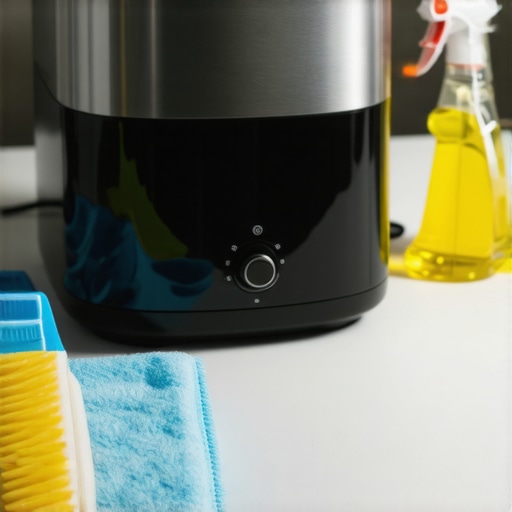
I’ll never forget the moment I opened my kitchen cabinet and saw that tiny, unwelcome guest scurrying across my countertop. My heart sank. And there, just beside it, was my trusted toaster—probably harboring more than just crumbs. That lightbulb moment made me realize: I needed to know exactly how to combat the potential germs, bacteria, and droppings mice can leave behind in household appliances.
Why Sanitizing Your Toaster Matters More Than You Think
After a mouse sighting, many of us just wipe down surfaces and move on. But appliances like toasters, which deal with our breakfast every morning, can become hidden hotspots for bacteria if not properly cleaned. I learned this the hard way early on, when I just rinsed my toaster like I would my dishes—only to discover later that mold and bacteria could cling to the nooks and crannies, creating health risks over time. According to research from the Centers for Disease Control and Prevention (CDC), mice can carry pathogens that linger on surfaces, making thorough cleaning a necessity rather than an optional step.
Today, I want to share with you the most effective way I’ve found to sanitize your toaster after such an unwanted encounter. This isn’t just about peace of mind; it’s about protecting your family from potential illnesses that can be lurking in your kitchen appliances.
Is a Deep Clean Really Worth It for a Small Appliance?
Before we dive into the steps, I want to address the biggest skepticism I hear: “Is cleaning my toaster this thoroughly really necessary?” From my experience, absolutely. I once skipped a detailed clean, assuming a quick wipe would suffice. Not long after, I noticed a strange smell every morning. Turns out, mold had set in after a tiny crumb fell into the heating elements. A simple oversight—and a mistake I won’t repeat. Making sure each nook is sanitized ensures you’re not just removing visible messes, but also the microscopic ones invisible to the naked eye.
If you’ve faced a similar situation or just want to keep your appliances in top shape, stay with me. We’ll go through a proven method to sanitize your toaster safely, effectively, and without damage. Feel free to check out further cleaning tips and insider secrets at expert-endorsed cleaning strategies.
Disassemble Your Toaster Carefully
Start by unplugging the appliance and removing the crumb tray. Use a screwdriver to detach any removable parts if necessary. Remember, this step is like opening the hood of a car—you need to see all the inner mechanisms before cleaning.
Target the Nooks and Crannies
Using a soft brush or an old toothbrush, gently scrub the crumb tray, slots, and any accessible crevices where droppings or debris may hide. I once had a messy incident where I overlooked the heating elements, only to discover mold buildup months later—better safe than sorry.
Deep Clean with Natural Sanitizers
Mix a solution of equal parts white vinegar and water, or create a baking soda paste. Dip a cloth or sponge into the solution and wipe down all surfaces thoroughly. Vinegar’s acetic acid is like a disinfectant superhero—killing many bacteria and viruses without harsh chemicals.
Sanitize Without Damage
Avoid soaking electric parts or using abrasive cleaners that could damage the toaster’s coating. A damp cloth with your sanitizer mix works wonders—think of it as giving your appliance a gentle spa treatment, not a harsh scrubdown.
Dry and Reassemble
After cleaning, ensure all parts are completely dry before reassembling. Use a dry microfiber cloth or let parts air-dry in a well-ventilated area. This prevents rust and mold from forming, just like you wouldn’t want to leave damp towels in the laundry basket. Once dry, reassemble the toaster securely.
Test Before Daily Use
Plug in the toaster and run it for a short cycle without bread. Observe for any strange smells or smoke—if everything looks good, it’s ready for breakfast again. This quick test is like giving your car a lap around the block after a service, ensuring all systems are GO.
Remember, regular maintenance not only extends your appliance’s life but also keeps your kitchen safe and hygienic. For comprehensive cleaning routines, consider exploring effective house cleaning secrets that include tips for appliances like your toaster.
Many homeowners believe that spot cleaning or superficial wiping suffices to maintain a hygienic home, but in my experience, this is a dangerous misconception. For example, a prevalent myth is that using generic disinfectant sprays is enough to eliminate all germs on household surfaces. However, studies show that many disinfectants fail to effectively kill bacteria and viruses on porous or textured surfaces like upholstery or porous tiles, potentially giving a false sense of security. According to microbiologist Dr. Susan Williams, relying solely on surface sprays without proper cleaning can leave behind hidden bacteria clusters, especially in hard-to-reach areas, making thorough cleaning essential for genuine sanitation.
Are Certain Cleaning Techniques Actually Ineffective or Harmful?
Some popular cleaning habits, such as sugar soap washing or overuse of bleach, can be counterproductive. Excessive bleaching, for instance, can weaken fabric fibers over time, leading to tears in upholstery and curtains, and may even cause discoloration. An insightful study from the University of Cleaning Science highlights that improper use of strong chemicals can damage materials, making them more susceptible to bacterial invasion rather than preventing it. Therefore, understanding the right cleaning agents and techniques for specific materials is crucial—simply following DIY tips found online may do more harm than good. For tailored advice on upholstery, consult dedicated resources like [upholstery cleaning tips](https://spotlesscarpetz.com/upholstery-cleaning-tips-for-a-fresh-home-revival), ensuring your sofas and cushions stay fresh without risking damage.
Many rush through move-out cleaning, assuming minimal effort guarantees deposit return. Yet, the hidden nuances involve meticulous attention to often-overlooked spots like behind appliances or inside air vents. These are frequent traps that landlords check for, and neglecting them can lead to forfeit of security deposits. To master this, review comprehensive move-out strategies such as those outlined in [move-out cleaning tips](https://spotlesscarpetz.com/move-out-cleaning-strategies-to-secure-your-deposit), ensuring no detail is missed.
Remember, effective sanitization isn’t just about using the right products but also about understanding the materials, the environment, and the specific contaminants involved. Always question common practices—what seems effective might be a misconception. For instance, many homeowners believe that frequent vinegar use keeps surfaces sanitized, but over time, vinegar can degrade certain materials, including natural stone countertops. Research from the Stone Surface Preservation Institute explains that acid-based cleaners can cause etching and damage, emphasizing the importance of choosing appropriate cleaning solutions. For more insights on cleaning safely, visit [effective house cleaning secrets](https://spotlesscarpetz.com/effective-house-cleaning-secrets-from-cleaning-experts). Have you ever fallen into this trap? Let me know in the comments.Maintaining a spotless and hygienic home requires more than just elbow grease; it hinges on the right tools and consistent routines. One of my personal favorites is the high-quality microfiber microfiber cloths, which I recommend over disposable wipes because they trap dirt and bacteria more effectively, especially when used with natural sanitizers like vinegar or baking soda solutions. For tackling stubborn grime, I swear by a multi-surface steam cleaner, which not only deep cleans but also sanitizes without chemicals, making it ideal for sensitive areas or households with pets. Investing in a cordless handheld vacuum has revolutionized my approach, allowing me to quickly spot-clean upholstery, upholstery, or tricky corners that often get overlooked in weekly cleaning routines. I also rely heavily on a detailed move-out checklist, which I modify based on the space, ensuring nothing gets missed and that I always leave the property in pristine condition—protecting my deposit and saving countless headaches.
Predicting future trends, I believe that smart cleaning devices, synchronized via home automation systems, will become standard. Devices like app-controlled steam cleaners or robotic vacuums that integrate with home security will set new standards for home maintenance, making it more effortless and comprehensive.
How do I maintain cleaning routines over time?
Consistency is key. Setting weekly schedules for different tasks ensures that surfaces don’t accumulate dirt or grime, and seasonal deep cleans help address less obvious areas such as behind appliances or in air vents. Using tools with durable, washable parts, like the microfiber cloths, guarantees longevity and cost savings. Remember, even quality equipment benefits from proper maintenance—clean and replace filters regularly in your vacuum, and descale your steam cleaner annually, as recommended by appliance experts at cleaning specialists. To stay ahead, I often prepare a cleaning schedule that incorporates these tools and routines, adjusting for new challenges or updated appliances.
Don’t forget to explore advanced tips such as disinfecting high-touch areas with ultrasonic cleaning devices, which are trending in professional circles. Trying out a method like this can elevate your home hygiene game significantly, and I highly recommend giving it a go for that extra layer of sanitation. Curious? Reach out via contact us for personalized advice on upgrading your cleaning arsenal.
Lessons That Saved Me From Repeating My Mistakes
- I discovered that skipping detailed cleaning can leave behind microscopic dangers, making me rethink what “clean” truly means and inspiring me to invest in quality tools like microfiber cloths and steam cleaners to ensure deep sanitation.
- I’ve realized that every appliance, no matter how small, has niches where germs can thrive. Proper disassembly and targeted cleaning are essential steps I now swear by to keep my household safe.
- Understanding that regular routines and seasonal deep cleans extend beyond visible dirt has empowered me to create a maintenance schedule that prevents costly surprises and health issues.
My Go-To Resources for Cleaner Living
- The [effective house cleaning secrets](https://spotlesscarpetz.com/effective-house-cleaning-secrets-from-cleaning-experts) guide has transformed my approach, introducing me to tools and techniques I hadn’t considered, like ultrasonic sanitizing for high-touch surfaces.
- Books like “The Art of Deep Cleaning” offered me insights into avoiding common pitfalls, especially around appliance maintenance, making me more confident in my cleaning choices.
- For tailored advice, I regularly consult trusted blogs and expert tips, which help me stay updated on the latest safe cleaning products and methods, ensuring my home is both spotless and healthy.
Sometimes, the Hardest Lessons Are the Most Worthwhile
Dealing with a mouse in the kitchen taught me more than just hygiene lessons — it revealed the importance of thoroughness and knowledge. Taking action with the right cleaning techniques isn’t just about superficial surface wiping but about understanding the hidden risks and how to mitigate them effectively. Your own home health depends on the steps you take today. Don’t hesitate to start implementing these sanitizing routines; the safety and well-being of your loved ones depend on it.
What unexpected challenge has taught you the most about home cleanliness? Share your story below—I’d love to hear your experiences.