
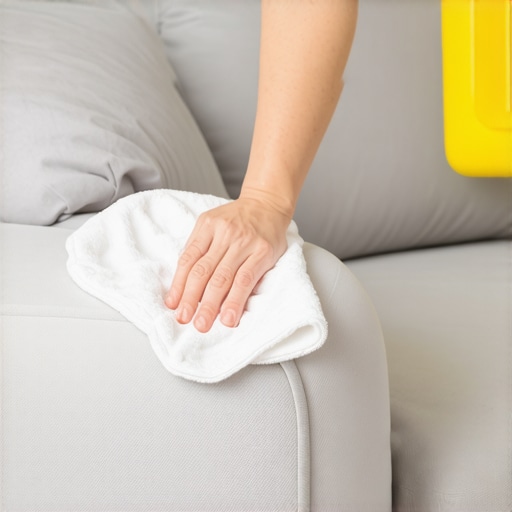
It was a typical Saturday morning when I accidentally knocked over my mug of steaming coffee right onto my beloved light beige sofa. Instant panic set in as I watched the dark stain spread across the fabric, ruining what I thought was an irreplaceable piece of furniture. Have you ever been there? That heart-sinking moment when your cozy corner gets compromised by a splash of morning caffeine? If so, you’re not alone. Many homeowners find themselves wrestling with stubborn coffee stains that seem almost impossible to remove from delicate light-colored upholstery.
Why Coffee Stains Are More Than Just a Nuisance
Coffee stains are especially tricky on light fabrics because of their pigmentation and the porous nature of upholstery fibers. Left untreated, they can set quickly, making removal even more challenging. I learned early on that rushing to clean without the right approach can actually set the stain deeper, turning a minor mishap into a permanent mark.
But here’s the good news: with the right tools and techniques, you can tackle these stains effectively. I’ll guide you through proven methods—based on my personal experience—for salvaging your furniture without the need for costly professional cleaning. Trust me, I’ve tried it all, and I’ve uncovered some secrets that truly work.
Before we dive into the step-by-step process, I want to share a common mistake I made early on that you should absolutely avoid. I once thought that pouring water directly onto the stain would help—big mistake. It actually spread the stain further and made it set even deeper into the fabric. Instead, knowing the correct method can make all the difference.
Interested in learning how to restore your couch’s fresh look? Stay tuned, because I’ll be walking you through simple, effective solutions to make those coffee stains disappear as if they never happened. And if you’ve faced this specific problem, keep reading—you’re about to become a stain-fighting pro. For more expert tips on household cleaning, check out [Effective House Cleaning Secrets from Cleaning Experts](https://spotlesscarpetz.com/effective-house-cleaning-secrets-from-cleaning-experts). Let’s get started on saving your furniture and your peace of mind.
Blot the Excess Immediately
When I spilled coffee on my light beige sofa, I acted fast. I grabbed a clean, white cloth and gently blotted the spill without rubbing, which helps prevent the stain from penetrating deeper into the fabric.
Apply a Gentle Cleaning Solution
I mixed one part white vinegar with two parts water, creating a mild solution that’s safe for most upholstery. Dabbing this mixture onto the stain with a sponge begins to lift the coffee residue without damaging delicate fibers.
Test Before Full Treatment
Before applying the solution broadly, I tested it on a hidden corner of the sofa to ensure it wouldn’t cause discoloration. This step is crucial to avoid further damage, especially on light fabrics.
Use a Soft Brush to Loosen the Stain
After applying the solution, I gently agitated the area with a soft-bristled brush. Think of it as massaging the fabric, which helps dislodge the coffee particles embedded within the fibers.
Blot Dry and Remove Excess Moisture
Next, I pressed a dry towel onto the treated area to absorb moisture. Changing towels frequently ensures the stain doesn’t spread or set deeper due to residual dampness.
Repeat if Necessary
If traces of the stain remained, I repeated the process—reapplying the vinegar solution, brushing softly, and blotting again. Sometimes, stubborn stains require multiple rounds for complete removal.
Allow to Air Dry Completely
Finally, I let the sofa air dry in a well-ventilated room. Avoid using heat sources like a hairdryer, which can set any remaining stain or damage the fabric. Patience here ensures the fabric retains its original texture and appearance.
Consider Professional Help for Persistent Stains
For especially stubborn or old stains, professional upholstery cleaning might be necessary. Reading about upholstery cleaning tips can prepare you for more advanced solutions.
Many homeowners assume that following generic cleaning tips guarantees a spotless, damage-free home. In reality, there are nuanced pitfalls and misconceptions that can jeopardize your efforts or even damage valuable furnishings. One widespread myth is that using aggressive chemical cleaners always results in better cleaning. However, overusing harsh substances can weaken fabric fibers or leave residues that attract more dirt over time. According to cleaning experts, understanding the specific requirements of different fabrics and surfaces is crucial—for instance, delicate velvets require gentle, water-based options rather than strong solvents, as explained in dedicated upholstery cleaning resources.
Another common mistake is neglecting to test cleaning solutions in inconspicuous areas before applying them broadly. This oversight can cause discoloration or fabric damage, especially on light-colored or vintage pieces. Always perform a patch test, as highlighted in trusted cleaning guides, to prevent costly mistakes.
Now, for the hidden nuance that trips up even experienced cleaners: many underestimate the importance of proper drying and ventilation post-cleaning. Residual moisture can foster mold growth or cause fabric shrinkage if not dried thoroughly, leading to long-term damage or musty odors. Experts recommend using fans or dehumidifiers immediately after cleaning and waiting until fabrics are completely dry before use.
Ever wonder about the best techniques for sanitizing porous surfaces like upholstery and carpets? Conventional wisdom suggests regular disinfectants are sufficient, but research indicates that they often fail to penetrate deeply into porous materials. The CDC acknowledges that steam cleaning can be more effective for such surfaces, provided it’s used correctly—meaning at appropriate temperatures and with proper equipment—to avoid moisture damage. This advanced approach underlines the necessity of specialized knowledge, which many overlook.
In essence, mastering move-out cleaning, upholstery care, and sanitization isn’t just about more effort but smarter techniques. Rushing, overusing chemicals, or neglecting proper drying can do more harm than good. For comprehensive, expert advice that ensures thorough cleaning without damage, check out [Effective House Cleaning Secrets from Cleaning Experts](https://spotlesscarpetz.com/effective-house-cleaning-secrets-from-cleaning-experts). Remember, understanding these nuances can save you money and preserve your home’s beauty. Have you ever fallen into this trap? Let me know in the comments.Maintaining a spotless home requires the right tools that can streamline your cleaning processes and ensure long-lasting results. Over the years, I’ve tested various equipment and software, and today I want to share the essentials that I personally rely on for move-out cleaning, upholstery upkeep, and sanitizing. Investing in quality tools not only saves time but also protects your furnishings and surfaces from unnecessary damage.
First and foremost, I swear by a **cordless vacuum cleaner equipped with HEPA filters**. Models like the Dyson V11 have transformed my cleaning routine, especially when dealing with dust traps behind appliances or tight corners often overlooked during regular tidying. Its powerful suction and lightweight design make it easy to maneuver, allowing me to quickly clean high-traffic areas before inspections.
For upholstery, I recommend a **professional-grade steam cleaner** with adjustable temperature settings and upholstery-specific attachments. Unlike generic steamers, a quality unit like the Bissell SteamShot Professional allows deep sanitization without harsh chemicals, preserving fabric integrity. Regular steam cleaning not only removes embedded dirt but also kills bacteria, which is vital for allergy sufferers and maintaining a fresh-smelling couch.
When it comes to sanitizing porous surfaces, I adopt a **microfiber cloth and a spray of vinegar solution**. Microfiber captures dust and microbes more effectively than traditional materials, and the vinegar acts as a natural disinfectant. This combo is especially useful for quick touch-ups on kitchen counters, door handles, and light fixtures. Remember, always test your cleaning solution on hidden fabric areas to avoid discoloration—this simple step is vital to prevent costly mistakes.
An underrated tool in my arsenal is a **detailed inspection flashlight**. Dirt, grime, and stains can sometimes hide in nooks and crannies, especially in less visible spots like underneath appliances or behind radiators. A portable LED flashlight helps identify these tricky spots, ensuring no dirt is missed and that your cleaning is thorough enough to pass move-out inspections.
For long-term maintenance, consider scheduling **monthly deep cleans using a software calendar** like Google Calendar with tailored reminders. Consistency is key in preventing buildup and keeping furniture, floors, and surfaces in top condition. Many cleaning experts recommend integrating digital tools for tracking tasks, which you can find further tips on at [Effective House Cleaning Secrets from Cleaning Experts](https://spotlesscarpetz.com/effective-house-cleaning-secrets-from-cleaning-experts).
Predicting the future of home maintenance, I believe automation will play a bigger role. Robotic vacuum maps and smart appliances will become more sophisticated, offering tailored cleaning schedules and alerts for wear and tear, making upkeep more effortless.
**How do I keep tools working efficiently over time?** Regular maintenance is essential—clean filters after each use, de-scale steamers monthly, and store equipment properly in dust-free environments. Also, replacing filters and attachments when they show signs of wear prolongs their usefulness. For instance, microfibers should be replaced every few months to retain their dust-trapping power.
Finally, I encourage you to try advanced tips such as using a vinegar solution to maintain upholstery as discussed. A quick spray followed by gentle brushing keeps fabrics smelling fresh and clean without chemicals. Remember, well-maintained tools stand the test of time and make your cleaning routines more effective. Want to explore more expert-approved strategies? Dive into [Effective House Cleaning Secrets](https://spotlesscarpetz.com/effective-house-cleaning-secrets-from-cleaning-experts) for detailed guidance.
The toughest lessons behind perfect move-out cleaning and upholstery care
One of my most eye-opening experiences was realizing that rushing through cleaning tasks often leads to subpar results. I once tried to expedite my move-out cleaning by skipping detailed steps, only to find stubborn stains and lingering odors that required double the effort later. Patience and thoroughness are key, especially with delicate fabrics and stubborn grime, which taught me that investing time upfront saves far more hassle down the line.
I also learned that relying solely on generic cleaning products can backfire. Certain fabrics, like vintage velvet or light-colored upholstery, demand gentle, fabric-specific treatments. Using the wrong solution not only risks discoloration but can also weaken fibers over time. Personal experience taught me to always read labels carefully and test solutions on hidden areas before full application—something that professionals swear by for maintaining furniture integrity.
Another lesson was understanding the importance of proper drying and ventilation. After cleaning, residual moisture can foster mold, odors, and fiber damage. It became clear that using fans or dehumidifiers to speed up drying solidifies the benefits of your cleaning efforts and prevents future problems. This nuance often escapes DIY enthusiasts, but mastering it can extend the life of your furniture and surfaces significantly.
Your pathway with tools and resources
Over the years, I’ve found that the right equipment makes all the difference. My essential toolkit includes a cordless HEPA-filter vacuum for quick, deep dust removal, a professional-grade steam cleaner tailored for upholstery, and microfiber cloths for effective, chemical-free disinfecting. These tools are reliable because they’ve proven their worth in tough situations; they consistently deliver impressive results without damaging delicate fabrics.
For guides and insights, I rely heavily on trusted sources like Effective House Cleaning Secrets from Cleaning Experts. It’s packed with expert-approved techniques, from stain removal to sanitization, that help me refine my approach continuously. Additionally, I keep an eye on specialized resources focusing on upholstery care and move-out cleaning, which highlight advanced tactics that aren’t always obvious to DIYers.
Books and online courses have also played a role in deepening my understanding. For instance, detailed manuals on fabric-specific cleaning help me avoid common pitfalls, ensuring my efforts preserve colors and textures while eliminating microbes. Investing in knowledge paired with proper tools allows me to tackle even the most stubborn stains confidently.
The future is in your hands — start today
If you’re aiming for spotless, long-lasting cleanliness in your home, remember that mastery doesn’t happen overnight. It’s about adopting a mindset of patience, continuous learning, and leveraging the right resources. Every successful cleaning session adds to your confidence and skill. So, take that first step—pick up your favorite microfiber cloth or steam cleaner—and show your home some love. The results will speak for themselves, leaving you with a space that’s not only clean but truly cared for.
What’s one cleaning challenge you’ve struggled with most? Share your story below—I’d love to hear how you overcame it or plan to tackle it next!