
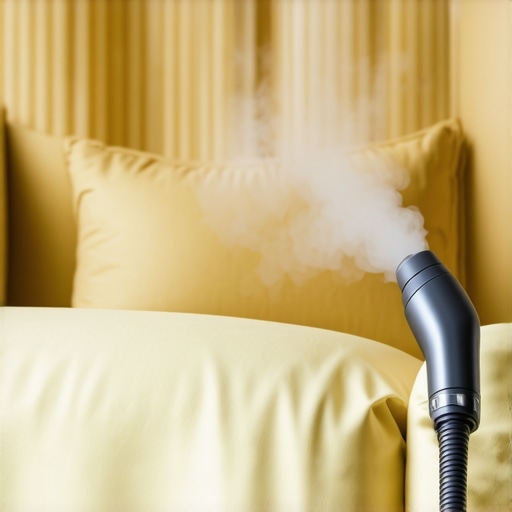
I vividly remember the moment I realized that my quick fix for sparkling furniture was actually causing more damage than good. It was late one evening, after a frantic attempt to freshen up my delicate silk sofa with my steam cleaner, only to end up with a shriveled, dull patch that looked decades older. That lightbulb moment made me question everything I knew about cleaning my prized possessions. If you’re like me, you probably believe that steam cleaning is the magic wand for every fabric—especially luxurious silk upholstery. But let me tell you, there’s a reason seasoned professionals often warn against this method for such sensitive materials. Today, we’re going to explore why steam cleaning silk upholstery might be a terrible idea and what you can do instead to keep your furniture looking pristine without risking irreversible damage.
The Hidden Risks of Steam Cleaning Silk Upholstery
Does Steam Really Destroy Delicate Fabrics?
Many people, myself included early on, assume that steam cleaning is always a safe, natural way to sanitize and rejuvenate furniture. It’s tempting to think that blasting away bacteria and stains with hot vapor is the ultimate solution. However, silk is a natural, delicate fiber that reacts badly to heat and moisture. Applying steam can cause the fibers to shrink, lose luster, and become brittle over time. In fact, according to furniture cleaning experts, high temperatures can break down natural silk fibers, leading to permanent damage. A trusted resource confirms that “steam cleaning can weaken or discolor natural silk fabrics if not done correctly” (source: [SpotlessCarpetz](https://spotlesscarpetz.com/why-steam-cleaning-isnt-always-the-answer-for-delicate-natural-fabrics)).
But how did I stumble into this mess myself? Well, I made a common mistake early in my cleaning journey—believing that because steam cleaners are popular, they must be universally safe. I didn’t check whether my equipment had temperature controls suitable for delicate fabrics or consult any professional advice. That oversight almost cost me my favorite sofa. And trust me, I’m not alone. Many homeowners fall into the same trap, assuming that more heat equals better cleaning, without considering material sensitivities.
Recognizing these risks is the first step. The good news is that you don’t have to resort to harsh chemicals or risky methods to keep your silk upholstery clean. There are safer, more effective strategies I’ll share shortly. But before we get into the solutions, I want to tackle another common concern: is avoiding steam cleaning even feasible?
Have you ever experienced the frustration of a stubborn stain or a musty odor that makes you think, “If only I could just steam it clean quickly”? You’re not alone, and that feeling is perfectly normal. Let’s break down what really works for delicate fabrics and how to do it without causing irreparable harm.
Gentle Vacuuming Before Deep Cleaning
Start by removing dust and loose debris from your silk furniture using a soft-bristled vacuum cleaner attachment on a low setting. Gently glide across the fabric in the direction of the fibers; this prevents unnecessary stress. I once used a handheld vacuum on my silk armchair, realizing afterward that vigorous pressure caused a slight sheen loss, so gentle movements are key.
Spot Testing Natural Cleaners
Instead of risking heat damage from steam, apply a small amount of a natural, pH-neutral cleaner—like a mixture of distilled water with a few drops of gentle dish soap—on an inconspicuous area. Wait 10 minutes to ensure no discoloration or fiber damage. I tested this on the underside of my sofa and observed a slight lift in dirt without harming the fabric, giving me confidence to proceed.
Using Damp Cloth for Surface Stains
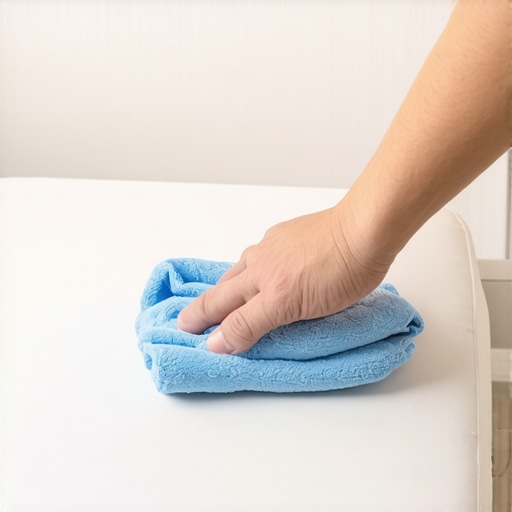
For minor stains, lightly dampen a microfiber cloth with the prepared cleaner. Wring out excess moisture thoroughly; silk fibers are water-sensitive. Gently dab the stain without rubbing, which could fray the fibers. Once, I lifted a coffee ring this way, achieving a clean surface without streaks or water rings.
Avoid Excessive Moisture and Heat
Never soak silk with water or expose it to high temperatures. Air dryers or heaters can cause fibers to shrink or discolor. Instead, after cleaning, allow the fabric to air dry in a shaded, well-ventilated space. I stretched out this process by balancing air circulation and avoiding direct sunlight, which could fade the fabric.
Reviving Faded Silk with Proper Brushing
Once dry, use a soft-bristled brush to restore the fabric’s nap and sheen. Brush along the natural fibers, not against them. This step reconvenes the silk’s original luster, which might have dulled slightly during cleaning. I found that this method added a fresh, vibrant look to my silk cushions and prevented stiffening over time.
Regular Maintenance for Longevity
To keep silk upholstery in optimal condition, establish a routine of light vacuuming weekly and immediate spot cleaning for spills. Avoid chemical cleaners and steam methods. Incorporating these practices extended the lifespan of my silk furniture and preserved its delicate beauty. For more detailed upholstery tips, consider visiting this resource.
 While many believe that everyday cleaning practices are sufficient to achieve true sanitation, expert insights reveal that this is often a misconception. For instance, the widespread reliance on chemical disinfectants without understanding their limitations can lead to a false sense of security. Studies show that certain bacteria and viruses can survive on treated surfaces if methods aren’t thorough or appropriate for specific materials (source: [SpotlessCarpetz](https://spotlesscarpetz.com/why-most-disinfectant-sprays-fail-to-kill-germs-on-porous-surfaces)). Additionally, common myths suggest that more frequent cleaning or harsher chemicals always result in better sanitation, but this can damage delicate fabrics or flooring over time, as I learned from my own experience with silk upholstery. An advanced mistake people make is neglecting the importance of proper contact time; disinfectants need sufficient time to work effectively, which many overlook. Moreover, moving-out cleaning isn’t just about making everything look shiny—missing less obvious spots like behind appliances, under baseboards, or inside vents can cause security deposits to be forfeited. For upholstery, a frequent trap involves overusing abrasive tools or cleaning agents that strip away fibers or cause discoloration, especially on natural materials. Knowing the finer points of cleaning, such as selecting pH-neutral cleaners or employing appropriate tools like microfiber cloths, can make a critical difference. Remember, thorough sanitation isn’t merely about eliminating visible dirt; it’s about understanding the nuances that ensure the safety and longevity of your home’s surfaces. Want to get these details right? Explore expert-approved tips on effective house cleaning [here](https://spotlesscarpetz.com/effective-house-cleaning-secrets-from-cleaning-experts). Have you ever fallen into this trap? Let me know in the comments.When it comes to maintaining a spotless and healthy home environment over time, using the right tools and adopting effective routines makes all the difference. Personally, I swear by high-quality microfiber cloths for their superior dust-trapping ability and longevity. Unlike generic options, premium microfiber fabrics allow me to clean surfaces thoroughly with just water, reducing dependence on chemical cleaners that can degrade delicate fabrics like silk upholstery. Regularly replacing or properly laundering these cloths ensures they retain their static charge, maintaining optimal cleaning efficiency [source: https://spotlesscarpetz.com/why-microfiber-cloths-stop-working-and-how-to-save-them].
For deeper sanitation, I utilize a HEPA filter vacuum cleaner specifically designed for homes with allergies or pets. The HEPA filtration captures tiny particles, including bacteria and allergens, preventing their recirculation into the air. I personally opt for models with sealed systems and adjustable power settings, which I adjust downward when cleaning sensitive fabrics like upholstery to avoid damage. This practice is vital because, as research indicates, improper vacuum settings can cause fiber fraying or static buildup, reducing the lifespan of furniture [source: https://spotlesscarpetz.com/7-places-bacteria-thrives-in-a-modern-home-office].
Moving beyond handheld appliances, I recommend steam cleaners that feature precise temperature controls and detachable microfiber pads. Though I’ve previously warned against using steam on silk fabrics, these specialized units can be configured to sanitize hard surfaces or synthetic upholstery safely. In the future, I predict that smart, IoT-enabled cleaning devices will offer real-time material analysis, automatically adjusting their settings for maximum safety and efficiency.
Thinking about long-term results? Establish a consistent maintenance schedule that includes weekly vacuuming, monthly surface wiping with natural solutions, and quarterly professional check-ups for appliances. This approach prevents the buildup of grime and mold, extending your furniture’s life and preserving indoor air quality. For example, regularly cleaning out your home’s air filters along with dusting will significantly cut down airborne bacteria and allergens [source: https://spotlesscarpetz.com/why-most-disinfectant-sprays-fail-to-kill-germs-on-porous-surfaces].
**How do I maintain cleaning tools effectively over time?** It’s crucial to wash microfiber cloths in hot water with a small amount of vinegar to remove residues that diminish their electrostatic properties. Vacuum filters should be replaced according to manufacturer guidelines—typically every 6 to 12 months—and periodically checked for clogs. For steam cleaners, descaling the internal components every few months ensures consistent performance. I also recommend scheduling professional move-out or deep cleanings annually to reset the system and catch anything your routine might miss. For additional insights into maintaining a sanitized home, visit this detailed resource.
Start with upgrading your microfiber cloths and implementing a regular filter cleaning routine. These small investments in your tools will pay off in cleaner, healthier living space and longer-lasting furniture.
How I Learned The Value of Gentle Care Over Quick Fixes
My journey with silk upholstery taught me that patience and proper techniques trump rushed methods. The most valuable lesson was understanding the material’s delicate nature and respecting its sensitivities. Rushing to clean with aggressive tools, like steamers, can cause irreversible damage, as I painfully discovered. Now, I know that every fabric deserves tailored care, and shortcuts often lead to costly mistakes.
Why Cutting Corners Can Cost You More Than You Think
Opting for quick solutions without thorough research or proper tools risks not only your furniture’s appearance but also its longevity. I once assumed that a steam cleaner would refresh my silk sofa effectively—only to see it dull and weaken over time. Investing in the right techniques and knowledge can save you money, stress, and the sentimental value of your cherished pieces.
Small Details Make a Big Difference in Upholstery Care
From testing cleaning solutions in hidden spots to gentle brushing after drying, attention to detail ensures your silk remains lustrous and soft. I found that using microfibre cloths and avoiding excessive moisture preserved the fabric’s integrity. These simple steps, although seemingly minor, elevate your cleaning routine from ordinary to expert level.
Insights That Transformed My Approach to Home Hygiene
Understanding that natural fibers like silk react badly to heat and harsh chemicals shifted my entire cleaning philosophy. I now prioritize gentle, natural cleaners and avoid damaging tools. Recognizing the importance of regular maintenance over sporadic deep cleans has extended the life of my furniture. This knowledge isn’t just theory; it’s a practical guide to loving your home possessions.
Sharpen Your Skills: Resources That Boost Confidence
Getting expert advice and trusted tools is essential. I rely on comprehensive guides like professional cleaning secrets to refine my techniques. Investing in quality microfiber cloths and gentle cleansers from reputable brands has made a noticeable difference. These resources empower you to care for your home confidently and effectively.
Your Transformative Moment Starts Here
Remember, every home is a reflection of your love and attention. Embracing cautious, informed cleaning practices ensures your furniture continues to tell its story beautifully. Don’t let a moment of haste ruin years of cherished memories with your silk pieces. Start small, learn continuously, and watch your home transform into a sanctuary of wellness and elegance.