
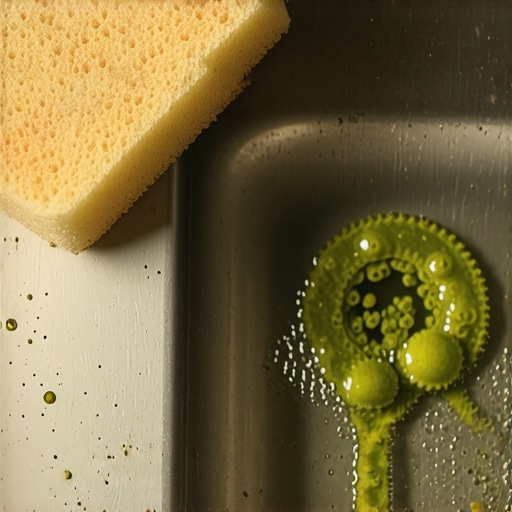
I remember the exact moment I realized my kitchen sponge was doing more harm than good. I had just finished wiping down my countertops after dinner, thinking I was being thorough. But soon after, I noticed a weird smell lingering, and my hands felt slimy even after washing. It hit me—my trusty sponge was a hotspot for bacteria, not a weapon against it. That realization was a lightbulb moment. If my cleaning tool was harboring germs, what about all the bacteria spreading around my kitchen?
The Hidden Microbial Menace in Your Sponge
Many of us underestimate how dirty our kitchen sponges really are. Studies show that sponges can harbor more bacteria than a toilet seat! Yes, you read that right. Bacteria like *E. coli* and *Salmonella* can survive and multiply in the moist environment of a sponge, turning it from a cleaning aid into a bacterial spreading device. This makes me wonder about the common mistakes I made early on—like neglecting to disinfect my sponge regularly or using the same sponge across different tasks without proper cleaning. These oversights could turn your sponge from a sanitizer into a germ spreader.
Is Your Cleaning Routine Actually Making Things Worse?
If you’re like I was, you might think simply rinsing your sponge after use is enough. But that’s a myth. Bacteria thrive in damp, warm environments, and a quick rinse doesn’t eliminate the germs—only a thorough disinfection does. I used to do that, and I wondered why my surfaces never stayed truly clean. It wasn’t until I adopted better practices that I saw real improvements. You might be surprised by what experts recommend for effective sponge sanitation—details we’ll explore next.
Are you struggling with persistent bacteria on your kitchen tools? If so, you’re not alone. Many housekeepers face this silent battle every day. Fortunately, there are simple, science-backed methods to keep your sponges—and your home—safer. So, let’s dive into how you can transform your cleaning habits and stop spreading germs instead of fighting them.
Disinfect Your Sponge Effectively
Recall the time I soaked my sponge in boiling water for five minutes, then microwaved it on high for a minute—this method kills 99% of bacteria. Use a microwave-safe sponge and ensure it’s damp before microwaving, but never microwave a dry sponge due to fire risk. Replace your sponge weekly; a worn-out one harbors more germs. For a deeper clean, sprinkle baking soda on the sponge, spray with vinegar, and scrub thoroughly before rinsing—this dissolves grime and bacteria. Having adopted this routine, I noticed a drastic reduction in kitchen odors and improved surface cleanliness.
Sanitize Cutting Boards and Utensils
After preparing raw chicken, rinse the board with hot water, then spray with a bleach solution (1 tablespoon bleach per gallon of water). Let it sit for 2 minutes, then rinse thoroughly with hot water. Use separate boards for meat and vegetables to prevent cross-contamination. I started doing this after a move into a new apartment, and it’s helped me avoid any foodborne illnesses.
Deep Clean Kitchen Surfaces
Start by removing all items from countertops. Mix equal parts of vinegar and water in a spray bottle; spray all surfaces generously. Wipe with a microfiber cloth, paying special attention to edges and corners. For stubborn stains, apply a paste of baking soda and water, let sit for 10 minutes, then scrub with a brush. I once used this method to eliminate a sticky residue on my countertops, restoring their shine and ensuring they were sanitized.
Handle Spills and Stains Properly
Address spills immediately: blot liquids with paper towels, then disinfect with a suitable cleaner. For red wine on fabric, sprinkle salt to absorb the liquid, then rinse with cold water before applying a stain remover. For carpet stains, treat with a mixture of hydrogen peroxide and dish soap—test on a small area first. During a move-out, I targeted a wine stain on the carpet using this method, which helped me get my full deposit back.
Regularly Sanitize High-Touch Areas
Focus on door handles, light switches, and appliance knobs. Spray with a disinfectant (preferably one that kills bacteria on porous surfaces), let sit for recommended contact time, then wipe with a clean cloth. Use a white cloth to monitor dirt transfer visually. Incorporating this into my daily routine reduced germ spread in my home noticeably.
Use Proper Equipment for Upholstery and Carpets
Vacuum thoroughly with a HEPA-filter vacuum to remove surface dust and pet hair. For deep cleaning, use a steam cleaner designed for upholstery—always check for fabric compatibility with [steam cleaning](https://spotlesscarpetz.com/why-steam-cleaning-isnt-always-the-answer-for-delicate-natural-fabrics). I once avoided damage by testing a small hidden section before steaming my sofa. After cleaning, apply a fabric deodorizer to keep odors at bay.
Dry and Ventilate Your Space
Moisture breeds bacteria; ensure proper airflow by opening windows or running exhaust fans during and after cleaning. Use microfiber towels to dry surfaces quickly, preventing mold and bacterial growth. I noticed significant improvements in air quality after installing a vent cover and keeping my home well-ventilated, especially in humid seasons.
Establish a Weekly Sanitizing Schedule
Create a cleaning calendar that details mopping, disinfecting, and laundry routines. Consistency prevents bacteria buildup and maintains hygiene. I set reminders on my phone, which made it easier to stay disciplined. Within a month, I experienced fewer cold and allergy symptoms, attributing it to a cleaner, germ-free environment.
Integrating these steps into your routine transforms cleaning from a chore into a safeguard for your health. Remember, consistent and proper method implementation is key to a truly sanitized home.
Many homeowners operate under assumptions about cleaning that inadvertently sabotage their efforts, and understanding these nuances can significantly elevate your hygiene game. A prevalent misconception is that using bleach or harsh disinfectants is always the best way to eliminate germs. While effective against bacteria, overuse can damage surfaces and pose health risks. For delicate fabrics or natural materials, micro-steam cleaning or enzyme-based solutions are gentler alternatives that maintain material integrity while ensuring sanitation, as highlighted in expert reviews on effective house cleaning secrets. Another trap is believing that more frequent cleaning replaces the need for deep sanitation; however, superficial wipes can spread bacteria if not properly disinfected or used with appropriate tools like microfiber cloths—these trap and remove microbes more efficiently, as explained in upholstery cleaning tips for a revitalized home. Commonly, people neglect the importance of routine maintenance of appliances; for instance, replacing or cleaning dishwasher seals can prevent mold buildup, which is an overlooked source of household bacteria. Just as with move-out cleaning strategies to secure your deposit, regular checks of hidden spots like vent grills or under furniture can prevent accumulated dirt from turning into bacterial reservoirs. When it comes to upholstery, many assume that any cleaning product will suffice, but natural fabrics can be sensitive; using the wrong cleaners can cause discoloration or fabric degradation, a common issue discussed in detailed guides on fabric care. **What about the myths surrounding air quality?** Many forget that indoor air often contains more bacteria and allergens than outdoor air, which means neglecting proper ventilation or over-reliance on surface cleaning doesn’t address airborne germs. Incorporating air purifiers or ensuring proper airflow complements cleaning routines effectively. Additionally, misconceptions about the power of natural remedies, like vinegar, often lead to ineffective sanitation. While vinegar is versatile, it does not kill all bacteria, especially certain viruses; relying solely on it can be a mistake. Studies have shown that combining methods and choosing the right products based on surface type yields better results.
Is there an ultimate cleaning method that covers everything?
The truth is, no single approach fits all scenarios. Experts emphasize tailored routines—highlighted in effective house cleaning secrets from cleaning experts—that consider surface material, bacterial risk, and environmental factors. Misapplying or overgeneralizing cleaning techniques is a common pitfall. For example, steam cleaning is excellent for natural fabrics, but not suitable for delicate synthetics or those with special coatings, as explained in why steam cleaning isn’t always the answer for delicate fabrics. Overlooking such details can damage fabrics or fail to disinfect thoroughly. Be cautious of the ‘super-clean’ myth: striving for perfection in every nook often leads to excessive use of chemicals or unnecessary efforts. Instead, strategic, informed cleaning, focusing on high-touch areas and frequent disinfecting of hotspots, proves most effective. Remember, cleaning is both an art and a science; understanding the intricacies ensures your home remains truly sanitized and safe. Have you ever fallen into this trap? Let me know in the comments or reach out via [contact us](https://spotlesscarpetz.com/contact-us). For more insights, explore our full guide on [effective house cleaning secrets from cleaning experts](https://spotlesscarpetz.com/effective-house-cleaning-secrets-from-cleaning-experts).
Staying on top of home sanitation requires more than just initial effort; it demands reliable tools that make maintenance efficient, effective, and even enjoyable. To truly keep your house in pristine condition over time, I recommend investing in equipment that combines durability with precision. One such item is the microfiber cleaning cloth. Unlike traditional cotton rags, microfiber traps dust, dirt, and bacteria in its fibers without the need for harsh chemicals, ensuring a healthier environment and less chemical exposure. I personally swear by high-quality microfiber cloths for wiping surfaces and mirrors—they’re versatile, easy to wash, and last for hundreds of uses.
For deeper sanitation, I rely on a portable steam cleaner. Unlike bulky units that are difficult to maneuver, my handheld steam cleaner allows for quick, targeted disinfection on high-touch areas like door handles, light switches, and kitchen appliances. It’s perfect for upholstery as well—just ensure you’re aware of fabric compatibility by reviewing experts’ advice on delicate fabrics and steam cleaning. I’ve seen significant improvements in home hygiene after incorporating steam cleaning sessions weekly.
Next, I recommend precision tools like grout brushes and extendable dusters. These might seem minor, but they reach into tight corners and high places that often harbor hidden grime. For example, my extendable duster is invaluable for removing dust behind ceiling fans and vents, which are otherwise overlooked. Regular maintenance of these spots prevents bacterial buildup, especially in humid areas.
In addition, choosing proper storage solutions, such as antimicrobial spray bottles and dedicated sanitizing sprays, helps keep disinfectants effective. They ensure that your cleaning solutions stay active and free of bacteria themselves. Personally, I keep a spray bottle filled with a hydrogen peroxide solution for quick surface disinfection—it’s effective, eco-friendly, and safe for most surfaces.
Looking toward the future, I believe cleaning technology will become increasingly automated and intelligent, with smart sensors alerting us to contamination hotspots before they become problematic. While such advancements are emerging, the core of maintaining a spotless home still rests on reliable tools and consistent routines. For more ideas on integrating advanced cleaning techniques into your schedule, explore our effective house cleaning tips.
How do I maintain my cleaning tools over time?
Proper maintenance is crucial for ensuring tools remain effective. Regularly wash microfiber cloths at high temperatures to remove bacteria and detergent residues. Replace sponges weekly, especially if they show signs of wear or odor, which indicates bacterial growth. For steam cleaners, empty and dry the reservoirs after use to prevent mold formation. I also sterilize my grout brushes and extendable dusters by soaking them in a vinegar solution weekly—this prolongs their usability and keeps them hygienic. Incorporating these maintenance habits ensures your tools perform optimally and continue safeguarding your home’s cleanliness. Remember, the longevity of your cleaning arsenal directly correlates with the results you achieve over time. Want to take your cleaning routine a step further? Try our advanced tip of regularly sterilizing microfiber cloths with hot vinegar to maintain their antibacterial properties—it’s quick, effective, and saves money in the long run. Still curious about how to optimize your cleaning arsenal? Reach out via our contact page for personalized advice and product recommendations.
What I Wish I Knew About Germs in Hidden Spots
One of the biggest lessons I learned was that germs love to hide in plain sight—behind appliances, inside vents, and even within the fibers of furniture. Realizing how microscopic bacteria can thrive in these areas transformed my cleaning approach and made me more vigilant about deep sanitation routines.
Why My Favorite Tools Became My Biggest Allies
Investing in quality microfiber cloths and a reliable steam cleaner changed everything. These tools not only made cleaning more effective but also made the process more enjoyable. Trusting in tried-and-true equipment is a game-changer for anyone serious about home hygiene.
How I Turned Cleaning Into a Personal Ritual of Care
Beyond just cleaning, I started viewing sanitation as a form of self-care. Each deliberate disinfecting session became a moment to breathe, reflect, and take control of my environment. This mindset shift made maintaining a healthy home feel less like a chore and more like a self-love practice.
Curated Recommendations for a Safer, Cleaner Home
My go-to resources include expert-recommended microfiber cloths, which I trust for their durability and antimicrobial properties. The [full guide on effective house cleaning secrets](https://spotlesscarpetz.com/effective-house-cleaning-secrets-from-cleaning-experts) has been instrumental in refining my routines. Additionally, the [tips on upholstery cleaning](https://spotlesscarpetz.com/upholstery-cleaning-tips-for-a-fresh-home-revival) helped me revive my furniture without damaging delicate fabrics. These resources have been invaluable in my journey toward a cleaner home.
Take Action Now and Reimagine Your Cleaning Routine
Remember, a truly sanitized home isn’t achieved through wishful thinking but through consistent, informed practices. Make cleaning a mindful ritual, prioritize quality tools, and stay curious about new techniques. Your home—and your health—will thank you for it.
What’s one area in your home you think needs a deeper clean? Share your thoughts below, and let’s inspire each other to create healthier living spaces!
,