
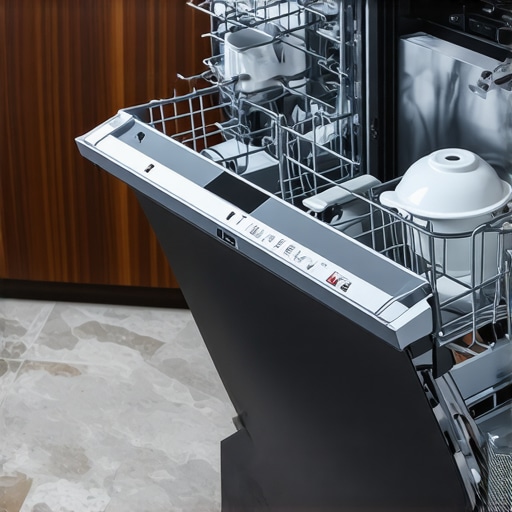
As I stood there one morning, desperately sniffing my dishwasher’s door handle, I realized I was caught in a familiar cycle. The faint smell of yesterday’s leftovers had somehow become a persistent, unwelcome guest. It hit me then — this wasn’t just a matter of running another cleaning cycle. It was a little more complicated, and surprisingly, quite common among homeowners. If your dishwasher smells like old food—no matter how often you clean it—you’re not alone. I’ve been there too, and I want to share what I discovered. Today, we’ll uncover the real reason behind that funky odor and, more importantly, how to banish it for good.
Why Your Dishwasher Is Stinking Up Your Kitchen
Are You Falling for the Common Cleaning Mistake?
Initial missteps often trip us up. Early in my cleaning journey, I believed that regular rinse cycles or running hot water was enough to keep my dishwasher fresh. But I learned that serious odors creep in from hidden spots that are easy to overlook. For example, I used to think that soap buildup was the only cause of smells, but the truth is, neglected areas like the dishwasher’s gasket or filter can harbor bacteria and mold, creating a foul scent even after cleaning.
One reliable source, the experts at Spotless Carpetz, emphasize that meticulous attention to these often-forgotten areas is key. They warn that neglecting routine maintenance can turn your dishwasher into a breeding ground for microbes, which produce the musty, sour smell you’re eager to eliminate.
I vividly remember a move-out clean I did early on. I cleaned the visible parts thoroughly—scrubbing the racks, wiping the door, and pouring vinegar. Yet, the smell persisted. It wasn’t until I cleaned the filter and checked the gasket that I finally got rid of that stubborn odor. Learning from that mistake, I now make sure to include these crucial steps in my cleaning routine.
But what exactly causes those hidden bacteria to thrive? Well, warm, damp environments are perfect for mold and bacteria to colonize. Over time, food particles trapped in tiny crevices provide nutrients for these microbes, turning your appliance into a smelly monster. Spotting and addressing these spots—especially the gasket and filter—can make all the difference.
Are you frustrated because your dishwasher still smells despite your best efforts? Or maybe you’ve wondered if there’s a deeper reason behind that lingering stench? In the upcoming sections, I’ll walk you through simple, effective strategies to eliminate these odors once and for all, ensuring your dishwasher—and your kitchen—stay fresh and inviting.
Let’s dive into the practical steps that will turn this common problem into a thing of the past.
Deep Clean the Filter and Gasket
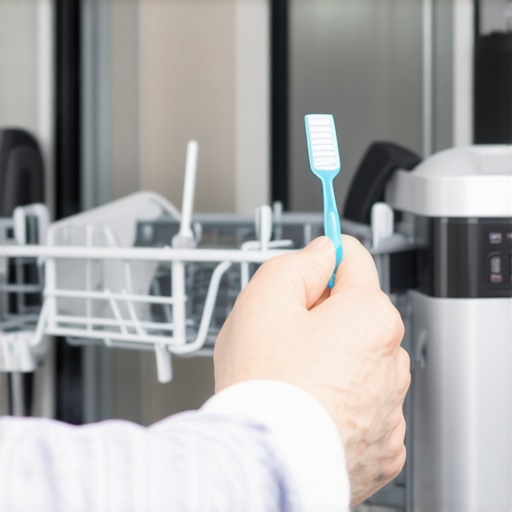
Start by removing the dishwasher’s filter, usually located at the bottom. Use a toothbrush dipped in warm, soapy water to scrub away trapped food particles and grease. Next, focus on the gasket—carefully wipe it with a cloth soaked in vinegar solution to kill mold and bacteria. I once faced a stubborn smell, and after cleaning these two parts thoroughly, the odor vanished, leaving my dishwasher smelling fresh for weeks.
Use Natural Sanitizing Agents
Pour a cup of white vinegar into the dishwasher and run it on the hottest cycle without dishes. Vinegar acts as a natural disinfectant, breaking down soap scum and neutralizing odors. Afterward, sprinkle baking soda on the bottom rack and run a short hot cycle. Baking soda absorbs lingering smells effectively. I do this monthly, especially after heavy use or if I notice a smell developing—it’s my go-to routine for a clean, odor-free dishwasher.
Address Hidden Bacteria in Hard-to-Reach Areas
Hard-to-clean spots like spray arms and interior seals often harbor bacteria. Remove the spray arms and soak them in a vinegar and baking soda mixture for 15 minutes; then scrub with a brush to dislodge any buildup. For interior seals, use a toothbrush dipped in a disinfectant solution to wipe away mold. I once neglected these areas, and the smell persisted. After diligent cleaning, my dishwasher’s scent cleared up instantly.
Maintain Regular Upkeep
Implement routine checks—clean filters weekly and wipe gaskets monthly to prevent odor buildup. Running an empty cycle with vinegar once a month, especially after heavy use, keeps everything fresh. Additionally, avoid overloading the dishwasher, which can trap debris and promote microbial growth. These simple habits act as your first defense against foul smells returning.
Prevent Future Odors with Proper Use
Scrape off excess food from dishes before loading, and leave the door slightly ajar after cycles to allow moisture to escape. Moisture fosters bacteria, so good ventilation is key. I make it a point to do this, and my dishwasher remains odor-free. For a comprehensive guide on maintaining a spotless home, check out effective cleaning secrets that can help you keep every appliance in top shape.
 Many homeowners operate under misconceptions that can undermine their cleaning efforts, especially when it comes to sanitizing, move-out cleanings, upholstery care, and overall house maintenance. Let’s dig deeper into some common myths and advanced mistakes that even seasoned cleaners often overlook.
Are All Disinfectants Created Equal
Contrary to popular belief, not all disinfectants are effective against every germ or bacteria. Many products only work on porous surfaces or require a specific contact time to be truly effective. Relying solely on surface sprays without allowing proper dwell time can give a false sense of security. An expert from the CDC emphasizes that understanding each product’s limitations is vital for effective sanitization. Don’t fall into the trap of assuming a quick spray disinfects everything—it may only be superficial.
Why Some Move-Out Cleaning Techniques Fail Your Security Deposit
Many believe that high-powered cleaning machines or extensive scrubbing will guarantee a full deposit return. However, neglecting to focus on hidden grime, grout lines, and unseen mold in areas like behind appliances or under sinks can lead to deductions. Additionally, not knowing the subtle spots landlords inspect—like door hinges or vent covers—often costs renters dearly. For strategic move-out cleaning tips, check out these detailed strategies.
Getting Upholstery Spotless Without Damage
Many assume that steam cleaning or heavy scrubbing is always safe for delicate fabrics. But some fabrics, especially natural fibers like silk or velvet, require specialized treatment. Over-aggressive cleaning can lead to fiber damage or color fading. Experts caution that using harsh chemicals or high temperatures may do more harm than good. For tailored approaches, exploring professional upholstery tips can save your furniture.
What Most People Get Wrong About Sanitizing
Let’s dig deeper into a nuanced detail often missed: porous vs. non-porous surfaces. A common myth is that spraying disinfectants on everything will sanitize it all. In reality, porous surfaces like wood or fabric retain bacteria deeper inside, making surface disinfection insufficient. According to recent studies in microbiology, proper sanitization requires additional steps like hot water wash or chemical treatment specific to the material. This nuanced understanding is crucial for effective household hygiene, especially during the flu season or disease outbreaks. To ensure your methods align with the latest insights, review expert advice on advanced sanitizing hacks.
Common Mistakes That Turn Cleaning into a Waste of Time
One oops factor is using abrasive tools on the wrong surfaces, which can scratch or weaken materials. For instance, scrubbing ceramic tiles with steel wool may remove grime temporarily but damage the glaze over time. Also, overloading washing machines or dishwashers hampers effective cleaning and rinsing, trapping residues that produce odors or dirt buildup. Remember, effective cleaning isn’t just about elbow grease but about knowing the right tools and techniques for each surface. Want to master house cleaning with precision? Dive into these expert secrets.
Have you ever fallen into this trap? Let me know in the comments.
Investing in the Right Equipment
To keep your home spotless and maintain top hygiene standards, selecting the right tools is crucial. I personally rely on a high-quality microfiber mop such as the professional-grade microfiber mop because it effectively traps dust and microbes without scratching surfaces. Its electrostatic properties ensure deep cleaning without the need for harsh chemicals. For outdoor areas, I prefer a cordless power washer, which makes quick work of grime on siding and decks, saving time and effort. Using the appropriate equipment not only enhances efficiency but also extends the lifespan of your surfaces.
The Power of Proper Software and Scheduling
Maintaining a cleaning routine is easier with scheduling apps like Todoist or Notion, which I use to set weekly reminders for cleaning filters, upholstery, and hidden spots that harbor bacteria. Automated checklists help prevent important tasks from slipping through the cracks, especially during move-outs or deep cleaning sessions. I also utilize tracking tools for chemical usage and maintenance logs, ensuring every product is used effectively and safely. Managing your cleaning schedule digitally minimizes oversight and keeps your home consistently fresh.
Tools That Scale with Your Home
As your home grows or your cleaning needs evolve, investing in modular tools like extendable duster poles or adjustable steam cleaners becomes invaluable. These enable you to reach high corners or clean delicate fabrics without risking damage. For example, I regularly upgrade my upholstery cleaning attachments, choosing specialized nozzles that employ micro-steam technology to revive fabrics without detergents. These scalable tools ensure you can maintain multiple surfaces effectively over the years, reducing the need for costly professional services.
Future Trends in Cleaning Equipment
Looking ahead, the trend toward smart cleaning devices is gaining momentum. From robotic vacuum systems to app-controlled steam mops, technology promises automation and greater precision. I predict that integrating IoT-enabled tools will allow homeowners to monitor cleaning progress via their smartphones, schedule maintenance, and receive alerts for service needs automatically. Staying updated with these innovations will help you preserve your home’s cleanliness effortlessly. To get a head start, try integrating a smart sensor like the ones discussed in smart sensors for home sanitation, which can alert you to areas needing attention before dirt and grime accumulate.
How do I maintain my cleaning tools over time?
Proper maintenance extends the life of your equipment and keeps them functioning optimally. I always rinse and dry microfiber cloths after use to prevent bacterial growth and replace them every few months. For power tools, I follow manufacturer guidelines for storage and cleaning, such as lubricating moving parts and checking for wear and tear. Regularly disinfecting your tools ensures they don’t become reservoirs for germs. Also, replacing filters and batteries at recommended intervals prevents breakdowns and maintains performance. Adopting this routine saves money and guarantees your tools deliver consistent results. If you’re interested in learning more about keeping your cleaning gear in top shape, check out expert cleaning secrets.
Try implementing a regular check and maintenance schedule for your equipment today. For example, set a monthly reminder to inspect and service your microfiber mops and vacuum filters. This small effort can significantly improve sanitization results and ensure your house remains a sanctuary of cleanliness.
One of the most eye-opening lessons I learned was that not all cleaning methods are created equal—especially when it comes to maintaining a genuinely fresh and germ-free home. Relying solely on surface cleaning or quick fixes often left me frustrated, as bacteria and mold persisted in overlooked spots like gasket folds or inside filters. The real breakthrough came when I realized that paying attention to the small, hidden details—those deep, often neglected areas—made all the difference in creating a healthier living environment. This insight has pushed me to adopt a more meticulous, holistic approach, ensuring every corner of my home is truly clean and sanitized. I also discovered that understanding the different properties of disinfectants, and knowing when to use natural agents like vinegar and baking soda versus chemical cleaners, is critical for effective sanitization without unnecessary harshness. It’s these nuanced practices and lessons learned from trial and error that have fundamentally changed how I maintain my space, turning cleaning into a mindful ritual rather than just routine upkeep.